

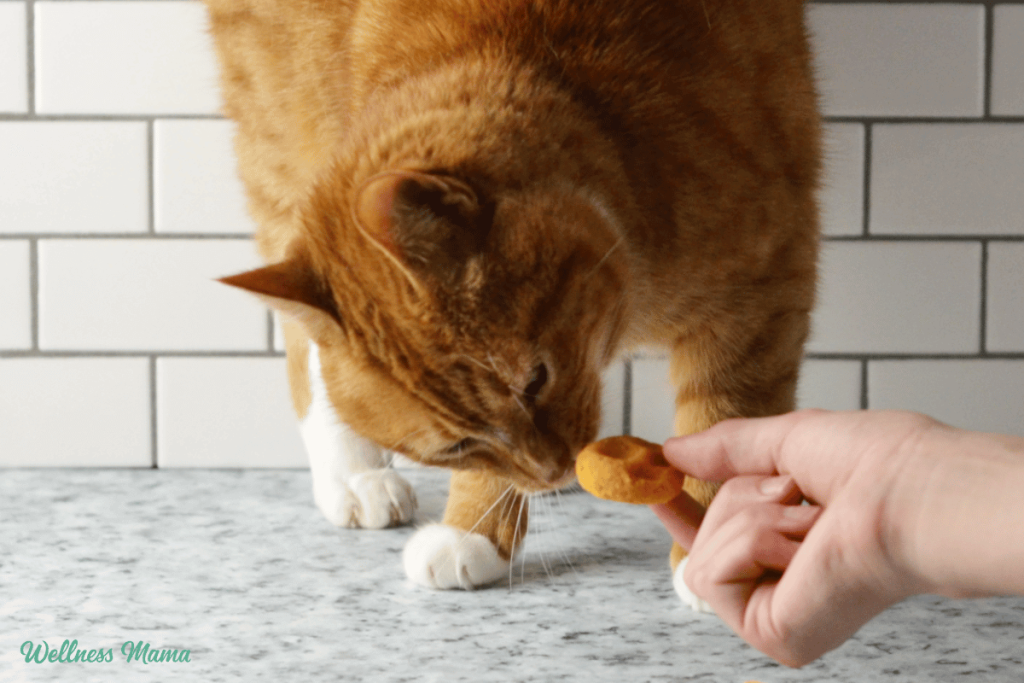
Are you worried about what’s really in your cat’s food? Making homemade cat food lets you take full control of your furry friend’s diet.
You can choose fresh, natural ingredients that meet your cat’s needs perfectly. Imagine knowing exactly what your cat is eating every day—no hidden fillers or additives. In this guide, you’ll discover simple steps to create nutritious, tasty meals your cat will love.
Ready to give your pet the best? Keep reading and learn how easy it is to make homemade cat food that’s healthy and delicious.
Benefits Of Homemade Cat Food
Making homemade cat food brings many benefits to your pet’s health and your routine. You can improve the quality of your cat’s diet by preparing meals at home. This approach gives you better control and may save money over time. Here are key advantages of feeding your cat homemade food.
Health Advantages
Homemade cat food often has fresher ingredients than commercial options. It helps avoid fillers and artificial additives found in many store-bought brands. Cats may experience better digestion and shinier coats. You can tailor meals to meet your cat’s specific health needs. Homemade food supports overall wellness and energy levels.
Ingredient Control
You decide exactly what goes into your cat’s meals. This control helps avoid allergens and harmful substances. You can choose high-quality proteins, vegetables, and supplements. Homemade food lets you adjust recipes for age, weight, or health issues. This ensures your cat receives a balanced diet made just for them.
Cost Efficiency
Preparing cat food at home can be cheaper than buying premium commercial food. Bulk buying ingredients reduces costs and waste. Leftovers can be used creatively to feed your cat. You avoid expensive packaging and brand premiums. Homemade meals help manage your budget without sacrificing nutrition.
Essential Nutrients For Cats
Cats need specific nutrients to stay healthy and happy. Their bodies require a balance of proteins, fats, vitamins, and minerals. Homemade cat food must include these essential nutrients. Providing the right nutrients supports their energy, growth, and overall well-being.
Proteins And Amino Acids
Proteins are the building blocks of a cat’s body. Cats need high-quality animal proteins to maintain muscle and repair tissues. Essential amino acids like taurine and arginine must come from meat. Lack of these can cause serious health problems.
Fats And Fatty Acids
Fats provide energy and support healthy skin and coat. Cats need certain fatty acids such as arachidonic acid and omega-3s. These fats help brain function and reduce inflammation. Including animal fats in homemade food is crucial.
Vitamins And Minerals
Vitamins and minerals keep cats’ immune systems strong. Important vitamins include A, D, E, and B-complex. Minerals like calcium, phosphorus, and potassium support bones and organs. Balance is key, as too much or too little can harm cats.
Safe Ingredients To Use
Choosing safe ingredients is the foundation of making healthy homemade cat food. Cats have unique dietary needs, so you must be careful about what you feed them. Using the right ingredients ensures your cat stays happy, active, and free from health problems.
Meats And Proteins
Protein is essential for your cat’s energy and muscle health. Use fresh, high-quality meats like chicken, turkey, or beef. These provide the amino acids your cat needs to thrive.
Raw or cooked meats can work, but be cautious with raw to avoid bacteria. You might want to lightly cook the meat to make it safer. Avoid processed meats as they often contain harmful preservatives.
Fish can be included occasionally, but it shouldn’t be the main protein source. Too much fish can lead to nutritional imbalances. Have you checked if your cat prefers chicken over fish yet?
Vegetables And Supplements
Cats don’t need many veggies, but small amounts of safe ones can add fiber and vitamins. Try pureed carrots, peas, or pumpkin to help with digestion. These can be mixed into the meat for a balanced meal.
Supplements are crucial because homemade food might lack certain nutrients. Taurine, an essential amino acid, is a must-have. Without it, cats can develop serious health issues.
Consider adding fish oil or a feline-specific vitamin supplement to cover other nutritional gaps. Always check with your vet before adding supplements. Have you thought about how to balance your cat’s homemade meals?
Avoiding Harmful Foods
Some common human foods are toxic to cats and must be avoided. Onions, garlic, chocolate, grapes, and raisins can cause severe health problems. Even small amounts can be dangerous.
Dairy products like milk can upset your cat’s stomach since many cats are lactose intolerant. Avoid using any seasoning or salt in homemade cat food. Your cat’s health depends on what you leave out as much as what you put in.
Have you ever wondered why some cats react badly to certain foods? It’s often because their bodies can’t process specific ingredients. Knowing what to avoid keeps your cat safe and healthy.

Credit: justcatsclinic.com
Basic Preparation Tips
Preparing homemade cat food requires careful attention to ensure it is safe and nutritious. Good preparation helps keep your cat healthy and happy. Simple steps in cooking, storing, and serving can make a big difference.
Cooking Methods
Choose cooking methods that keep nutrients intact. Boiling, steaming, and baking are best. Avoid frying or using spices. Cook meat thoroughly to kill harmful bacteria. Avoid raw food unless advised by a vet. Always cool the food before serving.
Storage Guidelines
Store homemade cat food properly to prevent spoilage. Use airtight containers for freshness. Refrigerate food if you plan to use it within three days. Freeze larger batches for longer storage. Label containers with the date made. Thaw frozen food in the fridge, never at room temperature.
Portion Sizes
Feed your cat the right amount for its size and age. Overfeeding causes weight gain and health issues. Use a kitchen scale or measuring cup for accuracy. Divide daily food into two or three meals. Monitor your cat’s weight and adjust portions as needed.
Easy Homemade Cat Food Recipes
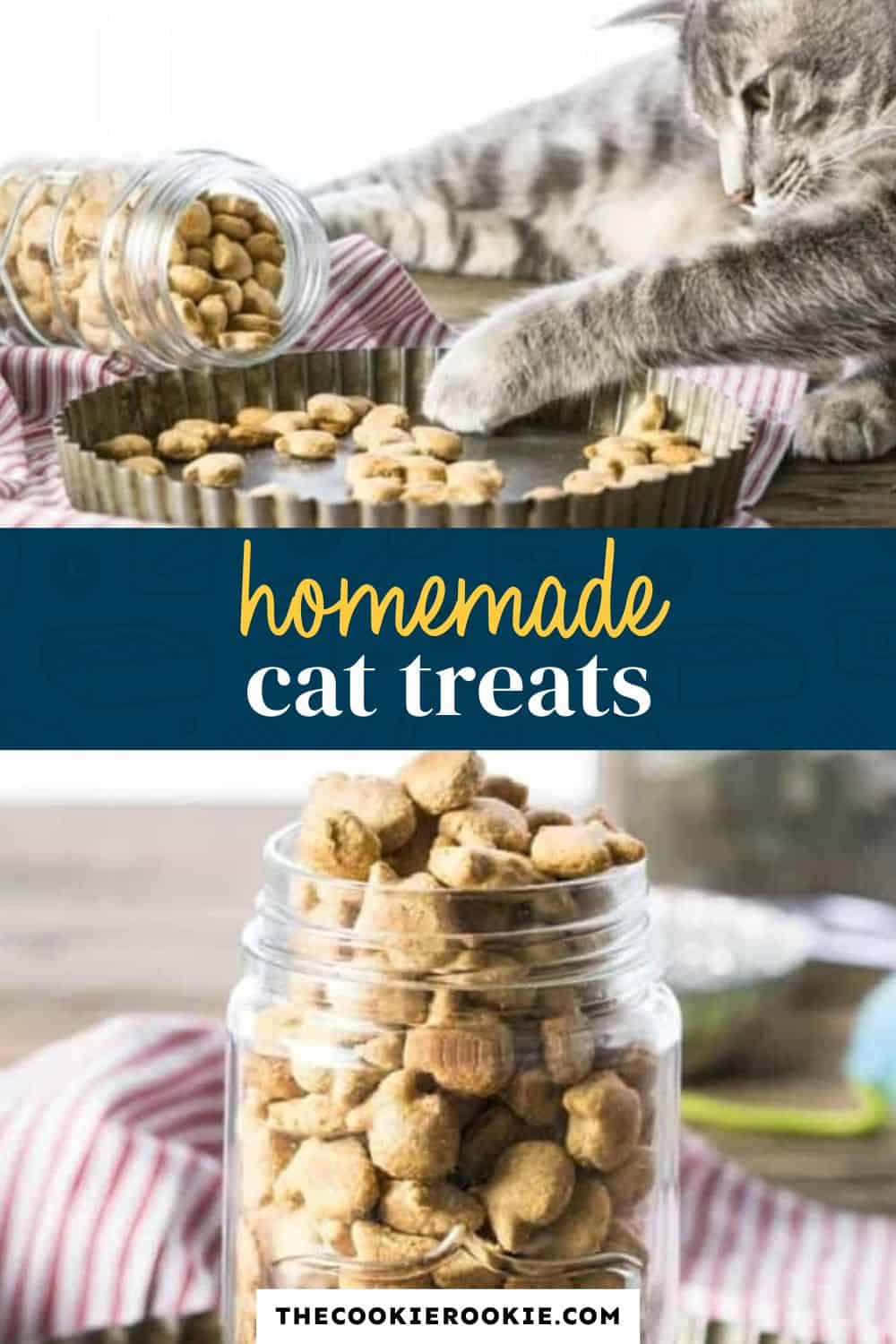
Making homemade cat food is simple and rewarding. You control the ingredients and ensure your cat eats healthy. These easy recipes use common ingredients that cats love. Each recipe balances protein and nutrients for your pet’s well-being.
Prepare fresh meals with basic kitchen tools. Cook in small batches to keep food fresh. Store leftovers in the fridge for up to three days.
Chicken And Rice Mix
- Cook 1 cup of chicken breast, finely chopped.
- Boil ½ cup of white rice until soft.
- Mix chicken and rice in a bowl.
- Add 1 tablespoon of cooked carrot, mashed.
- Include a pinch of taurine supplement for cat health.
- Cool before serving.
Salmon And Pumpkin Blend
- Cook 1 cup of salmon, remove bones.
- Steam ½ cup of pumpkin until soft.
- Mix salmon and pumpkin thoroughly.
- Add 1 teaspoon of fish oil for omega-3.
- Sprinkle a small amount of dried catnip for flavor.
- Let cool before feeding.
Turkey And Sweet Potato Meal
- Cook 1 cup of ground turkey until done.
- Boil ½ cup of sweet potato, mash well.
- Combine turkey and sweet potato in a bowl.
- Add 1 teaspoon of olive oil for healthy fats.
- Include a pinch of calcium powder to support bones.
- Serve after cooling.
Credit: www.thecookierookie.com
Adjusting Recipes For Special Needs
Adjusting homemade cat food recipes to meet your cat’s special needs is essential for their health and happiness. Cats at different life stages or with health issues require tailored nutrition. Understanding these needs helps you create meals that support their well-being effectively.
For Kittens
Kittens grow fast and need extra nutrients to build strong bones and muscles. Their diet should be rich in protein and fat to fuel their energy and development. Add ingredients like boiled chicken, egg yolk, and a small amount of kitten-safe fish oil to boost nutrients.
Make sure meals are easy to chew and digest. Avoid large chunks and hard textures that can frustrate young kittens. Think about how you would want your food if you were growing quickly—soft, tasty, and nutrient-packed.
For Senior Cats
Older cats often have slower metabolisms and may face kidney or dental issues. Lower protein and phosphorus levels can help protect kidney health, while soft food eases chewing difficulties. Including cooked pumpkin or a bit of fish oil can aid digestion and keep their coat shiny.
Have you noticed your senior cat eating less or struggling with dry food? Adjusting the texture and nutrient balance can make a big difference in their appetite and comfort.
For Cats With Allergies
Allergies can cause itching, digestive upset, or respiratory problems. Identifying and avoiding common allergens like beef, dairy, or grains is crucial. Use novel proteins such as rabbit or duck, and replace grains with alternatives like sweet potato or peas.
Consider keeping a food diary to track reactions and find safe ingredients. Do you know which foods trigger your cat’s symptoms? Careful ingredient choices make homemade meals both safe and delicious.
Monitoring Your Cat’s Health
Keeping a close eye on your cat’s health is essential when you prepare homemade food. Changes in diet can affect your cat in ways you might not expect. Monitoring helps you catch any issues early and make sure your furry friend stays happy and healthy.
Signs Of Nutritional Deficiency
Watch for sudden changes in your cat’s coat, like dullness or excessive shedding. Weight loss, lack of energy, and unusual behavior can also hint at missing nutrients. Pay attention if your cat develops skin problems, diarrhea, or vomiting after meals.
Have you noticed your cat becoming less playful or more irritable? These might be subtle signs that something isn’t right with their diet. Keeping a daily journal of their eating habits and physical condition can help you spot patterns early.
When To Consult A Vet
If you see persistent symptoms like lethargy, weight loss, or digestive issues, it’s time to talk to your vet. Don’t wait for symptoms to worsen; early intervention often makes a big difference. Your vet can recommend blood tests to check for deficiencies or allergies.
Remember, some homemade diets lack essential vitamins or minerals your cat needs. A vet’s guidance ensures your recipe supports your cat’s unique health requirements. They can also suggest supplements if needed to balance the diet properly.
Tracking Dietary Changes
Introduce new homemade meals gradually, and track how your cat reacts. Note any changes in appetite, stool consistency, and energy levels. Keeping a simple chart can help you compare different recipes and their effects.
Try feeding small portions first and increase them as your cat adjusts. This approach reduces the risk of digestive upset. How often do you check your cat’s response after changing their food? Making this a habit helps you fine-tune their diet effectively.

Credit: justcatsclinic.com
Frequently Asked Questions
What Ingredients Are Safe For Homemade Cat Food?
Safe ingredients include cooked chicken, turkey, fish, eggs, and certain vegetables like carrots. Avoid onions, garlic, and toxic foods to cats. Always consult a vet for balanced nutrition and avoid harmful additives.
How Do I Ensure Homemade Cat Food Is Balanced?
Include protein, fats, and essential vitamins. Use supplements like taurine and calcium as cats need them. Consult a vet or pet nutritionist to create a balanced recipe for your cat’s health.
Can Homemade Cat Food Replace Commercial Cat Food?
Yes, if it meets all nutritional needs, homemade food can replace commercial options. Ensure recipes are vet-approved and balanced to maintain your cat’s health and vitality over time.
How Often Should I Feed My Cat Homemade Food?
Feed adult cats two meals daily. Kittens need more frequent feeding, about 3-4 times a day. Maintain consistent portion sizes to avoid overfeeding or underfeeding your cat.
Conclusion
Making homemade cat food can be simple and rewarding. You control the ingredients and ensure freshness. Cats enjoy variety and better taste at home. Always include balanced nutrients for their health. Consult a vet to keep recipes safe and complete.
Start slowly and watch your cat’s reaction. Homemade meals can build trust and love. Give it a try and see the difference today. Your cat deserves the best care and food.
