

Are you wondering how much wet cat food you should be giving your furry friend every day? Feeding your cat the right amount is key to keeping them healthy and happy.
Too little food can leave them hungry and low on energy, while too much can lead to weight gain and other health problems. You’ll discover simple guidelines to help you find the perfect daily portion for your cat. Keep reading to learn exactly how to keep your pet satisfied and thriving with the right wet food serving.
Daily Wet Food Amounts
Knowing the right amount of wet cat food to feed your feline friend daily is essential for their health and happiness. Overfeeding can lead to weight gain and related problems, while underfeeding might leave your cat hungry or malnourished. Understanding daily wet food amounts helps you strike the right balance to keep your cat thriving.
Factors Affecting Portion Size
Not all cats have the same needs. Age, activity level, and metabolism all influence how much wet food your cat should eat.
A young, playful kitten usually needs more calories than a sedentary older cat. Cats with health issues, like diabetes or kidney problems, may require special feeding guidelines.
Think about your cat’s daily routine. Does your cat spend hours playing and running, or mostly lounging around? Adjust portions accordingly to match their energy use.
Weight-based Feeding Guidelines
Using your cat’s weight is a straightforward way to determine daily wet food amounts. Most wet cat foods provide feeding charts on the label based on weight.
| Cat’s Weight | Daily Wet Food Amount (grams) |
|---|---|
| 3-4 kg (6.6-8.8 lbs) | 150-200 g |
| 4-5 kg (8.8-11 lbs) | 200-250 g |
| 5-6 kg (11-13.2 lbs) | 250-300 g |
These are general guidelines. If your cat is particularly active or has a unique metabolism, you may need to adjust portions.
Have you noticed your cat’s energy dipping or weight shifting? That’s a signal to revisit feeding amounts and tweak accordingly.

Credit: pet-supermarket.co.uk
Age And Activity Impact
Age and activity play a big role in how much wet cat food a cat needs daily. Cats grow and change, and their food needs change too. Younger cats and very active cats need more energy from food. Older or less active cats need less to stay healthy. Understanding these differences helps feed your cat just the right amount.
Kittens Vs Adult Cats
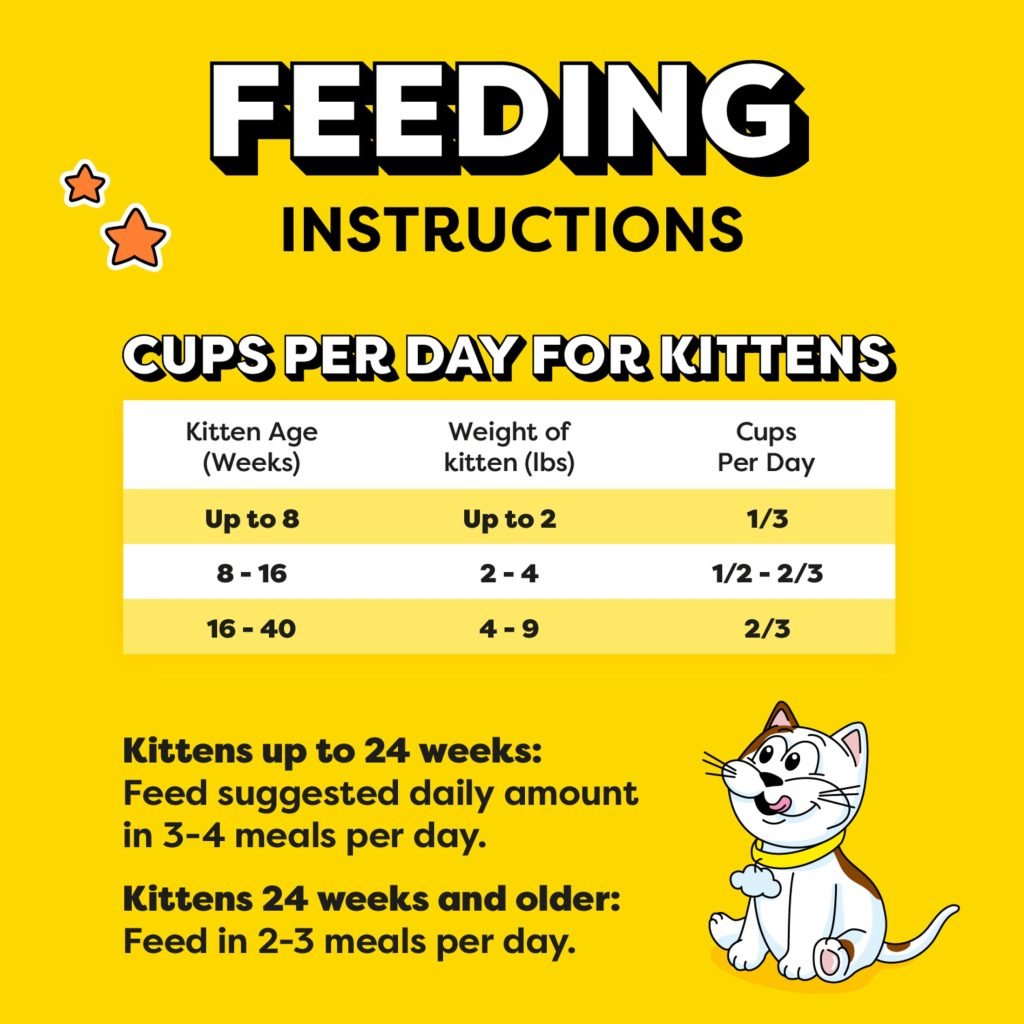
Kittens grow fast and burn a lot of energy. They need more calories and nutrients for growth. Feeding them wet food several times a day is best. Kittens usually eat about three to four small meals daily.
Adult cats need fewer calories than kittens. Their growth slows down and energy needs drop. Feeding adult cats once or twice a day is enough. Portion size depends on their weight and health.
Active Vs Sedentary Cats
Active cats burn more calories. They play, jump, and explore often. These cats need more wet food to keep energy levels high. You may need to feed them slightly larger portions or add snacks.
Sedentary cats move less and burn fewer calories. They can gain weight if they eat too much. Feeding smaller amounts helps keep their weight steady. Monitor their activity and adjust food portions carefully.
Reading Wet Food Labels
Reading wet cat food labels helps you feed your cat the right amount daily. Labels hold key details about calories and nutrients. Understanding these makes feeding easier and healthier for your cat.
Calories Per Can
Check the calorie count on the label. Cats need a certain calorie amount each day. Calories per can tell you how much energy your cat will get. Use this to decide how many cans to feed daily.
Nutritional Content
Look for protein, fat, and moisture percentages. Protein supports muscle and energy. Fat provides essential fatty acids and calories. Moisture helps keep your cat hydrated. Other nutrients like vitamins and minerals keep your cat healthy.
Mixing Wet And Dry Food
Mixing wet and dry cat food can be a great way to provide your cat with a balanced diet that meets all their nutritional needs. It also adds variety to their meals, which can keep them interested and excited about eating. However, figuring out the right balance and portion sizes can be tricky.
Balancing Nutrients
Wet and dry foods offer different benefits. Wet food has higher moisture content, which helps with hydration, especially if your cat doesn’t drink much water. Dry food, on the other hand, often contains more carbohydrates and can help keep your cat’s teeth cleaner.
When mixing the two, you need to ensure your cat still gets enough protein, fats, and essential vitamins. Check the labels on both foods to compare their nutritional content. You don’t want to overload on carbs or miss out on important nutrients.
Have you noticed your cat prefers one type over the other? Sometimes cats naturally balance their diet if you leave both out. But if your cat tends to eat more dry food, you might need to boost the wet food portion to keep nutrients balanced.
Adjusting Portions
Start by calculating your cat’s daily calorie needs based on their weight, age, and activity level. Then, split those calories between wet and dry food. For example, if your cat needs 250 calories a day, you might give 150 calories from wet food and 100 from dry.
Use measuring cups or a kitchen scale to portion the food accurately. Overfeeding can lead to obesity, while underfeeding can cause nutritional deficiencies. If your cat gains or loses weight, adjust the portions accordingly.
Remember, consistency is key. Sudden changes in food amount or type can upset your cat’s stomach. Try mixing the foods gradually over a week or two and observe how your cat responds.
Signs Of Overfeeding And Underfeeding
Knowing the signs of overfeeding and underfeeding your cat is crucial to keep them healthy and happy. Wet cat food is nutritious, but feeding the right amount daily is key. Watch closely for physical and behavioral changes—they often tell you more than you think.
Weight Changes
One of the clearest signs of overfeeding is noticeable weight gain. If your cat’s waistline is expanding or they seem heavier when you pick them up, it’s time to adjust their portions. Overweight cats risk diabetes, joint problems, and a shorter lifespan.
On the flip side, weight loss can signal underfeeding. If your cat’s ribs become visible or they seem thinner, their daily wet food amount might be too low. Sudden or continuous weight loss is a red flag that needs attention from your vet.
Behavioral Indicators
Behavior can reveal a lot about whether your cat is getting enough food. Overfed cats might become lazy or less playful since excess calories can reduce their energy. You might notice them sleeping more or showing less interest in toys.
Underfed cats often act restless or vocalize more, begging for food. They may pace around their feeding area or seem anxious. If your cat constantly searches for food or appears irritable, consider if their wet food servings meet their needs.

Credit: whitedogbone.com
Feeding Frequency Tips
Knowing how often to feed your cat wet food can make a big difference in their health and happiness. Feeding frequency affects digestion, energy levels, and even your cat’s mood. Let’s dive into some practical tips to help you set a feeding routine that fits your cat’s needs and your lifestyle.
Meal Scheduling
Consistency is key when it comes to meal times. Cats thrive on routine, so try to feed your cat wet food at the same times each day. Many cat owners find that dividing the daily portion into two or three meals helps keep their cat satisfied and prevents overeating.
Think about your own daily schedule. Can you realistically feed your cat twice a day, morning and evening? If you work long hours, consider using an automatic feeder or asking a friend to help with midday meals.
Ask yourself: Is your cat active or more sedentary? Active cats often benefit from more frequent, smaller meals to keep their energy steady throughout the day.
Portion Control Strategies
Measuring the right amount of wet food is crucial to avoid both underfeeding and overfeeding. Use a kitchen scale or measuring cup to portion out each meal precisely. Avoid guessing, as it’s easy to give too much or too little.
Watch your cat’s weight and adjust portions accordingly. If your cat starts gaining or losing weight, tweak the amount of food rather than the frequency first. Small adjustments often work better and keep your cat’s digestive system happy.
Try mixing wet food with a little dry kibble for variety and to control calorie intake. This can also encourage your cat to eat slower and feel fuller longer.
Consulting Your Veterinarian
Talking to your veterinarian is one of the best steps you can take to decide how much wet cat food your pet needs each day. Cats have very specific dietary needs that can change with age, health, and lifestyle. Your vet can offer personalized advice that fits your cat’s unique situation.
Health Considerations
Every cat is different, and health issues can affect how much food they should eat. Conditions like kidney disease, diabetes, or obesity require special attention to diet. Your vet will check your cat’s health and may recommend adjusting feeding amounts to avoid worsening any problems.
Think about your cat’s energy level and weight too. A very active cat burns more calories and may need more food, while a less active or senior cat might need less. Have you noticed changes in your cat’s behavior or weight? These clues are important to share with your vet.
Custom Feeding Plans
Your veterinarian can create a feeding plan tailored just for your cat. This plan considers factors like age, weight, activity, and any health concerns. It might include specific daily portions, feeding times, and even the type of wet food best suited for your cat.
Some cats do better with multiple small meals, while others thrive on two or three feedings a day. Your vet’s advice can help you find the right balance. Have you ever tried adjusting meal sizes or times based on your cat’s mood or appetite? Your vet’s input can make those adjustments safer and more effective.
Credit: stellarnook.com
Frequently Asked Questions
How Much Wet Cat Food Should I Feed Daily?
The daily amount depends on your cat’s weight, age, and activity. Generally, feed 3-4 ounces per 5 pounds of body weight. Always check the feeding guidelines on the wet food label for accuracy.
Can Feeding Too Much Wet Cat Food Harm Cats?
Yes, overfeeding wet cat food can lead to obesity and digestive issues. Monitor portion sizes and adjust based on your cat’s health and weight goals.
How Often Should I Feed Wet Cat Food Each Day?
Feed adult cats two to three small meals daily. Kittens may require more frequent feeding, about four times a day, to meet their energy needs.
Is Wet Cat Food Enough For A Balanced Diet?
Wet food provides hydration and nutrients but may lack some essentials. Combining wet food with dry food or supplements ensures a balanced diet.
Conclusion
Feeding your cat the right amount of wet food helps keep them healthy. Cats need different amounts based on their size and age. Check the food label for daily feeding guidelines. Watch your cat’s weight and adjust food if needed.
Fresh water should always be available alongside wet food. Feeding the proper portion supports good digestion and energy. Keep an eye on your cat’s health and ask a vet if unsure. Feeding wet cat food correctly makes a big difference in their happiness.
Simple steps lead to a happy, healthy cat every day.
