

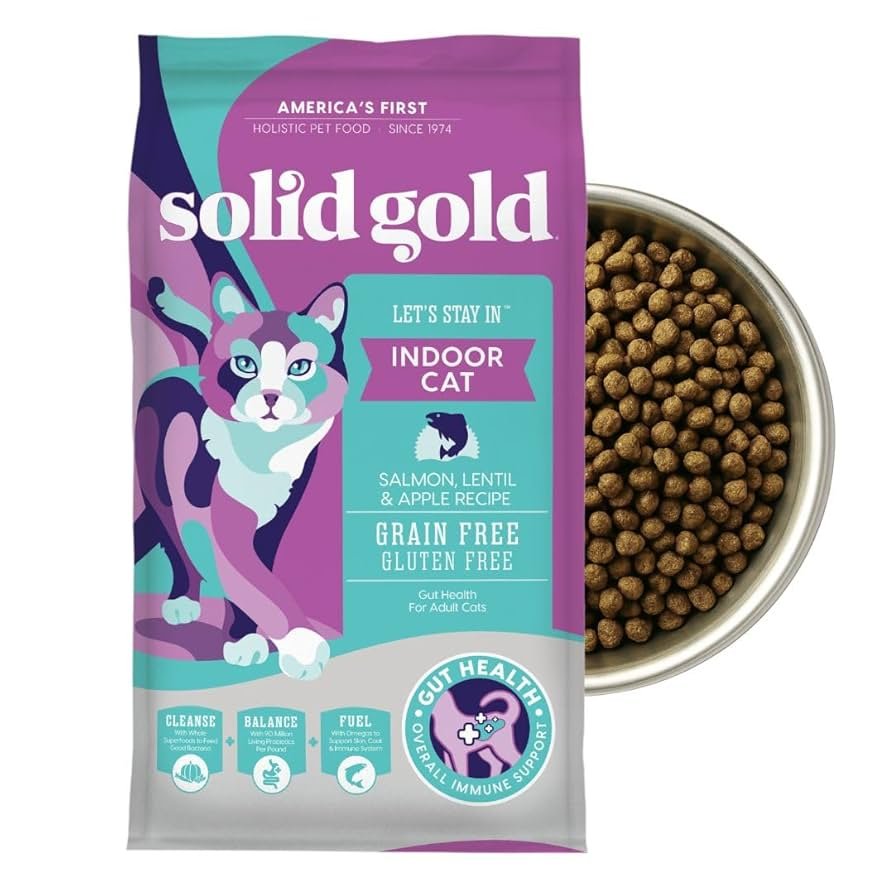
Are you looking for ways to improve your cat’s digestion and overall health? Adding more fiber to your cat’s diet could be the simple change you need.
Fiber helps keep your cat’s digestive system running smoothly, supports weight management, and can even reduce hairballs. But how do you find the right cat food with more fiber that your furry friend will actually enjoy? Keep reading to discover everything you need to know about fiber-rich cat food and how it can make a big difference in your cat’s life.
Benefits Of High-fiber Cat Food
Adding more fiber to your cat’s diet can bring noticeable changes to their health and well-being. High-fiber cat food helps address common issues like digestive troubles and weight control. If you’ve ever watched your cat struggle with irregular bowel movements or excess weight, fiber might be the simple solution you need.
Improved Digestion
Fiber acts like a broom in your cat’s digestive system, helping to move food smoothly through the intestines. This reduces the chances of constipation or diarrhea, which many cats suffer from. Have you noticed your cat having trouble with their litter box habits? A fiber-rich diet can often fix these problems quickly.
Weight Management
High-fiber cat food helps your cat feel full without adding extra calories. This is especially useful if your cat tends to overeat or is prone to obesity. By keeping your cat satisfied longer, fiber helps prevent snacking and supports a healthy weight. Have you tried adjusting your cat’s diet to control their weight but struggled with their hunger?
Enhanced Gut Health
Fiber feeds the good bacteria in your cat’s gut, creating a balanced environment that supports overall health. A healthy gut can improve your cat’s immune system and even boost their energy levels. If your cat seems sluggish or frequently sick, improving their gut health with fiber might be a key step.
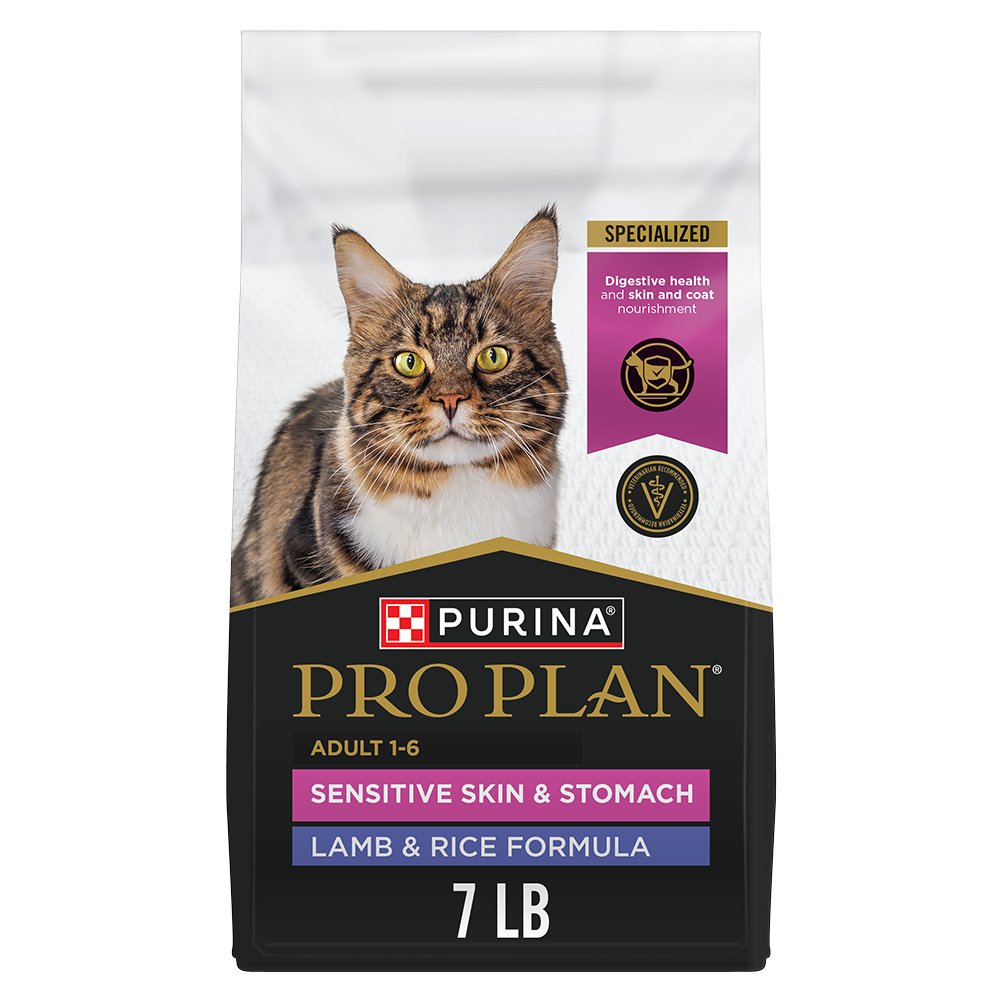
Credit: www.purina.com
Types Of Fiber In Cat Food
Fiber plays a key role in a cat’s diet. It supports digestion and helps maintain a healthy weight. Different types of fiber offer unique benefits. Understanding these types helps choose the right cat food with more fiber.
Soluble Fiber Sources
Soluble fiber dissolves in water and forms a gel-like substance. It slows digestion and helps regulate blood sugar. Common sources include:
- Oats
- Barley
- Beets
- Apples (in small amounts)
- Psyllium husk
Soluble fiber also feeds good bacteria in the gut. This supports a healthy digestive system and improves nutrient absorption.
Insoluble Fiber Sources
Insoluble fiber does not dissolve in water. It adds bulk to the stool and helps food move smoothly through the intestines. Common sources include:
- Cellulose
- Pea fiber
- Wheat bran
- Carrot pulp
This fiber type promotes regular bowel movements. It can prevent constipation and support overall gut health.
Natural Vs. Added Fiber
Natural fiber comes from whole ingredients in cat food. Examples are fruits, vegetables, and grains. These offer vitamins and minerals along with fiber.
Added fiber is included separately during processing. Common forms are purified cellulose or beet pulp. These boost fiber content without extra calories.
Both types have benefits. Natural fiber provides more nutrients. Added fiber ensures consistent fiber levels in the food.
Signs Your Cat Needs More Fiber
Fiber plays a key role in your cat’s health. It helps keep their digestive system running smoothly and supports healthy weight. Some cats may need extra fiber in their diet. Signs can show that your cat’s food lacks enough fiber. Watch for these changes to know if your cat needs more fiber.
Digestive Issues
Constipation or diarrhea often signal low fiber intake. Cats may strain during bowel movements or have irregular stools. Fiber helps regulate digestion and eases bowel movements. Without enough fiber, your cat may feel discomfort or pain in their stomach.
Weight Concerns
Sudden weight gain or loss can relate to fiber levels. Fiber adds bulk without extra calories, helping cats feel full. If your cat seems hungry all the time or gains weight quickly, fiber might be lacking. Weight loss with poor appetite can also mean digestive troubles that fiber could help.
Changes In Stool Quality
Look for stool that is too hard, dry, or loose. Fiber absorbs water and adds softness to stool. If your cat’s stools change texture or smell foul, fiber may be too low. Consistent stool changes are a clear sign to adjust fiber in their diet.

Credit: www.amazon.com
Top High-fiber Cat Food Ingredients
Fiber plays a key role in your cat’s diet. It supports healthy digestion and helps maintain regular bowel movements. Choosing cat food with high-fiber ingredients can improve your pet’s overall well-being. Some ingredients provide fiber naturally and are gentle on your cat’s stomach.
Pumpkin And Squash
Pumpkin and squash are rich in soluble fiber. They help regulate digestion and ease constipation. These vegetables also contain vitamins that support your cat’s immune system. Many cat foods add pumpkin or squash as a natural fiber source.
Beet Pulp
Beet pulp is a common fiber ingredient in cat food. It contains insoluble fiber, which adds bulk to the stool. This helps your cat pass waste more easily. Beet pulp also promotes healthy gut bacteria, improving digestion.
Psyllium Husk
Psyllium husk is a powerful fiber source. It absorbs water and forms a gel-like substance in the intestines. This softens stool and supports smooth bowel movements. Psyllium husk is helpful for cats with digestive issues or hairball problems.
Choosing The Right Fiber-rich Cat Food
Choosing the right fiber-rich cat food is essential for your cat’s digestive health and overall well-being. Not all fiber sources are the same, and the right balance can make a huge difference. It’s important to understand how to identify quality fiber content and ensure it fits your cat’s unique needs.
Reading Labels
Labels can be confusing, but they hold the key to finding good fiber-rich cat food. Look for ingredients like beet pulp, pumpkin, or psyllium husk, which are common sources of healthy fiber.
Check the guaranteed analysis for crude fiber content—anything between 3% to 7% is usually suitable depending on your cat’s condition. Avoid foods with excessive fillers like corn or wheat, which add fiber but offer little nutritional value.
Consulting Your Veterinarian
Your vet knows your cat’s health history and can guide you on the right fiber levels. If your cat has digestive issues or weight concerns, fiber needs might be different.
Ask your vet about the best fiber sources and the ideal amount for your cat’s diet. This advice can prevent trial and error, saving you time and money.
Balancing Fiber With Other Nutrients
Fiber is important, but it shouldn’t overshadow other essential nutrients. Cats need protein, fats, vitamins, and minerals to stay healthy.
Too much fiber can reduce nutrient absorption or cause digestive upset. Make sure your cat’s food provides a balanced mix, supporting both fiber needs and overall nutrition.
Homemade Fiber Boosters For Cats
Homemade fiber boosters offer a natural way to improve your cat’s digestion. Including fiber in your cat’s diet helps maintain bowel health and prevents constipation. Preparing fiber-rich additions at home allows control over ingredients and freshness. It also supports cats who need extra fiber without switching commercial food.
Adding Vegetables Safely
Many vegetables contain fiber but some can harm cats. Choose safe options like pumpkin, carrots, and green beans. Cook vegetables until soft for easy digestion. Avoid onions, garlic, and leeks as they are toxic. Start with small amounts and watch for any reactions. Always chop finely or puree to prevent choking. Mixing vegetables into wet food works well for picky eaters.
Fiber Supplements
Fiber supplements can boost your cat’s diet without changing food type. Psyllium husk and ground flaxseed are popular natural choices. Add just a pinch mixed into meals. Too much fiber may cause diarrhea or gas. Consult a vet before starting supplements. Use supplements with no added sugar or artificial ingredients.
Portion Control Tips
Fiber is good but too much can upset your cat’s stomach. Introduce fiber gradually over several days. Keep track of daily fiber amounts. Use a kitchen scale for accuracy. Balance fiber with protein and fat in meals. Avoid sudden changes in diet to reduce stress. Watch your cat’s weight and energy levels for signs of imbalance.
Potential Risks Of Excess Fiber
Feeding cats food with extra fiber can help with digestion and weight control. Still, too much fiber can cause problems. Understanding these risks helps keep your cat healthy and happy.
Digestive Discomfort
Too much fiber may upset your cat’s stomach. It can cause gas, bloating, and diarrhea. Some cats might also experience constipation. These issues happen because their digestive system struggles with excess fiber. Watch for signs like a swollen belly or frequent trips to the litter box.
Nutrient Absorption Issues
High fiber levels can block important nutrients. Fiber may bind to vitamins and minerals, making them harder to absorb. This can lead to deficiencies in essential nutrients. Cats might lose energy or have dull fur. Balanced fiber intake ensures your cat gets enough nutrients.
Monitoring Your Cat’s Response
Observe your cat closely after changing their diet. Check for changes in stool, appetite, and energy. Keep track of any digestive problems. Consult a vet if discomfort lasts or worsens. Adjust fiber amounts based on your cat’s needs.

Credit: www.walmart.com
Frequently Asked Questions
What Are The Benefits Of Cat Food With More Fiber?
Cat food with more fiber helps improve digestion and prevent hairballs. It supports healthy weight and regulates bowel movements. Fiber also aids in controlling blood sugar levels. Overall, it promotes better gut health and keeps your cat feeling fuller longer.
Which Fiber Types Are Best For Cats?
Soluble fibers like beet pulp and psyllium are excellent for cats. They ferment in the gut and support healthy bacteria. Insoluble fibers like cellulose add bulk to stool. A mix of both types ensures balanced digestion and optimal nutrient absorption.
Can High-fiber Cat Food Help With Weight Management?
Yes, high-fiber cat food promotes fullness and reduces overeating. Fiber slows digestion, making cats feel satisfied longer. This helps manage weight by controlling calorie intake. It’s a natural and safe way to support healthy weight loss or maintenance.
How Much Fiber Should A Cat’s Diet Contain?
Cats typically need about 2-4% fiber in their diet. Too much fiber can cause digestive upset. Consult your vet to find the right fiber level for your cat’s health and lifestyle. Balanced fiber ensures proper digestion without discomfort.
Conclusion
Choosing cat food with more fiber supports your pet’s digestion and health. Fiber helps keep their bowel movements regular and may prevent constipation. It also aids in weight management by making cats feel full longer. Always check labels for fiber content and quality ingredients.
Consult your vet to find the best option for your cat’s needs. A balanced diet with fiber keeps your cat happy and active. Small changes in food can make a big difference over time. Healthy cats mean happier homes.
