

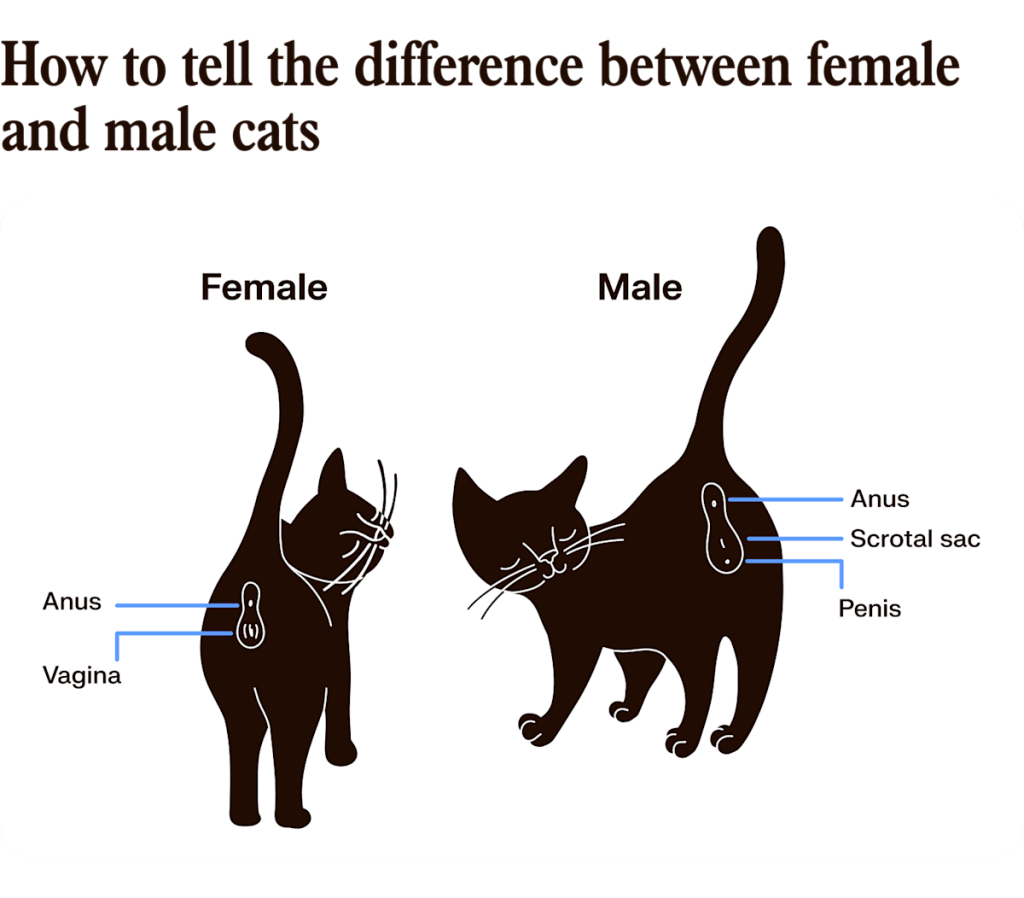
Have you ever wondered if male cats go in heat like females do? If you’ve noticed unusual behavior in your male cat and aren’t sure why, you’re not alone.
Understanding how male cats behave during mating seasons can help you take better care of your furry friend. You’ll discover the truth about male cats and heat cycles, what signs to watch for, and how to manage their behavior. Keep reading to learn what every cat owner needs to know!
Male Cat Reproductive Cycle
The male cat reproductive cycle differs greatly from the female’s heat cycles. Male cats do not experience “heat” like females. Instead, their reproductive behavior depends on hormonal changes and sexual maturity. Understanding these factors helps explain why male cats act the way they do.
Hormonal Changes In Males
Testosterone is the main hormone driving male cat behavior. It increases as the cat grows and reaches sexual maturity. Higher testosterone levels cause males to become more territorial and aggressive. They also start to show interest in female cats. This hormonal surge triggers mating behaviors such as spraying and vocalizing.
Unlike females, males do not have cycles of hormone peaks and lows. Their hormone levels stay relatively steady once mature. This means their reproductive drive can last year-round, not just in seasons.
Sexual Maturity Timeline
Male cats reach sexual maturity between 5 and 12 months of age. This varies by breed and health. Early maturing males may start showing mating behaviors as young as five months. Others may take up to a year.
Once mature, males can father kittens anytime. Their reproductive system is ready for breeding without needing a heat cycle. Owners may notice increased spraying, roaming, and fighting as signs of maturity.

Credit: www.youtube.com
Heat Behavior In Female Cats
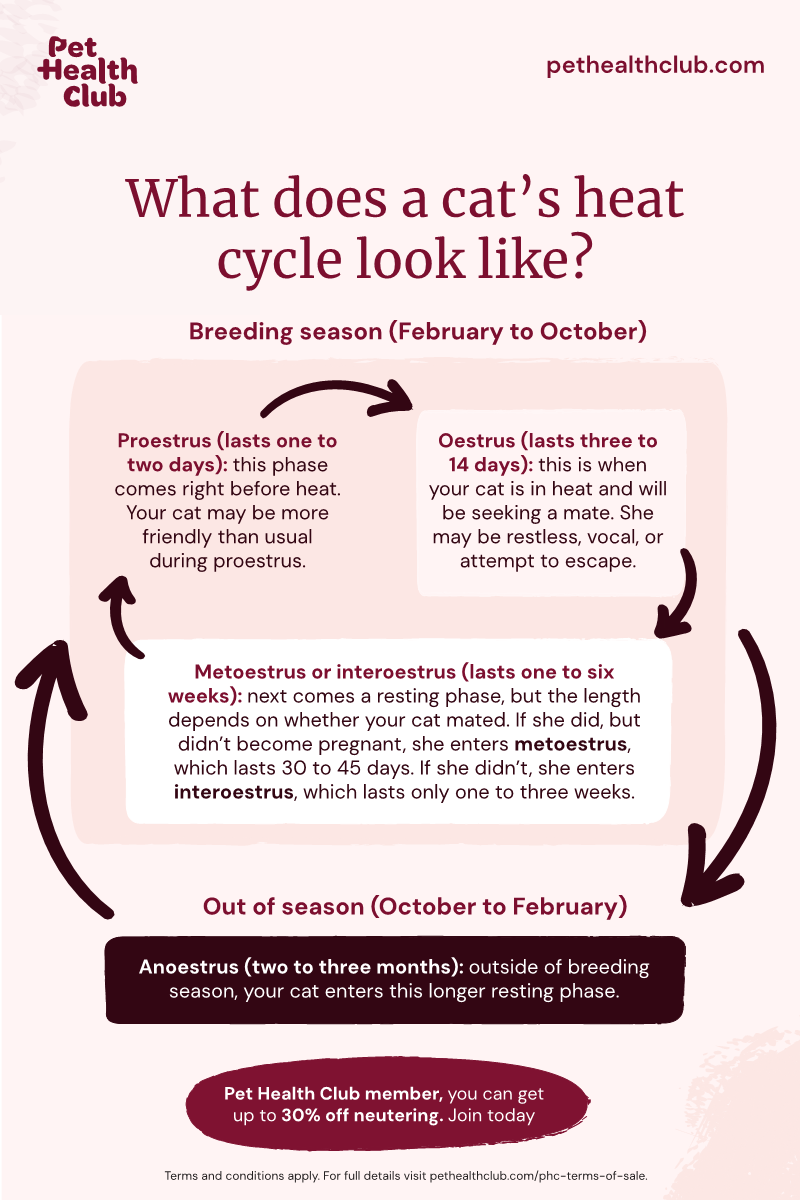
Female cats experience a natural cycle called estrus, or heat. This is the time they are fertile and ready to mate. Their behavior changes noticeably during this period. Understanding heat behavior helps pet owners care better for their cats and recognize when they need attention.
Signs Of Estrus
During heat, female cats show clear signs. They may:
- Become very vocal, with loud meowing or yowling
- Rub their body against furniture or people more often
- Raise their hindquarters and move their tail to the side
- Act restless or pace around frequently
- Try to escape outside in search of a mate
- Show increased affection and seek more attention
These behaviors help signal their readiness to mate. Each cat may show different signs or intensity.
Frequency And Duration
Female cats go into heat several times a year. The cycle depends on factors like season and light exposure.
| Aspect | Details |
|---|---|
| Heat Frequency | Every 2 to 3 weeks during breeding season |
| Heat Duration | About 4 to 7 days per cycle |
| Breeding Season | Spring through fall in most regions |
Outside the breeding season, heat signs usually disappear. Some cats may show heat behaviors year-round, especially indoors.
Do Male Cats Experience Heat?
Many cat owners wonder if male cats go through heat cycles like females. The answer is no. Male cats do not experience heat in the way female cats do. Their reproductive behavior is different but still driven by hormones. Understanding these differences helps explain male cat behavior better.
Differences From Female Heat Cycles
Female cats have clear heat cycles called estrus. These cycles cause changes in mood and behavior. Females show loud vocalizing, restlessness, and affectionate behavior. They also display physical signs like raising their hindquarters and rolling on the floor.
Male cats do not have these cycles. They do not become “in heat.” Instead, their hormones trigger different behaviors. Males respond to females in heat by becoming more active and alert. Their behavior depends on the presence of a female nearby.
Male Sexual Behavior Patterns
Male cats show sexual behavior mainly through scent marking and roaming. They spray strong-smelling urine to mark their territory. This signals to females that they are ready to mate.
Male cats often roam far from home in search of females. This can lead to loud yowling and aggressive behavior toward other males. Their sexual drive is constant, not cyclical like females.
- Increased restlessness
- Frequent yowling
- Marking territory with urine
- Fighting or aggression with other males
- Roaming long distances
These actions help males attract mates. Neutering usually reduces or stops these behaviors. It lowers hormone levels and calms the cat. Understanding male cat behavior helps owners manage and care for their pets better.

Credit: felinefancy.co.uk
Common Male Cat Behaviors Related To Mating
Male cats display specific behaviors linked to mating instincts. These actions help them attract females and establish dominance. Understanding these behaviors clarifies why male cats act differently during mating seasons.
Marking Territory
Male cats mark their territory with strong-smelling urine. This scent signals other cats to stay away. It also shows readiness to mate. Marking can happen on walls, furniture, and outdoor areas.
This behavior helps males protect their space from rivals. It is common in unneutered cats. Marking increases during mating seasons as competition rises.
Vocalizations And Restlessness
Male cats become louder to attract females. They make yowling or loud meowing sounds. These calls can last for several minutes. Restlessness often follows, with pacing and pacing around the house.
This vocal activity is a form of communication. It lets females know a male is nearby and ready to breed. Restlessness shows the cat’s excitement and desire to find a mate.
Aggression And Roaming
Aggression may increase in male cats during mating times. They may fight with other males to win females. This behavior protects their chances of mating.
Roaming is another common behavior. Males travel farther from home to find females. Roaming raises the risk of injury or getting lost. Neutering reduces aggression and roaming in male cats.
Impact Of Neutering On Male Behavior
Neutering significantly affects male cat behavior, altering many instincts driven by hormones. Once neutered, male cats often show less aggression and a decreased urge to roam. Understanding these changes can help you manage your cat’s behavior more effectively and create a calmer home environment.
Behavioral Changes Post-neutering
After neutering, many male cats become noticeably less territorial. They stop spraying strong-smelling urine to mark their space. This reduction in marking is a relief for many cat owners dealing with unpleasant odors around the house.
Neutered cats usually show less aggression toward other cats and even people. You might notice your cat is more relaxed and less likely to get into fights. This change happens because neutering lowers testosterone levels, which drive competitive and aggressive behavior.
Some cats may also become less restless. Without the urge to find a mate, they often stay closer to home, reducing the risk of accidents or getting lost. Have you ever worried about your cat disappearing for days? Neutering can help prevent that.
Benefits Of Neutering
- Health Improvements:Neutering reduces the risk of certain cancers and infections in male cats.
- Population Control:It helps prevent unwanted litters, easing the burden on animal shelters.
- Cost Savings:Fewer vet visits for injuries or illnesses related to mating behavior can save you money.
- Longer Life:Neutered cats often live longer because they avoid risky behaviors.
Imagine fewer vet bills and a calmer feline friend at home. These benefits are worth considering if you want a happier cat and less stress for yourself. What changes would you notice in your cat’s behavior after neutering?
Credit: www.pethealthclub.com
Managing Intact Male Cats
Managing intact male cats can be a challenge, especially since they don’t experience heat like females but still display strong mating instincts. These natural behaviors can lead to marking territory, aggression, and restlessness. Understanding how to handle these behaviors makes life easier for both you and your cat.
Behavioral Training Tips
Start by setting clear boundaries for your cat. Use gentle but firm commands when he exhibits unwanted behavior such as spraying or excessive vocalizing.
Reward good behavior with treats or affection to encourage positive habits. Consistency is key—cats respond best when they know what to expect.
If your cat shows aggression, distract him with toys or redirect his energy to playtime. Have you noticed how a simple laser pointer can shift focus in seconds?
Environmental Enrichment
Providing plenty of stimulation at home helps reduce stress and unwanted behaviors. Add scratching posts, climbing shelves, and interactive toys to keep your cat busy.
Rotate toys regularly to maintain your cat’s interest. Even a cardboard box can become a playground when combined with a little creativity.
Consider pheromone diffusers designed to calm male cats. These subtle scents can create a more peaceful atmosphere, reducing territorial marking and anxiety.
Frequently Asked Questions
Do Male Cats Experience Heat Cycles?
No, male cats do not experience heat cycles. Heat, or estrus, occurs only in female cats during their reproductive phase.
How Do Male Cats Behave During Mating Season?
Male cats become more territorial and vocal. They may spray urine and seek out females in heat.
Can Male Cats Go Into Heat Like Females?
Male cats do not go into heat. They respond to females in heat but do not have cycles themselves.
What Signs Show A Male Cat Is Ready To Mate?
Signs include increased restlessness, vocalizing, marking territory, and trying to escape to find females.
Conclusion
Male cats do not go in heat like females do. Instead, they may show signs of restlessness or vocalizing when they sense a female in heat nearby. Neutering helps reduce these behaviors and keeps your cat calm. Understanding male cat behavior helps you care for them better.
Remember, every cat is different, so watch your pet closely. Caring for your cat means knowing their needs and habits well.
