

Feeding your cat the right amount of wet food can feel tricky. Too little, and your furry friend might stay hungry.
Too much, and you risk overfeeding, which can lead to health problems. Wouldn’t it be great if you had a simple way to know exactly how much wet food to give your cat every day? That’s where a wet food calculator comes in.
You’ll discover how to use this handy tool to keep your cat healthy and happy—without the guesswork. Keep reading to find out how easy it is to get your cat’s feeding just right!

Credit: thelittlecarnivore.com
Factors Affecting Wet Food Quantity
Determining the right amount of wet food for your cat depends on several key factors. Each cat is unique, and its feeding needs can vary widely. Understanding these factors helps you provide balanced meals that support your cat’s health and happiness.
Cat’s Age And Weight
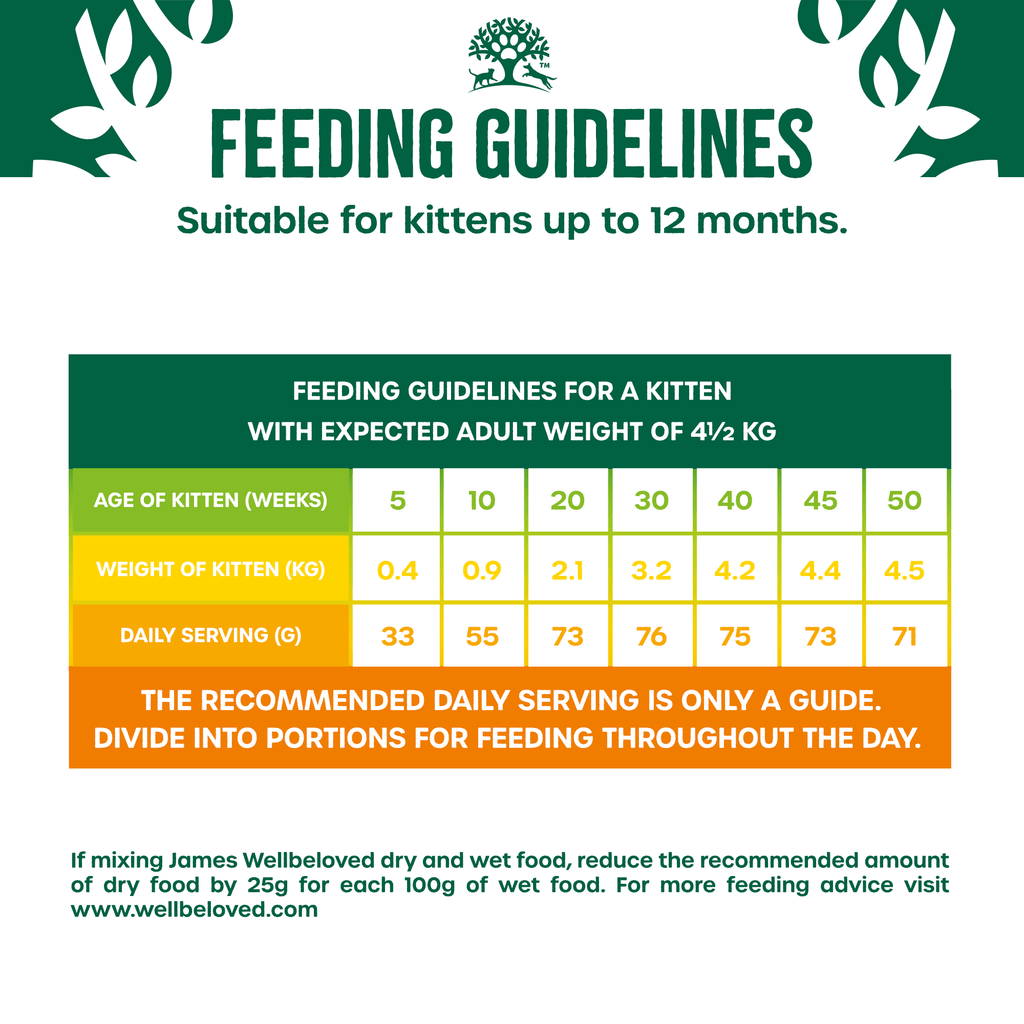
Kittens need more calories for growth than adult cats. Older cats often require fewer calories due to lower activity. Weight also matters. Overweight cats need smaller portions. Underweight cats may need extra food to gain health.
Activity Level
Active cats burn more energy and need more food. Indoor cats tend to be less active and require fewer calories. Outdoor cats or cats that play often need increased portions to stay energetic.
Health Conditions
Health issues change feeding needs. Cats with diabetes or kidney problems may need special diets. Always consult a vet for food amounts if health concerns exist. Adjusting portions helps manage these conditions better.
Type Of Wet Food
Different wet foods have varying calorie counts. Grain-free or high-protein foods may be more calorie-dense. Check the label for calories per serving. Feeding amounts should match the food’s energy content to avoid overfeeding or underfeeding.
Calculating Wet Food Amount
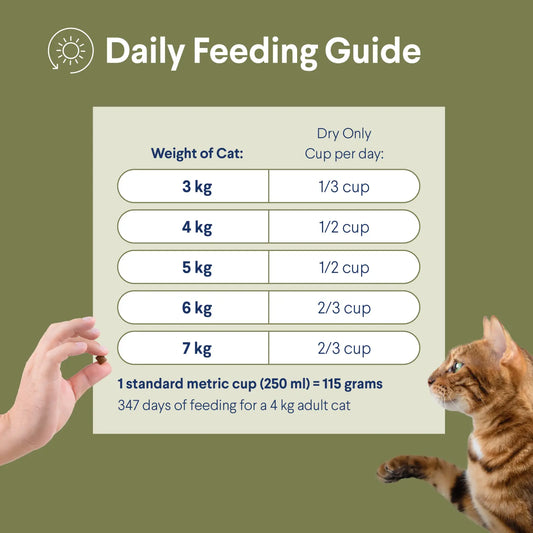
Calculating the right amount of wet food for your cat ensures they get the proper nutrition. Feeding too much or too little can affect their health. Understanding how to measure portions helps maintain your cat’s ideal weight and energy levels. Use the cat food calculator as a helpful tool to find the right balance.
Daily Caloric Needs
Every cat has unique energy needs based on age, weight, and activity. Use your cat’s ideal weight to estimate calories needed daily. Most adult cats require about 20 calories per pound of body weight. Adjust this number for kittens, seniors, or very active cats. Feeding the right calories helps avoid weight gain or loss.
Reading Wet Food Labels
Wet food labels show calories per serving or per can. Look for “calories” or “kcal” on the packaging. Some labels list calories per ounce or per gram. Use this info to match your cat’s daily calorie needs. Check the serving size to see how much food equals one portion. This makes portioning easier and more accurate.
Adjusting Portions
Start feeding the recommended portion from the calculator or label. Watch your cat’s weight and energy for a few weeks. If your cat gains weight, reduce portions slightly. If they lose weight or seem hungry, increase the amount. Small changes keep your cat healthy and happy. Always provide fresh water alongside wet food.
Using A Wet Food Calculator
Using a wet food calculator helps determine the right amount of food for your cat. It takes the guesswork out of feeding and supports your cat’s health. This tool adjusts portions based on your cat’s weight, age, and activity level. It ensures your cat gets enough nutrition without overeating.
Input Required Information
Start by entering your cat’s weight. Add the age to refine the portion size. Choose the activity level, such as low, moderate, or high. Some calculators may ask for your cat’s breed or health conditions. Provide accurate data for precise results.
Interpreting Results
The calculator shows the recommended daily amount of wet food. This amount usually appears in grams or cans. It may also break down portions by meal times. Use this guide to feed your cat consistently each day. Adjust as your cat’s weight or activity changes.
Tips For Accuracy
- Weigh your cat regularly to update the data.
- Use a kitchen scale to measure food precisely.
- Note any changes in your cat’s behavior or health.
- Check the calorie content on the food label.
- Consult your vet if unsure about the feeding amount.
Feeding Schedules And Frequency
Establishing the right feeding schedule and frequency is key to your cat’s health. Cats thrive on routine, and consistent meal times help regulate their digestion and energy levels. Wet food feeding needs to fit your cat’s lifestyle and health needs. This section explains how to set meal timing, decide the number of meals, and monitor your cat’s food intake effectively.
Meal Timing
Feed your cat at the same times every day. Cats like predictability, which lowers stress and encourages eating. Most cats do well with morning and evening meals. Keep meal times about 8 to 12 hours apart. Avoid leaving wet food out for too long to prevent spoilage.
Number Of Meals Per Day
Two meals a day suit many adult cats. Kittens and older cats may need three or more smaller meals daily. Divide the total daily wet food amount into these meals. Smaller, frequent meals help with digestion and keep your cat’s energy steady. Adjust meal counts based on your cat’s age, weight, and activity.
Monitoring Intake
Watch how much your cat eats at each meal. Note if your cat leaves food behind or seems hungry. Track weight regularly to see if feeding amounts are right. Use a feeding calculator to adjust portions as needed. Consistent monitoring helps avoid overfeeding or underfeeding your cat.
Common Feeding Mistakes
Feeding your cat the right amount of wet food can be trickier than it seems. Many cat owners unknowingly make common feeding mistakes that affect their pet’s health and happiness. Understanding these pitfalls helps you avoid problems and make better choices for your furry friend.
Overfeeding Risks
Giving your cat too much wet food can lead to quick weight gain and obesity. Overfeeding often happens because of free-feeding or offering too many treats alongside meals.
Obesity increases the risk of diabetes, joint pain, and heart problems in cats. Have you noticed your cat gaining weight despite regular feeding? It might be time to measure portions carefully and stick to a feeding schedule.
Underfeeding Signs
On the other hand, feeding too little wet food can leave your cat hungry and weak. Signs of underfeeding include constant begging, weight loss, and low energy levels.
If your cat appears lethargic or their coat looks dull, it’s a warning to check if they’re getting enough nutrition. Are you unsure if your cat’s portion size meets their needs? Using a wet food calculator can help you find the right balance.
Mixing Wet And Dry Food
Many cat owners mix wet and dry food without adjusting portions, leading to over or underfeeding. The calorie content differs greatly between wet and dry food, so feeding the same volume of each can cause imbalance.
Mixing foods without proper calculation may confuse your cat’s appetite signals, making it harder to maintain a healthy weight. Do you track how much total food your cat eats daily? Using a calculator designed for combined feeding helps keep portions accurate and your cat satisfied.
Credit: petfood.advancepet.com.au
Adjusting Food Amount Over Time
Adjusting the amount of wet food a cat needs is important as time passes. Cats’ bodies and needs change constantly. Feeding the right portion helps keep them healthy and happy. It also prevents overfeeding or underfeeding. Regularly check and update your cat’s food amount.
Growth And Aging
Kittens need more food for their fast growth. Their portions should increase as they get bigger. Adult cats need stable portions to maintain their weight. Older cats often eat less due to slower metabolism. Adjust food portions to match each life stage.
Weight Changes
Monitor your cat’s weight every few weeks. If your cat gains too much weight, reduce the food amount. If your cat loses weight, increase the portion gradually. Weight changes can show health issues or wrong feeding amounts. Use a scale to track progress accurately.
Activity Shifts
Active cats burn more calories and need more food. Less active or indoor cats require smaller portions. Changes in playtime or outdoor access affect food needs. Adjust feeding based on daily activity levels. Always observe your cat’s energy to guide portion sizes.
Credit: www.petscare.com
Frequently Asked Questions
How Much Wet Food Should I Feed My Cat Daily?
The amount depends on your cat’s weight, age, and activity level. Use the calculator to find precise daily portions based on calories needed. Typically, adult cats eat about 3-4 ounces of wet food per 5 pounds of body weight daily.
Can A Wet Food Calculator Prevent Overfeeding My Cat?
Yes, it helps avoid overfeeding by providing accurate portion sizes. Feeding the right amount prevents obesity and related health issues. The calculator adjusts portions based on your cat’s needs, ensuring balanced nutrition.
Does The Wet Food Calculator Consider Cat’s Age And Weight?
Absolutely. The calculator factors in your cat’s age, weight, and activity. These details help estimate calories required and portion sizes for optimal health. Adjust portions as your cat grows or changes activity levels.
How Often Should I Update Wet Food Portions For My Cat?
Update portions whenever your cat’s weight, age, or activity changes. Regular updates ensure your cat gets the right nutrition. Use the calculator monthly or after vet checkups for best results.
Conclusion
Feeding your cat the right amount of wet food helps keep them healthy. Use the calculator to find the best portion size. Watch your cat’s weight and energy for signs of good health. Adjust food amounts as your cat grows or changes activity.
Balanced feeding supports a happy, active pet. Keep meals regular and fresh. Simple steps make cat care easier every day.
