


Have you ever wondered if rabbits and cats can live together peacefully? If you have both pets or are thinking about bringing a new furry friend into your home, this question is probably on your mind.
Understanding how these two very different animals interact can save you a lot of stress and help create a happy environment for everyone. Keep reading, and you’ll discover the surprising truth about whether rabbits get along with cats—and what you can do to make their relationship work.
Rabbits And Cats As Pets
Rabbits and cats often share homes as beloved pets. Both animals bring joy and companionship but have different needs and habits. Understanding these differences helps create a peaceful environment. Proper care and attention support good relationships between rabbits and cats.
Common Traits Of Rabbits
- Rabbits are gentle and timid animals.
- They enjoy quiet spaces to feel safe.
- Rabbits are social but can be shy around strangers.
- They need regular exercise and a healthy diet.
- Rabbits communicate through body language, like ear and nose movements.
Typical Cat Behavior
- Cats are curious and often playful.
- They have hunting instincts and may chase small animals.
- Cats can be independent but enjoy affection from owners.
- They mark territory by rubbing their face or scratching.
- Cats use vocal sounds and body language to express feelings.
Pet Compatibility Factors
Rabbits and cats can live together if introduced carefully. Key factors include:
- Temperament: Calm cats fit better with shy rabbits.
- Supervision: Always watch their first interactions closely.
- Safe spaces: Each pet needs a place to retreat.
- Training: Teach cats not to chase or harm rabbits.
- Health: Keep both pets clean and check for stress signs.
Natural Instincts Of Both Animals
Rabbits and cats have very different natural instincts. These instincts shape how they behave and react around each other. Understanding these instincts helps us see why rabbits and cats may or may not get along. Each animal has strong drives that come from their wild ancestors. These drives influence their social life and survival tactics.
Rabbit Social Behavior
Rabbits are social animals. They live in groups and communicate with each other. They use body language and soft sounds to show feelings. Rabbits like safety in numbers and often stay close to their group.
They are prey animals, so they stay alert. Rabbits watch for danger and run to hide quickly. They prefer calm and quiet environments. Sudden movements or loud noises can scare them easily.
Cat Hunting Instincts
Cats are natural hunters. Their instincts push them to chase small animals. Cats use keen senses to detect movement and sounds. They often stalk and pounce as part of their hunting behavior.
Even well-fed cats keep their hunting habits. This is part of their nature. Cats may see small animals like rabbits as prey, especially if the rabbit moves fast or makes noise.
How Instincts Influence Interaction
Rabbits’ fear and cats’ hunting drive can cause tension. A rabbit might freeze or run if it feels threatened by a cat. The cat may respond by chasing or pawing at the rabbit.
Some cats show less hunting drive and can live peacefully with rabbits. Calm cats and relaxed rabbits have better chances to get along. Slow introductions and safe spaces reduce stress for both.
Respecting these instincts helps create a safer home for rabbits and cats together.
Signs Of Positive Interaction
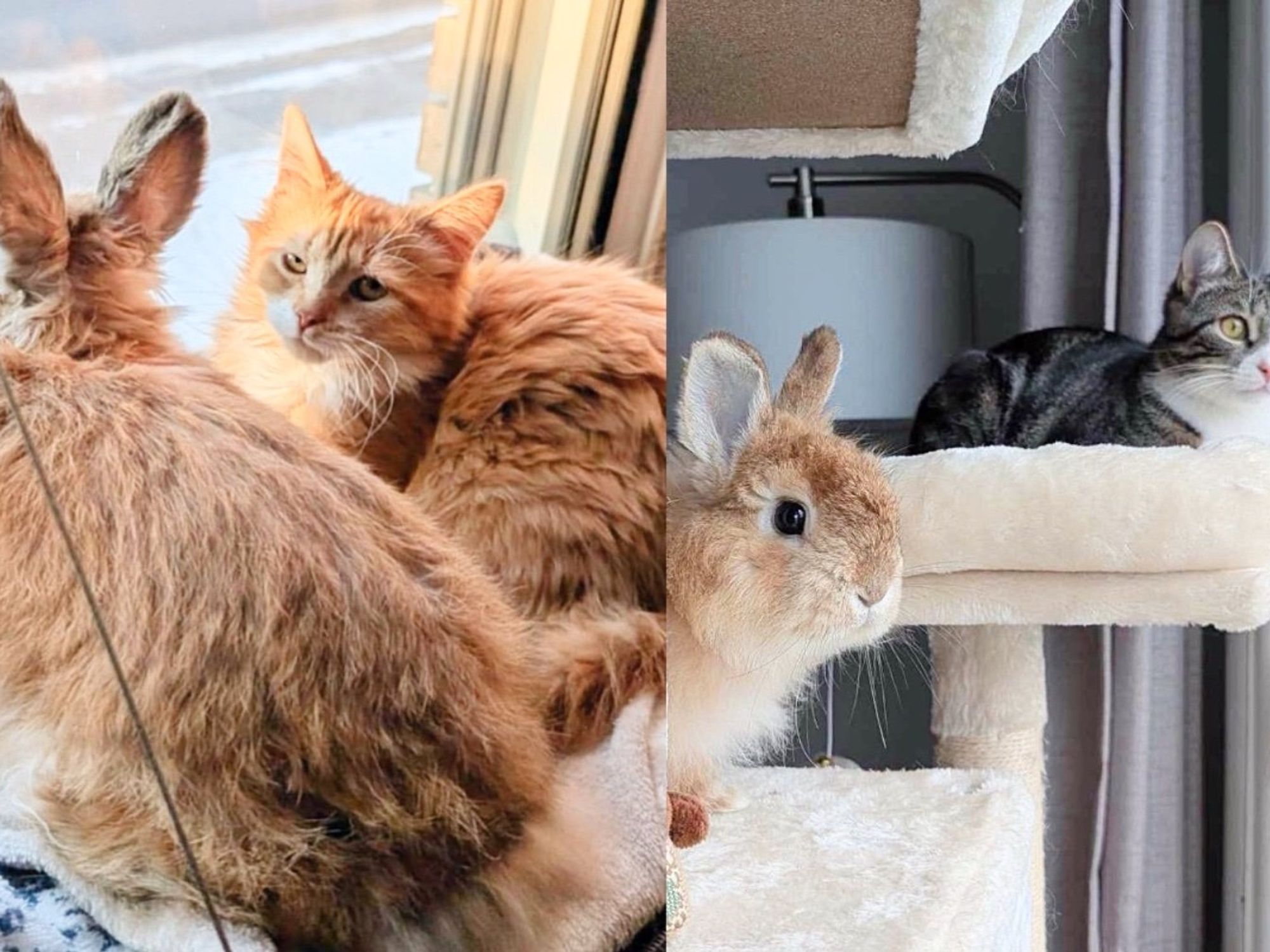
Recognizing signs of positive interaction helps ensure rabbits and cats live peacefully. These signs show comfort, trust, and friendship. Observing their behavior closely reveals how well they get along. Understanding these signals helps owners support their bond.
Body Language To Watch
- Relaxed posture in both animals indicates calmness.
- Slow blinking from cats shows trust and contentment.
- Rabbits lying down with ears relaxed signals comfort.
- Gentle sniffing or nose touches mean curiosity without threat.
- Absence of raised fur or tense muscles is a good sign.
- Soft grooming motions from either pet express affection.
Examples Of Friendly Behavior
- Sharing resting spots without signs of stress or aggression.
- Playing gently together or showing interest in each other’s movements.
- Rabbits approaching cats without fear or retreating quickly.
- Cats sitting quietly near rabbits without chasing or pouncing.
- Both animals engaging in mutual grooming or close contact.
- Calm vocalizations like purring or soft grunts from rabbits.
Benefits Of Their Bond
Positive interaction reduces stress for both pets. They feel safer and more relaxed together. The companionship helps prevent loneliness and boredom. Their bond can encourage gentle play and exercise. It also creates a peaceful home atmosphere. Owners enjoy watching their pets form a unique friendship.
Credit: www.lovemeow.com
Challenges In Rabbit-cat Relationships
Introducing rabbits and cats can be tricky. They have different instincts and ways of communicating. Rabbits are prey animals. Cats are natural hunters. This difference can cause tension and misunderstandings. Knowing the challenges helps create a safer, calmer space for both pets.
Potential Conflicts
Cats may chase rabbits due to their hunting instinct. Rabbits might feel threatened and run away. This can lead to stress or injury. Rabbits can also be territorial and may nip or scratch cats. Both animals may compete for attention or space. Conflicts often arise from fear or confusion.
Stress Signals In Rabbits
Rabbits show stress in quiet ways. They may thump their back legs to warn danger. Freezing or hiding is another sign. Rapid breathing or grinding teeth signals discomfort. Watch for changes in eating or grooming habits. Recognizing these signals helps prevent serious problems.
Managing Cat Curiosity
Cats are curious about rabbits. They may paw at cages or follow rabbits around. Keep rabbits in secure, cat-proof areas. Use barriers like baby gates or closed rooms. Provide toys and attention to distract cats. Training cats to stay calm is important. Patience and consistency work best.
Tips For Introducing Rabbits To Cats
Introducing rabbits to cats requires patience and care. A smooth introduction helps both animals feel safe. It reduces stress and builds trust between them. Follow simple tips to create a positive start.
Safe Introduction Techniques
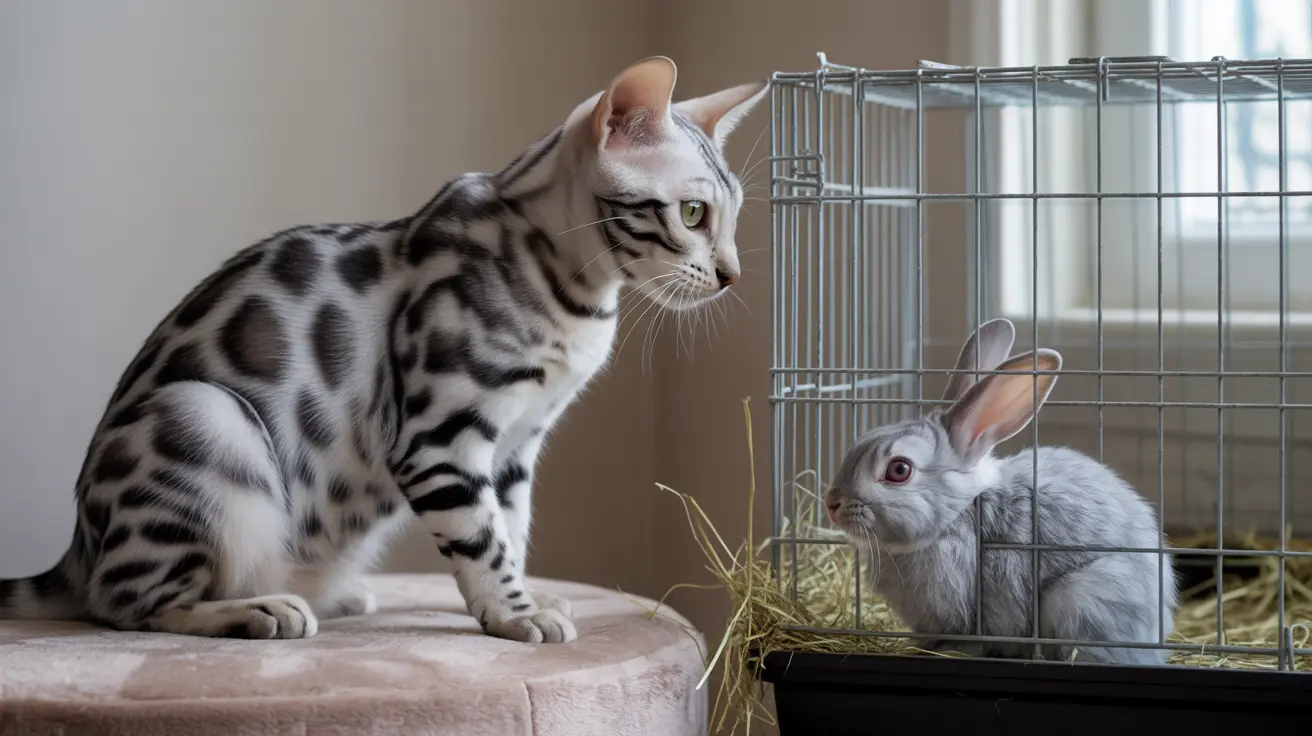
- Keep the rabbit in a secure cage at first.
- Let the cat see the rabbit from a distance.
- Allow both pets to sniff each other’s scent on cloth.
- Gradually bring them closer over several days.
- Use calm voices and gentle movements to avoid startling.
Supervised Interaction Guidelines
- Always watch their first meetings closely.
- Stop interaction if either pet shows fear or aggression.
- Keep sessions short and positive.
- Reward calm behavior with treats and praise.
- Never leave them alone together until fully comfortable.
Creating A Comfortable Environment
- Provide hiding spots for both animals.
- Ensure the rabbit has a safe space to retreat.
- Keep food and water separate for each pet.
- Use soft bedding and familiar toys to reduce stress.
- Maintain a quiet area free from loud noises.
Credit: www.petscare.com
Long-term Coexistence Strategies
Long-term coexistence between rabbits and cats requires careful planning and attention. Both animals have different behaviors and needs. Ensuring they live together peacefully demands consistent effort. Proper strategies help prevent stress and aggression. They also promote a safe environment for both pets.
Maintaining Boundaries
Create clear spaces for each pet. Rabbits need quiet areas away from cats. Use barriers like gates or playpens to separate them. Let the rabbit have a safe retreat at all times. Avoid forcing interactions. Respect each animal’s space to reduce tension.
Monitoring Behavior Changes
Watch both pets for signs of stress or aggression. Changes in eating, grooming, or activity might signal problems. Cats may show stalking or chasing behaviors. Rabbits might freeze or thump their feet. Early detection of issues helps prevent fights. Keep a close eye on their body language.
When To Separate Pets
Separate pets immediately if aggressive behavior occurs. Scratching, biting, or chasing can cause injury. If either animal seems scared or stressed, give them space. Long-term stress harms health and wellbeing. Use separate rooms or enclosures if needed. Safety is the top priority for happy coexistence.
Owner Experiences And Stories
Hearing from pet owners who have navigated the challenge of introducing rabbits and cats offers valuable, real-world insight. Their stories reveal what works, what doesn’t, and how patience and observation play a huge role. These experiences help you anticipate potential hurdles and encourage a smoother transition for your own furry companions.
Successful Rabbit-cat Friendships
One owner shared how her cat and rabbit became inseparable after months of careful introduction. She started by letting them sniff each other’s bedding before any face-to-face meeting. Gradually, supervised playtime turned into relaxed cuddling sessions.
Another pet parent noted the importance of respecting each animal’s personality. Her shy rabbit needed quiet spaces, while the curious cat thrived on gentle interaction. Over time, they found a balance that kept both happy and stress-free.
Lessons From Difficult Cases
Not every story is smooth. A pet owner recounted how her cat’s natural hunting instincts caused initial fear in her rabbit. Despite slow introductions, the rabbit remained anxious and hid often.
In another case, a rabbit’s territorial behavior triggered cat aggression. The owner had to separate them for months to avoid stress and injury. This shows that not all rabbits and cats will get along, and safety must come first.
Advice From Pet Owners
- Start slow:Introduce your pets gradually to avoid overwhelming them.
- Supervise interactions:Never leave your rabbit and cat alone until you’re sure they are comfortable together.
- Provide escape routes:Make sure your rabbit has places to hide and retreat to when needed.
- Observe body language:Watch for signs of stress or aggression in both animals and adjust accordingly.
- Be patient:Building trust takes time, sometimes weeks or even months.
Could your rabbit and cat become friends with the right approach? These stories suggest that success depends on understanding, patience, and constant care. What small steps will you take today to encourage peace between your pets?

Credit: www.allthingsrabbits.com
Frequently Asked Questions
Do Rabbits And Cats Naturally Get Along?
Rabbits and cats can get along if properly introduced. Their behavior depends on individual temperaments and early socialization. Supervised interactions help build trust and reduce stress for both pets.
How To Safely Introduce A Rabbit To A Cat?
Introduce them slowly in a neutral space. Keep the cat on a leash or behind a barrier. Allow short, calm meetings and watch for signs of stress or aggression.
Can Cats Harm Rabbits?
Yes, cats may harm rabbits if they see them as prey. Always supervise interactions and never leave them alone until fully comfortable with each other.
What Signs Show Rabbits And Cats Are Comfortable Together?
Signs include relaxed body language, gentle sniffing, and calm behavior. Both pets should appear curious but not fearful or aggressive during meetings.
Conclusion
Rabbits and cats can live together peacefully. It takes time and patience to help them bond. Always watch their first meetings closely. Give each pet its own space to feel safe. Respect their personalities and let them set the pace.
Many rabbits and cats enjoy each other’s company. With care, they can become good friends. Remember, every pet is different. Enjoy the journey of their friendship.
