


Have you ever wondered if your cat can safely enjoy a bite of bacon? You might be tempted to share that crispy, savory treat with your furry friend, but is it really a good idea?
Understanding what cats can and cannot eat is crucial for keeping them healthy and happy. Keep reading to discover the surprising facts about cats and bacon—and what you should know before offering this popular snack to your pet.
Cats And Meat Preferences
Cats are known for their picky eating habits. Their meat preferences show unique traits tied to their biology and instincts. Understanding these preferences helps us know if foods like bacon suit them. Cats do not eat like dogs or humans. Their taste buds and dietary needs focus mainly on meat, but not all types are equal.
Natural Diet Of Cats
Cats are obligate carnivores. This means they must eat meat to survive. Their bodies need specific nutrients found only in animal tissues. Taurine, an essential amino acid, is one such nutrient. Without it, cats can suffer serious health problems.
In the wild, cats hunt small animals. Birds, rodents, and insects make up their natural diet. These foods provide balanced nutrients. Domestic cats retain these instincts even with commercial cat food.
Attraction To Meat Smells
Cats rely heavily on smell to choose food. The aroma of cooked meat attracts them more than the taste itself. Strong, fatty odors like bacon can be very tempting. Yet, this does not mean all meats are healthy or safe for cats.
Smell triggers their appetite and signals food quality. The scent of bacon is rich and smoky. Cats may show interest but should eat it only in small amounts. Too much salt, fat, or seasoning can harm their health.
Bacon Ingredients And Nutritional Content
Bacon is a popular treat for many people, but what exactly is it made of? Understanding the ingredients and nutritional content of bacon helps you decide if it’s a suitable snack for your cat or just for your own plate. Let’s break down what goes into bacon and what nutrients it provides.
What Makes Up Bacon
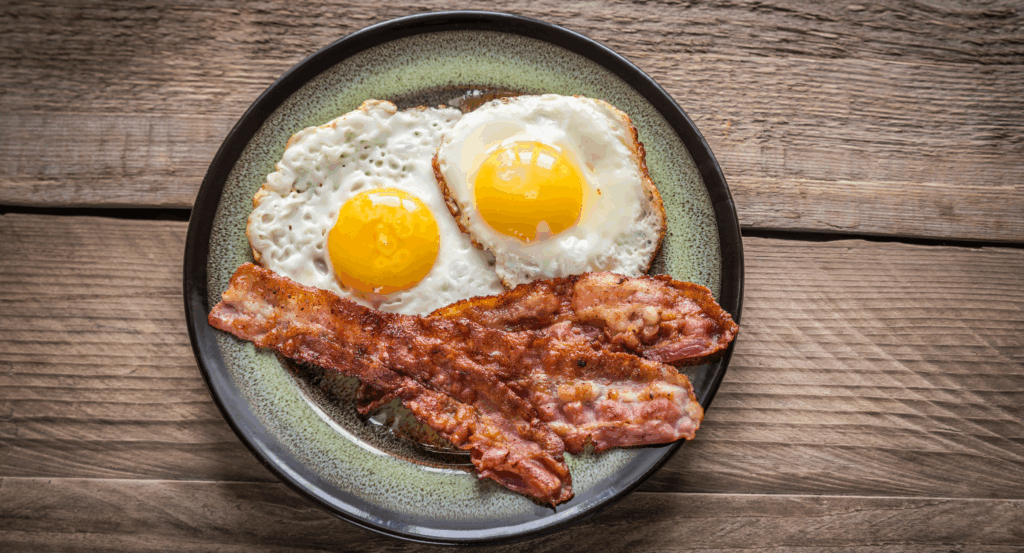
Bacon is typically made from pork belly or back cuts. The meat is cured using salt and often sugar, which preserves it and adds flavor.
Additional ingredients might include:
- Nitrates or nitrites to keep the bacon fresh
- Smoke flavor, either from wood or artificial sources
- Sometimes spices or sweeteners like maple or honey
These additives can affect both the taste and health impact of bacon. Have you ever checked the bacon package to see what’s really inside?
Nutritional Value For Humans
Bacon is high in fat and protein, making it a dense energy source. A typical 3-slice serving contains around:
| Nutrient | Amount |
|---|---|
| Calories | 120-150 |
| Protein | 9-12 grams |
| Fat | 10-12 grams (mostly saturated and unsaturated) |
| Sodium | 400-600 mg |
While bacon offers protein, its high salt and fat content raise concerns, especially for pets. You might wonder if giving your cat even a small piece is safe or harmful.
Is Bacon Safe For Cats?
Bacon might seem like a tasty treat for cats, but it raises safety questions. Cats have unique dietary needs that differ from humans. Understanding if bacon fits into their diet is important. The answer involves looking at bacon’s ingredients and how cats process them.
Potential Health Risks
Bacon contains high fat and salt levels. Cats eating too much fat can develop pancreatitis. This is a painful inflammation of the pancreas. It can cause vomiting and loss of appetite. Too much fat also leads to obesity. Obesity can cause diabetes and joint problems. Even a small amount of bacon can upset a cat’s stomach.
Effects Of Salt And Fat
Salt in bacon is much higher than what cats need. Excess salt can cause dehydration and kidney strain. Cats are sensitive to salt and can get sick from it. Fat is another concern. Fatty foods slow digestion and can cause diarrhea. Cats need a balanced diet, not fatty snacks. Bacon’s salt and fat levels are too intense for cats.
Additives And Preservatives Concerns
Bacon contains additives like nitrates and preservatives. These chemicals help preserve bacon but can harm cats. Nitrates may cause digestive issues and other health problems. Some preservatives can cause allergic reactions. Cats have delicate digestive systems that do not handle chemicals well. Feeding bacon risks exposing cats to harmful substances.

Credit: www.reddit.com
Feeding Bacon To Cats: Guidelines
Feeding bacon to cats is a topic many pet owners wonder about. While bacon might seem like a tasty treat, it’s important to understand the right way to offer it, if at all. These guidelines help you keep your cat safe and happy while considering bacon as an occasional snack.
Moderation And Frequency
Bacon is high in fat and salt, which can upset your cat’s stomach if given too often. Treat bacon as an occasional indulgence rather than a regular part of their diet.
Offering a tiny piece once in a while is enough. Ask yourself, is this snack adding nutritional value or just empty calories?
Preparation Tips
Always cook bacon thoroughly to avoid any bacteria or parasites. Avoid seasoning or adding spices, as these can harm your cat.
Cut bacon into small, manageable pieces to prevent choking. Removing excess grease helps reduce fat intake, making it safer for your furry friend.
Alternatives To Bacon
If you want to treat your cat, consider healthier options like plain cooked chicken or turkey. These provide protein without the high fat and salt content found in bacon.
Commercial cat treats are designed to be safe and tasty. Why risk health issues when better choices are available?
Signs Of Bacon-related Health Issues In Cats
Bacon may seem like a tasty treat for cats, but it can cause health problems. Knowing the signs of bacon-related issues helps protect your cat. Early detection keeps your pet safe and healthy.
Common Symptoms To Watch For
- Vomiting or nausea
- Diarrhea or loose stools
- Excessive thirst or urination
- Lethargy or weakness
- Loss of appetite
- Abdominal pain or bloating
- Rapid breathing or coughing
- Unusual behavior or restlessness
When To See A Vet
Seek veterinary help if your cat shows any symptoms after eating bacon. Persistent vomiting or diarrhea needs urgent care. Difficulty breathing or severe weakness requires immediate attention. Don’t wait for symptoms to worsen. Quick action can prevent serious health complications.
Credit: www.earthbornholisticpetfood.com
Safe Treats For Cats
Choosing safe treats for your cat is essential to keep them healthy and happy. Not all human foods are suitable for feline friends, so knowing what to offer can make a big difference. You want treats that satisfy their cravings without causing harm or digestive issues.
Healthy Meat Options
Meat is a natural favorite for most cats, but not every type is safe or healthy. Lean cooked chicken, turkey, and small amounts of cooked fish are great choices. Avoid seasoning or adding oils, as these can upset your cat’s stomach.
Have you ever noticed how your cat reacts to plain boiled chicken? Many cats love it, and it’s easy on their digestion. Bacon, on the other hand, is high in fat and salt, which can be dangerous in larger amounts or frequent feeding.
Offering small pieces of lean meat occasionally can be a rewarding treat. It’s a safer alternative and provides protein without unnecessary additives. Remember, moderation is key to avoid unbalancing their diet.
Commercial Cat Treats
Commercial cat treats are formulated to meet your pet’s nutritional needs while satisfying their taste buds. Look for treats with real meat listed as the first ingredient and minimal fillers. Avoid treats with artificial colors, flavors, or excessive preservatives.
One tip is to read labels carefully and choose brands trusted by veterinarians. Many cats enjoy crunchy treats, but soft, chewy options can be easier for older cats to handle. Have you tried rotating different types to see which your cat prefers?
Remember, treats should never replace a balanced cat food diet. Use them to reward good behavior or add variety to mealtime, but keep portions small. Your cat will thank you with purrs and playful energy.
Credit: www.earthbornholisticpetfood.com
Frequently Asked Questions
Do Cats Naturally Eat Bacon?
Cats are obligate carnivores, but bacon is not a natural part of their diet. It is high in fat and salt, which can be harmful if consumed often.
Is Bacon Safe For Cats To Eat?
Bacon is not toxic but is unsafe for cats if eaten regularly. It can cause digestive upset and long-term health issues.
How Often Can Cats Eat Bacon Safely?
Cats should only have bacon as an occasional treat, if at all. Frequent feeding can lead to obesity and pancreatitis.
What Are The Risks Of Feeding Bacon To Cats?
Feeding bacon risks include high sodium, fat content, and preservatives. These can cause dehydration, obesity, and heart problems in cats.
Conclusion
Cats can eat bacon, but only in small amounts. Bacon is salty and fatty, which can upset their stomach. Treats should never replace a cat’s regular food. Always watch your pet after giving new foods. Choosing healthy snacks helps keep cats strong and happy.
Remember, their main diet needs to be balanced and safe. When in doubt, ask a vet for advice. Keep your cat’s health as a top priority. Simple care makes a big difference every day.
