

Are you unsure about how much dry food to feed your cat each day? Feeding the right amount is more important than you might think.
Too little can leave your furry friend hungry and low on energy, while too much can lead to weight gain and health problems. You’ll discover simple, practical tips to find the perfect portion size for your cat. Keep reading to make sure your pet stays happy, healthy, and full of life.
Credit: shop.addictionpet.com
Factors Influencing Cat Food Quantity
Determining the right amount of dry food for your cat isn’t a one-size-fits-all situation. Several factors affect how much your feline friend needs daily. Understanding these can help you tailor feeding portions to keep your cat healthy and happy.
Age And Life Stage
Kittens need more calories per pound than adult cats because they are growing rapidly. A young cat’s metabolism is higher, so their food intake should reflect that energy demand.
Senior cats, on the other hand, often require fewer calories due to decreased activity and slower metabolism. Have you noticed your older cat eating less or gaining weight? Adjusting portion sizes based on age can prevent health issues.
Weight And Body Condition
Is your cat underweight, overweight, or just right? This directly impacts how much dry food you should provide.
For an overweight cat, reducing portion sizes and switching to a lower-calorie food might be necessary. Conversely, a cat that’s too thin could benefit from increased portions or nutrient-rich options.
Activity Level
Active cats burn more calories and may need extra food to fuel their energy. If your cat enjoys playtime or outdoor adventures, you might need to increase their daily dry food amount.
Less active or indoor-only cats often require less food to avoid unnecessary weight gain. Consider how much your cat moves around before deciding on portion sizes.
Health Considerations
Health issues like diabetes, kidney disease, or food allergies can affect how much and what type of dry food your cat should eat.
Your vet can guide you if your cat has special dietary needs. Ignoring health conditions when feeding can lead to bigger problems down the road.
Credit: www.chewy.com
Daily Feeding Recommendations
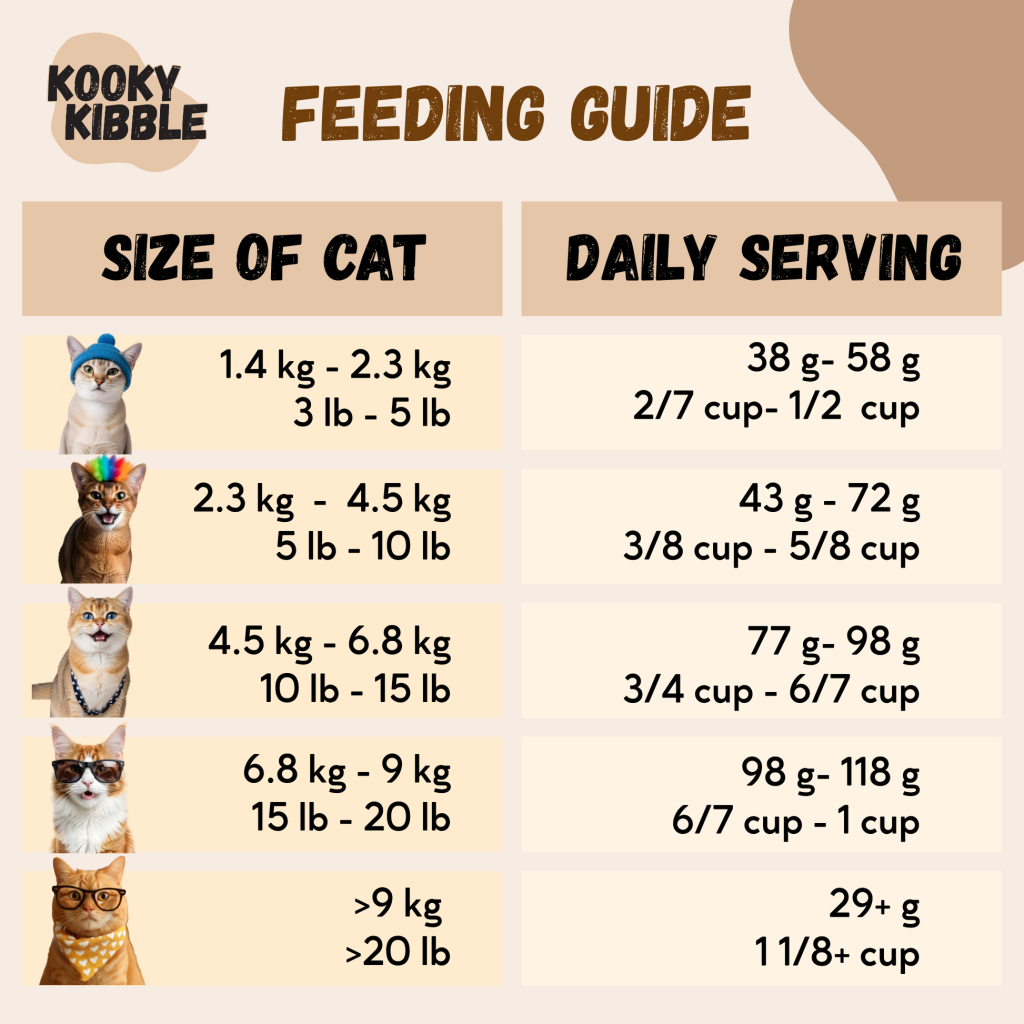
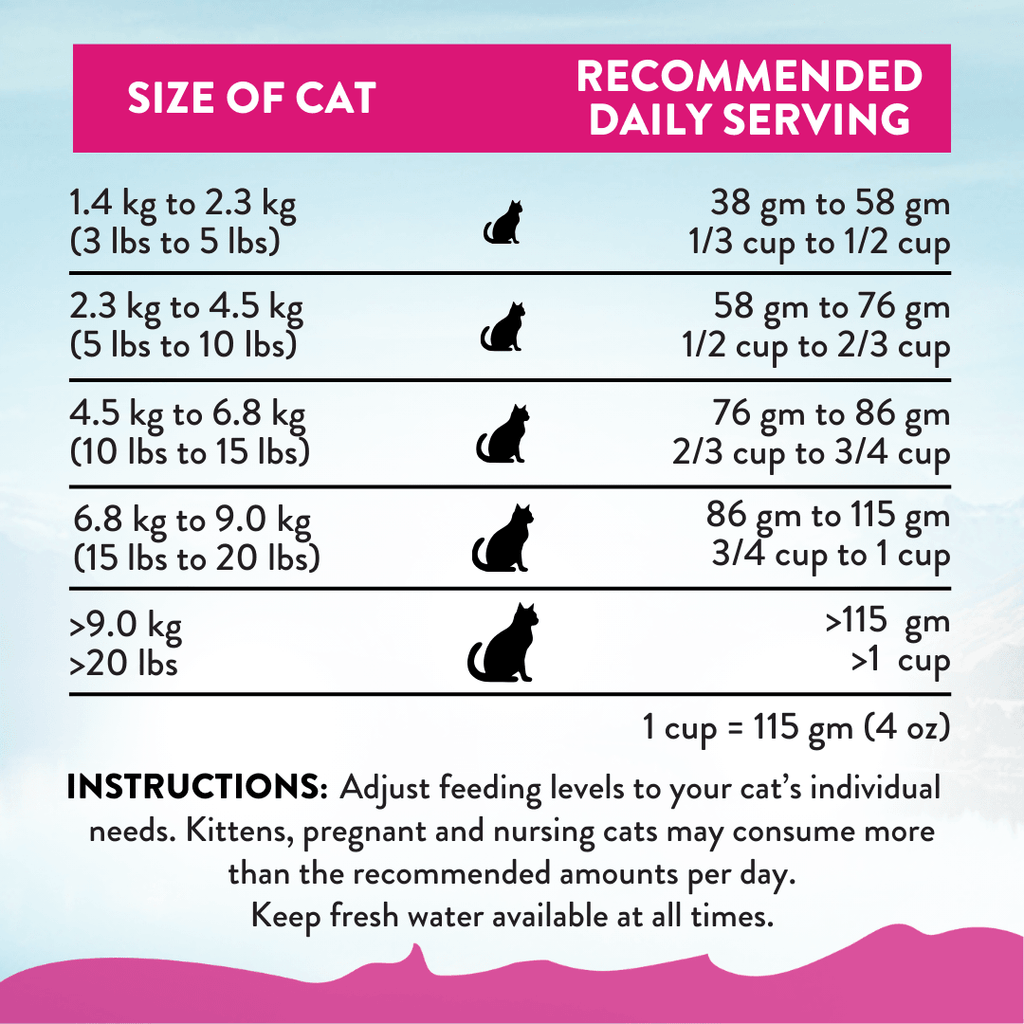
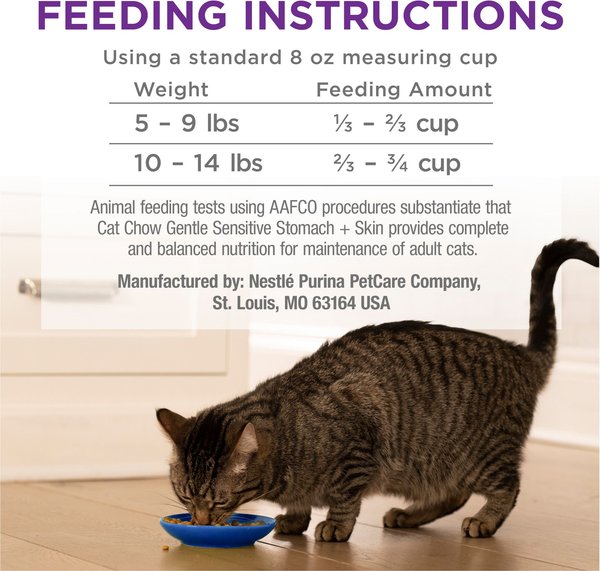
Daily feeding recommendations help you find the right balance to keep your cat healthy and happy. Feeding too much dry food can lead to weight gain, while too little might leave your cat hungry and undernourished. Understanding how much to feed involves looking at general portion sizes, your cat’s lifestyle, and the guidelines on the packaging.
General Portion Sizes
Most adult cats need between 20 to 30 grams of dry food per kilogram of their body weight each day. For example, a 4 kg cat typically requires around 80 to 120 grams of dry food daily. You can split this amount into two or more meals to keep your cat satisfied throughout the day.
Keep in mind that kittens, pregnant cats, and seniors will have different needs. Always adjust based on your cat’s age and health condition.
Adjusting For Indoor Vs Outdoor Cats
Your cat’s activity level plays a big role in how much dry food to provide. Outdoor cats tend to burn more calories and may need up to 20% more food than indoor cats. If your cat spends most of its time indoors, consider feeding slightly less to prevent weight gain.
Watch your cat’s weight regularly. If your indoor cat gains extra pounds, try reducing the portion size or adding playtime to increase activity.
Using Feeding Guidelines On Packaging
Feeding guidelines on cat food packaging are a useful starting point. These recommendations are based on average needs but may not fit every cat perfectly. Use them as a baseline, then adjust based on your cat’s response and body condition.
Check the label for calorie content and serving suggestions. If your cat seems hungry or overweight, tweak the portions accordingly. Have you noticed any difference in your cat’s energy or weight after changing the food amount?
Measuring Dry Food Accurately
Measuring dry cat food accurately is key to your cat’s health. Proper portions help keep your cat fit and avoid weight gain. Using the right tools and techniques ensures your cat gets the right amount every time. Small mistakes in measuring can lead to overfeeding or underfeeding.
Choosing The Right Measuring Tools
Use a dry measuring cup or a digital kitchen scale for accuracy. Avoid using regular cups or hand scoops. These can vary in size and cause inconsistent portions. A digital scale provides exact weight, which is best for precise feeding. Keep the measuring tools clean and dry to prevent clumping of food.
Avoiding Overfeeding
Feed according to your cat’s weight and activity level. Follow guidelines on the food package but adjust as needed. Measure the food at each meal to maintain portion control. Avoid free-feeding, which often leads to overeating. Store extra food in a sealed container to keep it fresh and prevent accidental snacking.
Credit: aimextools.com
Signs Of Overfeeding And Underfeeding
Knowing the signs of overfeeding and underfeeding helps keep cats healthy. Cats need just the right amount of dry food daily. Too much or too little food can cause health problems. Watch your cat closely for changes in weight and energy. Early signs can guide you to adjust feeding amounts.
Weight Gain And Obesity Risks
Overfeeding causes cats to gain excess weight quickly. A heavy cat moves less and may have trouble jumping. Extra pounds strain the heart and joints. Obesity increases the risk of diabetes and liver disease. Look for a thick waist and difficulty feeling ribs. If your cat seems sluggish or less playful, it could be a sign. Obesity shortens a cat’s life and lowers its quality of life.
Weight Loss And Nutritional Deficiencies
Underfeeding leads to weight loss and weak muscles. Cats may appear thin with visible ribs and spine. Lack of proper nutrients causes dull fur and low energy. Poor appetite or sudden weight drop signals a problem. Nutritional gaps affect organs and immune health. A cat that is too thin often feels cold and tired. Consistent underfeeding harms overall growth and body functions.
Balancing Dry Food With Other Diets
Balancing dry food with other diets helps keep a cat healthy and happy. Cats need a mix of nutrients from different sources. Dry food offers convenience and dental benefits. Wet food provides moisture and variety. Treats add fun but can affect overall calories. Carefully balancing these helps avoid overfeeding and ensures proper nutrition.
Incorporating Wet Food
Wet food adds moisture, which supports urinary health. It also offers variety in texture and flavor. Mixing wet food with dry can prevent boredom. Feeding wet food means reducing dry food amounts to avoid weight gain. Monitor your cat’s weight and adjust portions as needed. Wet food is often higher in protein and lower in carbs, which suits many cats well.
Treats And Snacks Impact
Treats should not exceed 10% of daily calories. Overfeeding snacks can cause weight gain and imbalance. Choose healthy treats with limited ingredients. Avoid high-calorie or sugary snacks. Treats can be useful for training or bonding. Always account for treats when measuring main meals. Consistent feeding times keep cats satisfied and healthy.
Tips For Feeding Cats With Special Needs
Feeding cats with special needs requires more attention and care than feeding average adult cats. Their dietary requirements can vary widely depending on age, health conditions, and growth stages. Understanding these differences helps you provide the right amount of dry food that supports their wellbeing without causing harm.
Senior Cats
Older cats often have slower metabolisms and lower activity levels. This means they usually need fewer calories but higher quality nutrients to maintain muscle mass and joint health.
Choose dry food formulas designed for seniors. These often contain added vitamins, minerals, and antioxidants that support aging bodies.
Monitor their weight regularly. If your senior cat starts gaining or losing weight, adjust the portion sizes accordingly. Have you noticed changes in your cat’s eating habits as they age?
Cats With Medical Conditions
Certain health issues demand special diets. Cats with kidney problems, diabetes, or allergies often need restricted ingredients or specific nutrient balances.
Consult your vet about the exact quantity and type of dry food suitable for your cat’s condition. Feeding too much or the wrong kind could worsen their health.
Keep a close eye on your cat’s response to the food. If symptoms worsen or appetite drops, re-evaluate the feeding plan immediately.
Kittens
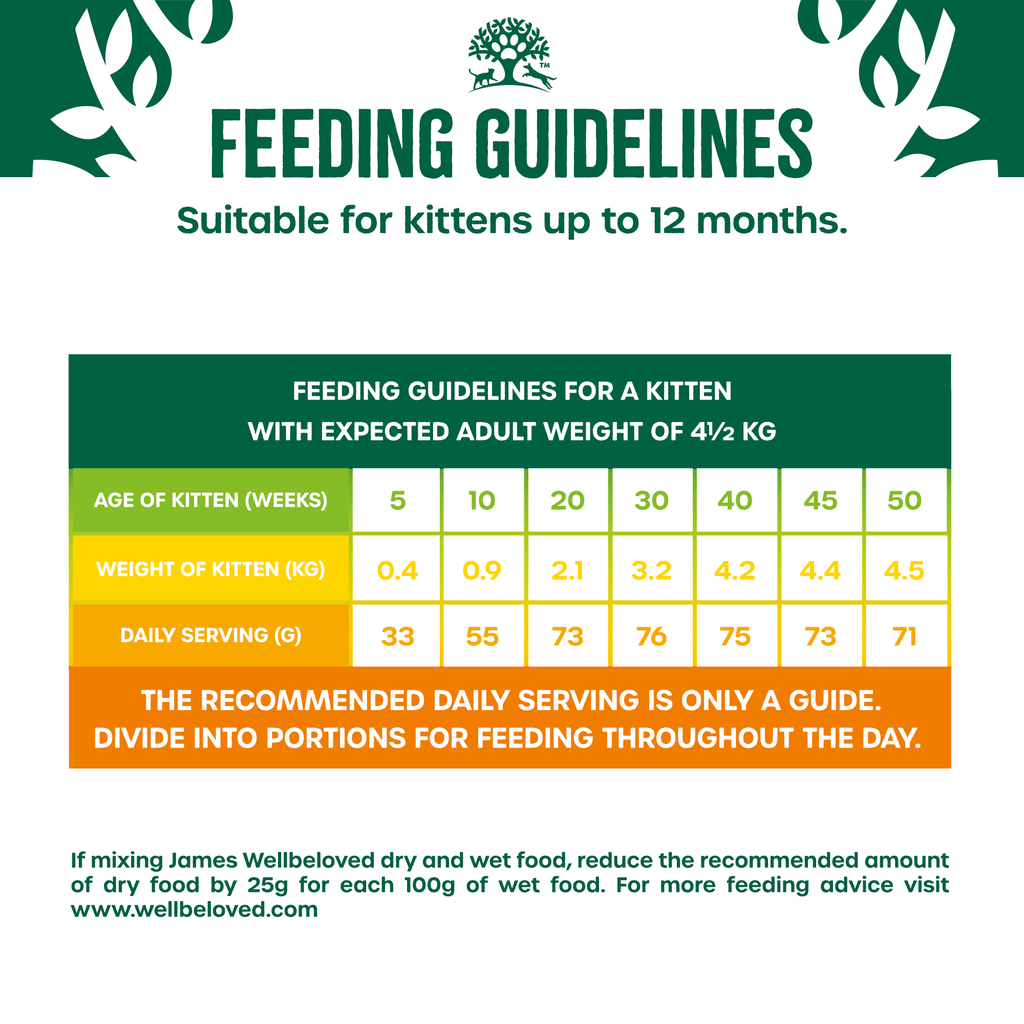
Kittens grow rapidly and burn a lot of energy, so they need more calories per pound than adult cats. Their dry food should be rich in protein and fat to support development.
Feed small, frequent meals throughout the day instead of one or two large portions. This helps maintain steady energy levels and prevents overeating.
Remember that feeding too much dry food can lead to obesity even in kittens. Are you balancing quantity with their playful energy and growth needs?
Frequently Asked Questions
How Much Dry Food Should I Feed My Cat Daily?
Feed your cat about 20-30 grams of dry food per pound of body weight daily. Adjust based on activity level and age.
Can I Overfeed My Cat With Dry Food?
Yes, overfeeding dry food can cause obesity and health issues. Follow recommended portions and monitor your cat’s weight regularly.
How Do I Calculate Dry Food Portions For Kittens?
Kittens need more frequent feeding with smaller portions. Offer 3-4 meals daily, totaling 1/4 to 1/3 cup of dry food per day.
Should I Adjust Dry Food Amounts For Indoor Cats?
Indoor cats usually need fewer calories. Reduce dry food portions slightly to prevent weight gain and maintain healthy activity levels.
Conclusion
Feeding your cat the right amount of dry food keeps them healthy and happy. Watch your cat’s weight and adjust food portions as needed. Remember, each cat is different. Consult your vet to find the best feeding plan. Fresh water should always be available.
Balanced meals support your cat’s energy and well-being. Small changes can make a big difference. Keep your cat active and monitor their eating habits. Proper feeding helps your cat live a long, joyful life. Simple steps lead to better health.
