

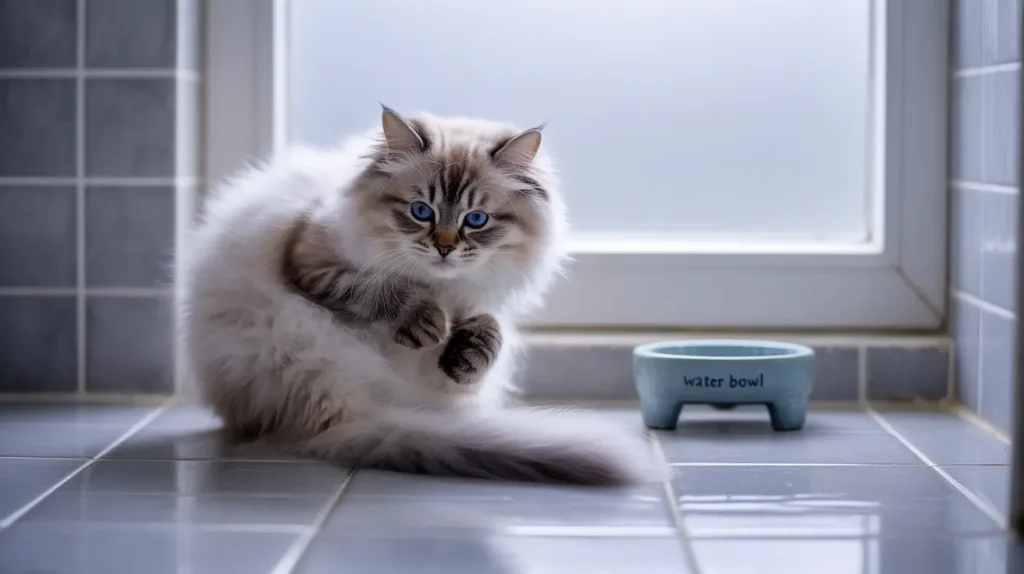
Have you ever noticed your cat straining or licking their rear more than usual? It’s natural to worry and wonder if your furry friend might be dealing with something uncomfortable—like hemorrhoids.
But do cats actually get hemorrhoids? Understanding this can help you take better care of your pet and avoid unnecessary stress. Keep reading to find out the truth and learn what signs to watch for, so you can keep your cat happy and healthy.

Credit: www.reddit.com
Cat Anatomy And Hemorrhoids
Understanding whether cats can get hemorrhoids requires a closer look at their anatomy compared to humans. Cats have unique physical features that influence how certain health issues develop. Knowing these differences helps you better care for your feline friend and recognize when something might be wrong.
How Hemorrhoids Occur In Humans
Hemorrhoids happen when veins around the anus or lower rectum swell and become inflamed. This often occurs due to increased pressure from straining during bowel movements, pregnancy, or sitting for long periods.
These swollen veins create discomfort, itching, and sometimes bleeding. The human anatomy—with its vertical posture and specific vein structures—makes this condition relatively common.
Differences In Cat Anatomy
Cats have a different anatomy around their anus and rectum. Their veins are less exposed to pressure because they move on all fours and have a different vascular layout.
Unlike humans, cats rarely strain during defecation, so the main cause of hemorrhoids—pressure on anal veins—is uncommon. Instead, cats might suffer from other anal gland issues that can mimic hemorrhoid symptoms.
Have you noticed your cat scooting or licking their rear excessively? It might not be hemorrhoids but a sign of anal gland problems or constipation. Observing these behaviors can help you decide if a vet visit is necessary.
Common Digestive Issues In Cats
Digestive problems are common in cats and can affect their health and mood. Cats may show signs of discomfort that owners often miss. These issues range from mild upset stomachs to more serious conditions that need veterinary care. Understanding these problems helps keep cats healthy and happy.
Signs Of Digestive Discomfort
- Straining or difficulty during bowel movements
- Frequent licking of the rear area
- Loose stools or diarrhea
- Constipation or infrequent bowel movements
- Visible swelling or redness near the anus
- Loss of appetite or lethargy
- Excessive grooming of the tail or hindquarters
Conditions Often Mistaken For Hemorrhoids
Cats do not get hemorrhoids like humans. Some symptoms may look similar but have different causes.
- Anal gland infections or abscesses
- Rectal prolapse
- Parasite infestations such as worms
- Allergic reactions causing irritation
- Injuries or cuts near the anus
- Inflammatory bowel disease (IBD)
Can Cats Get Hemorrhoids?
Wondering if your cat can suffer from hemorrhoids like humans do? This question comes up often among cat owners who notice their pets showing signs of discomfort around the rear area. Understanding whether cats actually get hemorrhoids helps you address your pet’s health concerns more effectively.
Medical Evidence And Veterinary Insights
Veterinarians rarely diagnose hemorrhoids in cats because the condition is uncommon in feline anatomy. Unlike humans, cats don’t usually experience the swollen veins in the rectal area that define hemorrhoids.
Instead, vets often find other issues causing similar symptoms, such as:
- Anal gland problems
- Rectal irritation or infections
- Parasites or allergies
These conditions can cause swelling, itching, or discomfort that might be mistaken for hemorrhoids. If your cat is licking or scooting frequently, a vet visit is essential to identify the real cause and provide proper treatment.
Why Hemorrhoids Are Rare In Cats
One big reason hemorrhoids don’t commonly affect cats is their anatomy and lifestyle. Cats have a different blood vessel structure in their rectal area, reducing the risk of vein swelling.
Plus, cats don’t usually strain during bowel movements the way humans might, which is a common cause of hemorrhoids in people. Their diet and natural hydration levels also help maintain healthy digestion and prevent constipation.
Have you noticed your cat avoiding the litter box or showing signs of discomfort? Rather than jumping to the conclusion of hemorrhoids, consider other causes like diet changes, stress, or infections. Paying attention to these details helps you keep your cat comfortable and healthy without unnecessary worry.

Credit: www.reddit.com
Symptoms To Watch For
Cats cannot get hemorrhoids exactly like humans, but they can suffer from anal or rectal issues. Recognizing symptoms early helps prevent serious problems. Watch for signs that suggest discomfort or irritation around the anal area. Some symptoms are easy to miss if you don’t observe your cat closely.
Indicators Of Anal Or Rectal Problems
- Swelling or redness near the anus
- Frequent licking or biting of the anal area
- Visible lumps or bumps around the rectum
- Blood or mucus in the stool
- Difficulty or pain during bowel movements
- Straining without producing stool
- Foul odor coming from the rear end
These signs might mean your cat has an infection, anal gland issues, or other rectal problems. Prompt veterinary care is necessary to avoid worsening symptoms.
Behavioral Changes In Cats
- Restlessness or constant discomfort
- Hiding more than usual
- Loss of appetite
- Changes in grooming habits
- Excessive scratching around the tail
- Unusual vocalizations, such as crying or meowing
- Refusing to use the litter box
Behavior changes often indicate pain or irritation. Pay attention to any sudden or unusual actions. These clues help detect anal or rectal problems early.
Common Anal Health Issues In Cats
Anal health issues are common in cats and can cause discomfort or pain. Cats cannot tell us when they feel sore, so owners must watch for signs. Problems around the anus affect a cat’s quality of life and may lead to serious infections. Knowing common anal health issues helps in early detection and treatment.
Anal Sac Problems
Cats have small anal sacs on each side of their anus. These sacs store smelly fluid used for marking territory. Sometimes, the sacs get blocked or infected. This causes swelling, pain, and scooting on the floor.
Signs of anal sac problems include:
- Excessive licking around the anus
- Difficulty or pain during defecation
- Swelling near the anus
- Bad smell coming from the area
Regular vet checks can help prevent serious complications. Treatment may involve cleaning or antibiotics.
Perianal Fistulas And Abscesses
Perianal fistulas are painful sores or tunnels near the anus. They cause severe discomfort and bleeding. Abscesses are pockets of infection that form under the skin.
These conditions often cause:
- Swelling and redness around the anus
- Discharge or pus
- Difficulty sitting or walking
- Foul odor from the infected area
Both conditions need veterinary care. Treatment usually involves medication and sometimes surgery.

Credit: www.everydayhealth.com
Treatment Options For Cat Anal Issues
Treating anal issues in cats requires gentle care and proper attention. These problems can cause discomfort and distress for your pet. Understanding treatment options helps you provide relief quickly. Some treatments you can try at home, while others need a vet’s expertise.
Home Care Tips
- Keep the cat’s rear area clean and dry.
- Use warm water and a soft cloth to gently clean the area.
- Offer high-fiber food to ease bowel movements.
- Ensure your cat drinks plenty of fresh water.
- Avoid giving human creams or medications without a vet’s advice.
- Provide a calm and comfortable space for rest.
When To See A Vet
Seek veterinary care if your cat shows signs of pain or bleeding. Persistent scooting or licking around the anus needs a professional check. Swelling, redness, or discharge can indicate infection or other problems. A vet can perform exams and suggest treatments like medication or minor procedures. Early vet visits prevent serious complications and ensure your cat’s health.
Preventing Anal And Digestive Problems
Preventing anal and digestive problems in cats is essential for their overall comfort and health. These issues can cause significant discomfort and may lead to more serious complications if ignored. Taking simple, proactive steps can keep your cat feeling their best and reduce the risk of painful conditions like anal gland problems or constipation.
Diet And Hydration
Your cat’s diet plays a huge role in maintaining healthy digestion and preventing anal problems. Feeding high-quality, fiber-rich food supports smooth bowel movements and reduces the chance of constipation. Have you noticed how a sudden diet change can upset your cat’s tummy? Consistency is key.
Hydration is just as important. Cats often don’t drink enough water, which can harden stools and make elimination painful. Try adding wet food to their meals or providing fresh water in multiple bowls around your home. Small changes like these can make a big difference in keeping your cat’s digestive system running smoothly.
Regular Grooming And Checkups
Keeping your cat clean around their rear end helps prevent irritation and infections. Long-haired cats especially need regular grooming to avoid mats that can trap dirt and bacteria near the anus. Have you ever found your cat licking their backside excessively? This could be a sign they need a grooming session or a vet check.
Routine vet visits allow you to catch problems early. During checkups, your vet can examine your cat’s anal glands and digestive health. Don’t wait for obvious signs of discomfort; regular checkups can prevent small issues from becoming painful conditions. Your cat’s comfort depends on your attention to these details.
Frequently Asked Questions
Do Cats Get Hemorrhoids Like Humans?
No, cats do not get hemorrhoids like humans. Their anatomy and bowel habits differ, preventing typical hemorrhoid formation. However, cats can suffer from anal gland issues that may seem similar but require different treatment.
What Causes Anal Discomfort In Cats?
Anal discomfort in cats is often due to impacted or infected anal glands. Other causes include constipation, parasites, or allergies. Proper veterinary diagnosis is crucial to address the exact cause and provide appropriate treatment.
How Can I Tell If My Cat Has Anal Gland Problems?
Signs include scooting, licking the anal area, swelling, or discomfort while defecating. You might also notice a foul odor. If you observe these symptoms, consult a vet for examination and care.
Are Cat Hemorrhoid Treatments Different From Humans?
Yes, treatments differ because cats rarely get hemorrhoids. Anal gland issues require cleaning, antibiotics, or surgery. Never use human hemorrhoid creams on cats; always follow a vet’s advice.
Conclusion
Cats do not get hemorrhoids like humans do. Their anatomy and habits differ a lot. If your cat shows discomfort near its rear, it could be other issues. Problems like infections, parasites, or anal gland issues are common. Always watch your cat’s behavior and hygiene closely.
Visit a vet for proper diagnosis and care. Early help keeps your cat healthy and happy. Understanding your pet’s needs helps prevent many problems. Stay observant and give your cat the best care possible.
