

Training a cat might sound tricky, but it’s definitely possible—and rewarding. You probably want your furry friend to stop scratching the furniture, come when called, or even use the litter box perfectly.
Imagine having a cat that listens to you and behaves well without stress. You’ll discover simple, effective ways to train your cat using methods that really work. Keep reading, and you’ll learn how to build a stronger bond with your pet while making your home a happier place.
Why Train Your Cat
Training a cat might seem tricky, but it has many good reasons. Cats can learn habits that make life easier for both of you. Training helps your cat behave well and stay safe. It also builds a better bond between you and your pet. Understanding why to train your cat helps you stay patient and consistent during the process.
Benefits For You And Your Cat
Training brings many rewards for you and your cat. It reduces unwanted behaviors like scratching furniture or jumping on counters. A well-trained cat feels less stressed and more confident. Training sessions offer mental exercise and fun for your cat. For you, it means less damage and more peace at home. The trust between you and your cat grows stronger every day.
Common Training Goals
Many cat owners focus on these goals:
- Using the litter box properly
- Stopping scratching on furniture
- Coming when called
- Walking on a leash
- Accepting grooming and nail trimming
These goals improve your cat’s safety and comfort. They make daily care simpler and more pleasant. Training helps your cat live happily in your home.
Credit: catexplorer.co
Preparing For Training
Training a cat takes more than patience and treats; it starts with careful preparation. Setting up the right space and gathering your tools can make the process smoother and more effective. Before you begin, think about how your environment and supplies can influence your cat’s learning experience.
Choosing The Right Environment
Your training spot should be quiet and free from distractions. Cats are sensitive to noise and sudden movements, so a calm room helps them focus better.
Pick a place where your cat feels safe and relaxed. If your cat usually hides under the bed when stressed, avoid trying to train there. Instead, try a familiar area like the living room corner or near their favorite window perch.
Consider the lighting and temperature too. A well-lit, comfortable space keeps your cat alert and willing to participate. Have you noticed how your cat behaves differently in a noisy kitchen versus a cozy bedroom?
Gathering Training Supplies
Having the right supplies ready can speed up your cat’s progress. Start with small, tasty treats your cat loves. These rewards create positive associations with training tasks.
Use a clicker or a soft, distinct sound to mark good behavior. This helps your cat connect actions with rewards quickly. If you don’t have a clicker, a simple “yes” said in a happy tone works just as well.
Don’t forget toys or a scratching post to keep your cat engaged during breaks. Training is more than commands; it’s about building a bond. What kind of treat does your cat find irresistible enough to learn a new trick?
Basic Training Techniques
Training a cat requires patience and the right approach. Basic training techniques help build trust and encourage good behavior. These techniques focus on making learning fun and stress-free for your cat.
Using Positive Reinforcement
Positive reinforcement means rewarding your cat for good actions. Use treats, praise, or petting to show approval. This encourages the cat to repeat the behavior. Avoid giving attention for bad behavior, so your cat learns what you want.
Timing And Consistency
Reward your cat right after the desired behavior. Cats connect actions with results quickly. Consistent training sessions help your cat understand rules faster. Short, frequent sessions work best. Keep training regular to build habits that last.
Avoiding Punishment
Punishing your cat can cause fear and stress. It may harm your bond and confuse your cat. Instead, redirect unwanted behavior gently. Use distractions like toys or sounds. Focus on teaching what to do, not what to avoid.
:strip_icc()/spruce-pets-cat-clicker-training-5594c453bd7f499aa8e7cf756d485afc.png)
Credit: www.thesprucepets.com
Teaching Essential Commands
Teaching essential commands to your cat can transform your daily interactions and strengthen your bond. Cats might seem independent, but they respond well to clear and consistent training. Focus on commands that improve safety, hygiene, and behavior to make life easier for both you and your feline friend.
Come When Called
Getting your cat to come when called is incredibly useful, especially if they tend to wander. Use a specific word or sound, like their name or a clicking noise, every time you offer a treat. Be patient—repeat the command in a quiet environment and reward immediately when they respond.
Consistency is key. Avoid calling them for negative reasons, so they don’t associate the command with something unpleasant. How often do you try calling your cat just to see if they listen? This simple exercise can sharpen their response over time.
Using A Litter Box
Teaching your cat to use the litter box is one of the first training steps. Place the box in a quiet, accessible spot and keep it clean. Cats prefer a clean area, so scoop daily and change litter regularly to encourage use.
If your cat has accidents, gently place them in the box after meals or naps. Avoid punishment; instead, reward them when they use the box correctly. Have you noticed which type of litter your cat prefers? Experiment with textures to find what suits them best.
Stopping Unwanted Behavior
Stopping unwanted behavior requires clear boundaries and alternatives. If your cat scratches furniture, provide a scratching post nearby and reward them for using it. Redirecting their energy is more effective than scolding.
Use gentle deterrents like double-sided tape or citrus scents on forbidden areas. Remember, patience works better than punishment. What unwanted behavior frustrates you most, and have you tried redirecting it creatively?
Advanced Training Tips
Advanced training helps deepen the bond between you and your cat. It challenges your cat’s mind and builds trust. These tips go beyond basic commands and help your cat learn new skills.
Clicker Training
Clicker training uses a small sound device to mark good behavior. Each click tells your cat it did something right. Follow the click with a treat to reward your cat.
This method helps cats learn quickly. It breaks complex actions into simple steps. Start with easy tasks like sitting or touching a target. Click and treat immediately.
Patience is key. Keep sessions short, around 5 minutes. Practice daily for steady progress.
Teaching Tricks
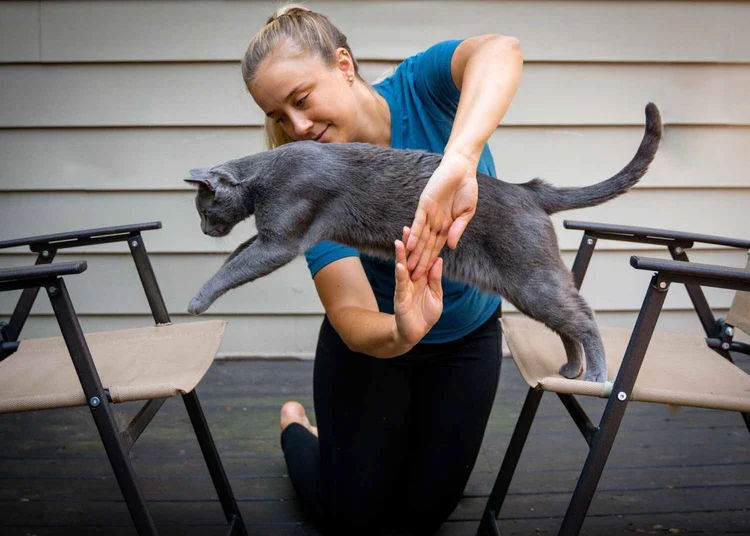
Teaching tricks keeps your cat active and entertained. Try simple tricks like high-five or spin. Use treats and clicker sounds to guide your cat.
Break tricks into small steps. Reward each small success. Repeat often and use clear commands.
Keep training fun. End sessions with playtime or affection. This helps your cat enjoy learning.
Handling Multiple Cats
Training several cats requires patience and strategy. Train each cat separately at first. Use different treats or toys for each one.
Keep training areas quiet and free from distractions. Watch for signs of stress or competition. Train cats at their own pace.
Reward calm behavior around other cats. Gradually increase group training time. This builds harmony and cooperation.

Credit: www.whiskas.com.ph
Troubleshooting Training Challenges
Training a cat can be rewarding, but it’s not without its hurdles. You might encounter behaviors that stall progress or feel unsure about your next move. Troubleshooting these challenges will help you stay patient and effective while building a stronger bond with your feline friend.
Dealing With Fear Or Aggression
Fear and aggression often block training efforts. If your cat backs away or swats when you approach, it’s a sign to slow down. Give your cat space and let them approach you on their terms.
Try using gentle, calm voices and reward even small signs of trust with treats. Avoid forcing interactions, as this can increase anxiety. Have you noticed specific triggers that upset your cat? Identifying those helps you create a safer environment for training.
Managing Distractions
Cats are easily distracted by sounds, movements, or other pets. If your training sessions go off track, find a quiet, comfortable spot free from interruptions. Short sessions of 5-10 minutes work best to keep their attention.
Use high-value treats or toys that your cat loves to maintain focus. If outside noises distract your cat, try closing windows or playing soft background music. What small changes can you make to create a distraction-free zone?
When To Seek Professional Help
Sometimes, despite your best efforts, progress stalls or behavior worsens. Professional trainers or veterinarians can offer tailored advice and rule out medical issues. Don’t hesitate to ask for help if fear, aggression, or other problems persist.
A certified behaviorist can design a plan specific to your cat’s needs. Remember, seeking help shows dedication, not failure. How might an expert’s insight change your approach and improve your cat’s comfort?
Frequently Asked Questions
How Do You Start Training A Cat At Home?
Begin by using treats and gentle praise to encourage desired behaviors. Keep sessions short and consistent daily. Patience is key for successful cat training.
Can Cats Learn To Obey Basic Commands?
Yes, cats can learn simple commands like sit, stay, and come with positive reinforcement and repetition. Consistency improves results.
What Tools Help In Cat Training?
Use clickers, treats, and toys to motivate and reward your cat during training sessions. These tools enhance learning.
How Long Does Cat Training Usually Take?
Training duration varies but most cats show progress within a few weeks of regular practice. Individual patience is important.
Conclusion
Training a cat takes patience and gentle care. Small steps help build good habits. Use treats and praise to encourage learning. Keep sessions short to hold their attention. Remember, every cat learns at its own pace. Consistency is key for lasting results.
Enjoy the process and celebrate progress. Training strengthens your bond with your cat. It makes life easier and more fun. Start today and watch your cat grow smart and happy.
