


Have you ever wondered how long your cat can survive without food or water? It’s a question that can make any pet owner anxious.
Understanding the limits of your cat’s survival without these essentials is crucial for keeping them safe and healthy. You’ll discover the surprising facts about how long cats can go without eating or drinking. Knowing this can help you act quickly in emergencies and ensure your furry friend stays well cared for.
Keep reading—you’ll learn vital information that could save your cat’s life.
Cat Survival Without Water
Cats need water to stay alive and healthy. Water helps their body work properly. Without water, a cat’s organs start to fail. This section explains how water affects cats and how long they can survive without it.
Water’s Role In Cat Health
Water keeps a cat’s body temperature stable. It helps carry nutrients to cells and remove waste. Cats lose water through breathing, sweating, and urinating. Drinking enough water stops dehydration and keeps organs healthy.
Signs Of Dehydration
Dehydration can be hard to spot at first. Watch for:
- Dry gums and mouth
- Sunken eyes
- Less energy or weakness
- Loss of skin elasticity (skin stays up when pinched)
- Less urination or dark urine
These signs mean a cat needs water quickly.
Survival Timeframe Without Water
Cats survive only a few days without water. Usually, it is about two to four days. Heat and activity can shorten this time. Lack of water causes organ failure and death fast. Always ensure cats have fresh water available.
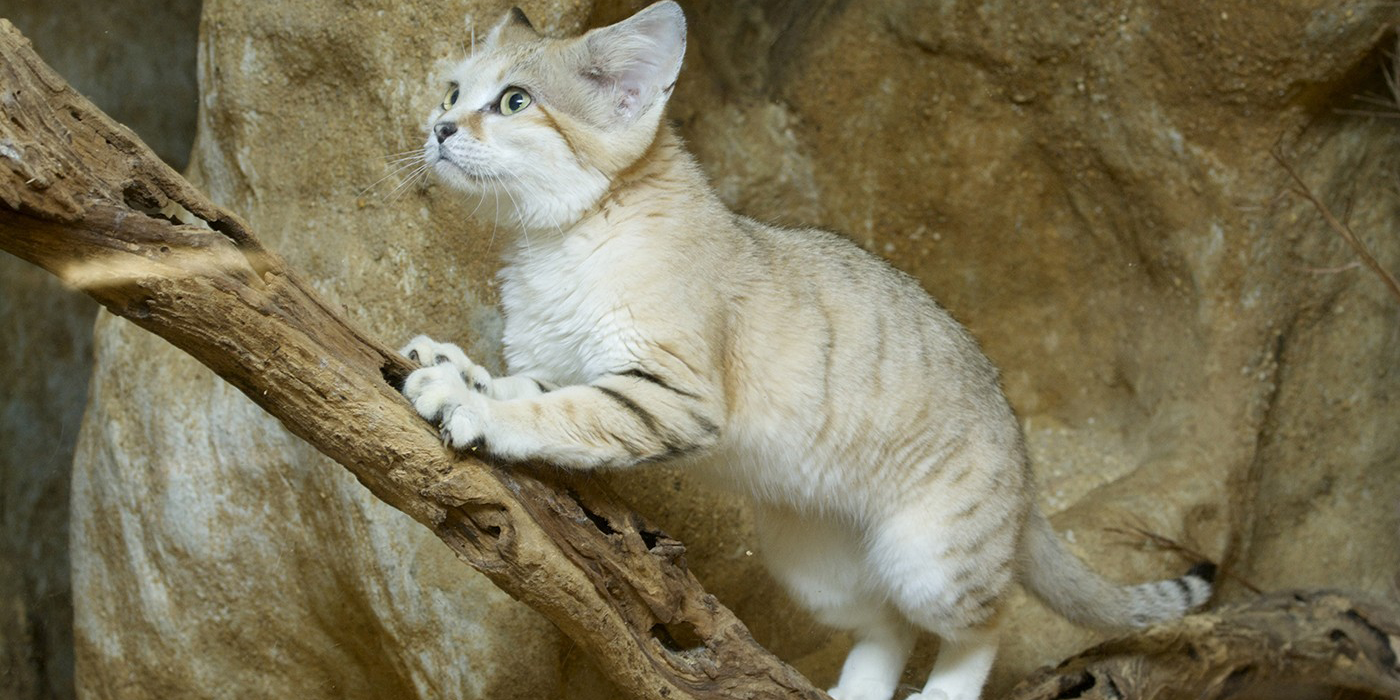
Credit: nationalzoo.si.edu
Cat Survival Without Food
Cats are known for their resilience. They can survive longer without food than many other animals. Understanding how cats manage during food shortages helps us care for them better. This section explores how cats use stored energy, what starvation does to their bodies, and how long they can last without food.
How Cats Use Stored Energy
Cats store energy in their fat and muscles. When they have no food, their body burns fat first. Fat breaks down into energy to keep organs working. After fat is gone, the body starts using muscles. This process helps cats survive longer without eating.
Effects Of Starvation
Starvation weakens a cat’s immune system. The cat becomes tired and less active. Organs like the liver and kidneys start to fail. The body loses muscle mass and fat. Starvation can cause serious illness or death if it lasts too long.
Survival Timeframe Without Food
A healthy cat can survive about one to two weeks without food. This depends on age, health, and water availability. Kittens and older cats survive shorter periods. Water is crucial; without it, survival time drops significantly. Always seek help if a cat stops eating.
Factors Influencing Survival
How long a cat can survive without food and water depends on several key factors. These elements shape their resilience and ability to cope with deprivation. Understanding these can help you better care for your feline friend in emergencies or stressful situations.
Age And Health Conditions
Young kittens and elderly cats have less reserve to survive without essentials. A senior cat with kidney issues or diabetes may struggle to last even a day without water. On the other hand, a healthy adult cat might survive longer, but it’s never safe to test those limits.
Think about your own cat’s medical history. Has your vet mentioned any chronic illnesses? Those conditions can drastically reduce survival time without proper hydration and nutrition.
Environmental Temperature
Temperature plays a huge role in how quickly dehydration sets in. Hot, dry climates accelerate water loss through panting and evaporation. In cooler environments, cats might last a bit longer without water, but lack of food still weakens them fast.
Imagine your cat stuck outside on a scorching summer day versus a mild spring afternoon. Which scenario would be riskier? Most likely, the hot day will shorten their survival time drastically.
Activity Levels
Active cats burn more energy and lose fluids faster. If your cat is playful or roaming outdoors, it will need water and food more frequently than a sedentary indoor cat. Resting cats conserve resources and may endure slightly longer periods without nourishment.
Have you noticed your cat’s behavior when they skip meals? Active cats often become restless or lethargic quickly. Monitoring activity can give you early clues to their hydration and hunger status.

Credit: felinefancy.co.uk
Emergency Care For Dehydrated Cats
Dehydration in cats can become a serious issue fast. Their small size means they lose water quickly. Emergency care is essential to avoid severe health problems or death. Knowing what to do right away can save your cat’s life.
Immediate Actions To Take
- Offer fresh, clean water in small amounts to prevent choking.
- Use a syringe or dropper if your cat refuses to drink.
- Keep your cat in a cool, shaded area to reduce stress.
- Do not force-feed or give large amounts of water at once.
- Observe your cat closely for signs of worsening condition.
When To Seek Veterinary Help
- If your cat shows weakness, vomiting, or loss of appetite.
- When dehydration signs last more than 24 hours.
- If your cat stops urinating or has dark urine.
- When you notice dry gums, sunken eyes, or rapid breathing.
- For any sudden behavior changes or severe lethargy.
Preventing Dehydration And Starvation
Preventing dehydration and starvation in cats is crucial to their health and well-being. Cats can survive only a few days without water, and slightly longer without food, but the risks increase rapidly with each passing hour. Taking proactive steps to provide your cat with consistent care can make all the difference between a healthy pet and a serious emergency.
Ensuring Regular Access To Water
Fresh water should always be available to your cat. Place water bowls in multiple locations around your home to encourage drinking.
Some cats prefer running water, so a pet water fountain can be a great investment. Keep an eye on water levels and cleanliness—dirty bowls can deter your cat from drinking.
Have you noticed your cat drinking less than usual? This might be a sign of dehydration or illness and should prompt immediate attention.
Balanced Diet Tips
A balanced diet helps maintain your cat’s energy and hydration levels. Wet food contains more moisture than dry kibble, so including it in meals supports hydration.
Try to offer a mix of wet and dry food to meet nutritional needs while encouraging water intake. Avoid sudden diet changes which can upset your cat’s digestive system.
Think about your cat’s age, health conditions, and activity level when choosing food—what works for one cat might not work for another.
Recognizing Early Warning Signs
Watch for signs like lethargy, sunken eyes, dry gums, or reduced appetite. These can indicate dehydration or starvation before they become severe.
Behavior changes such as hiding or irritability also signal distress. Acting quickly can prevent serious health problems and even save your cat’s life.
Do you know how to check your cat’s hydration status? A simple skin pinch test can give you a quick clue, but always consult your vet if you’re unsure.

Credit: www.purina.com
Frequently Asked Questions
How Long Can Cats Survive Without Water?
Cats can survive only about 3 to 4 days without water. Dehydration sets in quickly, causing severe health risks and organ failure.
How Many Days Can Cats Live Without Food?
Cats can live up to 1 to 2 weeks without food. However, lack of nutrition weakens their immune system and causes serious damage.
What Signs Show A Cat Is Dehydrated?
Symptoms include lethargy, sunken eyes, dry mouth, and loss of skin elasticity. Immediate veterinary care is essential to prevent complications.
Can Cats Survive Longer Without Food Or Water?
Cats survive longer without food than water. Water is vital for body functions, and absence leads to faster health decline.
Conclusion
Cats need water and food every day to stay healthy. Without water, they can survive only a few days. Without food, they might last about one to two weeks. Dehydration and starvation cause serious harm quickly. Always provide fresh water and nutritious food.
Watch your cat for signs of illness or weakness. Acting fast can save your pet’s life. Remember, caring for your cat means giving both food and water regularly. Keep your furry friend happy and strong with proper care.
