

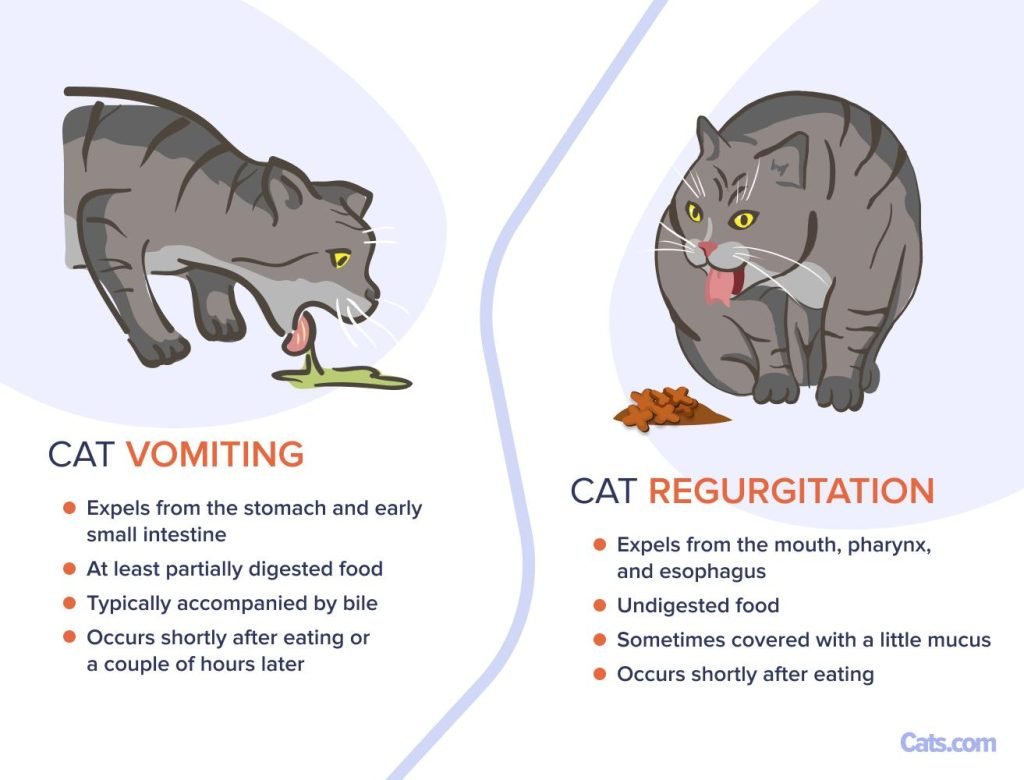
Have you ever seen your cat throw up undigested food and wondered what’s going on? It’s a worrying sight that can make any pet owner feel uneasy.
You want to keep your furry friend healthy and happy, but when this happens, it raises many questions. Why is your cat throwing up food before it has a chance to digest? Could it be a sign of something serious?
You’ll discover the most common reasons behind this problem and what steps you can take right away to help your cat feel better. Keep reading—your cat’s health might depend on it.
Reasons For Vomiting Undigested Food
Seeing your cat throw up undigested food can be worrying. Understanding the reasons behind this behavior helps you respond effectively. Various factors, from diet to health problems, can cause your feline friend to vomit before food is fully digested.
Dietary Issues
Sometimes, the food itself is the culprit. Your cat might be sensitive or allergic to certain ingredients, causing stomach upset. Switching to a high-quality, easily digestible diet could reduce vomiting episodes.
Have you noticed if specific foods trigger your cat’s vomiting? Keeping a food diary can reveal patterns and guide better food choices.
Eating Too Fast
Cats who gulp down their meals quickly often regurgitate undigested food shortly after eating. Rapid eating can cause choking or swallowing air, leading to discomfort and vomiting.
Try using puzzle feeders or spreading out meals into smaller portions. This slows down eating and gives the stomach time to process food properly.
Gastrointestinal Problems
Issues like inflammation, blockages, or motility disorders in the digestive tract can prevent proper digestion. Such conditions make it hard for food to move smoothly through the stomach and intestines.
If your cat vomits regularly, a vet checkup is crucial to rule out problems like gastritis or intestinal obstruction. Early diagnosis can prevent serious complications.
Infections And Parasites
Bacterial or viral infections, as well as parasites like worms, often cause vomiting in cats. These invaders irritate the stomach lining and disrupt digestion.
Regular deworming and maintaining good hygiene help protect your cat. If vomiting persists, your vet can run tests to identify infections needing treatment.
Chronic Illnesses
Long-term diseases such as kidney failure, hyperthyroidism, or diabetes may also cause vomiting of undigested food. These conditions affect your cat’s metabolism and overall digestive health.
Managing chronic illnesses with your vet’s guidance can reduce vomiting and improve your cat’s quality of life. Are you monitoring your cat’s health closely enough to catch these signs early?

Credit: www.youtube.com
Signs To Watch For
Noticing your cat throwing up undigested food can be worrying. It’s essential to recognize specific signs that help you decide if a vet visit is necessary. Paying attention to these details will help you understand your cat’s health better and act quickly if something is wrong.
Frequency And Timing
How often your cat vomits undigested food matters a lot. Occasional vomiting might not be serious, but repeated episodes within a day or several times a week are a red flag. Also, watch when the vomiting occurs—right after eating or several hours later can point to different issues.
Think about your cat’s eating habits. Does the vomiting happen after they eat too fast or eat something unusual? Tracking this can reveal if the problem is related to diet or digestion.
Other Symptoms
Vomiting alone doesn’t always tell the full story. Look for other symptoms like diarrhea, lethargy, or weight loss. These signs combined can indicate infections, parasites, or more serious digestive problems.
Check your cat’s mouth and gums too. Pale gums or bad breath can signal internal issues affecting digestion. Have you noticed any unusual smells or textures when your cat vomits?
Behavioral Changes
Your cat’s behavior often reveals how they feel inside. If they become less playful, hide more, or lose interest in food, these are important clues. Such changes paired with vomiting suggest discomfort or illness needing attention.
Sometimes, cats show subtle signs like excessive drooling or pawing at their mouth. These can hint at nausea or dental problems causing the vomiting. Are you observing any shifts in your cat’s usual routine or mood?
Home Care Tips
Dealing with your cat throwing up undigested food can be stressful, but there are practical steps you can take at home to ease their discomfort. Paying attention to how and what you feed your cat, along with ensuring they stay hydrated, can make a significant difference. Let’s look at some effective home care tips that you can start using today.
Adjusting Feeding Habits
Feeding your cat smaller, more frequent meals can help reduce vomiting. Large meals often overwhelm their stomach, causing food to come back up undigested.
Try dividing their daily food portion into 3 or 4 servings. This keeps their digestion steady and prevents overeating.
Also, avoid feeding your cat right before or after intense playtime, as this can upset their stomach.
Choosing The Right Food
Your cat’s diet plays a huge role in how well they digest their meals. Opt for high-quality, easily digestible cat food with limited fillers.
Look for labels that highlight real meat as the first ingredient and avoid artificial additives. Sometimes, a food intolerance or allergy can cause vomiting, so you might want to try a hypoallergenic or sensitive stomach formula.
Have you ever noticed if your cat vomits after a specific brand or type of food? Switching to a different product might solve the problem.
Hydration And Comfort
Keeping your cat hydrated supports healthy digestion and overall well-being. Make sure fresh water is always available and encourage drinking by placing multiple bowls around your home.
If your cat dislikes plain water, you can offer low-sodium broth or wet food to boost their fluid intake.
Also, create a calm environment during feeding time. Stress can affect digestion, so a quiet, comfortable spot can help your cat feel at ease.
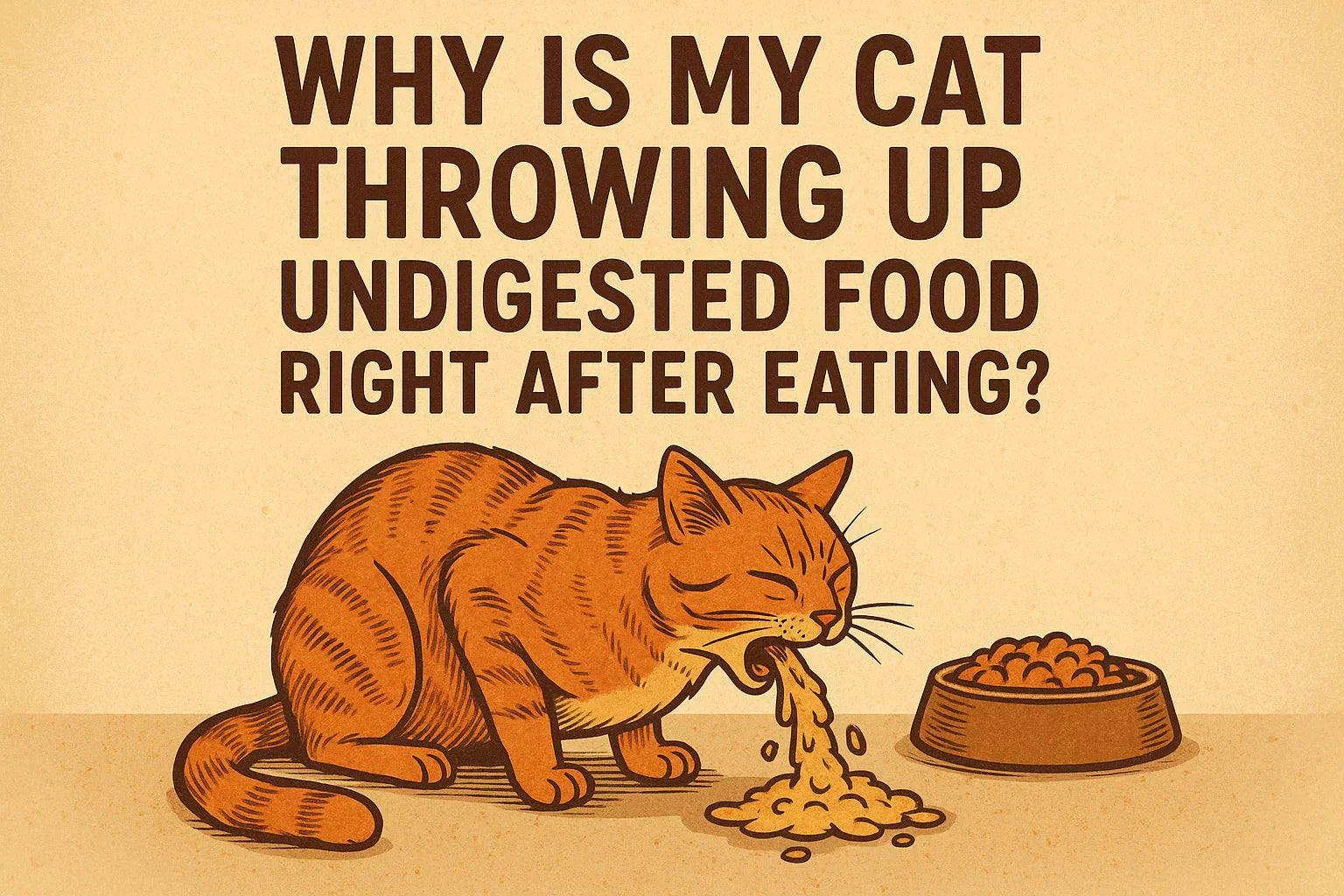
Credit: stellarnook.com
When To See A Vet
Knowing when to visit a vet is crucial if your cat throws up undigested food. Vomiting can happen for many reasons, some mild and some serious. Watching your cat’s behavior helps catch problems early. Acting fast can prevent further health issues.
Persistent Vomiting
Vomiting that lasts more than 24 hours needs veterinary attention. Occasional vomiting might not be a concern. But repeated vomiting can cause dehydration. It also may signal an underlying illness. A vet can find the cause and suggest treatment.
Weight Loss And Lethargy
Noticeable weight loss is a warning sign. Lethargy means your cat has low energy or seems weak. Both symptoms often show a health problem. These signs can accompany vomiting. A vet visit is important to check your cat’s overall health.
Diagnostic Tests
Vets use tests to diagnose the cause of vomiting. Common tests include:
- Blood tests to check organ function and infection.
- X-rays or ultrasounds to see inside the body.
- Fecal exams to detect parasites.
- Endoscopy to look at the stomach and intestines.
These tests help find the problem quickly. Early diagnosis leads to better treatment and recovery.
Treatment Options
Treating a cat that throws up undigested food requires careful attention. The goal is to reduce vomiting and improve digestion. Treatment depends on the cause and severity of symptoms. Options range from simple diet changes to medications or managing other health issues. Early care helps prevent complications and keeps your cat comfortable.
Medications
Veterinarians may prescribe medicines to ease vomiting. Anti-nausea drugs help calm the stomach. Digestive enzymes can improve food breakdown. Sometimes, antibiotics treat infections causing vomiting. Always follow the vet’s dosage instructions carefully. Never give human medicine to your cat without advice.
Dietary Changes
Switching to easily digestible food often helps reduce vomiting. Wet food is gentler on the stomach than dry. Feeding smaller meals more frequently can aid digestion. Avoid sudden diet changes, as they can upset your cat’s tummy. Special hypoallergenic or gastrointestinal diets may be recommended by vets.
Managing Underlying Conditions
Vomiting may signal other health problems in cats. Conditions like kidney disease, parasites, or allergies require specific care. Regular vet check-ups help identify these issues. Treating the root cause stops vomiting in many cases. Follow the vet’s plan strictly for best results.
Preventing Future Episodes
Preventing future episodes of your cat throwing up undigested food requires careful attention. Small changes in feeding, health checks, and environment help reduce risks. Consistency and patience bring the best results.
Feeding Techniques
Feed your cat smaller meals more often. This helps avoid overeating and fast eating. Use puzzle feeders or slow-feed bowls to slow down your cat’s eating pace. Always provide fresh water to aid digestion. Avoid sudden changes in diet. Introduce new foods gradually over several days.
Regular Health Checks
Schedule vet visits for routine health checks. Early detection of digestive or dental issues prevents vomiting. Monitor your cat’s weight and appetite daily. Report any unusual behavior or symptoms to your vet. Keep vaccinations and parasite treatments up to date.
Environmental Factors
Keep your cat’s eating area calm and quiet. Stress can cause digestive upset and vomiting. Avoid feeding near other pets if competition causes anxiety. Maintain a clean feeding space and fresh food bowls. Ensure your cat has a comfortable place to rest after eating.

Credit: www.reddit.com
Frequently Asked Questions
Why Does My Cat Throw Up Undigested Food?
Cats may vomit undigested food due to eating too fast, hairballs, or digestive upset. It can also signal illness or food intolerance. Monitoring symptoms and consulting a vet ensures proper diagnosis and care for your cat’s health.
How Often Is Cat Vomiting Undigested Food Normal?
Occasional vomiting of undigested food can be normal in cats, especially if they eat quickly. Frequent vomiting, more than once a week, is abnormal and requires veterinary attention to rule out underlying health issues.
Can Diet Cause Cats To Vomit Undigested Food?
Yes, diet changes or poor-quality food can upset a cat’s stomach and cause vomiting. Feeding high-quality, easily digestible food in smaller portions helps reduce vomiting and supports digestive health.
When Should I See A Vet For Cat Vomiting Undigested Food?
Visit a vet if vomiting occurs frequently, lasts more than 24 hours, or is accompanied by lethargy, diarrhea, or weight loss. Prompt medical care prevents complications and identifies serious conditions early.
Conclusion
Cats throwing up undigested food can worry any pet owner. It may mean your cat ate too fast or has a mild stomach issue. Watch for signs like lethargy or repeated vomiting. Feeding smaller meals slowly often helps. Always keep fresh water available.
If vomiting continues, visit your vet for a checkup. Taking quick action keeps your cat healthy and happy. Understanding your cat’s habits can prevent future problems. Stay calm and observe your pet closely. Your care makes a big difference.
