

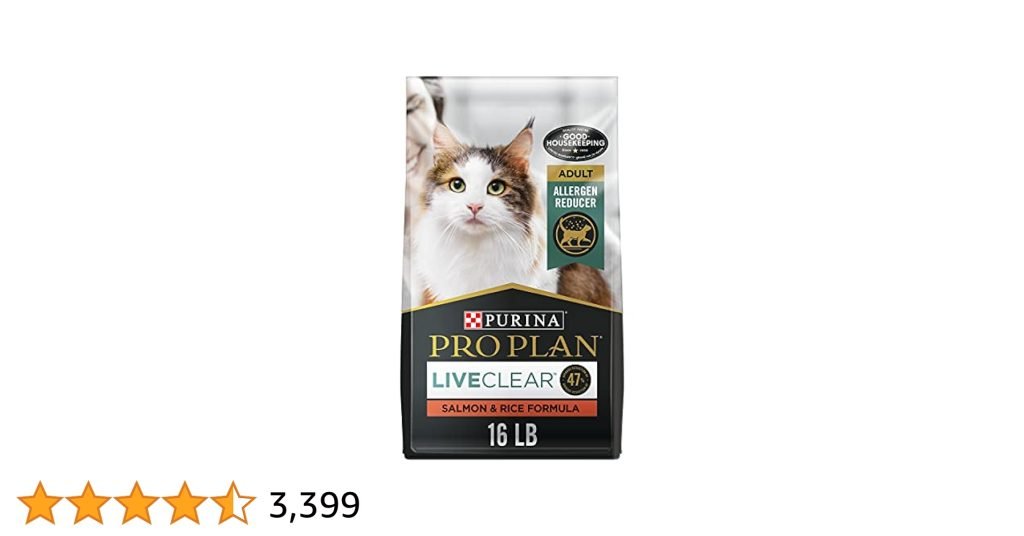
If you love your cat but struggle with allergies, finding the right food can make all the difference. Allergen reducing cat food is designed to help keep your furry friend healthy while easing your symptoms.
Imagine enjoying cuddle time without the sneezing, itching, or watery eyes. You’ll discover how the right diet can protect your cat and improve your comfort. Keep reading to learn what to look for and how to choose the best allergen reducing cat food for your home.
Causes Of Cat Allergies
Understanding the causes of cat allergies is essential for any pet owner struggling with a sneezing, itchy, or uncomfortable feline friend. Allergies in cats often stem from their food, which can trigger unwanted immune responses. Identifying these causes helps you select the right allergen reducing cat food and improve your cat’s overall wellbeing.
Common Allergens In Cat Food
Some ingredients in cat food are more likely to cause allergic reactions. Common allergens include:
- Beef– Often used as a protein source but can trigger allergies in sensitive cats.
- Dairy products– Many cats are lactose intolerant or allergic to milk proteins.
- Fish– Popular in many recipes but can sometimes cause an immune response.
- Chicken– A common protein that some cats may react to.
- Grainslike wheat, corn, and soy – Though less common, some cats develop sensitivities.
Have you noticed your cat reacting after eating certain foods? It could be one of these usual suspects causing discomfort.
Symptoms Of Food Allergies In Cats
Recognizing allergy symptoms quickly can save your cat from prolonged discomfort. Look out for:
- Itchy skin and constant scratching, especially around the face, ears, and paws.
- Red, inflamed skin or hot spots that don’t heal easily.
- Digestive issues such as vomiting or diarrhea following meals.
- Excessive grooming that leads to hair loss in patches.
Have you ever wondered why your cat suddenly starts scratching more or has upset stomachs after mealtime? Spotting these signs early allows you to adjust their diet before the problem worsens.
How Allergen Reducing Cat Food Works
Allergen reducing cat food helps cats with food sensitivities and allergies. It works by avoiding ingredients that cause allergic reactions. These foods use special ingredients that are gentle on a cat’s stomach and immune system. The goal is to reduce itching, inflammation, and digestive upset. This type of food supports overall health while minimizing allergy symptoms.
Ingredients To Avoid
Some ingredients trigger allergies in cats more often. Common culprits include:
- Beef
- Dairy products
- Wheat
- Soy
- Chicken
Avoiding these helps reduce allergic reactions. Many cats react to proteins and grains in their food. Removing these from their diet can ease symptoms quickly.
Hypoallergenic Ingredients Explained
Hypoallergenic cat food uses ingredients less likely to cause allergies. They often include:
- Novel proteins like duck, rabbit, or venison
- Limited ingredient formulas to reduce exposure
- Grain-free options to avoid common allergens
- Hydrolyzed proteins broken into tiny pieces
Hydrolyzed proteins are too small to trigger immune responses. Limited ingredients help identify and avoid specific allergens. These foods focus on simple, pure components to support sensitive cats.
Types Of Allergen Reducing Cat Food
Allergen reducing cat food comes in different types. Each type targets specific allergens in cat diets. Understanding these types helps pet owners choose the best option for their cats.
Limited Ingredient Diets
Limited ingredient diets use fewer ingredients to lower allergy risks. These diets focus on one protein and one carbohydrate source. They avoid common allergens like beef, dairy, and wheat. This simplicity helps identify which ingredient causes the allergy. Cats with food sensitivities often benefit from this diet type.
Hydrolyzed Protein Formulas
Hydrolyzed protein formulas break proteins into tiny pieces. These pieces are too small to trigger an immune response. This makes the food safe for cats with protein allergies. Hydrolyzed diets are common in veterinary prescriptions. They support cats with severe food allergies or intolerances.
Grain-free Options
Grain-free cat food excludes grains like wheat, corn, and rice. Some cats react to grains, causing skin or digestive problems. Grain-free diets replace grains with vegetables or legumes. These options can reduce allergic reactions in sensitive cats. Grain-free does not mean allergen-free, but it helps some cats.

Credit: www.petfoodprocessing.net
Choosing The Right Cat Food
Choosing the right cat food is crucial, especially if your feline friend suffers from allergies. The right diet can reduce itching, improve their coat, and ease digestive troubles. But with so many options on the market, how do you pick the one that truly supports your cat’s health?
Reading Labels Effectively
Labels can be confusing, but they hold the key to understanding what’s inside the bag or can. Look for foods that clearly list limited and high-quality protein sources, such as duck or salmon, which are less likely to cause allergic reactions.
Watch out for common allergens like beef, dairy, wheat, and soy, which often trigger sensitivities in cats. Ingredients are listed by weight, so the first few items matter most.
Check for added fillers or artificial additives—these can aggravate allergies rather than help. Have you ever noticed your cat’s reaction after eating certain foods? Use that experience to guide your label reading.
Consulting Your Veterinarian
Your vet knows your cat’s health history better than anyone. Discuss your cat’s allergy symptoms openly and ask which diets they recommend based on your cat’s specific needs.
Sometimes, vets suggest prescription allergen-reducing diets that have been clinically tested for effectiveness. Don’t hesitate to ask about potential side effects or how long it might take to see improvements.
Remember, your vet can help you monitor your cat’s progress and adjust the diet if needed. Have you scheduled a follow-up after changing your cat’s food? Tracking changes is vital for success.
Benefits Beyond Allergy Relief
Allergen reducing cat food offers more than just relief from allergies. It supports overall health and well-being in several key ways. Cats benefit from improved skin and coat health along with better digestion. These benefits help cats stay happier and more comfortable every day.
Improved Skin And Coat Health
Special ingredients in allergen reducing cat food help soothe irritated skin. They reduce redness, itching, and inflammation. Essential fatty acids like omega-3 and omega-6 nourish the skin deeply. This promotes a shiny, soft coat and reduces hair loss. Healthy skin also means fewer infections and less discomfort.
Digestive Support
This type of cat food is easy to digest and gentle on the stomach. It contains limited ingredients to avoid upsetting sensitive tummies. High-quality proteins and fibers aid smooth digestion and nutrient absorption. Probiotics may be included to balance gut bacteria. A healthy digestive system means fewer tummy troubles and more energy for your cat.
Tips For Transitioning To Allergen Reducing Food
Switching your cat to allergen reducing food takes patience and care. Sudden changes can upset their stomach or cause refusal to eat. Follow simple steps to help your cat adjust smoothly to the new diet. Watch their health closely during the transition period.
Gradual Diet Changes
Mix the new allergen reducing food with your cat’s current food. Start with a small amount of new food, about 25%. Increase this gradually over 7 to 10 days. By the end, your cat should eat only the new food. This slow change helps avoid digestive problems and stress.
Monitoring Your Cat’s Response
Observe your cat’s behavior and health during the diet change. Look for signs like itching, vomiting, or diarrhea. Note any changes in their energy or appetite. If problems appear, slow the transition or consult a vet. Regular monitoring ensures your cat stays comfortable and healthy.
Common Myths About Allergen Reducing Cat Food
Many cat owners hesitate to try allergen reducing cat food because of the myths surrounding it. Misunderstandings can stop you from giving your pet the relief they deserve. Let’s clear up some of the confusion so you can make better choices for your furry friend.
Debunking Popular Misconceptions
Some believe allergen reducing cat food is just a marketing gimmick. Others think it will limit their cat’s diet too much or won’t taste good. However, many formulas are designed to be both nutritious and palatable.
Another common myth is that allergen reducing food only helps cats with skin allergies. In reality, these diets can also ease digestive issues caused by food sensitivities. Have you noticed your cat scratching less or having fewer stomach problems after switching foods?
People often assume these foods are expensive and not worth the cost. While some premium options do cost more, many affordable brands offer effective allergen control. Investing in the right food can reduce vet visits and medication expenses over time.
What Science Says
Scientific studies show that allergen reducing cat food works by eliminating or limiting proteins that commonly cause allergic reactions. Hydrolyzed proteins, for example, are broken down into smaller pieces that the immune system is less likely to attack.
Research also supports the use of novel proteins like duck or venison in these diets. Cats that react to common proteins such as chicken or beef often tolerate novel proteins better. Could this be why your cat’s symptoms improve after switching protein sources?
Moreover, balanced nutrition in allergen reducing food supports overall health. Omega-3 fatty acids and antioxidants help soothe inflammation, which many allergy sufferers experience. This means the food isn’t just reducing allergens—it’s actively helping your cat feel better.
Credit: www.purina.com
Top Brands And Products To Consider
Choosing the right allergen reducing cat food helps manage your cat’s allergies. Several trusted brands focus on creating formulas that limit common allergens. These products use simple ingredients to reduce allergic reactions and improve your cat’s health. Quality matters for your cat’s comfort and wellbeing.
Explore options that suit your cat’s needs and your budget. Some brands offer premium formulas with novel proteins. Others provide affordable choices that still help reduce allergens. Finding the best product depends on your cat’s preferences and sensitivity level.
Best-selling Hypoallergenic Cat Foods
- Hill’s Prescription Diet z/d Ultra: Uses hydrolyzed proteins to reduce allergy risks.
- Royal Canin Hypoallergenic: Formulated with hydrolyzed soy protein for sensitive cats.
- Blue Buffalo Basics Limited Ingredient: Features a single protein source and limited ingredients.
- Natural Balance L.I.D. Limited Ingredient Diets: Helps control food sensitivities with simple recipes.
- Purina Pro Plan Veterinary Diets HA Hydrolyzed: Supports skin health and reduces allergens.
Budget-friendly Options
- Rachael Ray Nutrish Just 6: Offers limited ingredients at a lower price point.
- Instinct Limited Ingredient Diet Grain-Free: Affordable with real proteins and no fillers.
- Weruva Cats in the Kitchen: Simple recipes with few ingredients, gentle on allergies.
- Natural Choice Limited Ingredient: Balanced nutrition with fewer allergens and reasonable cost.
- 4Health Grain-Free Limited Ingredient: Available at many stores, budget-friendly for allergy-prone cats.
Additional Allergy Relief Strategies
Dealing with cat allergies goes beyond just choosing the right food. You can add extra layers of relief by managing your cat’s environment and considering supplements or medications. These strategies work hand-in-hand with allergen reducing cat food to keep your furry friend comfortable and happy.
Environmental Controls
Allergens often linger in your home’s air and surfaces, making environmental controls vital. Regular vacuuming with a HEPA filter vacuum helps trap tiny allergen particles. You might want to wash your cat’s bedding weekly to reduce dust mites and dander buildup.
Air purifiers with HEPA filters can dramatically improve air quality. They catch airborne allergens that food alone can’t address. Have you noticed any difference after adding an air purifier to your space? It might be the missing piece in your allergy relief plan.
Limiting your cat’s access to certain rooms can also reduce allergen spread. For example, keeping them out of bedrooms protects your sleeping area from allergens. Simple steps like these can make a big difference in allergy symptoms.
Supplements And Medications
Supplements can support your cat’s immune system and soothe allergic reactions. Omega-3 fatty acids, found in fish oil, reduce inflammation and improve skin health. Adding these supplements might help your cat’s coat stay shiny and itch-free.
Antihistamines and corticosteroids are common medications your vet might recommend for severe allergy cases. These help control symptoms quickly but should be used under veterinary guidance. Have you discussed these options with your vet to tailor a plan for your cat?
Probiotics are another supplement to consider. They promote gut health, which plays a surprising role in managing allergies. A balanced gut can reduce the severity of allergic responses, supporting your cat from the inside out.
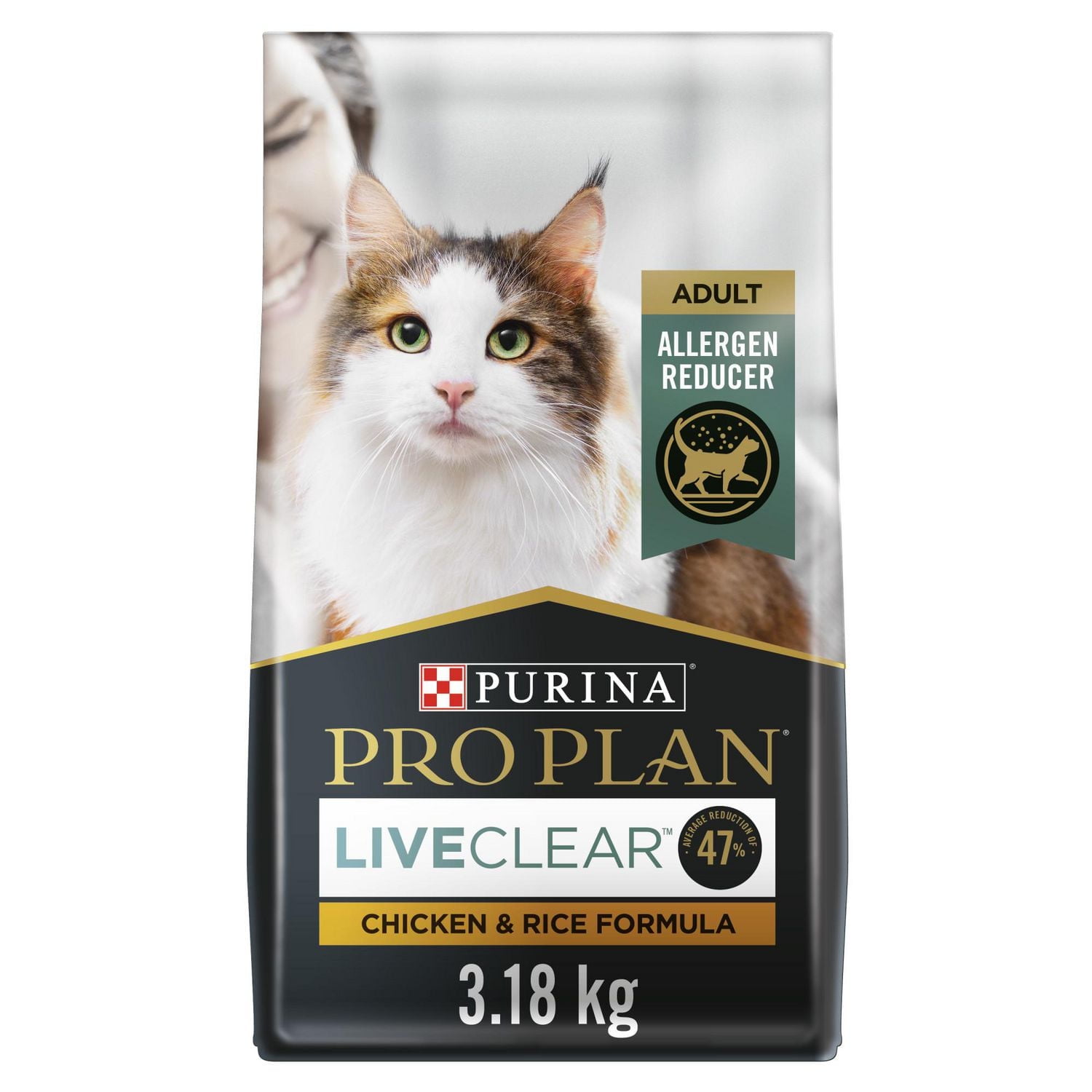
Credit: www.walmart.ca
Frequently Asked Questions
What Is Allergen Reducing Cat Food?
Allergen reducing cat food is specially formulated to minimize allergens. It often contains hydrolyzed proteins, which are broken down to reduce allergenic potential. This type of food can help decrease allergic reactions in sensitive cats and their owners, promoting a healthier living environment.
How Does It Reduce Cat Allergens?
Allergen reducing cat food reduces allergens by using hydrolyzed proteins and limited ingredients. These ingredients lower the production of Fel d 1 protein, the primary cat allergen. By minimizing this protein, the food helps reduce allergic reactions in both cats and humans.
Is Allergen Reducing Cat Food Safe?
Yes, allergen reducing cat food is generally safe for cats. It’s formulated to be nutritionally complete, providing essential nutrients while minimizing allergens. Always consult with a veterinarian before switching your cat’s diet to ensure it’s suitable for your pet’s specific needs.
Can It Help With Human Allergies?
Yes, allergen reducing cat food can help with human allergies. By reducing the levels of the Fel d 1 protein, it minimizes allergens in the environment. This can lead to fewer allergy symptoms for cat owners, making it easier for allergy sufferers to coexist with their feline friends.
Conclusion
Choosing allergen reducing cat food helps keep your pet healthy. It can lower allergy symptoms in both cats and owners. Good food supports your cat’s digestion and skin health. Watch for ingredients that cause reactions and avoid them. Consistent feeding with safe food makes a big difference.
Your cat will feel more comfortable and active. Simple changes in diet can improve life for both of you. Healthy cats mean happy homes. Start with allergen reducing food and see the benefits today.
