

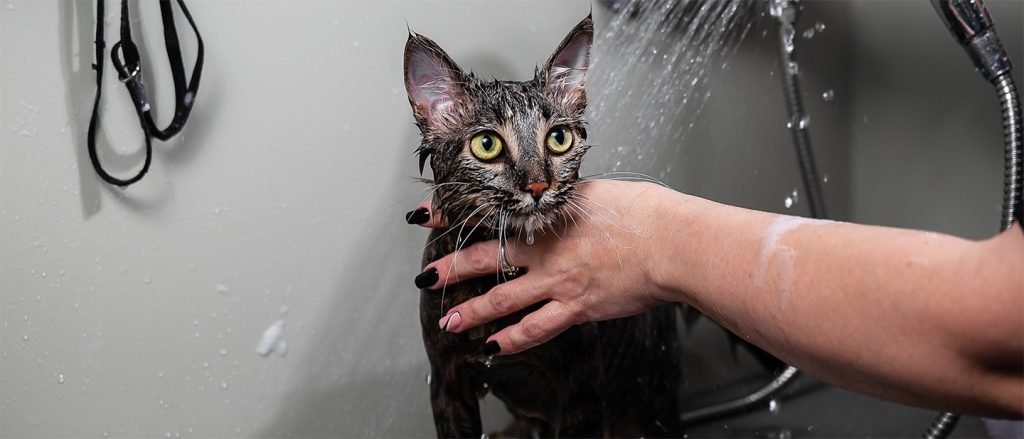
Have you ever wondered how often your cat really needs a bath? If you’ve asked yourself this question, you’re not alone.
Bathing your cat can seem tricky and even stressful—for both of you. But knowing the right frequency can keep your furry friend healthy and happy without causing unnecessary fuss. You’ll discover simple, clear answers that make grooming easier. Ready to learn when and why your cat needs a bath?
Keep reading to find out!
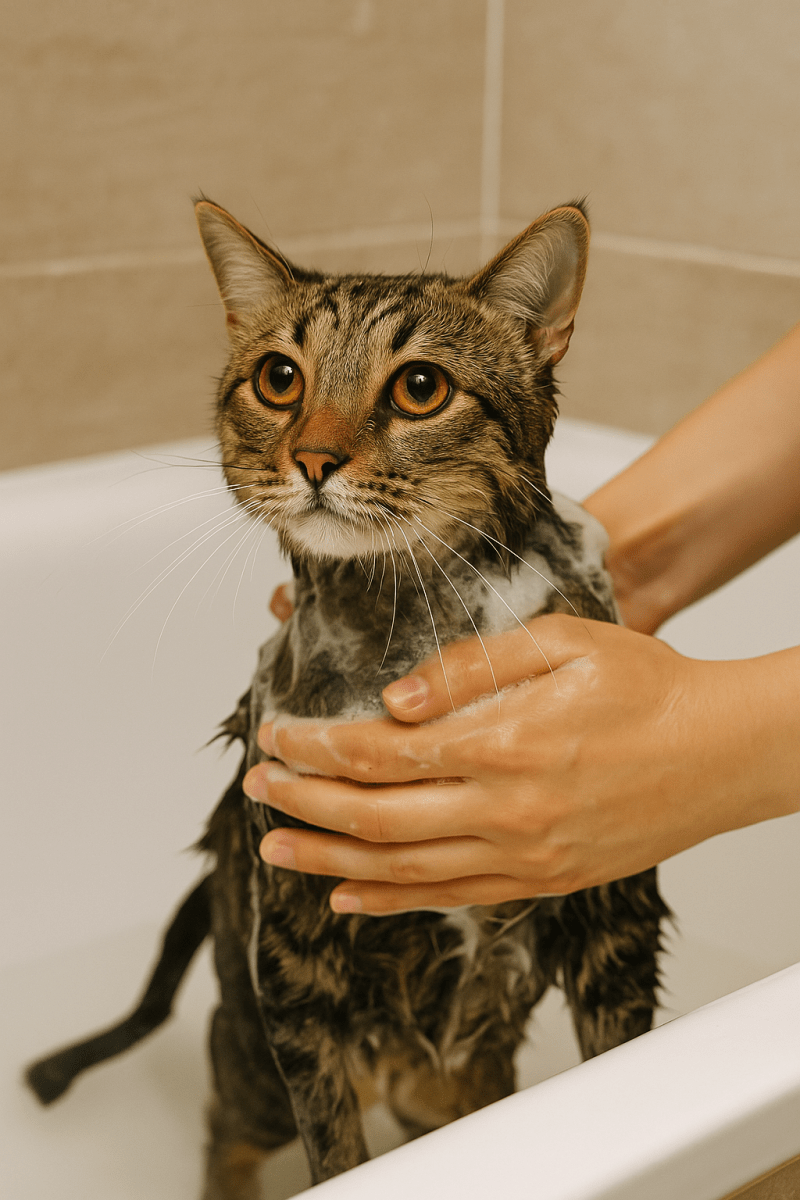
Credit: dirtbusters.co.uk
Cat Bathing Basics
Understanding cat bathing basics helps you decide how often your furry friend truly needs a bath. Cats are naturally clean animals, but sometimes, a bath becomes necessary to maintain their health and hygiene. Knowing when and why to bathe your cat can make the experience less stressful for both of you.
Natural Grooming Habits
Cats spend up to 50% of their waking hours grooming themselves. Their tongues are designed to remove dirt and loose fur efficiently. This natural behavior usually keeps them clean without any help from you.
Have you noticed how your cat licks its fur to stay shiny and smooth? That’s their way of controlling body odor and preventing mats. Most cats rarely get dirty enough to need a full bath because of these habits.
When Baths Are Necessary
Even though cats groom themselves, there are times when a bath is unavoidable. If your cat gets into something sticky, oily, or toxic, a bath is essential to remove harmful substances. You should also consider bathing if your cat has a skin condition that requires medicated shampoo.
Older or overweight cats might struggle to clean certain areas properly. In these cases, bathing helps maintain their hygiene and comfort. Ask yourself: does your cat smell bad or have visible dirt that won’t come off with grooming? If yes, it’s time for a bath.
Factors Affecting Bath Frequency
Bath frequency for cats depends on several key factors. These elements influence how often a cat needs a bath to stay clean and healthy. Understanding these factors helps pet owners maintain proper hygiene without stressing their pets. Bathing too often can dry out skin, while too little can lead to dirt buildup.
Cat’s Coat Type
Coat type plays a big role in bath needs. Short-haired cats usually stay cleaner longer. They often groom themselves well and need fewer baths. Long-haired cats collect more dirt and mats. They might require baths more often to prevent tangles and skin issues. Cats with oily or dense fur might also need more frequent baths.
Age And Health
Young kittens and older cats need gentle care. Kittens often do not need baths unless very dirty. Older cats may have trouble grooming themselves. Health problems can affect cleanliness too. Cats with skin conditions or obesity might need regular baths. Always check with a vet before bathing sick cats.
Lifestyle And Environment
A cat’s daily life impacts bath frequency. Indoor cats usually stay cleaner and need fewer baths. Outdoor cats get dirtier and may need baths more often. Cats that roam in muddy or dusty areas need regular cleaning. Cats that get into sticky substances or pests also require baths. Consider your cat’s habits before deciding bath times.
Signs Your Cat Needs A Bath
Knowing when your cat needs a bath can be tricky since cats are usually good at grooming themselves. However, there are clear signs that indicate your feline friend could use some extra cleaning. Paying attention to these signs helps keep your cat healthy and comfortable.
Visible Dirt And Odor
Is your cat’s fur looking dull or matted? Dirt and debris can build up, especially if your cat spends time outdoors or has long hair. A strong, unpleasant odor is a clear signal that a bath is overdue.
Sometimes you might notice sticky patches or even food crumbs stuck in their fur. These are simple but effective clues that your cat needs a bath to feel fresh again.
Skin Issues
If you see redness, flakes, or scabs on your cat’s skin, it might be time for a bath. Skin problems can worsen without proper cleaning, leading to discomfort or infections.
Scratching and excessive licking can also indicate irritation or dryness. Bathing with a gentle, cat-safe shampoo can soothe the skin and help remove allergens or irritants.
Allergies And Parasites
Does your cat suddenly scratch a lot or seem restless? Allergies or parasites like fleas can cause this behavior. A bath with a medicated shampoo designed for these issues can provide relief and remove pests.
Even if you don’t see fleas, your cat might still benefit from a bath if they are exposed to allergens such as pollen or dust. Regular checks and baths can keep these problems under control.

Credit: www.reddit.com
Safe Bathing Practices
Bathing a cat requires care and the right approach to keep them safe and calm. Cats usually groom themselves, so baths are only needed in special cases. Using safe bathing practices helps avoid stress and skin problems.
Prepare everything before you start. Have towels, shampoo, and warm water ready. Stay calm and gentle throughout the process. This creates a better experience for your cat and you.
Choosing The Right Shampoo
Pick a shampoo made for cats. Human shampoos or dog shampoos can harm your cat’s skin. Look for gentle, fragrance-free formulas. Avoid products with harsh chemicals or strong scents. A good cat shampoo will clean without drying out the skin.
Water Temperature Tips
Use warm water, not hot or cold. Test the temperature with your hand first. Water should feel comfortably warm, like a warm bath for a baby. Cold water can shock your cat, and hot water can burn. Keep water level low to avoid scaring your cat.
Bathing Techniques
- Place a rubber mat or towel in the sink or tub for grip.
- Start by wetting your cat slowly, avoiding the face.
- Apply shampoo gently, massaging the coat.
- Rinse thoroughly to remove all shampoo.
- Use a damp cloth to clean the face safely.
- Dry your cat with a soft towel, patting gently.
- Keep the room warm until your cat is dry.
Alternatives To Bathing
Bathing your cat isn’t always necessary to keep them clean and comfortable. Many cats dislike water, making baths stressful for both you and your furry friend. Luckily, there are practical alternatives that help maintain your cat’s hygiene without a full soak.
Dry Shampoo Options
Dry shampoos designed specifically for cats can be a real game-changer. These products absorb oils and dirt from your cat’s fur, leaving it fresh and clean. Just apply the powder or foam according to the instructions, then brush it out thoroughly.
Look for natural ingredients like oatmeal or aloe vera to avoid skin irritation. Have you noticed your cat’s coat getting greasy but dread the bath? Dry shampoo might be the simple fix you need.
Regular Brushing
Brushing your cat regularly does more than reduce shedding—it helps remove dirt and loose fur. Cats with longer coats especially benefit from daily grooming to prevent mats and tangles.
Use a brush suited to your cat’s fur type, and take a few minutes each day to make it a calming ritual. This not only keeps their coat healthy but strengthens your bond. How often do you spend time brushing your cat?
Spot Cleaning
Sometimes a full bath isn’t needed, but a quick clean-up is. Spot cleaning with a damp cloth or pet wipes works wonders on dirty paws or messy faces.
Be gentle, and avoid harsh soaps—plain water or wipes made for cats are best. This method keeps your cat comfortable without the stress of a bath. Have you tried spot cleaning after your cat’s outdoor adventures?
Aftercare And Grooming
After a bath, cats need special care to stay comfortable and healthy. Their skin and fur can feel sensitive. Proper aftercare helps avoid stress and keeps their coat shiny and clean. Grooming after a bath supports natural oils and prevents mats and tangles.
Drying Methods
Use a soft towel to gently pat your cat dry. Avoid rubbing hard to prevent skin irritation. Some cats tolerate a low-heat hairdryer if kept at a distance. Keep the room warm to stop your cat from feeling cold. Never leave your cat wet for long periods.
Brushing Post-bath
Brushing removes loose fur and prevents knots after drying. Use a brush suited for your cat’s fur type. Brush gently to avoid hurting their skin. Start with short sessions to keep your cat calm. Regular brushing improves blood flow and fur shine.
Rewarding Your Cat
Give your cat treats or gentle petting after grooming. Positive rewards help them associate baths with good experiences. Speak softly to comfort your cat during and after grooming. Patience and kindness build trust for future baths. Small rewards make a big difference.

Credit: pusa.ph
Frequently Asked Questions
How Often Should You Bathe A Cat?
Most cats do not need frequent baths. Bathing once every 4-6 weeks is enough for indoor cats. Long-haired or dirty cats may need more frequent baths. Always consider your cat’s health and grooming habits before bathing.
Can Frequent Baths Harm A Cat’s Skin?
Yes, frequent baths can dry out a cat’s skin. Over-bathing removes natural oils, causing irritation and itchiness. Limit baths to when necessary, and use cat-specific shampoos to protect their skin and coat.
What Signs Indicate A Cat Needs A Bath?
A cat may need a bath if it smells bad, has visible dirt, or oily fur. Skin infections or flea infestations also require bathing. Otherwise, most cats groom themselves well and rarely need baths.
Is It Safe To Bathe A Cat At Home?
Bathing a cat at home is safe with proper preparation. Use lukewarm water, cat shampoo, and gentle handling. Avoid water in ears and eyes. If unsure, consult a vet or professional groomer.
Conclusion
Cats usually do not need frequent baths. Most groom themselves well every day. Bathing too often can dry their skin. Only bathe your cat when really dirty or smelly. Use mild shampoo made for cats. Always be gentle and calm during baths.
Regular brushing helps keep fur clean and healthy. Watch your cat’s behavior to know what suits them best. Clean cats are happy cats. Keep their grooming routine simple and stress-free.
