

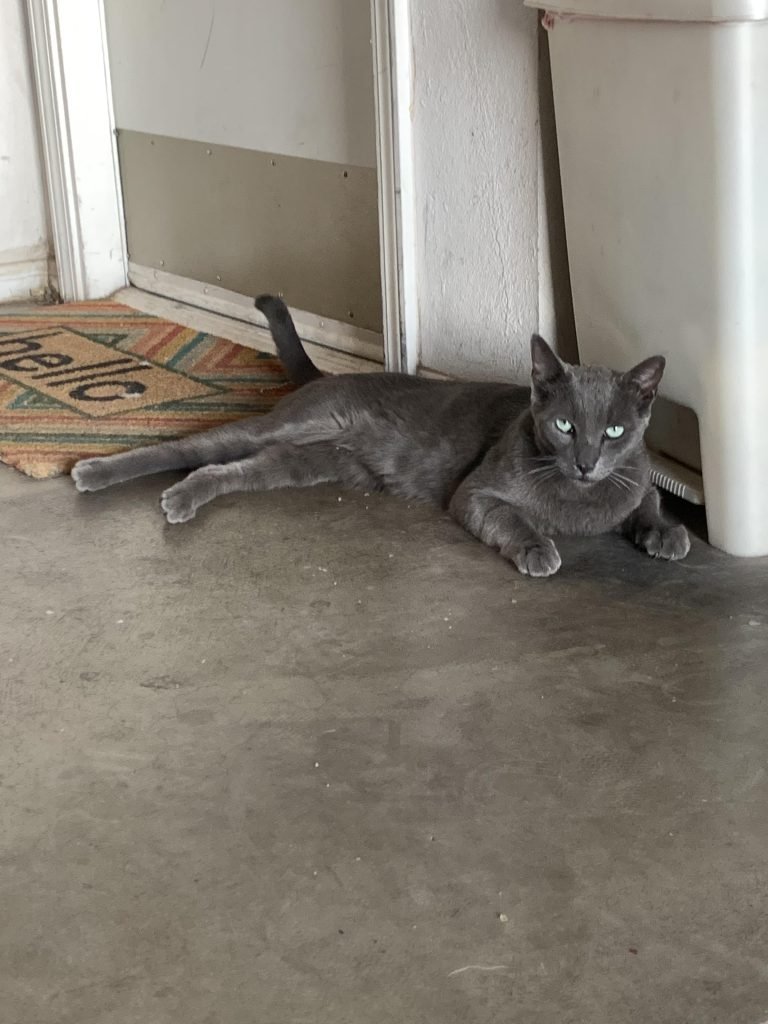
Finding a stray cat can tug at your heart and leave you wondering what to do next. You want to help, but the situation can feel confusing and overwhelming.
Should you take the cat in, call animal services, or try to find its owner? Your choices now can make a big difference for that cat’s safety and well-being. Keep reading to discover simple, effective steps you can take right away to protect and care for a stray cat you’ve just met.

Credit: www.humaneworld.org
Assess The Cat’s Condition
Assessing a stray cat’s condition is the first step to help it properly. It reveals the cat’s health and needs. Careful observation can guide your next actions.
Check For Injuries Or Illness
Look closely for visible wounds or bleeding. Notice if the cat limps or moves stiffly. Check eyes and nose for discharge or swelling. Watch for coughing or sneezing. A sick cat may be weak or lethargic. Immediate care may be necessary for serious injuries.
Look For Identification
Search for a collar with tags or contact details. Some cats have microchips scanned at a vet clinic. Identification helps find the owner quickly. It may also indicate if the cat has a home.
Observe Behavior And Temperament
Notice if the cat is calm or scared. A friendly cat may approach or purr. A frightened cat might hiss or hide. Understanding temperament helps decide how to handle the cat safely. Patience is important to build trust.

Credit: trapandreturn.com
Provide Immediate Care
Finding a stray cat can be a surprising experience, and your immediate actions can make a big difference. Providing quick and thoughtful care helps the cat feel safe and starts building trust. It also ensures the cat’s basic needs are met while you decide on the next steps.
Offer Food And Water
Stray cats often struggle to find reliable food sources. Offering fresh water and a small amount of nutritious food can help stabilize the cat quickly.
Wet cat food is ideal because it’s gentle on their stomach. If you don’t have cat food handy, plain cooked chicken or tuna can work temporarily.
Place the food and water in a quiet spot where the cat can eat without feeling threatened. Have you noticed how a cat’s body language changes once they start eating calmly?
Create A Safe Shelter
Stray cats need a warm, dry place to rest, especially if the weather is cold or rainy. A simple cardboard box lined with towels or blankets can offer immediate comfort.
Make sure the shelter is placed somewhere quiet and away from busy foot traffic or loud noises. This helps the cat feel secure and less stressed.
Think about what you would want if you were in their paws—wouldn’t a cozy hideaway make all the difference?
Handle The Cat Gently
Approaching a stray cat requires patience. Sudden movements or loud noises can scare them away or cause defensive behavior.
Use soft, calm voices and avoid direct eye contact at first. Let the cat come to you at its own pace rather than forcing interaction.
Wearing gloves can protect you from scratches, but try not to grab or hold the cat tightly. Have you ever noticed how trust builds slowly when you respect an animal’s space?
Decide On Next Steps
Finding a stray cat can leave you wondering what to do next. Deciding the right course of action is crucial for the cat’s well-being and your peace of mind. Taking a moment to evaluate the situation helps you make informed choices that benefit everyone involved.
Determine If The Cat Is Lost Or Feral
Start by observing the cat’s behavior. Is it approachable, friendly, or scared and aggressive? A lost cat often shows signs of familiarity with humans, like allowing you to come close or respond to your voice.
Look for identification such as a collar or tags. You might also check for a microchip at a vet or shelter. Feral cats, on the other hand, tend to avoid human contact and appear more defensive.
Ask yourself: Could this cat be someone’s pet or a wild stray? Your answer will guide your next steps effectively.
Contact Local Animal Shelters
Local animal shelters are a valuable resource for stray cats. They can scan for microchips and check if anyone has reported a missing pet matching the description.
Notify them about the cat as soon as possible. Shelters often have networks to reunite lost pets with their owners or provide care if the cat is feral.
Remember, shelters can also advise you on what to do if you decide to keep the cat or help it find a new home.
Reach Out To Rescue Groups
Rescue groups specialize in caring for and rehoming stray and feral cats. They often have experience with trapping, neutering, and socializing cats that need it.
Contacting these groups can connect you to resources like foster homes or low-cost veterinary care. Many rescues run Trap-Neuter-Return (TNR) programs that manage feral cat populations humanely.
Have you considered how a rescue group’s expertise might increase the cat’s chance of a happy life? They can offer options you might not find on your own.
Consider Trap-neuter-return (tnr)
Stray cats often face many dangers like traffic, disease, and hunger. Trap-Neuter-Return (TNR) is a humane way to help them. It reduces cat populations without harming the animals. TNR involves trapping stray cats, neutering or spaying them, and then returning them to their area. This method helps control the population and improves the cats’ quality of life.
Benefits Of Tnr
- Stops cats from having more kittens
- Reduces fighting and loud mating noises
- Decreases the spread of diseases among cats
- Improves cat health and behavior
- Protects local wildlife by controlling cat numbers
- Helps communities manage stray cat populations
How To Trap Safely
Use a humane trap designed for cats. Place food inside the trap to lure the cat. Check the trap often to avoid stress or injury. Cover the trap with a cloth to keep the cat calm. Wear gloves when handling the trap. Never leave a trapped cat unattended for long.
Finding A Tnr Program
Search for local animal shelters or rescue groups. Many offer free or low-cost TNR services. Contact veterinarians who may work with TNR groups. Some communities have volunteer organizations for stray cats. Ask neighbors or community centers for advice. Join online groups focused on cat care in your area.
Explore Adoption Options
Finding a new home for a stray cat can be a rewarding experience, but it requires thoughtful steps to ensure the cat’s well-being and the adopter’s readiness. You want to make sure the cat is healthy and comfortable before meeting potential adopters. At the same time, it’s important to find someone who will provide a loving and safe environment.
Preparing The Cat For Adoption
Start by taking the cat to a veterinarian for a full check-up. Vaccinations, flea treatment, and spaying or neutering are essential to prepare the cat for a new home.
Spend time socializing the cat. Let it get used to human touch and simple routines to help it feel secure around people.
Clean the cat and provide a calm space. A well-groomed, relaxed cat will make a better impression on potential adopters.
Screening Potential Adopters
Ask questions that reveal how the adopter plans to care for the cat. Do they have experience with pets? Are they ready for the responsibility?
Verify the adopter’s living situation. A safe, stable home with no immediate hazards is crucial for the cat’s safety.
Trust your instincts. If something feels off during conversations or visits, don’t hesitate to keep looking. The cat deserves the best possible home.
Promoting The Cat Online
Use clear, high-quality photos that show the cat’s personality. A friendly gaze or playful pose can make a big difference.
Write a detailed description highlighting the cat’s traits, history, and needs. Include what kind of home would suit the cat best.
- Post on local animal rescue websites and social media groups.
- Share with friends and community members who might know someone interested.
- Update posts regularly to keep the cat visible and attract more attention.
Have you ever thought about how your own experience with pets shapes the way you judge a potential adopter? Reflecting on this can help you make better choices for the cat’s future.

Credit: bowwowinsurance.com.au
Prevent Future Strays
Preventing future stray cats is essential if you want to make a lasting impact on your community. Taking action today can reduce the number of cats without homes tomorrow. Think about what small steps you can take to create a safer, healthier environment for cats and people alike.
Spay And Neuter Pets
Spaying and neutering your pets is one of the most effective ways to prevent more stray cats. It stops unwanted litters that might end up abandoned or lost. Many local shelters offer affordable or even free spay/neuter services, making it easier than ever to take this important step.
Have you noticed a neighborhood cat population growing quickly? Chances are, many of those cats are unaltered. By ensuring your pets are fixed, you directly reduce the cycle that leads to more strays wandering the streets.
Microchipping And Identification
Microchipping your cat or any pet can save lives. It’s a simple procedure that helps reunite lost pets with their owners quickly. Without identification, many cats end up in shelters or as strays because no one knows where they belong.
Think about this: if your pet slips out of your yard, will they find their way home? A collar with an ID tag is a good start, but microchipping provides permanent identification, no matter what happens. It’s a small investment with a huge payoff for your pet’s safety.
Community Awareness And Support
Your voice matters in your community. Sharing information about responsible pet ownership and stray prevention can encourage others to take action. Organizing or joining local efforts like trap-neuter-return (TNR) programs can make a big difference.
What if everyone in your neighborhood worked together to care for stray cats? Community support can provide food, shelter, and medical care while also reducing the number of new strays. You might be surprised how much change a few committed people can create.
Frequently Asked Questions
How Can I Safely Approach A Stray Cat?
Approach slowly and quietly to avoid scaring the cat. Use calm tones and extend a hand for sniffing. Avoid sudden movements and let the cat come to you for comfort.
What Should I Feed A Stray Cat Initially?
Offer wet cat food or plain cooked chicken. Avoid milk and human food, as they can upset the cat’s stomach. Fresh water is essential for hydration.
How Do I Check If A Stray Cat Is Lost?
Look for a collar or ID tag. Take the cat to a vet or shelter to scan for a microchip. Post flyers and check local lost pet groups online.
When Should I Call Animal Control For A Stray Cat?
Call animal control if the cat is injured, aggressive, or in danger. Also, contact them if you cannot safely handle or house the cat.
Conclusion
Stray cats need care and attention to stay safe. Start by offering food and water nearby. Try to find out if the cat has an owner. Contact local shelters or animal groups for help. Always be gentle and patient with the cat.
Helping a stray cat can save a life. Small actions make a big difference. Remember, kindness goes a long way. Take the first step today.
