

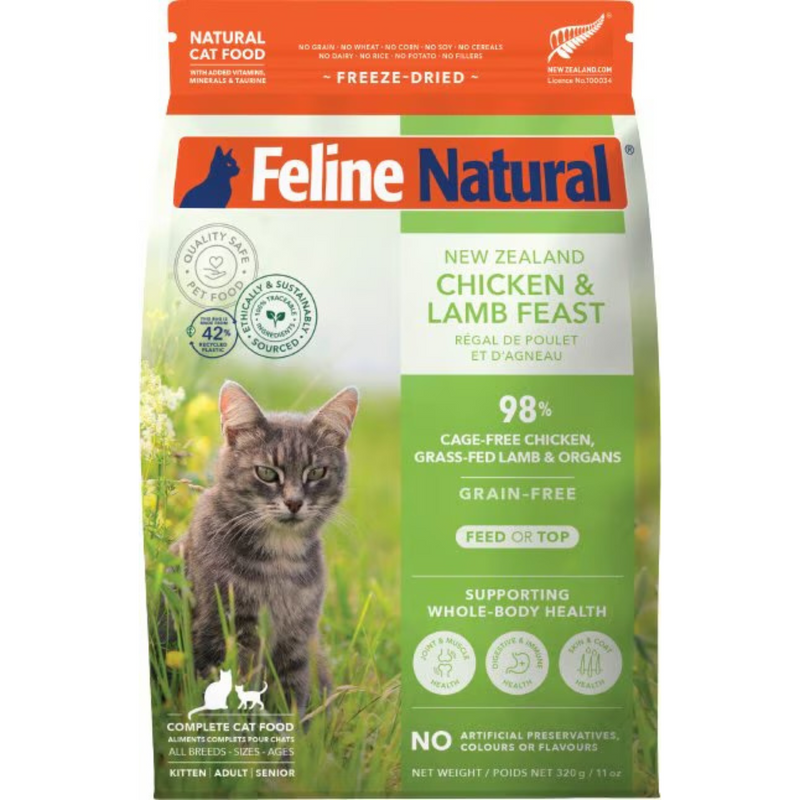
Are you concerned about what your cat eats every day? Choosing the right food can make a big difference in your furry friend’s health and happiness.
Organic cat food offers a natural, wholesome option that you can trust. It’s free from harmful chemicals and packed with real nutrients to keep your cat energetic and strong. If you want to give your pet the best, keep reading to discover why organic cat food might be the perfect choice for your beloved companion.
Benefits Of Organic Cat Food
Choosing organic cat food can make a significant difference in your feline friend’s health. It’s not just a trend; it’s about giving your cat cleaner, safer, and more nutritious meals. Here’s why switching to organic options matters for your pet’s well-being.
Improved Digestion And Nutrient Absorption
Organic cat food often contains higher-quality ingredients that are easier for your cat’s digestive system to handle. Without fillers and artificial additives, your cat can absorb more nutrients effectively.
Have you noticed your cat’s stool becoming firmer or their energy levels rising after a food change? That’s a good sign their digestion is improving. Better digestion means your cat gets the full benefit of every meal.
Reduced Exposure To Harmful Chemicals
Conventional cat food can contain pesticides, antibiotics, and synthetic hormones. Organic food avoids these harmful substances, reducing your cat’s risk of long-term health issues.
Think about what you put in your own body—doesn’t it make sense to protect your cat from potentially toxic ingredients? Feeding organic helps you do just that by minimizing chemical exposure.
Enhanced Immune System Support
Organic cat food is rich in natural antioxidants and essential nutrients that support your cat’s immune system. A strong immune system helps your cat fight off infections and stay healthier.
Notice how your cat bounces back faster from minor illnesses or seems less prone to allergies? Organic food plays a role in keeping their defenses strong and ready.
Key Ingredients In Organic Cat Food
Organic cat food contains ingredients that are pure and free from harmful chemicals. These ingredients provide essential nutrients for your cat’s health and well-being. Understanding the key components helps you choose the best food for your feline friend. Here are the main ingredients found in organic cat food.
Organic Proteins And Their Sources
Protein is vital for muscle growth and repair in cats. Organic cat food uses proteins from natural sources without pesticides or artificial additives. Common sources include:
- Organic chicken
- Organic turkey
- Organic fish like salmon or whitefish
- Organic beef
These proteins support strong muscles and healthy energy levels.
Natural Vitamins And Minerals
Vitamins and minerals keep your cat’s body working well. Organic cat food gets these nutrients from fruits, vegetables, and natural supplements. Examples are:
- Vitamin A from carrots and sweet potatoes
- Vitamin E from sunflower seeds
- Calcium from organic bone meal
- Iron from spinach and other greens
These nutrients help with immunity, bone strength, and overall health.
Essential Fatty Acids From Organic Oils
Fatty acids support a shiny coat and healthy skin. Organic oils provide omega-3 and omega-6 fatty acids naturally. Popular sources include:
- Flaxseed oil
- Fish oil from wild-caught fish
- Sunflower oil
- Olive oil
These fats help reduce inflammation and improve brain function.
Choosing The Right Organic Cat Food
Choosing the right organic cat food is essential for your cat’s health and happiness. Cats need food that meets their unique nutritional needs while avoiding harmful chemicals. Organic cat food offers natural ingredients, but not all products are the same. Understanding how to select the best option helps keep your cat strong and energetic.
Reading Labels And Certifications
Check the label for clear ingredient lists. Organic cat food should have certified organic logos. Look for USDA Organic or similar trusted certifications. These ensure the food meets strict organic farming rules. Avoid vague terms like “natural” without proof. Quality labels guarantee fewer pesticides and no synthetic additives.
Tailoring To Your Cat’s Age And Health
Cats have different needs at each life stage. Kittens require more protein and calories for growth. Adult cats need balanced nutrients to maintain health. Senior cats benefit from foods that support joints and digestion. Also, consider any health issues like allergies or sensitivities. Choose formulas made for your cat’s specific age and condition.
Avoiding Common Additives And Fillers
Many cat foods contain fillers that add no nutrition. Watch out for corn, wheat, and soy as main ingredients. These can cause allergies or upset stomachs. Avoid artificial colors, flavors, and preservatives too. Organic cat food should focus on whole meats, vegetables, and grains. Clean ingredients lead to better digestion and energy.

Credit: www.simpsonspremium.com
Preparing Homemade Organic Cat Meals
Preparing homemade organic cat meals allows you to control what your cat eats. It ensures fresh, natural ingredients without harmful additives. You can tailor meals to your cat’s taste and health needs. Making food at home also helps avoid preservatives and fillers common in commercial cat food.
Safe Organic Ingredients To Use
Choose organic meats like chicken, turkey, and fish. These provide essential protein for your cat’s muscles and energy. Include organic vegetables such as carrots, peas, and spinach. These add vitamins and fiber. Avoid onions, garlic, and grapes as they are toxic to cats. Use organic eggs occasionally for extra protein and nutrients.
Balancing Nutrients For Optimal Health
Cats need protein, fats, and some carbohydrates. Protein should make up most of the meal. Add healthy fats from fish oil or flaxseed oil to support skin and coat. Include a small amount of cooked vegetables for fiber. Use supplements like taurine, calcium, and vitamins recommended by your vet. Proper balance prevents health problems and keeps your cat active.
Storage And Serving Tips
Store homemade meals in airtight containers to keep food fresh. Refrigerate for up to three days or freeze portions for longer storage. Thaw frozen meals safely before serving. Serve food at room temperature to encourage eating. Clean bowls after each meal to avoid bacteria build-up. Fresh water should always be available alongside meals.
Transitioning Your Cat To Organic Food
Switching your cat to organic food requires patience and care. Cats can be sensitive to changes in their diet. A smooth transition helps avoid digestive issues and food refusal. Follow simple steps to make the change easy and stress-free for your pet.
Step-by-step Switching Process
- Start by mixing a small amount of organic food with your cat’s current food.
- Gradually increase the organic portion over 7 to 10 days.
- Watch your cat’s interest and adjust the pace if needed.
- Keep fresh water available at all times during the transition.
- Offer meals at regular times to build a routine.
Monitoring Your Cat’s Reaction
Observe your cat’s behavior daily. Look for any changes in appetite or energy. Check for vomiting, diarrhea, or constipation. Note if your cat seems more playful or calm. Keep a journal to track progress and any concerns.
Addressing Common Transition Challenges
- If your cat refuses the new food, try warming it slightly to enhance smell.
- Mix wet and dry organic food to add variety and texture.
- Offer small treats of organic food to encourage tasting.
- Consult your vet if your cat shows signs of allergies or stomach upset.
- Be patient—some cats take longer to accept new food.
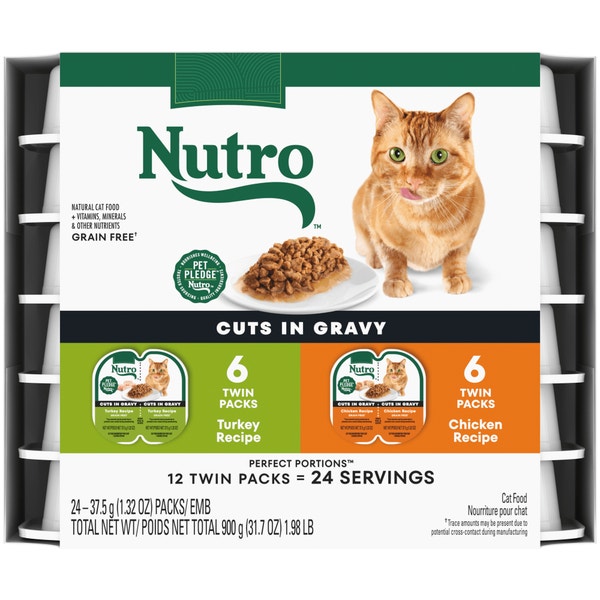
Credit: www.nutro.ca
Myths And Facts About Organic Cat Food
Organic cat food sparks a lot of debate among pet owners. Some believe it’s just a pricey trend, while others swear by its benefits. Sorting out the myths from the facts can help you make better decisions for your feline friend’s health and happiness.
Debunking Common Misconceptions
Many people think organic cat food is just about being “natural.” But it goes beyond that. Organic means the ingredients are grown without synthetic pesticides, fertilizers, or GMOs, which can reduce harmful chemicals in your cat’s diet.
Another myth is that organic cat food lacks nutrients compared to conventional options. On the contrary, it often contains high-quality proteins and essential vitamins that support your cat’s wellbeing.
Some owners worry organic cat food might upset their pet’s stomach due to ingredient changes. I tried switching my cat to organic and noticed a smoother digestion and shinier coat after a few weeks. That’s a sign of improved health, not trouble.
Scientific Evidence Supporting Organic Choices
Scientific studies highlight that organic foods generally have fewer pesticide residues. This is important for cats since they are sensitive to toxins that can build up over time.
Research also shows organic ingredients maintain higher antioxidant levels. These antioxidants help fight inflammation and support a strong immune system, which your cat needs to stay active and healthy.
Think about the long term: feeding your cat organic food might reduce the risk of exposure to harmful chemicals linked to allergies and chronic diseases. Wouldn’t you want to give your cat the best chance at a healthy life?
Cost Considerations And Budget Tips
Choosing organic cat food involves thoughtful cost considerations. Many pet owners worry about the price difference between organic and conventional options. Budgeting smartly can help provide your cat with healthy meals without overspending. Understanding price variations and spotting quality brands supports better buying decisions.
Comparing Prices With Conventional Food
Organic cat food often costs more than regular brands. This price gap comes from organic ingredients and stricter production rules. Conventional food uses cheaper fillers and additives. Despite higher prices, organic food offers better nutrition and fewer chemicals. Consider the long-term health benefits that may reduce vet bills.
Finding Quality Organic Brands
Not all organic brands are equal. Look for labels with certified organic seals. Check ingredient lists for whole foods and avoid artificial additives. Some brands balance quality and price well. Reading reviews and asking for recommendations helps find trustworthy options. Buying from local or smaller producers can also lower costs.
Saving Money Without Compromising Quality
- Buy in bulk to reduce cost per serving.
- Subscribe to subscription services for discounts.
- Mix organic with conventional food gradually.
- Use coupons and promotions from pet stores.
- Prepare some meals at home using organic ingredients.
These tips help maintain your cat’s diet quality while managing expenses. A little planning goes a long way toward feeding your pet well.
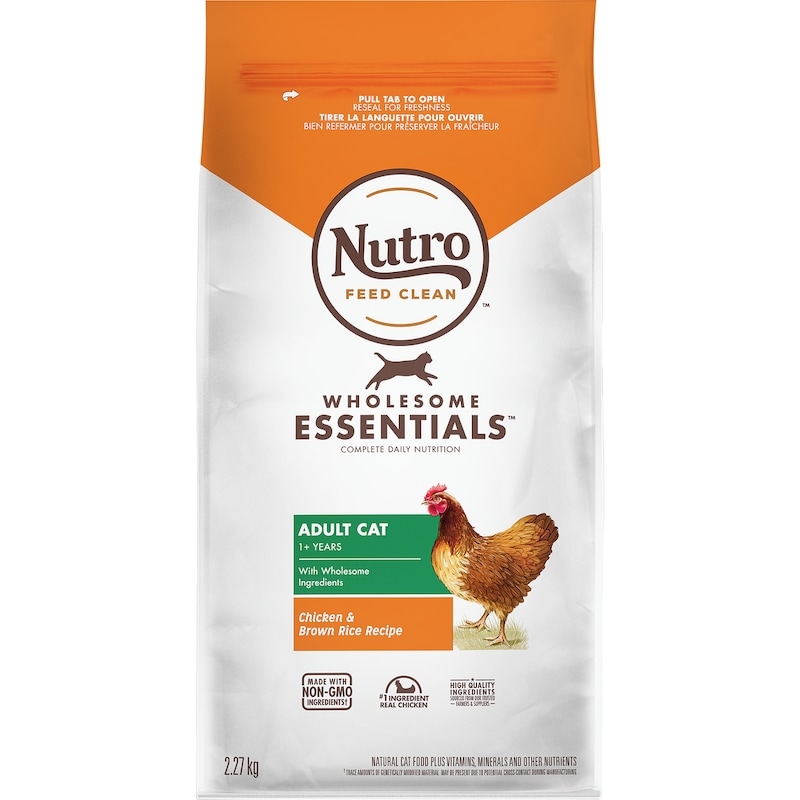
Credit: www.newfoundlandgrocerystores.ca
Frequently Asked Questions
What Are The Benefits Of Organic Cat Food?
Organic cat food contains natural ingredients without chemicals. It supports better digestion, boosts immunity, and reduces allergies in cats. This food is free from artificial additives, ensuring safer and healthier meals for your pet.
How Is Organic Cat Food Different From Regular Cat Food?
Organic cat food uses certified organic ingredients, avoiding pesticides and synthetic fertilizers. Regular cat food may contain fillers and artificial preservatives. Organic options focus on quality, nutrition, and natural sourcing, promoting overall feline health.
Can Organic Cat Food Improve My Cat’s Health?
Yes, organic cat food can improve health by providing nutrient-rich, chemical-free ingredients. It often enhances coat quality, energy levels, and digestion. Feeding organic helps reduce exposure to harmful substances found in conventional cat foods.
Is Organic Cat Food More Expensive Than Regular Options?
Typically, organic cat food costs more due to higher quality ingredients and certification processes. However, the health benefits and improved nutrition often justify the price. Investing in organic food can lead to fewer vet visits and better pet wellbeing.
Conclusion
Choosing organic cat food supports your pet’s health and well-being. It offers natural ingredients free from harmful chemicals. Cats often enjoy the taste and feel better eating clean food. Organic options can help reduce allergies and digestive problems. Feeding your cat this way shows you care about their long life.
Small changes in diet can make a big difference. Give your cat the best by choosing organic food today. Your pet deserves food that nourishes and protects. Simple, healthy choices lead to happy, active cats.
