

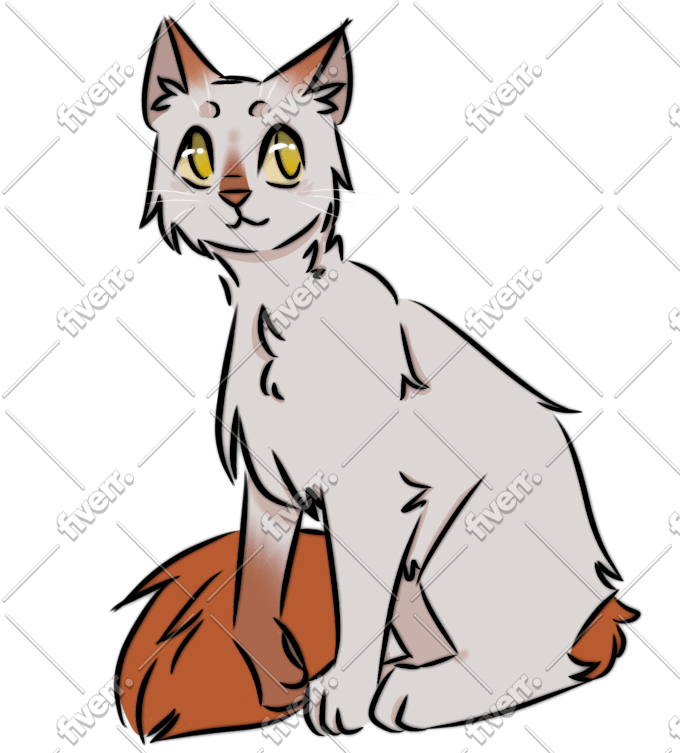
Have you ever wanted to bring a fierce, brave warrior cat to life on paper? Drawing a warrior cat can be both fun and rewarding, whether you’re a beginner or just looking to improve your skills.
In this guide, you’ll discover simple steps to create your very own fierce feline, capturing its strength and spirit. Ready to impress your friends with your art? Keep reading, and you’ll learn how to draw a warrior cat that stands out with power and personality.
Gathering Your Materials
Gathering your materials is the first step to drawing a Warrior Cat. Having the right tools helps you bring your vision to life. It makes the process smooth and enjoyable. Prepare your workspace with clean surfaces and good lighting. This creates a comfortable drawing environment.
Essential Drawing Tools
- Pencil: Use a sharp pencil for clear lines and easy corrections.
- Eraser: A soft eraser helps remove mistakes without damaging paper.
- Paper: Choose smooth, white paper that holds pencil marks well.
- Sharpener: Keep your pencil sharp for fine details.
- Ruler: Useful for drawing straight lines and measuring proportions.
Optional Supplies For Details
- Colored pencils: Add color and depth to your Warrior Cat drawing.
- Fine liners: Perfect for outlining and enhancing line work.
- Blending stump: Helps create smooth shading and texture.
- White gel pen: Adds highlights and bright details.
- Reference images: Keep pictures of cats or Warrior Cats for accuracy.
Credit: www.reddit.com
Sketching The Basic Shape
Sketching the basic shape is the first and most important part of drawing a Warrior Cat. This stage sets the foundation for the entire artwork. It helps capture the cat’s form and movement before adding details. A simple, clear sketch guides the drawing process and keeps proportions correct.
Start with light lines that you can erase or adjust later. Focus on getting the overall shape and pose right. This approach makes the final drawing look natural and balanced. Keep your hand relaxed and make gentle strokes.
Choosing The Right Pose
Pick a pose that shows the cat’s character and mood. Warrior Cats are often brave and alert, so poses like standing tall or crouching work well. Think about the story behind the cat. Is it ready for battle or quietly watching?
Simple poses help beginners focus on basic shapes. More dynamic poses add energy but need more practice. Try sketching different poses quickly to find the best one.
Drawing The Cat’s Body Framework
Start with basic shapes like circles and ovals to form the body. Use a large oval for the torso and a smaller circle for the head. Connect these with simple lines for the neck and spine.
Use light lines to mark where the legs and tail will go. The legs can be sketched as straight or slightly bent lines. The tail should flow naturally from the back.
Keep proportions in mind. The head should be smaller than the body but not too tiny. The legs need to look strong but flexible. This framework helps add muscles and fur details later.
Adding Facial Features
Adding facial features brings your Warrior Cat to life. It’s where personality starts to peek through the lines on the page. Focus on small details like eyes and nose to capture the spirit of your character.
Shaping The Eyes And Nose
The eyes are the windows to your Warrior Cat’s soul. Start by drawing almond-shaped eyes that tilt slightly upward or downward depending on the mood you want.
Use simple curved lines for the eyelids and add a small circle for the pupil. Remember, the pupil size changes the cat’s expression—larger pupils make it look curious or scared, smaller pupils give a fierce look.
The nose sits right between the eyes and needs to be subtle but clear. Draw a small triangle or upside-down heart shape just above the mouth line. Adding a few dots around the nose helps suggest whiskers.
Expressing Emotion Through The Face
What makes your Warrior Cat unique is the emotion you show on its face. Think about what your cat is feeling—pride, anger, curiosity, or sadness.
Adjust the eyebrows and mouth to reflect these emotions. A slight furrowed brow can show determination, while a relaxed mouth can express calmness.
Try sketching the same face with different emotions. You’ll notice how tiny changes make a big impact. What emotion do you want your Warrior Cat to express?

Credit: www.youtube.com
Designing Fur Patterns
Designing fur patterns is a crucial part of drawing a Warrior Cat that feels alive and unique. The fur tells a story about your cat’s personality, tribe, and even its history. Paying close attention to patterns can make your artwork stand out and connect deeply with fans of the series.
Creating Unique Markings
Start by thinking about what makes your cat special. Are they a stealthy hunter with dark stripes, or a bold leader with bright patches? Mix common patterns like spots, stripes, and patches in unexpected ways to avoid generic looks.
Try sketching several quick thumbnails of different marking ideas. This helps you experiment without getting stuck on details. Have you ever noticed how some cats in the books have scars or faded patches? Adding these subtle features can tell a story without words.
Don’t hesitate to use asymmetry. Real cats rarely have perfectly balanced patterns. One side can be darker or have more spots than the other. This imperfection adds realism and personality to your drawing.
Using Texture To Add Depth
Texture transforms flat fur into something you can almost feel. Use short, quick pencil strokes or digital brushes to mimic the direction and flow of fur. Layering these strokes creates a sense of volume and movement.
Think about the cat’s environment. A forest cat’s fur might look rougher or more tangled, while a house cat’s fur could appear smoother and shinier. Adding these details helps viewers imagine the cat’s daily life.
Try blending light and shadow carefully. Highlight raised areas like the cheeks and shoulders, and darken creases and shadows under limbs. This contrast not only adds depth but also guides the viewer’s eye through your drawing.
Incorporating Warrior Elements
Adding warrior elements to your cat drawing instantly gives it character and depth. These details tell a story about the cat’s strength, skills, and history. Paying attention to these can transform a simple cat sketch into a fierce and memorable warrior.
Adding Accessories And Armor
Accessories and armor bring your warrior cat to life by showing its readiness for battle. Think about collars made from braided leather, tiny shoulder guards, or even metal bands around the legs. These details suggest protection and status.
Try mixing materials like soft cloth wraps with hard metal plates to create contrast. You can add scars or scratches on the armor to hint at past fights. What kind of accessories would match your cat’s personality—is it a stealthy scout or a bold leader?
Posing For A Fierce Look
The pose you choose speaks volumes about your warrior cat’s attitude. A low crouch with narrowed eyes suggests readiness to pounce, while a tall, proud stance with the tail flicked shows confidence and control.
Experiment with angles—turn the head slightly, tilt the ears back, or flare the whiskers to add tension and emotion. Have you noticed how small changes in posture can instantly shift the mood of your drawing?
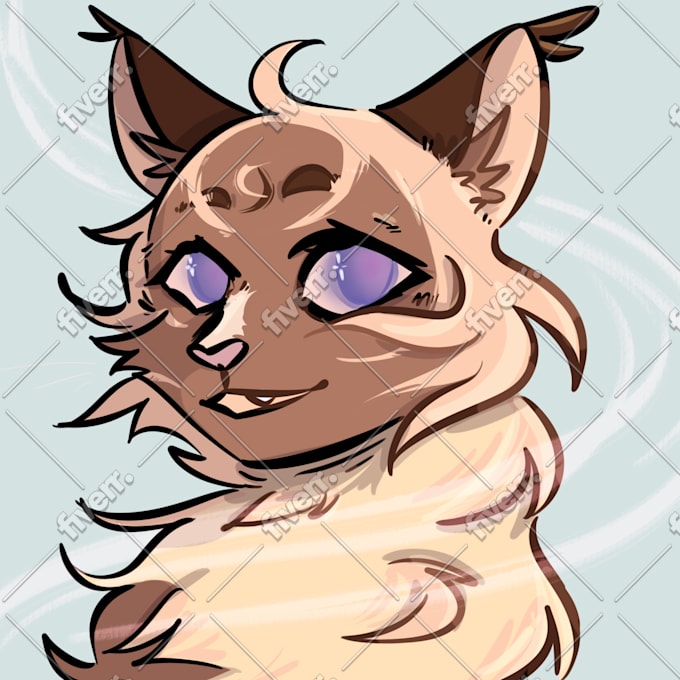
Credit: www.fiverr.com
Inking And Refining Lines
Inking and refining lines is where your Warrior Cat drawing truly begins to take shape. This stage transforms rough sketches into clean, bold artwork that pops off the page. Paying close attention here will make your drawing look professional and ready to impress.
Choosing Ink Tools
Your choice of ink tools influences how crisp and dynamic your lines will be. Many artists prefer fine liners or technical pens because they offer consistent line width and control. If you like variation in line thickness, consider using brush pens—they help add character and depth to your Warrior Cat’s fur and features.
Have you tried combining different pen sizes? Using a thicker pen for outlines and a finer tip for details can create a striking contrast. It’s worth experimenting with what feels comfortable in your hand and suits your style best.
Cleaning Up Sketch Lines
After inking, your sketch may still show faint pencil marks that distract from the final lines. Gently erase these using a soft eraser to avoid smudging your ink. Take your time here; rushing can accidentally smudge or damage your clean lines.
Look closely at your drawing—are some lines uneven or shaky? You can go back with your pen to fix or darken areas that need more definition. This refining step sharpens your Warrior Cat’s expression and brings out those unique details that make your art stand out.
Coloring Techniques
Coloring brings a warrior cat drawing to life. It adds depth and emotion to the character. Using the right coloring techniques creates a powerful image. Simple techniques can make your drawing stand out. Focus on choosing colors and blending them well. These steps help your warrior cat look realistic and vibrant.
Selecting A Color Palette
Choose colors that match the cat’s personality and environment. Earthy tones work for forest warriors. Bright colors suit bold, confident cats. Consider fur patterns like stripes or spots. Limit your palette to three or four main colors. This keeps the drawing balanced and clean. Use lighter shades for highlights and darker ones for shadows.
Blending And Shading
Blending softens the transitions between colors. Use a gentle touch with pencils or brushes. Shade areas where light naturally falls less. Common places include under the chin, behind ears, and belly. Layer colors gradually for smooth effects. Avoid harsh lines between shaded and light areas. This technique adds volume and realism to fur and muscles.
Final Touches And Highlights
The final touches and highlights bring your Warrior Cat drawing to life. These small details create depth and make the image more vibrant. Focus on light and shadow to give your cat a natural look. Pay attention to the eyes, fur, and other features that need extra care. This stage transforms a simple sketch into a striking piece of art.
Adding Light Reflections
Light reflections make your Warrior Cat look more lively. Use a white or very light color to add small spots of light on the eyes. This gives a shiny, wet effect that feels real. Add soft reflections on the nose and whiskers to enhance texture.
Shine on the fur shows the direction of light. Use gentle strokes with a lighter shade than the base color. Focus on areas that naturally catch light, like the top of the head or back. These highlights create a three-dimensional effect.
Enhancing Details For Realism
Small details bring realism to your drawing. Add fine lines to the fur using a sharp pencil or fine brush. Vary the length and direction of the strokes to mimic natural fur patterns.
Define the eyes by drawing the iris and pupil clearly. Use shading to create depth inside the eye. Outline the ears with gentle shadows to make them stand out.
Include subtle shadows under the chin and around the legs. These shadows ground the cat and give a sense of weight. Soft shading under the paws shows contact with the ground.
Common Mistakes To Avoid
Drawing a Warrior Cat can be thrilling, but certain mistakes can slow you down or lead to frustration. Knowing what to avoid helps you focus on what matters most—bringing your cat to life on paper with confidence and style.
Proportion Errors
Getting the proportions wrong is a common pitfall. Cats have distinct body shapes—long legs, a lean torso, and a defined head size. If the legs are too short or the head too large, your drawing might look awkward or unrealistic.
Try sketching basic shapes first to map out the body parts. Notice how the head relates to the body length and how the tail balances the figure. Have you ever seen a cat with giant paws that look out of place? That’s a sign the proportions need adjustment.
Overcomplicating The Design
It’s easy to get carried away adding details like excessive fur lines, complex patterns, or too many accessories. This can clutter your drawing and hide the cat’s natural grace. Simplicity often brings more impact.
Focus on key features that define your Warrior Cat’s personality—sharp eyes, a bold stance, or unique markings. Ask yourself: does this detail tell a story or just fill space? Cutting down on unnecessary elements will make your drawing cleaner and more powerful.
Tips For Continuous Improvement
Improving your skills in drawing a Warrior Cat takes patience and dedication. Growth happens through consistent effort and learning from different sources. Here are some tips to help you keep getting better with each drawing.
Practicing Regularly
Practice is the foundation of improvement. Set aside time daily or weekly to draw your Warrior Cats. Even short sessions help you notice small progress over time.
Try to challenge yourself by drawing different poses, expressions, and scenes. This variety keeps your skills sharp and prevents boredom. Ask yourself, which part of your drawing needs more attention today?
Studying Real Cats And Art Styles
Look closely at real cats to understand their anatomy and movements. Watch how their muscles stretch and how light falls on their fur. This knowledge makes your drawings more lifelike.
Also, explore different art styles from other artists. Notice how they use lines, shading, and color to bring Warrior Cats to life. Which styles resonate with you? Try combining elements from several to create your unique touch.
Frequently Asked Questions
How Do You Start Drawing A Warrior Cat?
Begin with a simple cat outline using basic shapes. Sketch the head, body, legs, and tail lightly. Focus on getting the proportions right before adding details.
What Tools Are Best For Drawing Warrior Cats?
Use pencils for initial sketches and fine liners for outlines. Colored pencils or markers work well for adding colors. Digital tools can also enhance your artwork.
How Do You Add Details To A Warrior Cat Drawing?
Start by drawing facial features like eyes and ears. Add fur patterns, scars, and unique markings. Use shading to give depth and texture to the drawing.
Can I Use References For Drawing Warrior Cats?
Yes, using references helps improve accuracy and creativity. Look at cat photos or Warrior Cats fan art for inspiration. References guide you in capturing realistic poses and expressions.
Conclusion
Drawing a Warrior Cat can be simple and fun. Start with basic shapes and add details step by step. Practice helps you improve your skills quickly. Use your imagination to create unique characters. Keep trying, and don’t worry about mistakes.
Every drawing gets better with time. Enjoy the process and share your art with friends. Drawing is a great way to relax and express yourself. Keep drawing, and you will see great progress soon.
