

If you have a cat, you know how important a clean litter box is—for both your pet’s comfort and your home’s freshness. But how often should you really change the cat litter?
Changing it too rarely can cause odors and health issues, while changing it too often might waste time and money. You’ll discover the perfect schedule to keep your cat happy and your space smelling clean. Keep reading to learn simple tips that make litter box care easy and stress-free!

Credit: perfectpetzzz.com
Cat Litter Basics
Understanding the basics of cat litter is essential for maintaining a clean and healthy home. Cat litter helps absorb moisture and control odors from your cat’s waste. It provides a designated spot for your cat to relieve itself, making cleanup easier for you.
Choosing the right type of cat litter and knowing how it works can improve your cat’s comfort and keep your space fresh. Let’s explore the common types of cat litter and how each type functions.
Types Of Cat Litter
- Clumping Clay Litter:Absorbs liquid and forms clumps for easy scooping.
- Non-Clumping Clay Litter:Absorbs moisture but does not form clumps; requires full replacement often.
- Silica Gel Litter:Contains crystals that absorb moisture and control odor longer.
- Biodegradable Litter:Made from natural materials like corn, wheat, or pine; eco-friendly and compostable.
How Cat Litter Works
Cat litter absorbs urine and traps odors to keep the litter box clean. Clumping litter forms solid clumps, making waste easy to remove. Non-clumping litter soaks up moisture but needs full changing more often. Silica gel traps moisture in crystals, reducing the need for frequent changes. Biodegradable litters break down naturally, making them better for the environment.
Regular scooping and proper litter choice help keep the box fresh. Understanding these basics helps you decide how often to change your cat’s litter.
Frequency Of Changing Litter
Keeping your cat’s litter box clean is important for their health and comfort. Knowing how often to change the litter helps maintain a fresh environment. The frequency depends on daily care and full litter replacement routines. Adjusting these habits can prevent odors and keep your cat happy.
Daily Maintenance
Remove clumps and solid waste every day. This stops bad smells from building up. Scoop the litter box at least once a day. Clean scooping encourages your cat to use the box regularly. It also reduces bacteria growth and keeps the litter fresh.
Weekly Full Changes
Empty the entire litter box once a week. Wash the box with mild soap and water. Dry it completely before adding new litter. Full changes prevent germs and stains from developing. Weekly cleaning creates a healthier space for your cat.
Factors Influencing Frequency
- Number of cats using the box
- Type of litter used
- Size of the litter box
- Cat’s health and habits
- Room temperature and humidity
More cats need more frequent cleaning. Clumping litter may require less frequent full changes. Monitor your cat’s behavior and litter condition to adjust timing. Keeping the box fresh supports your cat’s well-being.
Signs To Change Cat Litter
Knowing when to change your cat’s litter is key to keeping your home fresh and your feline friend happy. It’s not just about sticking to a schedule; it’s about paying attention to specific signs that tell you the litter needs refreshing. Ignoring these signs can lead to unpleasant odors, clumping problems, and even changes in your cat’s behavior.
Odor Detection
One of the most obvious signals is a strong, lingering smell coming from the litter box. If you notice unpleasant odors even after scooping, it’s time for a full litter change. This happens because the litter absorbs urine and waste over time, losing its ability to neutralize smells.
Ask yourself: Is the smell making your living space uncomfortable? If yes, don’t wait—your cat deserves a fresh, clean box.
Clumping Issues
Clumping litter should form tight clumps when your cat urinates. If you find loose, crumbly, or powdery clumps, it means the litter has lost its effectiveness. This can result in a messy box and more frequent cleaning hassles.
When clumps break apart easily, it’s a clear sign the litter needs changing. Keeping fresh litter ensures easier scooping and a cleaner environment for your cat.
Cat Behavior Changes
Changes in your cat’s bathroom habits can indicate the litter box condition is off. If your cat starts avoiding the box, scratching excessively, or using other areas of your home, the litter might be the problem. Cats are very particular about cleanliness and comfort.
Have you noticed your cat hesitating before entering the box or showing signs of discomfort? This behavior often points to the litter needing a refresh to keep your cat content and stress-free.
Tips For Maintaining Clean Litter Boxes
Keeping your cat’s litter box clean is key to a happy pet and a fresh home. It goes beyond just changing the litter regularly. Small daily habits make a big difference in maintaining cleanliness and reducing odors.
Scoop Regularly
Scooping waste daily keeps the litter box inviting for your cat. It prevents clumps from building up and stops smells from spreading. Imagine how much fresher your home feels when you scoop twice a day instead of once a week.
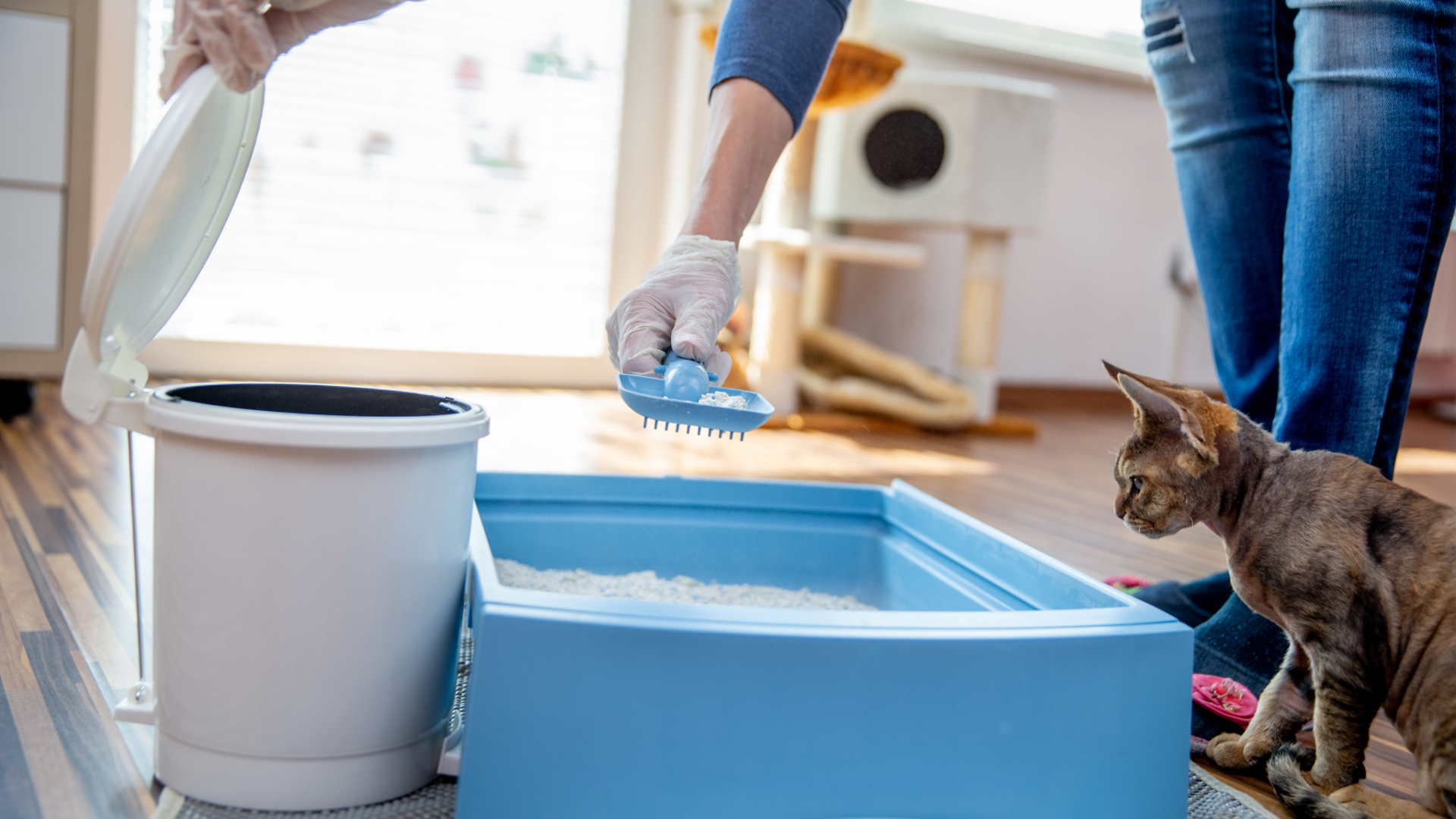
Use a sturdy scoop with slotted holes to catch all the clumps efficiently. If you have multiple cats, consider scooping more frequently. Have you noticed how quickly a neglected box can drive your cat away?
Use Deodorizers
Deodorizers help keep unpleasant smells under control without being overpowering. You can sprinkle baking soda at the bottom of the box before adding fresh litter—it’s a natural and safe option. There are also commercial litter deodorizers designed specifically for cats.
Be cautious with scented products; some cats dislike strong fragrances. Check your cat’s reaction and adjust accordingly. What’s your cat’s preference when it comes to scents in their litter area?
Litter Box Placement
Where you place the litter box affects cleanliness and your cat’s comfort. Choose a quiet, low-traffic spot to give your cat privacy and reduce stress. Avoid places near noisy appliances or busy hallways that can discourage your cat from using the box.
Also, placing the box on a washable mat or easy-to-clean surface helps manage any stray litter. Have you noticed your cat avoiding their box because of its location?
Health Benefits Of Clean Litter
Keeping your cat’s litter clean is key for their health and happiness. Dirty litter can cause many problems for your cat and your home. Changing the litter regularly helps keep infections away, lowers allergens, and makes your cat feel comfortable. Let’s explore why clean litter matters so much for your cat’s well-being.
Preventing Infections
Dirty litter can hold harmful bacteria and parasites. These germs cause infections in your cat’s paws and urinary tract. Clean litter stops these germs from growing. It lowers the risk of illnesses like bladder infections. Changing litter often keeps your cat safe and healthy.
Reducing Allergens
Old litter traps dust, urine, and feces particles. These can cause allergies for both cats and humans. Clean litter reduces dust and odors in your home. This helps people with breathing problems and allergies feel better. Fresh litter creates a cleaner and healthier space.
Improving Cat Comfort
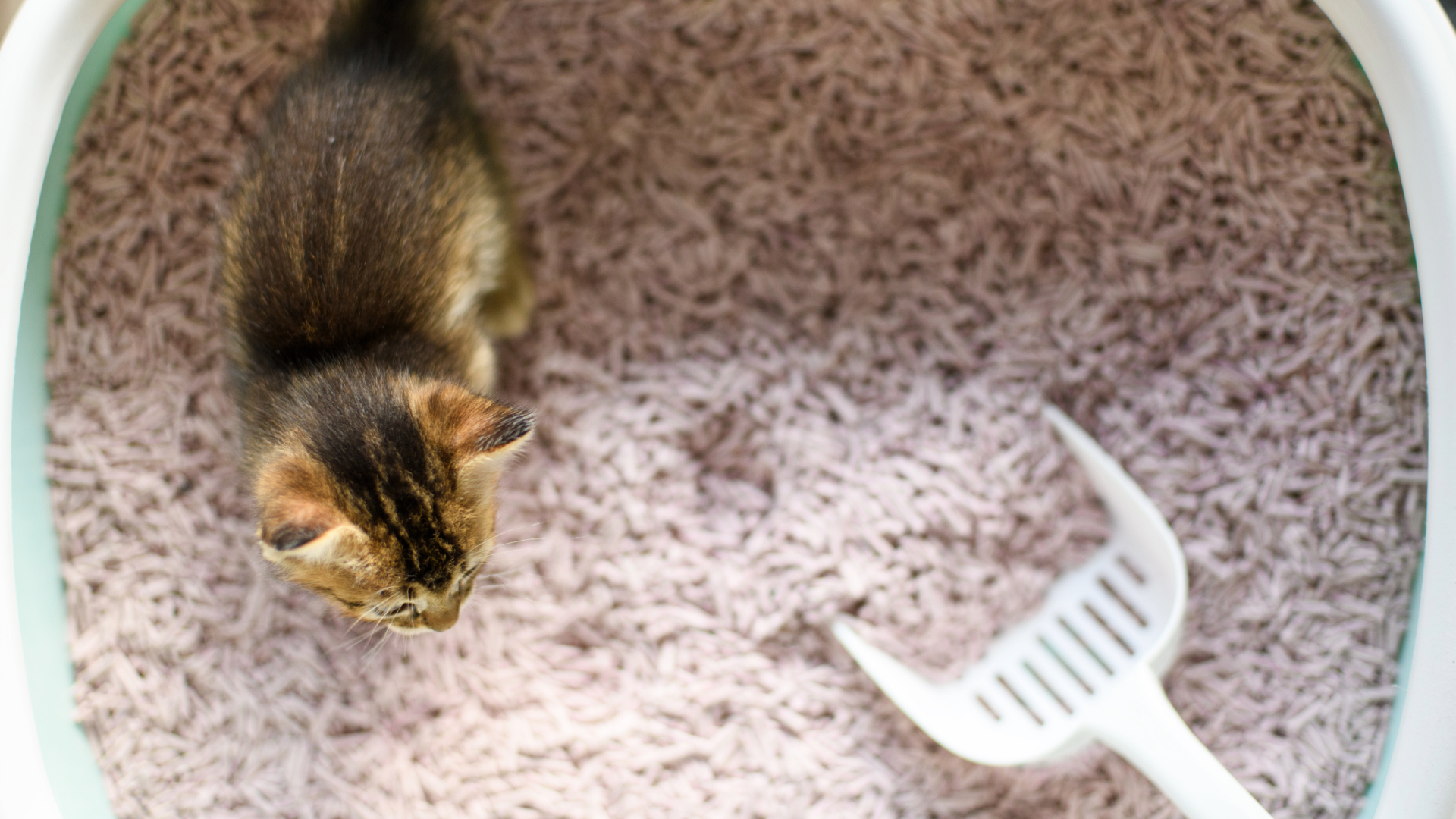
Cats like a clean and fresh place to do their business. Dirty litter smells bad and feels unpleasant under their paws. Regularly changing the litter keeps the box fresh and dry. This makes your cat more willing to use it. A happy cat is a comfortable cat.
Credit: www.petsradar.com
Choosing The Right Litter Box
Choosing the right litter box is key to keeping your cat happy and your home clean. The right box suits your cat’s size, habits, and preferences. It also makes cleaning easier and helps control odors. Picking the best type and size affects how often you need to change the litter.
Size And Type
Choose a litter box large enough for your cat to move around. Cats need space to dig and cover waste comfortably. Small boxes lead to accidents outside the box. Consider your cat’s size and age. Older cats may need boxes with lower sides for easy access.
Types of litter boxes include:
- Standard open trays
- Self-cleaning boxes
- Sifting boxes
- Disposable liners
Pick a type that fits your lifestyle and cleaning habits.
Covered Vs Open Boxes
Covered boxes provide privacy and reduce litter scatter. They also help control odors better. Some cats feel trapped in covered boxes and avoid using them. Open boxes are easy to clean and give cats more space.
Watch your cat’s behavior to choose the best option. You may need to try both types before deciding.
Number Of Boxes Needed
More boxes mean fresher litter and less odor. The rule is one box per cat, plus one extra. For example, two cats need three boxes. This helps reduce stress and litter box problems.
Place boxes in different quiet areas. Avoid placing them near food or water bowls. Clean boxes often to keep cats comfortable and encourage good habits.
Credit: www.petsradar.com
Frequently Asked Questions
How Often Should Cat Litter Be Completely Replaced?
Cat litter should be fully changed every 1 to 2 weeks. This prevents odor buildup and maintains hygiene. Frequent scooping daily extends the time between full changes. Always follow the litter type guidelines for best results.
How Frequently Should I Scoop Cat Litter Daily?
Scoop cat litter at least once a day. Daily scooping removes waste and controls odor effectively. It keeps the litter box clean and encourages your cat to use it regularly.
Does Litter Type Affect Change Frequency?
Yes, clumping litter often requires less frequent full changes. Non-clumping litter needs more frequent replacement. Always check the manufacturer’s recommendations for your specific litter type.
Can Infrequent Litter Changes Harm My Cat?
Yes, infrequent litter changes can cause health issues. Dirty litter boxes may lead to infections and behavioral problems. Regular cleaning ensures a healthy and happy cat.
Conclusion
Changing cat litter regularly keeps your home fresh and clean. Most cats prefer a clean box, so scoop daily. Replace all the litter at least once a week. This helps stop bad smells and keeps cats healthy. Watch your cat’s habits; some may need more frequent changes.
Clean litter shows you care about your pet’s comfort. Simple steps make a big difference in your cat’s life. Keep the litter box tidy, and your cat will thank you.
