

Have you ever wondered if your cat truly enjoys being petted, or if it’s just putting up with it? Understanding what your furry friend likes can make your bond stronger and happier.
You might be surprised to learn there’s more to petting a cat than just stroking fur. Keep reading, and you’ll discover the secrets behind your cat’s reactions—and how to make those moments even better for both of you.
Cat Behavior And Petting
Understanding cat behavior is key to knowing if your feline friend enjoys being petted. Cats communicate a lot through their actions and body language, so paying attention can help you read their mood. Knowing the signs will improve your bond and make petting a positive experience for both of you.
How Cats Show Affection
Cats have unique ways to express love and trust. When your cat rubs its head or body against you, it’s marking you as part of its family. This behavior means they feel safe and comfortable around you.
Another common sign is gentle kneading with their paws. It’s a leftover habit from kittenhood that shows contentment. If your cat purrs while being petted, it’s often a clear indicator they are happy and relaxed.
Have you noticed your cat bringing you small “gifts” like toys or even caught prey? This is a sign of affection, showing they want to share what’s valuable to them. These actions help you understand when your cat is open to interaction.
Body Language Signals
Reading your cat’s body language can tell you if petting is welcome or if it’s time to stop. A relaxed posture, half-closed eyes, and slow blinking are all good signs. These mean your cat feels safe and enjoys the contact.
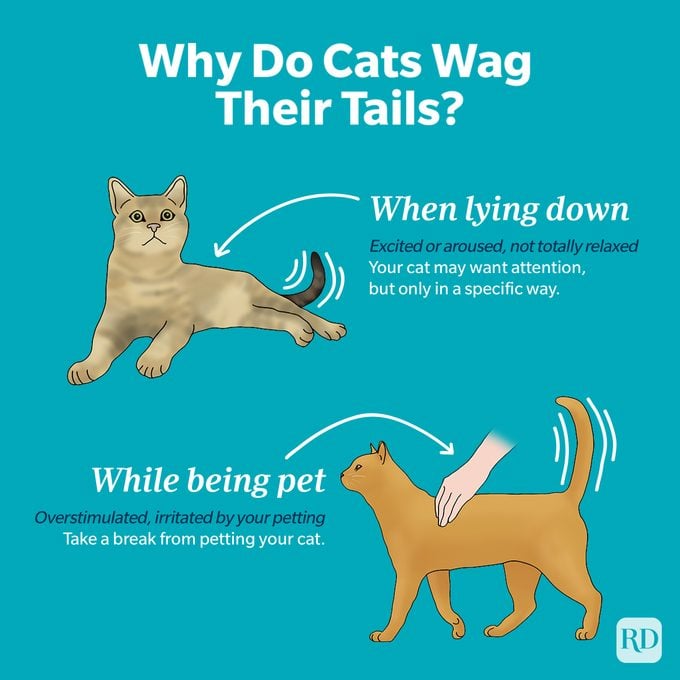
On the other hand, a flicking tail or flattened ears suggest irritation or overstimulation. If your cat suddenly turns its head away or tries to move from your hand, respect that boundary immediately. Ignoring these signs can damage trust.
Watch for subtle cues like twitching whiskers or dilated pupils. They often indicate your cat is becoming overstimulated and needs a break. Have you ever felt unsure whether to keep petting? Observing these signals can guide you to avoid stress for your cat.
Credit: www.rd.com
Why Cats Enjoy Petting
Understanding why cats enjoy petting can deepen the bond you share with your feline friend. Petting is not just about physical touch; it taps into both their body and mind. When your cat leans into your hand, it’s more than a habit—it’s a meaningful interaction.
Physical Benefits For Cats
Petting helps stimulate your cat’s skin and fur, encouraging healthy blood flow. This can reduce stress-related muscle tension and help ease minor aches. I noticed my cat’s coat became shinier and softer after regular gentle brushing sessions.
Petting also triggers the release of endorphins, which act as natural painkillers. This means your touch can actually make your cat feel better physically, especially if they’re feeling stiff or sore. Have you ever seen your cat purring loudly while you stroke their back? That’s a clear sign their body is enjoying the sensation.
Emotional Connection
Petting builds trust and strengthens your emotional bond with your cat. It’s a way of saying “I’m here for you” without words. Your cat learns to associate your presence with comfort and safety.
When you pet your cat, it can lower their anxiety and help them feel more secure in their environment. Cats that receive regular affection tend to be more confident and less fearful. Think about how your cat behaves after a calm petting session—often, they’ll seek you out more frequently afterward.
When Cats Prefer Not To Be Touched
Cats have moments when they enjoy petting and times when they do not. Understanding when a cat prefers not to be touched helps build trust. Respecting their space is key to a happy relationship.
Some cats feel uneasy or stressed by certain touches or situations. They may want to be alone or just not in the mood for contact. Learning to recognize these moments protects both you and your cat from discomfort.
Common Triggers For Discomfort
- Loud noises or sudden movements nearby
- Touching sensitive areas like the belly or tail
- Petting for too long without breaks
- Being held tightly or restrained
- Feeling unwell or in pain
- Strangers trying to pet them
Signs To Stop Petting
- Tail flicking or twitching rapidly
- Ears flattening against the head
- Sudden attempts to move away
- Growling, hissing, or swatting
- Skin rippling or twitching under your hand
- Stiffening body or tense muscles
Watching these signs helps you know when to pause. Giving cats space shows you care about their feelings. It makes petting a positive experience for both of you.
Best Ways To Pet Your Cat
Petting your cat can be a wonderful way to bond, but knowing how to do it right makes all the difference. Cats have unique preferences, and recognizing these can turn petting time into a moment they look forward to. Have you ever noticed your cat pulling away after a few strokes? That might be a sign to adjust your approach.
Preferred Petting Spots
Most cats enjoy being stroked in certain areas more than others. The base of the ears and under the chin are often favorites because these spots have scent glands that make your cat feel comforted and secure.
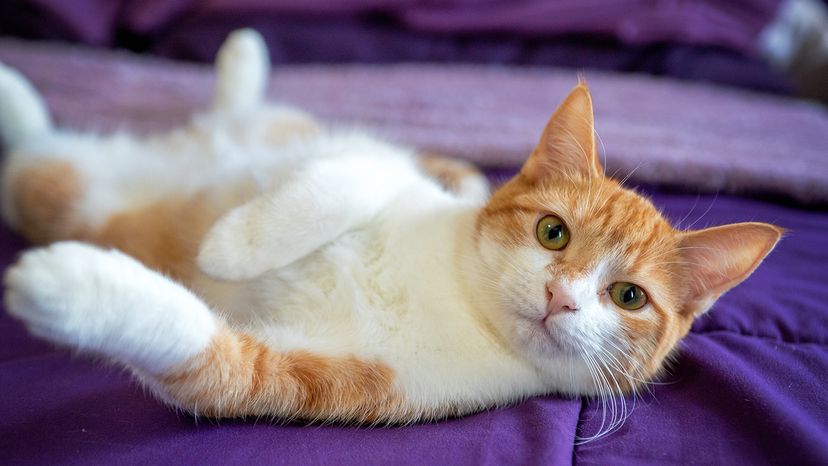
The back, especially near the base of the tail, is another popular area. However, many cats dislike having their belly touched, so avoid that unless your cat clearly shows trust by exposing it.
- Behind the ears
- Under the chin
- Along the back near the tail
- Occasionally, gentle strokes on the head
Pay close attention to your cat’s reactions. If they lean in or purr, you’ve found a good spot. If their tail flicks or they move away, try a different area.
Techniques Cats Love
Gentle, slow strokes are usually best. Use your fingers or the flat palm of your hand to pet your cat softly, mimicking the way a mother cat grooms her kitten.
Try short sessions rather than long ones. Cats often prefer brief petting bursts followed by a break. Have you noticed your cat’s eyes half-close or purr during these moments? It’s a sign they’re enjoying your touch.
- Use slow, steady strokes
- Focus on smooth, light pressure
- Pause if your cat starts to twitch or move away
- Incorporate gentle scratching around favorite spots
Some cats enjoy a slight scratch behind the ears or at the base of the tail. Experiment carefully and see what makes your cat purr louder. Remember, the key is to observe and respond to their cues.
Variations Among Cat Personalities
Cats show a wide range of behaviors and reactions to petting. Each cat has a unique personality that shapes how it responds to touch. Understanding these variations helps build trust and a stronger bond with your feline friend.
Breed Differences
Some breeds naturally enjoy petting more than others. For example, Ragdolls are known for their calm and affectionate nature. They often seek out human contact and love being stroked. Siamese cats can be more vocal and social, enjoying attention and petting sessions. On the other hand, more independent breeds like the Russian Blue might prefer less physical contact and enjoy petting only on their terms. Knowing your cat’s breed traits can guide how you approach petting and interaction.
Individual Preferences
Even within the same breed, cats have different likes and dislikes. Some cats love long petting sessions, while others prefer brief touches. Certain cats favor specific areas, such as behind the ears or under the chin. Others may dislike being touched near their tail or belly. Watching your cat’s body language helps identify their favorite spots. Respecting these preferences ensures your cat feels safe and happy during petting.
Credit: animals.howstuffworks.com
Building Trust Through Petting
Petting a cat is more than just a simple touch. It is a way to build trust and deepen your bond. Cats have unique personalities, and they respond to petting differently. Taking time to understand their feelings helps you create a positive experience for both of you.
Gradual Approach
Start by letting your cat see and smell your hand. Move slowly and gently. Avoid sudden movements that may scare your cat. Begin petting areas cats usually like, such as the head or behind the ears. Keep sessions short to avoid overwhelming your pet. Gradually increase the petting time as your cat becomes more comfortable.
Reading Your Cat’s Mood
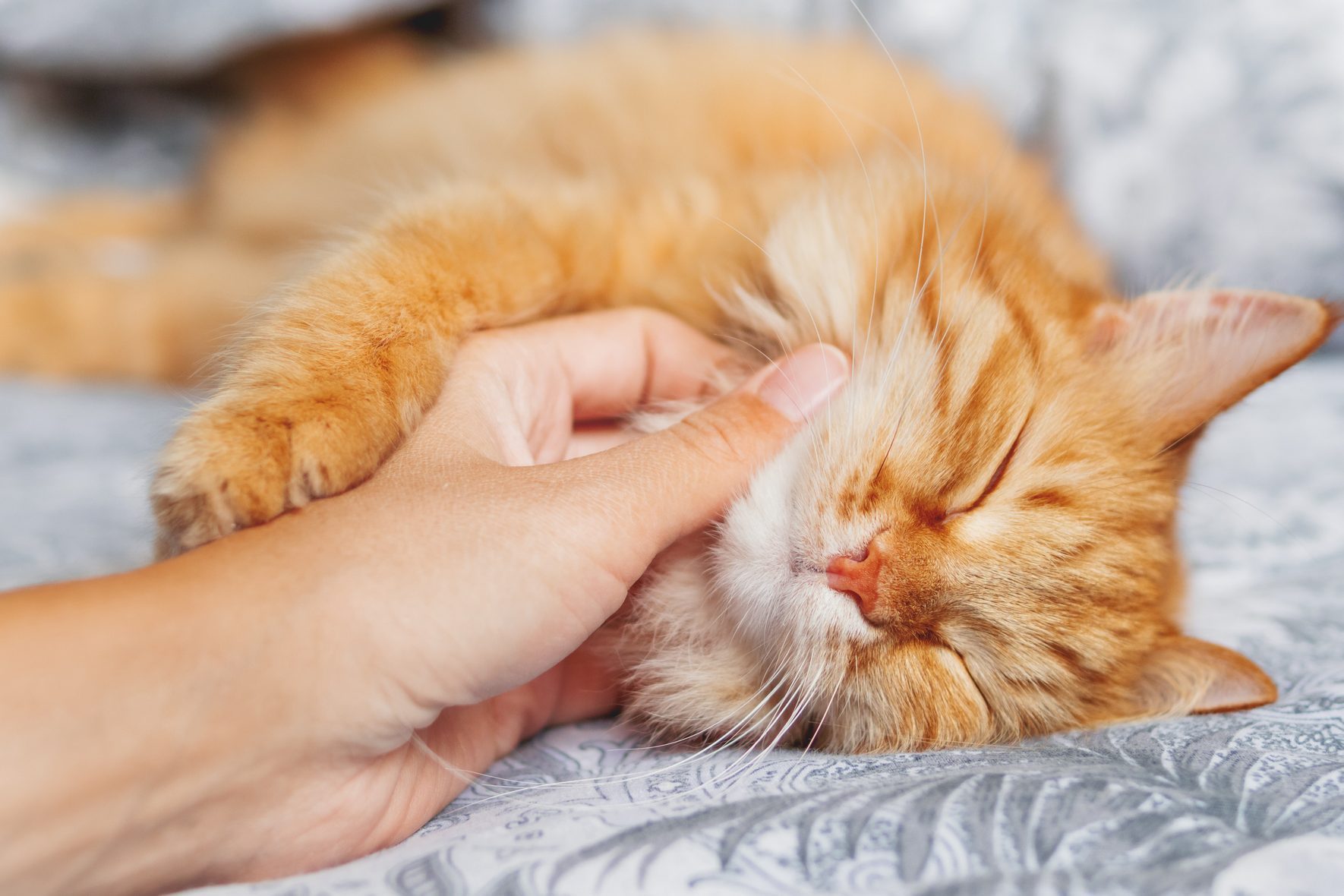
Watch your cat’s body language closely. Look for signs like purring, kneading, or leaning into your touch. These show your cat is happy and relaxed. Tail flicks, ears flattening, or sudden movements mean your cat may want a break. Respect these signals and stop petting if your cat seems uncomfortable. This helps your cat feel safe and builds trust over time.
Credit: www.rd.com
Frequently Asked Questions
Do Cats Enjoy Being Petted By Humans?
Most cats enjoy gentle petting, especially around the head and chin. They show affection by purring and leaning in. However, preferences vary by cat, so always watch their body language for comfort.
How Can I Tell If My Cat Wants To Be Petted?
A cat seeking petting will approach you, nuzzle, or rub against your hand. Purring and relaxed posture often signal they want attention. If a cat moves away or flicks its tail, it may prefer not to be touched.
Which Areas Do Cats Prefer To Be Petted?
Cats generally enjoy petting on the head, behind the ears, and under the chin. Many dislike having their belly or tail touched. Always observe your cat’s reactions to find their favorite spots.
Why Do Some Cats Dislike Being Petted?
Cats may dislike petting due to past trauma, overstimulation, or individual personality. Some prefer minimal contact or specific types of touch. Understanding your cat’s boundaries is key to building trust and comfort.
Conclusion
Cats enjoy being petted, but each cat is different. Some cats love it and purr loudly. Others may want just a little touch or none at all. Watching a cat’s body language helps you know what it likes. Gentle petting can build trust and make your cat happy.
Remember, patience and respect matter most when bonding with cats. Petting should always feel good for your furry friend. This way, you both enjoy your time together.
