

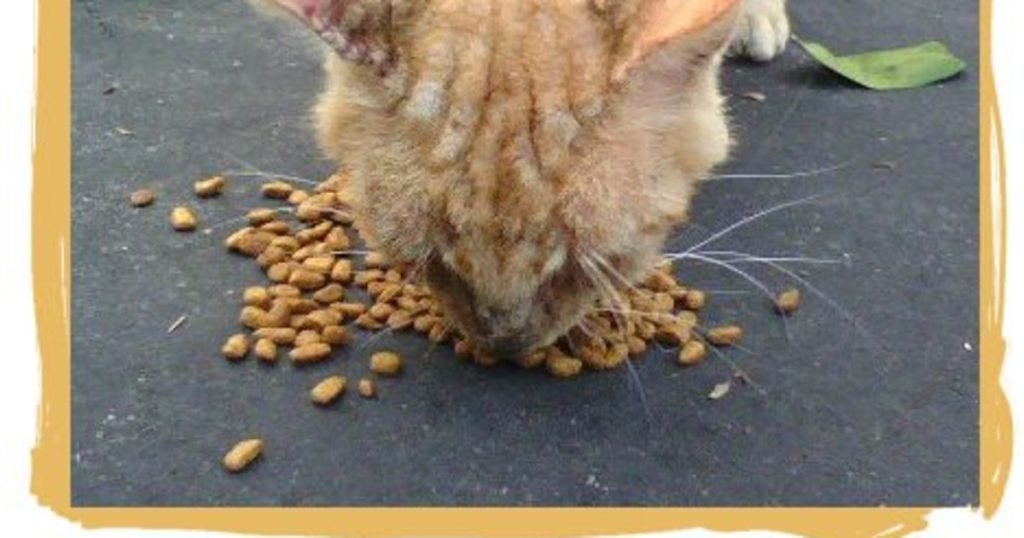
Have you ever noticed your cat scratching more than usual or seeing patches of missing fur? These could be signs of mange, a common but troubling skin condition in cats.
Understanding how cats get mange is key to protecting your furry friend from discomfort and serious health issues. You’ll discover what causes mange, how it spreads, and what you can do to keep your cat safe and healthy. Keep reading—your cat’s well-being depends on it.
Types Of Mange In Cats
Understanding the types of mange in cats is essential to recognize symptoms early and seek the right treatment. Mange isn’t a single condition but a group of skin diseases caused by different types of mites. Each type affects cats differently and requires specific care.
Sarcoptic Mange
Sarcoptic mange is caused by the Sarcoptes scabiei mite, which burrows into the cat’s skin. It causes intense itching and redness, often leading to hair loss and scabs. This type is highly contagious, so if your cat has it, others in your home might be at risk too.
Have you noticed your cat scratching so much that the skin looks raw? That could be a sign of sarcoptic mange, and you should get your vet involved quickly.
Demodectic Mange
Demodectic mange comes from Demodex mites, which normally live in small numbers on healthy cats. When a cat’s immune system weakens, these mites multiply and cause symptoms like hair loss and mild redness. Unlike sarcoptic mange, demodectic mange is usually not contagious to other pets or humans.
This type often appears in kittens or older cats with health issues. Watching for unusual patches of hair loss can help catch it early.
Notoedric Mange
Notoedric mange, caused by the Notoedres cati mite, mainly affects the ears and face of cats. It leads to thick crusts, severe itching, and can spread quickly if untreated. This type is contagious and can be passed to other cats through close contact.
If your cat suddenly starts shaking their head or scratching around the ears, consider notoedric mange as a possibility and consult your vet promptly.
Common Causes Of Mange
Mange in cats is primarily caused by factors that allow parasitic mites to thrive and multiply on the skin. Understanding these causes can help you protect your feline friend more effectively. Let’s look at the main reasons cats develop mange and what you can do to prevent it.
Parasitic Mites
The root cause of mange is tiny parasitic mites that burrow into your cat’s skin. These mites are contagious and spread easily between animals, especially in crowded or outdoor environments. You might not see them with the naked eye, but their presence leads to intense itching, hair loss, and skin inflammation.
Have you noticed your cat scratching more than usual or developing bald patches? These could be signs of mite infestation. Regular vet checkups and prompt treatment can stop these parasites before they cause serious damage.
Weakened Immune System
Cats with weak immune systems are more vulnerable to mange because their bodies can’t fight off the mites effectively. Illness, stress, or malnutrition can lower your cat’s defenses. Even older cats or kittens are at higher risk since their immune systems aren’t as strong.
Keeping your cat healthy with proper nutrition and regular vaccinations strengthens their immunity. You might want to ask your vet if your cat’s lifestyle or health conditions make them more prone to mange.
Poor Hygiene And Environment
Dirty living spaces and poor grooming habits can create the perfect environment for mites to thrive. If your cat lives in a cluttered, damp, or unclean area, mites find it easier to multiply. Outdoor cats or those in shelters are especially at risk due to exposure to other animals and less controlled environments.
Regular cleaning of your cat’s bedding and living area reduces the chances of mite infestations. You can help your cat by brushing them regularly and checking their skin for any unusual signs.
Transmission Methods
Cats catch mange through several transmission methods. Understanding these helps prevent the spread of this skin disease. Mange mites move easily between hosts and environments.
Direct Contact With Infected Animals
Mange spreads mainly through close contact with infected cats. Touching or grooming an affected cat transfers mites quickly. Fighting or playing can also pass the mites. Cats in crowded places face higher risks.
Contaminated Bedding And Surfaces
Mites survive briefly on bedding, furniture, and other surfaces. Cats touching these places pick up the mites. Sharing blankets or cushions increases chances of infection. Regular cleaning helps reduce this risk.
Mother To Kitten
Kittens often get mange from their mother. Mites pass during nursing and close cuddling. Early exposure can cause severe mange in young kittens. Treating the mother helps protect the litter.
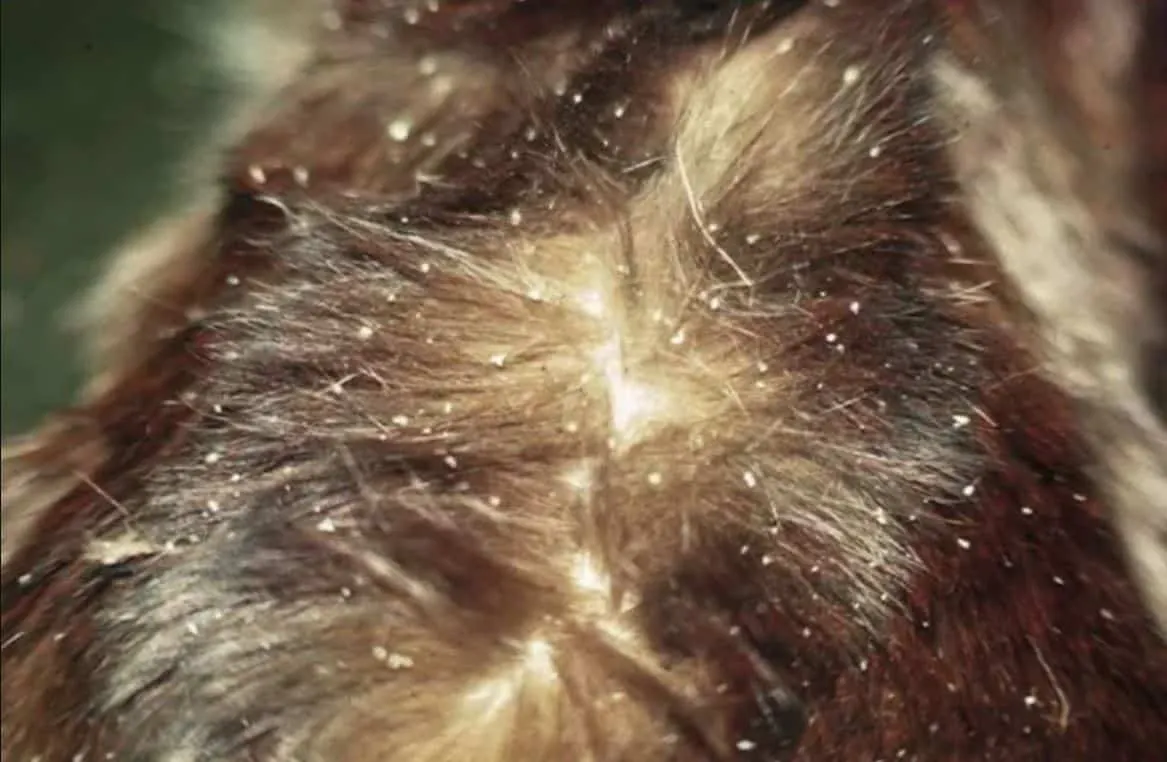
Credit: blog.petloverscentre.com
Risk Factors For Mange
Mange is a skin condition caused by tiny mites. Certain factors increase a cat’s chance of getting mange. Knowing these risk factors helps pet owners protect their cats better.
Age And Health Status
Kittens and older cats have weaker immune systems. This makes it harder for them to fight off mites. Cats with other illnesses or health problems also have higher risk. Their bodies cannot defend well against mange mites.
Outdoor Exposure
Cats that roam outside meet other animals often. This increases the chance of picking up mange mites. Wild animals and stray cats can carry mites. The more time a cat spends outdoors, the greater the risk.
Stress And Malnutrition
Stress weakens a cat’s immune system. It makes the body less able to fight infections. Poor nutrition also harms the immune system. Cats that do not get enough vitamins and minerals are more vulnerable to mange.
Recognizing Early Signs
Spotting mange early in cats helps prevent serious health problems. Mange causes skin issues that worsen fast. Knowing the first signs helps you act quickly. Watch your cat closely for changes in skin and fur.
Skin Irritation And Itching
Itching is one of the first signs of mange. Cats may scratch or bite their skin often. The skin can look red and inflamed. Irritated skin may be sensitive to touch. Cats might also rub against furniture or walls to ease itchiness.
Hair Loss Patterns
Mange causes hair to fall out in patches. Hair loss usually starts around the face, ears, and neck. These patches can grow larger over time. The skin under the lost hair may appear thin or shiny. Uneven fur loss is a key sign of mange.
Scabs And Crust Formation
Scabs and crusts form as mange progresses. The skin may develop dry, flaky areas. These crusts can be yellow or brown. Scabs often appear in spots where the cat scratches most. These changes indicate the infection is worsening.

Credit: manorswoodvet.co.za
Preventing Mange In Cats
Preventing mange in cats is essential for their health and happiness. Mange is caused by mites that irritate the skin and cause hair loss. Keeping your cat safe from mange requires consistent care and attention. Simple habits can reduce the risk of mange infections and keep your cat comfortable.
Regular Veterinary Checkups
Take your cat to the vet at least once a year. Vets check for skin problems early before they get worse. They can spot mites or other parasites quickly. Early treatment prevents mange from spreading or becoming severe. Vaccinations and parasite control advice come from these visits. Regular checkups protect your cat from mange and other illnesses.
Maintaining Clean Living Areas
Keep your cat’s space clean and dry. Wash bedding and toys often in hot water. Vacuum floors and furniture where your cat rests. Dirty environments invite mites and bacteria. Clean areas reduce the chance of mange infestation. A tidy home helps your cat stay healthy and itch-free.
Proper Nutrition And Care
Feed your cat a balanced diet with all needed nutrients. Good nutrition strengthens the immune system. A strong immune system fights off mites and infections better. Provide fresh water daily and avoid stress factors. Groom your cat regularly to remove dirt and loose hair. Healthy cats resist mange more effectively than weak ones.

Credit: wamiz.co.uk
Frequently Asked Questions
What Causes Mange In Cats?
Mange in cats is caused by microscopic mites that infest their skin. These mites burrow and cause irritation, leading to hair loss and inflammation. It spreads through close contact with infected animals or contaminated environments.
How Do Cats Catch Mange Mites?
Cats catch mange mites primarily through direct contact with infected animals. Sharing bedding or grooming tools can also transmit mites. Outdoor cats are at higher risk due to exposure to wild animals carrying mites.
What Are Common Symptoms Of Mange In Cats?
Common symptoms include intense itching, hair loss, scabs, and red, inflamed skin. Cats may scratch or groom excessively. In severe cases, secondary infections can develop, worsening the condition.
Can Mange In Cats Spread To Humans?
Some types of mange mites can temporarily affect humans, causing itching and rash. However, cat mange mites usually do not infest humans permanently. Proper hygiene and treatment prevent transmission.
Conclusion
Cats get mange mainly from close contact with infected animals. Early signs include itching, hair loss, and redness. Treating mange quickly helps your cat heal well. Keep your cat clean and visit the vet regularly. A healthy cat is less likely to catch mange.
Watch for changes in your cat’s skin and behavior. Mange can be uncomfortable but is treatable with care. Protect your pet by knowing the signs and acting fast. Healthy habits keep mange away and your cat happy.
