

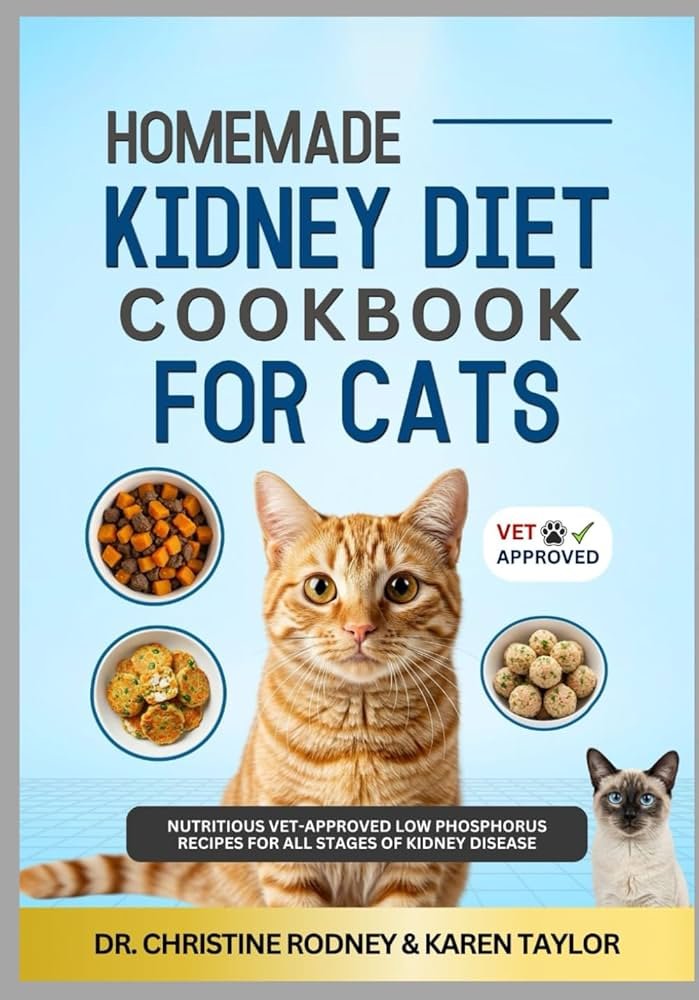
If your cat has kidney disease, you know how important it is to choose the right food. What you feed your cat can make a big difference in their health and comfort.
But with so many options out there, how do you find the best cat food that supports their kidneys? You’ll discover simple tips and expert advice to help you pick the perfect diet for your furry friend. Keep reading to learn how to give your cat the care they deserve and improve their quality of life.
Kidney Disease In Cats
Kidney disease is common in older cats and can affect their health deeply. The kidneys help clean the blood and keep the body balanced. When kidneys fail, toxins build up, making cats feel sick. Early care and proper diet are key to managing this disease and keeping cats comfortable.
Signs And Symptoms
- Increased thirst and urination
- Loss of appetite
- Weight loss and weakness
- Vomiting and diarrhea
- Bad breath with a chemical smell
- Dehydration and poor coat condition
- Hiding or less active than usual
Causes And Risk Factors
- Age-related kidney wear and tear
- Infections affecting the kidneys
- High blood pressure
- Exposure to toxins or poisons
- Genetic predisposition in some breeds
- Chronic dehydration or poor diet
Stages Of Kidney Disease
| Stage | Description | Kidney Function |
|---|---|---|
| Stage 1 | Early damage, no clear symptoms | Normal to mild loss |
| Stage 2 | Mild symptoms, slight kidney failure | Moderate loss |
| Stage 3 | Noticeable symptoms, kidney function declines | Severe loss |
| Stage 4 | Advanced disease, serious symptoms | Kidney failure |
Credit: davespetfood.com
Nutritional Needs For Kidney Health
Feeding cats with kidney disease requires special attention to their diet. Proper nutrition supports kidney health and slows disease progression. Adjusting nutrients helps reduce kidney strain and keeps cats comfortable.
Understanding the key nutritional needs can guide you in choosing the right food for your cat’s health.
Protein Management
Protein is vital for cats but must be carefully managed. Too much protein can burden the kidneys. High-quality, easily digestible protein helps maintain muscle and energy without added stress. Balancing protein intake supports overall health and kidney function.
Phosphorus Control
Phosphorus can build up in the blood when kidneys fail. Excess phosphorus worsens kidney damage. Limiting phosphorus in cat food slows disease progression. Low-phosphorus diets protect kidney cells and improve quality of life.
Sodium And Potassium Balance
Both sodium and potassium levels affect kidney health. Too much sodium can raise blood pressure and harm kidneys. Potassium levels must be balanced to avoid muscle and heart problems. Diets designed for kidney health keep these minerals in check.
Hydration Importance
Water supports kidney function by helping flush toxins. Cats with kidney disease often drink less water. Wet cat food or added water boosts hydration. Proper hydration reduces kidney workload and prevents complications.
Choosing The Right Cat Food
Choosing the right food for cats with kidney disease is vital for their health. Kidney disease affects how cats process nutrients. The diet must support kidney function and reduce waste buildup in the body.
The right food can slow disease progression. It also helps keep your cat comfortable. Understanding different diet options helps in making the best choice for your cat’s needs.
Prescription Diets
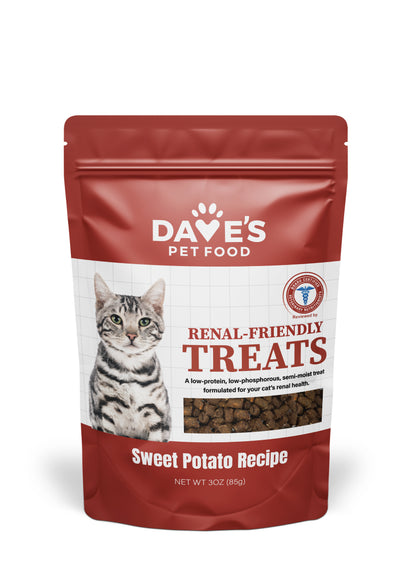
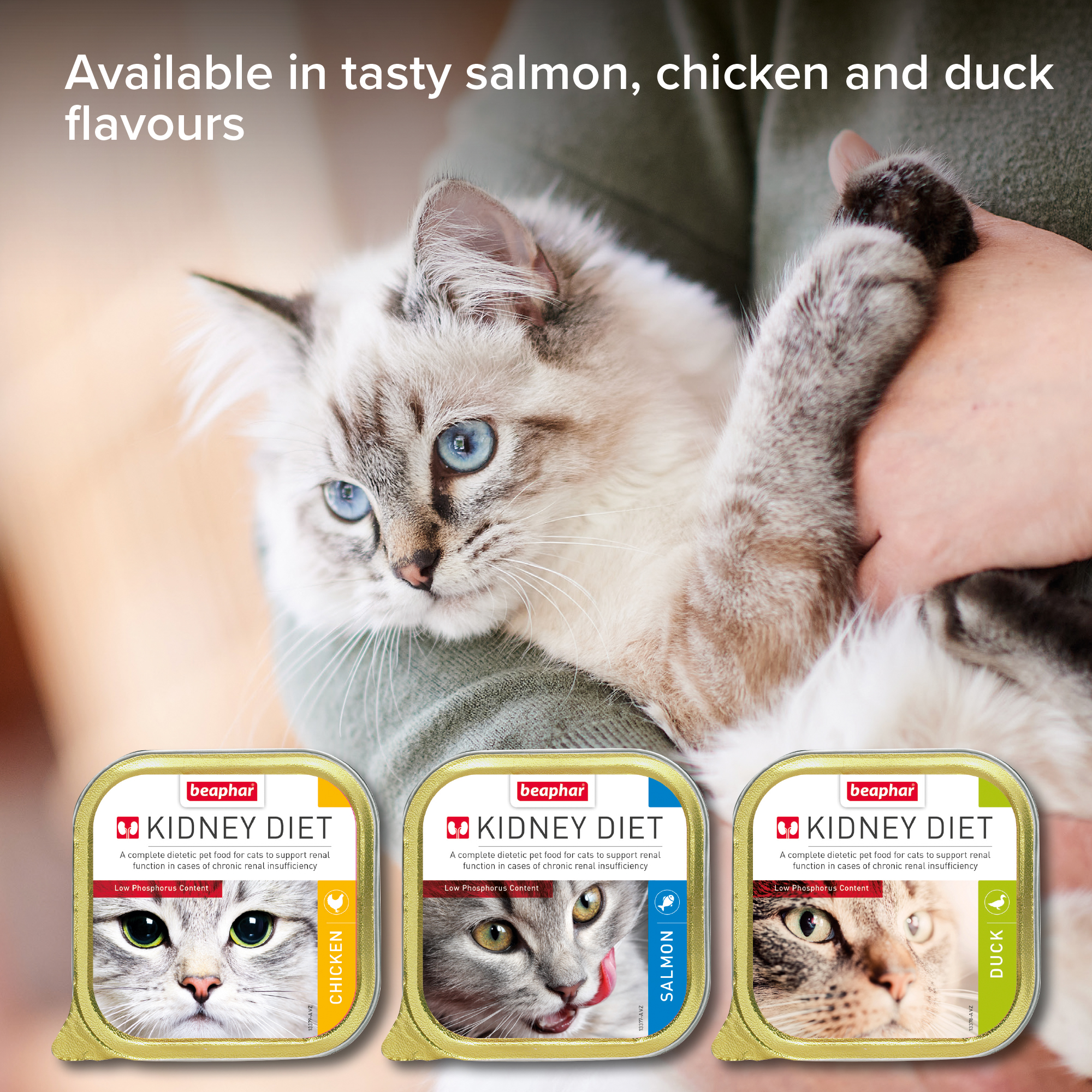
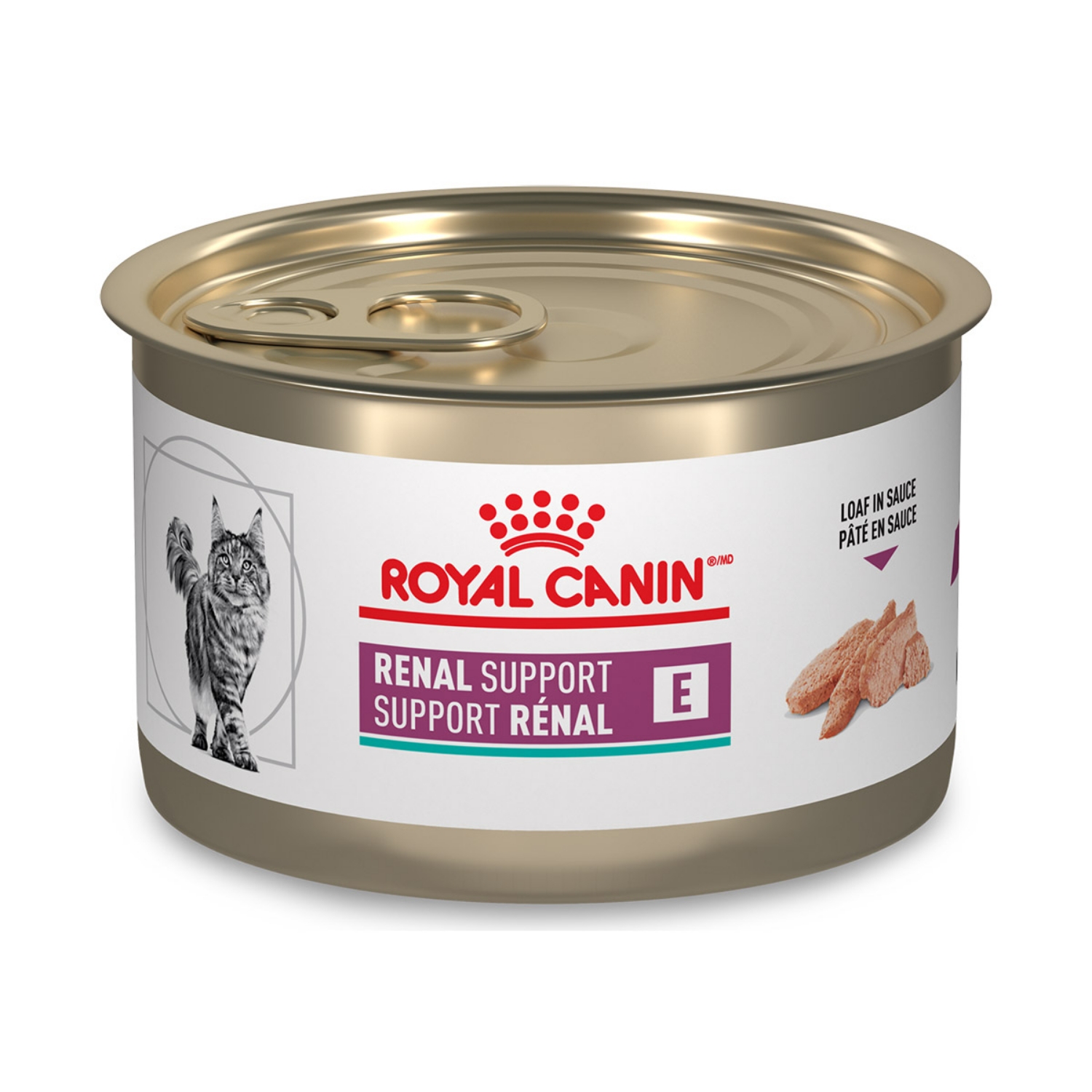
Prescription diets are specially made for cats with kidney problems. These foods have lower protein, phosphorus, and sodium levels. They also contain extra vitamins and omega-3 fatty acids. These ingredients help protect the kidneys and reduce strain.
Veterinarians often recommend these diets. The formulas are tested to support kidney health. Always follow your vet’s advice when using prescription foods.
Homemade Diet Options
Homemade diets let you control every ingredient. You can prepare meals with fresh, kidney-friendly foods. Keep protein moderate and phosphorus low. Use lean meats, cooked vegetables, and grains in small amounts.
Consult a vet or pet nutritionist before starting homemade diets. They ensure meals meet all nutritional needs. Balanced meals prevent deficiencies and support kidney function.
Wet Vs Dry Food
Wet food has more water and helps keep cats hydrated. Hydration supports kidney health and helps flush toxins. Wet food is often easier to eat for sick cats.
Dry food is convenient and helps clean teeth. It usually has less moisture, so cats must drink more water. Mixing wet and dry food can offer benefits from both types.
Reading Food Labels
Food labels reveal important information about ingredients and nutrients. Check for protein, phosphorus, and sodium levels. Lower amounts of these are better for kidney health.
Look for quality protein sources like chicken or fish. Avoid foods with too many fillers or artificial additives. Ingredients should be simple and easy to digest.
Credit: www.beaphar.co.uk
Supplements And Additives
Supplements and additives play a crucial role in supporting cats with kidney disease. They help improve kidney function and overall health. The right supplements can reduce inflammation and protect kidney cells. Feeding cats with kidney issues requires careful nutrient balance. Certain supplements provide essential support without overloading the kidneys.
Omega-3 Fatty Acids
Omega-3 fatty acids reduce inflammation in the kidneys. They come from fish oil or flaxseed oil sources. These fats help slow kidney damage and improve blood flow. Omega-3s support heart health, which is vital for cats with kidney disease. Adding omega-3s to cat food can boost energy and coat quality.
Antioxidants
Antioxidants protect kidney cells from damage caused by toxins. Common antioxidants include vitamin E, vitamin C, and selenium. They help neutralize harmful free radicals in the body. Antioxidants support immune health and reduce oxidative stress. These benefits may slow kidney disease progression.
Vitamins And Minerals
Proper vitamin and mineral balance is essential for kidney health. Cats with kidney disease often need lower phosphorus levels. Vitamins B and C support energy and tissue repair. Potassium levels must be monitored to avoid imbalances. Supplements must be carefully chosen to meet specific kidney needs.
Feeding Tips And Strategies
Feeding cats with kidney disease requires special care and attention. Choosing the right food is only part of the process. How you feed your cat plays a big role in their health and comfort. Small changes in feeding habits can improve nutrient intake and reduce stress.
Below are practical tips and strategies to support cats with kidney issues during mealtime.
Meal Frequency And Portions
Divide daily food into smaller meals. Feed your cat 3 to 4 times a day. Smaller portions help reduce kidney strain. They also keep your cat’s energy steady throughout the day. Avoid large meals that can overwhelm your cat’s digestion.
Use a measuring cup to ensure consistent portions. Follow your vet’s advice on the exact amount. Keep meal times regular to build a routine. This helps your cat feel secure and less anxious.
Encouraging Appetite
Warm the food slightly to bring out its smell. This makes it more appealing to your cat. Offer wet food, which often tastes better and has more moisture. Try different flavors or textures to find what your cat likes. Hand-feeding or gentle petting may also encourage eating.
Make mealtime calm and quiet. Remove distractions and loud noises. Use a clean bowl to avoid off smells. Sometimes adding a small amount of low-sodium broth can boost interest.
Dealing With Food Refusal
Keep a close eye on any refusal to eat. Offer food at different times to test appetite. Avoid forcing food, which can cause stress. If refusal continues for more than 24 hours, contact your vet immediately. Try mixing the kidney diet with a small amount of favorite food. Gradually increase the kidney diet portion.
Monitor your cat’s weight and behavior daily. Changes can signal worsening health or diet issues. Patience and gentle encouragement help your cat adapt over time.
Monitoring And Adjusting Diet
Adjusting the diet of a cat with kidney disease is not a one-time task. It requires ongoing monitoring to ensure your cat stays comfortable and their nutritional needs are met. Paying close attention to changes in their health can help you make timely adjustments to their food and overall care.
Tracking Weight And Condition
Keep a close eye on your cat’s weight and body condition. Sudden weight loss or gain can signal that their current diet is not working well. Weighing your cat weekly and noting changes in their muscle tone or coat quality can give you important clues.
Have you noticed your cat’s appetite changing? Small shifts might mean you need to tweak the food’s texture or flavor to keep them interested and nourished.
Regular Vet Checkups
Frequent visits to the vet are essential when managing kidney disease. Blood tests and urine analysis help track how well the kidneys are functioning. Your vet can advise if the diet needs to be changed based on these results.
Don’t hesitate to ask your vet questions during these visits. Understanding why certain nutrients are limited or added can empower you to make smarter food choices for your cat.
Adapting To Disease Progression
Kidney disease can worsen over time, requiring adjustments in your cat’s diet. Protein and phosphorus levels might need to be lowered further as the disease advances. Always watch for signs like increased thirst or changes in urination that suggest a need for dietary changes.
Have you prepared a plan to switch foods gradually? Sudden changes can upset your cat’s stomach. Planning ahead helps keep your cat comfortable during transitions.
Credit: cascadevetclinic.clientvantage.ca
Frequently Asked Questions
What Is The Best Cat Food For Kidney Disease?
The best cat food for kidney disease is low in protein and phosphorus. It helps reduce kidney workload and slows disease progression. Prescription diets designed for kidney health are ideal. Always consult your vet before changing your cat’s diet.
Can Homemade Food Help Cats With Kidney Disease?
Yes, homemade food can help if balanced correctly. It should be low in protein, phosphorus, and sodium. Consult a veterinary nutritionist to ensure all nutrient needs are met safely. Homemade diets require careful planning to support kidney health effectively.
How Does Kidney Disease Affect A Cat’s Diet?
Kidney disease reduces the kidneys’ ability to filter waste. Cats need diets lower in protein, phosphorus, and sodium. Proper diet helps reduce toxin buildup and supports kidney function. Special diets improve quality of life and slow disease progression.
Are Wet Foods Better Than Dry For Kidney Disease?
Wet foods are often better for cats with kidney disease. They provide extra moisture, supporting hydration and kidney function. Wet food is usually lower in protein and phosphorus than dry. Always choose kidney-specific wet diets recommended by your vet.
Conclusion
Choosing the right food helps cats with kidney disease feel better. Foods low in protein and phosphorus support kidney health. Always check ingredients for quality and safety. Regular vet visits keep your cat’s health on track. Feeding the right food can slow kidney damage.
Small changes make a big difference over time. Caring for your cat means understanding their special needs. This helps your cat live a happier, healthier life.
