

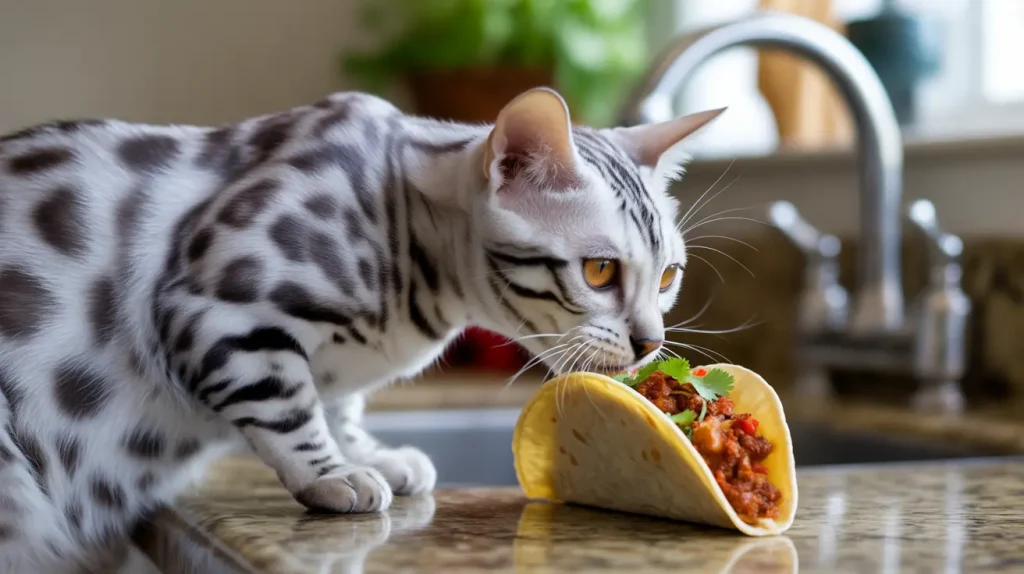
Have you ever wondered if your cat can safely enjoy a little spicy food like you do? It’s natural to want to share your meals with your furry friend, but when it comes to spicy flavors, things get tricky.
You might be surprised to learn how spicy food can affect your cat’s health and behavior. If you care about your pet’s well-being and want to avoid any hidden dangers, keep reading—this article will reveal everything you need to know about cats and spicy food.
Your cat’s safety starts with the knowledge you gain here.
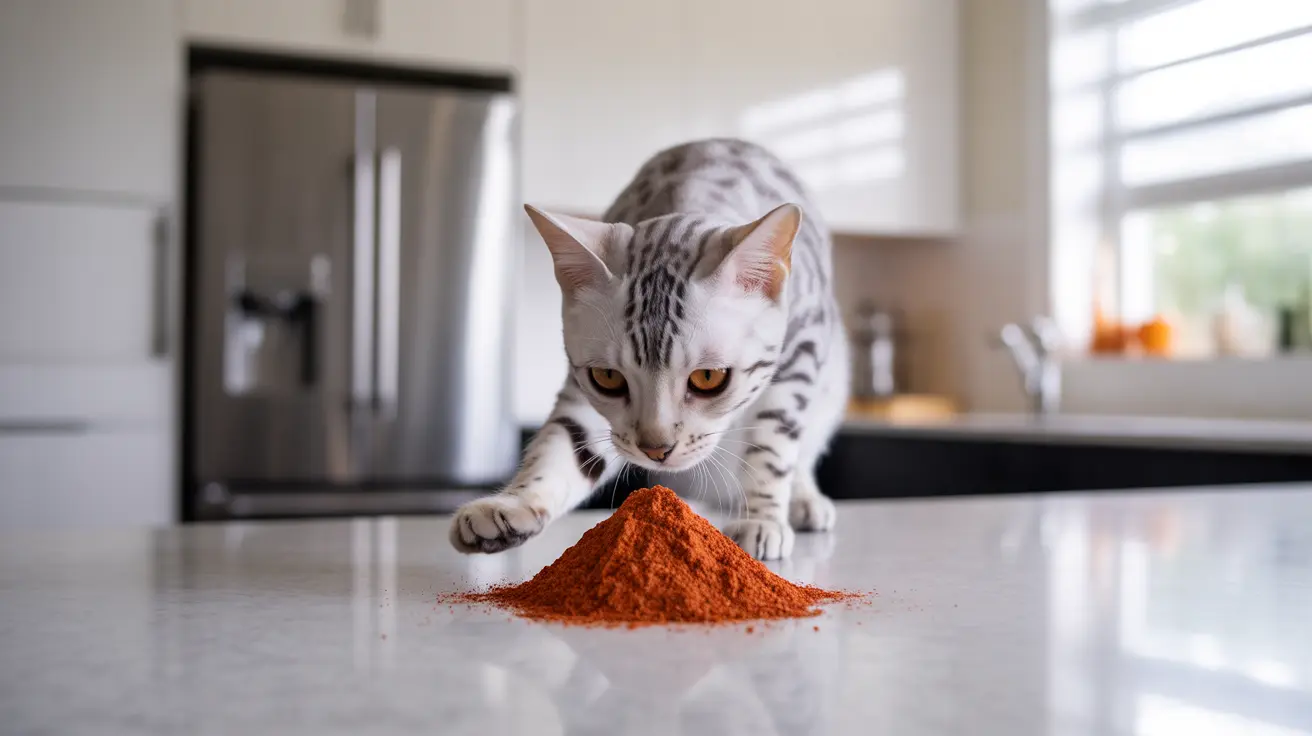
Credit: www.petscare.com
Cats And Spicy Food
Many cat owners wonder if their furry friends can enjoy the same spicy treats they do. While you might enjoy a bit of heat in your meals, your cat’s taste buds and digestive system react very differently to spices. Understanding why cats avoid spicy food and recognizing which spices are harmful can help you keep your pet safe and comfortable.
Why Cats Avoid Spices
Cats have fewer taste buds than humans, and they are not wired to enjoy spicy flavors. Their tongues lack the receptors that detect capsaicin, the compound that makes chili peppers hot. This means they don’t get the “spicy” sensation but may feel discomfort or irritation instead.
Have you ever noticed your cat sniffing food and then walking away? This is often their way of avoiding unfamiliar or unpleasant tastes. Spices can cause digestive upset, making cats instinctively steer clear of them.
Common Spices Harmful To Cats
Some spices aren’t just unappealing—they can be dangerous to your cat’s health. Here are a few common ones to watch out for:
- Onion and Garlic:These can damage a cat’s red blood cells and lead to anemia.
- Chili Powder and Cayenne Pepper:They irritate the digestive tract and cause stomach pain.
- Nutmeg:Toxic to cats and can cause hallucinations or nervous system problems.
- Black Pepper:May cause irritation and upset stomach in sensitive cats.
If your cat accidentally eats food with these spices, watch for signs like vomiting, diarrhea, or lethargy. Quick action and a call to your vet can prevent more serious problems.
Health Risks For Cats
Cats have sensitive digestive systems. Spicy food can cause many health problems. Understanding these risks helps protect your feline friend.
Digestive Issues
Spicy food irritates a cat’s stomach and intestines. It may cause vomiting, diarrhea, or stomach pain. Cats might refuse to eat or drink after eating spicy food. Their digestive system cannot handle strong spices well.
Toxic Reactions
Certain spicy ingredients like chili, garlic, and onions are toxic to cats. These can damage their red blood cells or cause poisoning. Symptoms include weakness, drooling, and difficulty breathing. Immediate veterinary care is crucial if these signs appear.
Long-term Effects
Repeated exposure to spicy foods can harm a cat’s health over time. It may lead to chronic digestive problems or organ damage. Cats can develop food allergies or sensitivities. Keeping their diet simple and natural is safest.
Myths About Cats And Spicy Food
Many people believe cats can eat spicy food without issues. These myths cause confusion about what is safe for cats. Understanding cats’ taste and biology clears up false ideas. Let’s explore some common myths about cats and spicy food.
Cats Can Handle Spicy Flavors
Cats do not have receptors for spicy flavors. They cannot taste heat like humans. Spicy food can irritate a cat’s mouth and stomach. Their digestive system is sensitive to strong spices. Feeding spicy food can cause discomfort or harm.
Spicy Food As A Treat
Spicy treats are not suitable for cats. Treats should be bland and safe for digestion. Spices may cause vomiting or diarrhea. Cats prefer simple, mild flavors like meat or fish. Healthy treats promote their well-being without risks.
Natural Instincts And Taste Preferences
Cats are natural carnivores with limited taste buds. They prefer protein-rich food over spicy or sweet tastes. Their instincts guide them to avoid harmful substances. Offering spicy food goes against their natural diet. Respecting their preferences keeps cats happy and healthy.
Safe Food Alternatives
Safe food alternatives keep cats healthy and happy. Spicy foods can upset their stomachs and cause irritation. Offering gentle flavors supports their well-being and enjoyment during mealtime.
Cat-friendly Herbs And Spices
- Catnip: Encourages playful behavior and relaxation.
- Parsley: Helps freshen breath and supports digestion.
- Chamomile: Calms nerves and soothes the stomach.
- Valerian root: Acts as a natural stimulant for some cats.
- Mint (small amounts): Can be refreshing but use sparingly.
Balanced Diet Tips
- Provide high-quality protein from meat or fish.
- Include wet food to keep cats hydrated.
- Avoid processed human snacks and spicy seasonings.
- Offer small amounts of cooked vegetables like pumpkin.
- Consult your vet for personalized diet advice.
Homemade Treat Ideas
- Baked chicken strips without seasoning.
- Boiled fish pieces plain and skinless.
- Small portions of cooked sweet potato.
- Pureed pumpkin mixed into their food.
- Freeze small bits of tuna juice for cooling treats.
What To Do If Your Cat Eats Spicy Food
If your cat accidentally eats spicy food, it’s important to act quickly and calmly. Spicy ingredients can irritate your cat’s digestive system and cause discomfort. Knowing how to recognize the signs and what steps to take can help you keep your furry friend safe and comfortable.
Identifying Symptoms
Watch for signs like drooling, pawing at the mouth, or coughing. Your cat might also vomit or have diarrhea shortly after eating spicy food. Some cats become restless or show signs of abdominal pain, such as hunching or crying out.
Notice if your cat’s breathing changes or if they seem lethargic. These symptoms suggest a more serious reaction that needs urgent attention. Remember, cats are good at hiding discomfort, so any unusual behavior should raise a flag.
When To Visit The Vet
If your cat shows persistent vomiting, diarrhea, or difficulty breathing, you should contact your vet immediately. Also, seek help if your cat seems very weak, refuses to eat, or if symptoms worsen over time. Quick action can prevent complications and reduce your cat’s suffering.
Don’t wait for symptoms to escalate if you’re unsure. It’s better to call your vet and get advice than to risk your cat’s health by delaying. Your vet may recommend treatments to relieve pain or prevent dehydration.
Home Care Tips
After an episode, keep your cat hydrated by offering fresh water frequently. Avoid giving any more spicy or rich foods—stick to a bland diet like plain boiled chicken or rice until your cat recovers. Make sure your cat has a quiet, comfortable space to rest.
- Clean your cat’s mouth gently with a damp cloth if they seem irritated.
- Monitor their litter box for signs of diarrhea or other changes.
- Offer small, frequent meals rather than large portions to ease digestion.
Have you ever caught your cat sneaking a bite of something spicy? How did you handle it? Sharing experiences can help others act fast and keep their pets safe.
Credit: www.lemon8-app.com
Credit: www.petscare.com
Frequently Asked Questions
Can Cats Safely Consume Spicy Foods?
Cats should not consume spicy foods. Spices can irritate their stomach and cause digestive issues. Cats’ taste buds are not designed to enjoy spicy flavors. It’s best to stick to cat-friendly foods that meet their nutritional needs. Always consult a vet before introducing new foods to your cat’s diet.
Why Is Spicy Food Harmful To Cats?
Spicy food can harm cats by causing gastrointestinal distress. Their digestive systems are sensitive to spices like chili and pepper. These can lead to vomiting, diarrhea, and discomfort. Cats lack the enzymes to process spicy ingredients. It’s advisable to avoid feeding them such foods to ensure their health.
What Should I Do If My Cat Eats Spicy Food?
If your cat accidentally eats spicy food, monitor them for any symptoms. Look for signs of vomiting or diarrhea. Offer plenty of water to help flush out the spices. If symptoms persist, consult a veterinarian. It’s essential to keep spicy foods out of your cat’s reach.
Are There Any Spices Safe For Cats?
Most spices are not safe for cats, but small amounts of parsley or catnip are generally okay. Always introduce any new food or spice in moderation. It’s crucial to ensure the spice doesn’t contain harmful ingredients. Consult your vet before offering any new food items to your feline friend.
Conclusion
Cats should avoid spicy food to stay healthy and safe. Spicy ingredients can upset their stomach and cause pain. Their bodies do not handle spicy flavors like humans do. Feeding cats plain, balanced meals is always the best choice. Keep spicy snacks away from your furry friend.
Watch for signs of discomfort if they eat something spicy by mistake. Protect your cat’s health with good food and care. Simple food means a happy, healthy pet. Always choose what is best for your cat’s well-being.
