

Is your cat scratching more than usual? Are you worried those tiny pests might be hiding in their fur?
Fleas can make your furry friend uncomfortable and cause serious health problems if left unchecked. But how do you know for sure if your cat has fleas? You’re about to discover simple, clear signs to look for so you can protect your pet quickly and easily.
Keep reading to learn exactly what to watch for and how to act fast—your cat’s comfort depends on it!
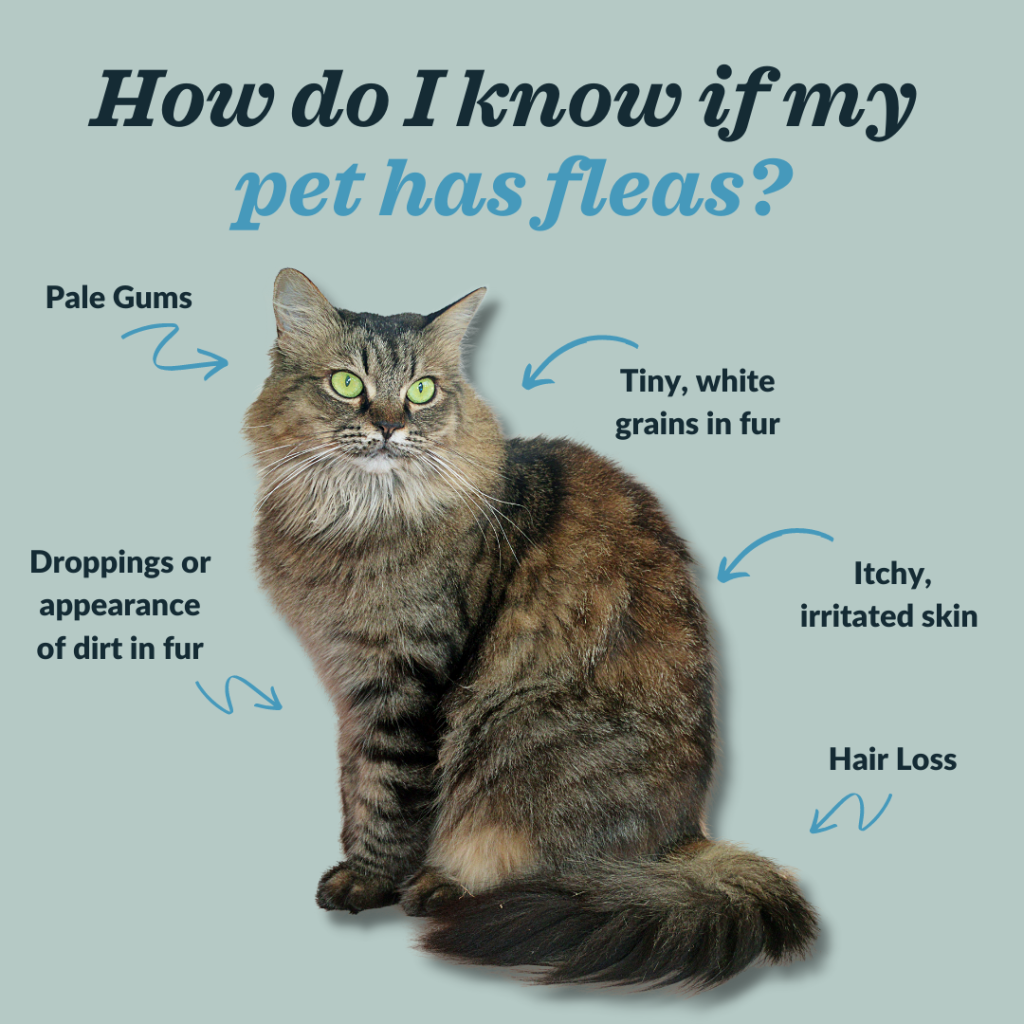
Credit: www.barkandwhiskers.com
Signs Your Cat Has Fleas
Noticing fleas on your cat early helps prevent bigger problems. Fleas cause discomfort and can lead to health issues. Cats cannot tell you they have fleas, so watch for signs carefully. Some signs are easy to spot and others need close observation.
Excessive Scratching And Biting
Your cat scratches more than usual when fleas bother it. Biting at the fur is a way to try to remove fleas. These actions happen often and can make your cat restless. Watch for frequent scratching around the neck, tail, and belly.
Visible Flea Dirt And Fleas
Flea dirt looks like small black or brown specks on your cat’s skin. It is flea waste and often found near the base of the fur. Fleas themselves are tiny and move quickly, often seen in areas with less fur. Check the neck and behind the ears carefully.
Hair Loss And Skin Irritation
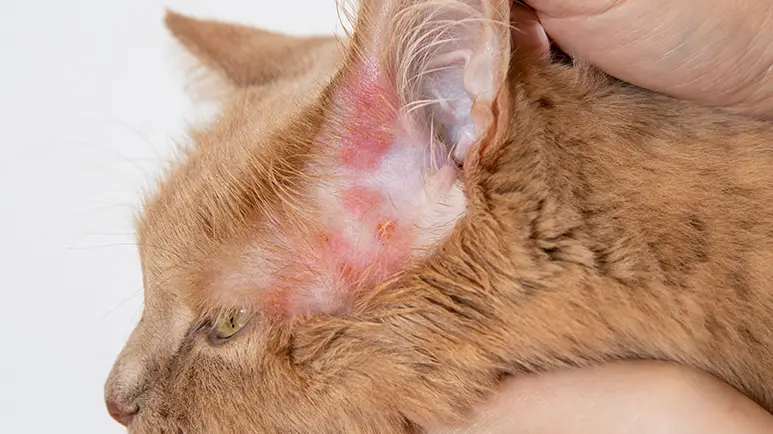
Bald patches or thin fur can show flea problems. Flea bites cause itchy skin that may become red or inflamed. Your cat might have scabs or sores from scratching too much. Look for these changes especially in warm, hidden areas.

Credit: www.furrytail.com
Common Flea Symptoms In Cats
Spotting fleas on your cat early can save both of you a lot of discomfort. Fleas cause a variety of symptoms that show up on your cat’s skin and behavior. Knowing what to look for helps you act fast and protect your furry friend.
Red Bumps And Scabs
Small red bumps or scabs on your cat’s skin often signal flea bites. These usually appear around the neck, belly, and base of the tail. If you notice your cat scratching or biting these areas, check closely for tiny moving insects or flea dirt.
Sometimes these bumps can be mistaken for other skin problems. But if they come with intense itching, fleas are a likely culprit. Have you ever found these red spots after your cat played outside?
Restlessness And Irritability
Your cat may seem unusually restless or irritable if fleas are bothering them. Fleas cause constant itching, making it hard for your cat to relax or sleep well. You might catch your cat pacing, scratching, or grooming more than usual.
Notice if your cat suddenly avoids cuddling or seems agitated for no clear reason. These behavior changes often point to flea discomfort. How often do you see your cat calm and relaxed versus restless?
Allergic Reactions To Flea Bites
Some cats develop allergic reactions to flea saliva, which makes their symptoms worse. Signs include severe redness, swelling, and even hair loss in the affected areas. This condition, known as flea allergy dermatitis, can cause intense itching and secondary infections.
If your cat’s skin looks raw or patchy, consult your vet quickly. Allergic reactions need prompt treatment to avoid serious skin damage. Have you noticed your cat licking or scratching one spot excessively?
How To Check For Fleas At Home
Checking your cat for fleas at home is simple and quick. You can find signs of fleas without special tools. Early detection helps prevent big problems for your cat and home.
Using A Flea Comb
A flea comb has very fine teeth to catch fleas and their dirt. Brush your cat’s fur slowly with the comb. Focus on the neck, tail base, and belly. After combing, wipe the comb on a white paper towel. Look for tiny black dots or small moving bugs. These are fleas or flea dirt, which looks like tiny black pepper.
Inspecting Your Cat’s Fur
Look closely at your cat’s fur and skin. Fleas move fast but may hide near the skin. Check around the ears, under the legs, and near the tail. Watch for tiny dark insects or flea dirt stuck to the fur. Also notice if your cat scratches or bites itself a lot. These signs often mean fleas are present.
Examining Bedding And Surroundings
Fleas often live in your cat’s bedding and resting places. Remove bedding and shake it outside to spot fleas or flea dirt. Use a flashlight to check dark corners and carpets near your cat’s area. Fleas and eggs can hide in cracks, rugs, and upholstery. Clean these spots regularly to reduce fleas at home.
Flea Life Cycle And Why It Matters
Understanding the flea life cycle is key to spotting and stopping an infestation before it takes over your home and your cat’s comfort. Fleas don’t just appear overnight—they grow through several stages that each require attention. Knowing these stages helps you take targeted action to protect your cat and your living space.
Eggs, Larvae, And Pupae
Flea eggs are tiny and white, often hidden in your cat’s fur or around their favorite resting spots. These eggs hatch into larvae, which look like small, worm-like creatures. Larvae avoid light and feed on organic debris, including flea dirt.
Next, larvae spin cocoons and enter the pupae stage. Pupae can stay dormant for weeks, waiting for the right conditions to emerge as adult fleas. This stage is tricky because pupae are protected and don’t respond to most treatments.
Adult Flea Behavior
Adult fleas are the ones you see jumping on your cat. They feed on your cat’s blood and reproduce quickly. An adult female flea can lay hundreds of eggs in just a few weeks, rapidly increasing the flea population.
These fleas tend to hide in your cat’s fur but also jump onto your furniture or bedding. This behavior explains why flea problems often seem to come back even after treatment.
Importance Of Breaking The Cycle
Stopping fleas means breaking their life cycle at multiple stages. Treating only the adults leaves eggs, larvae, and pupae untouched, allowing the infestation to restart. You need products or methods that target all stages to fully protect your cat.
Ask yourself: Are you treating just the symptoms or the entire problem? Consistent cleaning, vacuuming, and using flea control designed for each life stage will give you the best chance of success. Your cat’s comfort and health depend on it.
Preventing Flea Infestations
Preventing flea infestations is easier than dealing with a full-blown problem. Taking simple, consistent steps can keep your cat comfortable and your home flea-free. Are you ready to protect your furry friend before fleas find a way in?
Regular Grooming And Cleaning
Brushing your cat regularly helps you spot fleas early. Fleas and their eggs often hide in the fur, especially around the neck and tail. Use a fine-toothed flea comb to catch these pests before they multiply.
Cleaning your cat’s bedding, favorite resting spots, and your home is crucial. Wash fabrics in hot water weekly to kill fleas and larvae. Vacuum carpets, rugs, and furniture daily to remove flea eggs and dirt—don’t forget to empty the vacuum bag or canister outside.
Using Flea Preventatives
There are many flea prevention products available, from topical treatments to oral medications. Choose one that suits your cat’s health and lifestyle. Ask your vet for recommendations tailored to your cat’s needs.
Consistency is key. Apply flea preventatives monthly and don’t skip doses, even if you don’t see fleas. Prevention works best when you stay ahead of the flea life cycle.
Maintaining A Flea-free Environment
Fleas thrive in warm, humid environments. Keeping your home dry and well-ventilated helps reduce flea survival. Consider using flea sprays or foggers for your home if you’ve had flea issues before, but always follow safety instructions carefully.
Outdoor areas around your home can also harbor fleas. Mow your lawn regularly and clear away debris to reduce flea-friendly habitats. Have you checked your yard for flea hotspots lately?
Treatment Options For Flea Control
Dealing with fleas on your cat can feel overwhelming, but understanding your treatment options makes a big difference. Knowing what works best for your cat’s health and lifestyle helps you act quickly and effectively. You have several choices to consider, each with its own benefits and precautions.
Topical Treatments
Topical treatments are liquid solutions applied directly to your cat’s skin, usually between the shoulder blades. They work by killing fleas on contact and preventing eggs from hatching. These treatments often last for about a month, giving you ongoing protection.
Many cat owners find topical treatments easy to use, especially since they don’t require your cat to swallow anything. However, you must ensure your cat doesn’t groom other pets immediately after application to avoid spreading the product. Have you noticed how quickly fleas can reappear without proper prevention?
Oral Medications
Oral medications come in the form of pills or chewables and provide powerful flea control from within your cat’s system. These medications typically start working within hours and can kill fleas before they lay eggs. Some oral options also protect against other parasites like ticks.
Giving your cat a pill might seem tricky, but many cats take flavored chewables easily. Oral medications are especially useful if your cat swims or gets washed often, as topical treatments can wash off. Have you tried an oral medication and noticed a faster flea reduction?
Natural And Home Remedies
If you prefer a chemical-free approach, natural remedies can help reduce flea numbers but may not be as strong as medications. Options include using apple cider vinegar sprays, diatomaceous earth dusting, or frequent bathing with gentle shampoos. These can soothe your cat’s skin and discourage fleas.
Keep in mind, natural remedies often require more frequent application and patience. They might work well combined with other treatments for a more comprehensive approach. How comfortable are you with using home remedies alongside vet-approved treatments?
When To See The Vet
Knowing when to see the vet about your cat’s fleas is crucial. Some flea issues can be managed at home, but others need professional care to protect your cat’s health. Acting early can prevent serious complications and keep your feline friend comfortable.
Severe Infestations
If your cat is constantly scratching, biting, or grooming itself to the point of hair loss, this could mean a severe flea infestation. You might spot fleas crawling on your cat or find flea dirt in its fur. When the flea population gets out of control, over-the-counter treatments often aren’t enough, and your vet can provide stronger, safer solutions.
Have you noticed your cat looking restless or weak? Severe infestations can cause anemia, especially in kittens or older cats, which requires immediate veterinary attention.
Signs Of Allergic Dermatitis
Some cats develop flea allergy dermatitis, a painful reaction to flea bites. If your cat has red, inflamed skin, scabs, or persistent itching even after flea treatment, it might be allergic. Your vet can diagnose this condition and recommend specialized treatments to reduce inflammation and discomfort.
Ignoring allergic reactions can worsen your cat’s skin condition. Have you seen your cat’s skin get worse despite regular flea control? That’s a clear sign it’s time for professional help.
Secondary Infections
Fleas can cause skin wounds from constant scratching, which often leads to bacterial or fungal infections. Look for swelling, pus, or an unpleasant odor around sore spots. These infections need antibiotics or medicated shampoos prescribed by your vet.
If your cat seems lethargic or has a fever along with skin issues, don’t wait. These symptoms could mean the infection is spreading and requires urgent care.

Credit: justcatsclinic.com
Frequently Asked Questions
How Can I Tell If My Cat Has Fleas?
Look for constant scratching, biting, or licking. Check for small black specks (flea dirt) in fur. Fleas cause redness, hair loss, and skin irritation.
What Are Common Flea Symptoms On Cats?
Cats with fleas often show itching, redness, and hair loss. You may also spot flea dirt or actual fleas moving on their skin.
Can Flea Bites Harm My Cat?
Yes, fleas can cause itching, allergic reactions, and anemia. Severe infestations may lead to serious health issues. Prompt treatment is essential.
How Do I Check My Cat For Fleas At Home?
Use a fine-toothed flea comb on wet fur. Look for fleas or black flea dirt on the comb and skin. Check behind ears and neck.
Conclusion
Checking your cat for fleas helps keep them healthy and happy. Watch for signs like scratching, small dark spots, or tiny bugs. Regular grooming and cleaning your cat’s bedding reduce flea risks. Act quickly if you find fleas to stop them from spreading.
Your cat will feel better without those itchy pests. Stay alert and keep your pet safe all year. Simple steps make a big difference in flea control.
