

Have you ever wondered how long your cat will keep growing? Understanding your cat’s growth timeline can help you care for them better and know what to expect as they change.
Whether you have a playful kitten or an adult cat, knowing when they stop growing can be important for their health and happiness. Keep reading to discover the surprising facts about how long cats grow and what affects their size.
This knowledge will help you give your furry friend the best life possible.
Credit: www.adoptapet.com
Cat Growth Phases
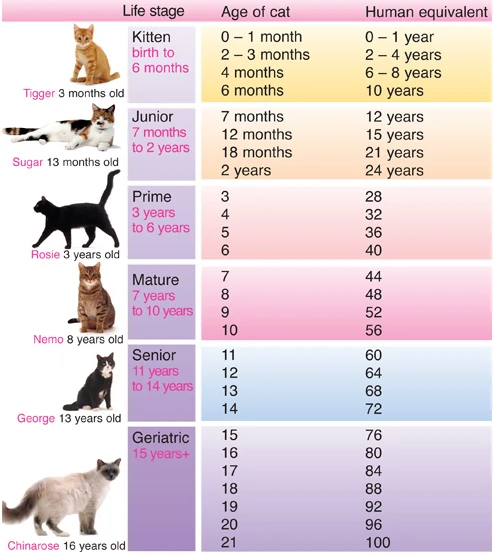
Cats grow in distinct phases, each with unique changes and growth rates. Understanding these phases helps owners know what to expect as their cat matures. Growth is rapid in early life and slows down over time. Each phase shapes the cat’s size, behavior, and health.
Kitten Stage
This stage lasts from birth to about six months old. Kittens grow very fast during this period. They gain weight and develop muscles quickly. Their bones become stronger, and they learn important skills. Proper nutrition and care are critical now.
Adolescent Growth
From six months to one year, cats enter adolescence. Growth slows but continues steadily. Cats develop adult teeth and stronger bones. They may become more active and curious. Social and behavioral traits also form during this phase.
Adult Size
Cats usually reach full size by one year old. Some larger breeds grow until 18 months or two years. Adult cats have stable weight and size. Their energy levels balance out, and their bodies stop changing much. Maintaining health is key to a long life.
Factors Influencing Growth
Understanding what influences a cat’s growth helps you care better for your furry friend. Growth isn’t just about time—it’s shaped by several factors that work together in surprising ways. Knowing these can guide you in providing the right environment and care for your cat’s healthy development.
Breed Differences
Different cat breeds grow at different rates and reach various adult sizes. For example, Maine Coons are known for their large size and can keep growing up to 4 years, while smaller breeds like Siamese tend to finish growing by around 1 year. Your cat’s breed gives clues about their growth timeline and expected size.
If you’ve adopted a mixed-breed cat, their growth pattern might be less predictable. Observing your cat’s parents (if possible) or consulting your vet can help estimate their growth pace and final size.
Nutrition Impact
What your cat eats plays a huge role in how well they grow. High-quality food packed with the right balance of proteins, fats, and vitamins supports steady growth and strong bones. Poor nutrition, on the other hand, can stunt growth or cause health problems later.
Have you noticed how kittens seem to have bursts of energy after meals? That’s their body using nutrients to build muscle and bone. Providing consistent, balanced meals is one of the most practical ways to support your cat’s growth journey.
Health Conditions
Underlying health issues can slow or alter a cat’s growth significantly. Conditions like parasites, hormonal imbalances, or chronic illnesses interfere with nutrient absorption and energy use. Early detection and treatment are key to keeping your cat on a healthy growth path.
Regular vet check-ups can catch these problems before they become serious. Think about your cat’s growth like a puzzle—every piece, including health, must fit well for the full picture to come together.
Growth Milestones By Age
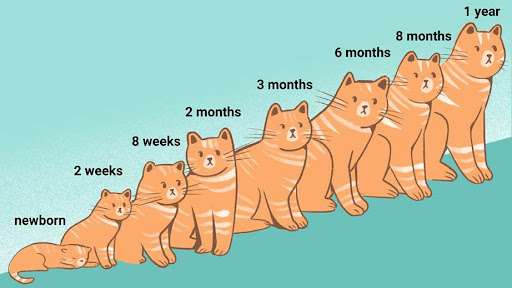
Tracking a cat’s growth is exciting and helps you understand their needs better. Cats grow quickly in their early weeks and months. Each stage has clear milestones in size, behavior, and health. Knowing these stages helps ensure your cat stays healthy and happy as they grow.
Weeks 1 To 8
Kittens grow rapidly in the first two months. They double their birth weight in the first week. By week 3, their eyes open, and they start to explore. By week 4, they begin playing and socializing. At 6 to 8 weeks, kittens eat solid food and gain strength.
Months 2 To 6
Growth slows down but remains steady. Kittens develop better coordination and start climbing. Their baby teeth fall out, replaced by adult teeth. Play becomes more active and social skills improve. By month 6, most kittens reach about 60-70% of their adult size.
Months 6 To 12
Growth continues but at a slower rate. Cats reach full height and muscle development. Males may grow larger than females. By one year, most cats look like small adults. Some breeds may take longer to fully mature.
Credit: cats.fandom.com
Physical Changes During Growth
Physical changes in cats happen quickly during their growth phase. These changes show how your cat matures from a kitten to an adult. Watching these changes helps understand their health and needs.
Weight And Length
Kittens grow rapidly in weight and length. They usually double their weight in the first two weeks. Growth slows down after six months but continues until about one year. Adult cats weigh between 8 to 10 pounds on average. Length also increases as their bones and muscles develop. Growth rates vary by breed and diet.
Coat Development
Kittens start with soft, fine fur. As they grow, their coat becomes thicker and fuller. Color patterns may change during the first few months. Some breeds develop longer hair with age. Healthy nutrition supports a shiny and smooth coat. Coat changes also reflect seasonal shifts and overall health.
Dental Changes
Kittens have baby teeth that begin to fall out around three months. Permanent teeth replace baby teeth by six months. Adult cats have 30 teeth. Proper dental care is essential to avoid problems like plaque and gum disease. Watch for changes in eating habits as teeth grow.
Signs Growth Is Slowing
Noticing when a cat’s growth slows helps understand its development. Growth does not stop suddenly. Instead, it slows down gradually over time. Owners can observe certain signs showing this change in their pet.
Behavioral Changes
Cats may become calmer as they grow older. Playful bursts reduce in frequency and length. They start to prefer resting over active play. This shift signals less energy spent on growth.
Body Proportions
Body shape starts to look more balanced. Legs, tail, and body length even out. The rapid changes in size become less obvious. This means growth is nearing its end.
Energy Levels
Energy levels drop compared to kitten stages. Cats spend more time sleeping or lounging. Sudden energetic activities become less common. These changes show the slowing growth process.
Credit: petsfoodhub.com
Tips To Support Healthy Growth
Supporting your cat’s healthy growth requires attention to several important areas. You want to ensure your furry friend develops strong bones, muscles, and a vibrant coat. Small daily choices can make a big difference in how well your cat grows and thrives.
Balanced Diet Choices
Feeding your cat the right food fuels their growth. Look for high-quality cat food with plenty of protein and essential nutrients like taurine and calcium. Avoid foods with excessive fillers or artificial additives that can hinder development.
Have you noticed how your kitten’s energy spikes after a nutritious meal? That’s a sign their body is getting what it needs to build healthy tissues. You can also add wet food or supplements to boost hydration and nutrient intake, especially if your cat is a picky eater.
Regular Vet Checkups
Visits to the vet help catch growth issues early. Your vet can measure your cat’s weight and size to ensure they are on track. Vaccinations and parasite control also keep your cat healthy, which supports steady growth.
Don’t wait until you see a problem to schedule a checkup. Regular monitoring helps you spot subtle changes in appetite or behavior that might indicate a health concern. Have you ever been surprised by how much your cat can change between visits?
Safe Environment
A safe home protects your cat from injuries that could slow growth. Make sure areas where your cat plays are free from sharp objects and toxic plants. Providing cozy, quiet spaces also reduces stress, which helps your cat’s body grow strong.
Think about your cat’s daily routine: Is it filled with adventure or calm rest? Both are important, but safety should always come first. Have you created a space where your cat can explore without risks?
Frequently Asked Questions
How Long Do Cats Keep Growing?
Cats typically grow rapidly during their first six months. Most cats reach full size by one year, though some larger breeds grow until two years.
When Do Cats Reach Full Adult Size?
Most cats reach full adult size between 9 to 12 months. Larger breeds may continue growing until 18 to 24 months.
Does A Cat’s Breed Affect Growth Duration?
Yes, breed affects growth length. Small breeds mature faster, while large breeds like Maine Coons take longer to fully grow.
Can A Cat’s Diet Influence Growth Rate?
A balanced diet supports healthy growth in cats. Proper nutrition during kittenhood ensures optimal development and size potential.
Conclusion
Cats usually grow until they are about one year old. Some larger breeds may take up to two years. Growth depends on the cat’s breed, diet, and health. After this period, cats mainly fill out and gain muscle. Watching your cat’s growth helps track their health.
Remember, every cat is unique. Enjoy each stage of your cat’s life and growth.
