

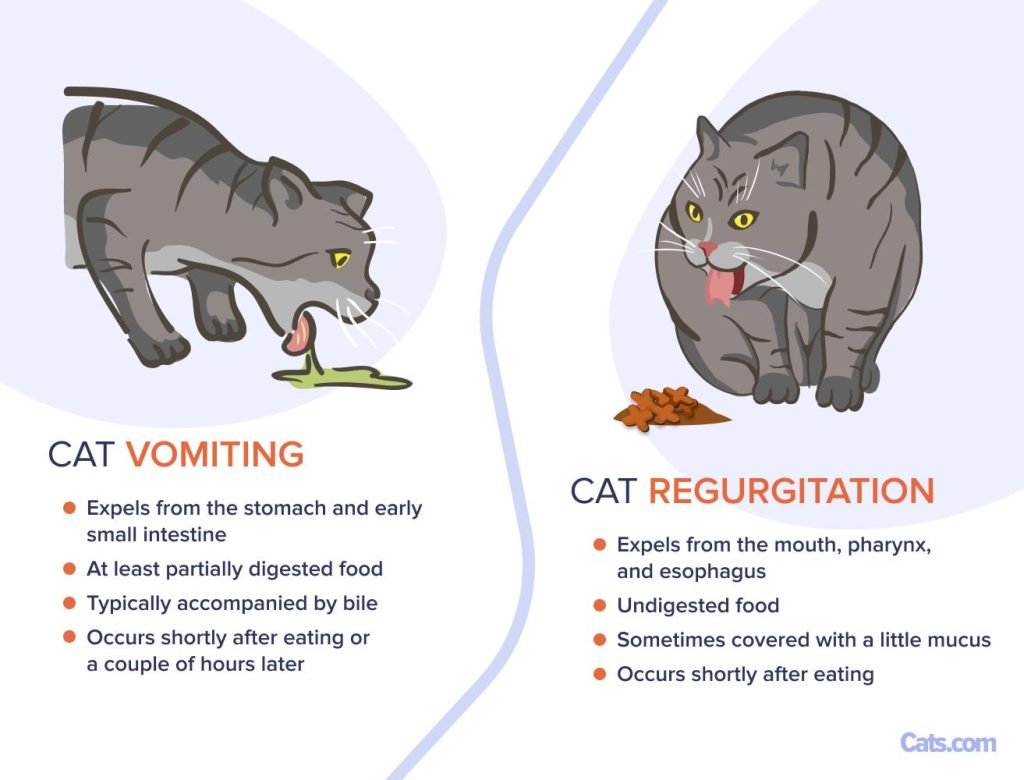
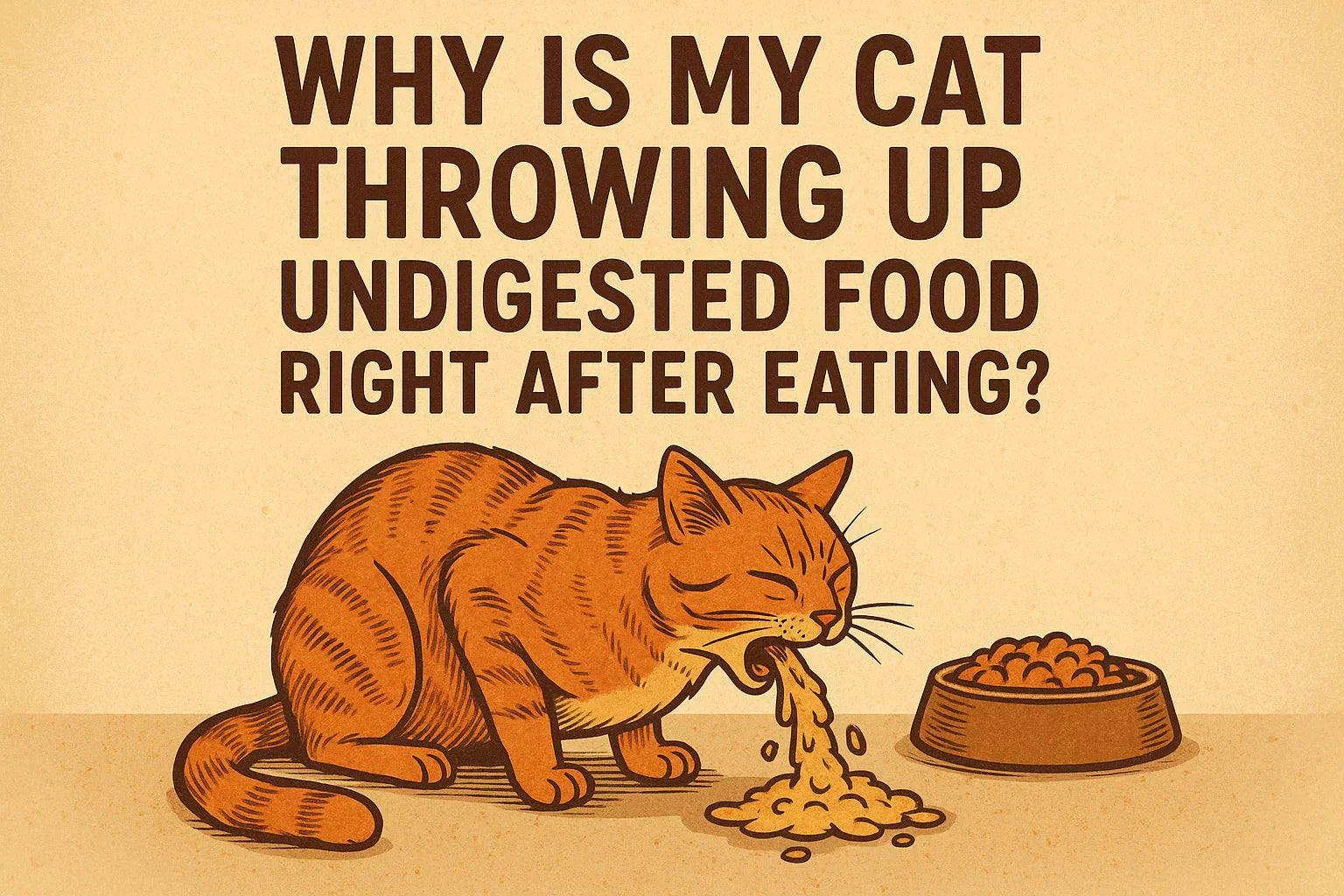
If your cat is vomiting undigested food, you’re probably worried and unsure what’s going on. Seeing your furry friend throw up can be upsetting, especially when the food looks the same as when it went in.
You might wonder if this is a sign of a serious problem or just a minor upset. Understanding why your cat is vomiting undigested food is important for keeping them healthy and happy. You’ll learn the main reasons behind this issue, how to spot warning signs, and what steps you can take to help your cat feel better quickly.
Keep reading to protect your pet and ease your worries.
Common Causes
Vomiting undigested food is a common problem in cats. Many factors can cause this issue. Knowing the common causes helps pet owners understand and act quickly.
Some causes are simple and easy to fix. Others may need a vet’s attention. Recognizing these causes can protect your cat’s health.
Dietary Issues
Changes in diet can upset a cat’s stomach. New or poor-quality food may cause vomiting. Overfeeding or feeding unsuitable food also leads to problems.
Eating Too Fast
Cats that eat too quickly often vomit soon after. Rapid eating causes food to stay undigested. Slow feeding can help reduce this issue.
Hairballs
Cats groom themselves and swallow hair. Hair can form clumps in the stomach. These clumps may cause vomiting of undigested food.
Food Allergies
Some cats react badly to certain foods. Allergies can cause stomach upset and vomiting. Identifying and avoiding allergens is important for health.
Gastrointestinal Problems
Issues like inflammation or blockages affect digestion. These problems often lead to vomiting undigested food. A vet can diagnose and treat these conditions.
Infections And Parasites
Infections and parasites disturb the digestive system. They cause vomiting and other digestive symptoms. Proper treatment helps clear these infections fast.
Credit: stellarnook.com
When To See A Vet
Knowing when to see a vet is crucial if your cat vomits undigested food. Vomiting can be a sign of many health issues. Some problems are minor and pass quickly. Others need immediate medical attention. Observing your cat’s behavior helps decide the right time to get help.
Persistent Vomiting
Vomiting more than twice in 24 hours needs a vet visit. Continuous vomiting can lead to dehydration and weakness. If your cat cannot keep food or water down, seek medical care. Persistent vomiting might indicate infections, blockages, or organ problems.
Other Symptoms To Watch
- Lethargy or unusual tiredness
- Loss of appetite for more than a day
- Weight loss or sudden changes in behavior
- Diarrhea or difficulty breathing
- Signs of pain or discomfort
These symptoms combined with vomiting suggest more serious illness. A vet can diagnose and treat underlying causes effectively.
Emergency Signs
- Blood in vomit
- Severe abdominal pain
- Continuous vomiting with collapse or fainting
- Breathing problems or blue gums
These signs require immediate veterinary attention. Delay can worsen your cat’s condition quickly.
Dietary Adjustments
Adjusting your cat’s diet can play a key role in reducing episodes of vomiting undigested food. Small changes in what and how you feed your feline friend might ease their digestive discomfort. These adjustments allow you to observe what works best for your cat’s unique needs.
Switching Food Types
Sometimes, the type of food can be the culprit. If your cat vomits soon after eating, their stomach might not tolerate the current food well.
Try switching to a different protein source like chicken instead of beef, or opt for a grain-free formula. Cats with sensitive stomachs often benefit from foods with limited ingredients.
Have you noticed your cat reacts better to wet food over dry? Moist foods can be easier to digest and may reduce vomiting episodes.
Feeding Smaller Portions
Overloading your cat’s stomach can cause vomiting of undigested food. Feeding smaller, more frequent meals spreads out the intake and eases digestion.
Instead of one or two big meals, try offering three to four smaller portions daily. This approach helps prevent the stomach from getting overwhelmed and reduces the chance of vomiting.
Think about how your cat behaves after eating—do they seem uncomfortable or restless? Adjusting portion size could make a noticeable difference.
Slow Feeding Techniques
Rapid eating often leads to vomiting undigested food. Cats can gulp down their meals too quickly, which upsets their stomach.
Use slow feeder bowls or puzzle feeders to encourage slower eating. These tools make your cat work a little for their food, helping digestion start properly.
Another simple trick is to spread their food across a flat surface or multiple dishes. This slows down their eating pace naturally.
Home Remedies
Dealing with your cat vomiting undigested food can be stressful, but there are simple home remedies you can try to ease their discomfort. These remedies focus on improving digestion, preventing hairball buildup, and supporting gut health. You might find that small changes in care can make a big difference in your cat’s wellbeing.
Hydration Tips
Keeping your cat well-hydrated is key to preventing vomiting. Water helps move food smoothly through the digestive system and can reduce irritation in the stomach.
- Offer fresh water several times a day, not just in one bowl.
- Try adding a bit of low-sodium broth to encourage drinking.
- Wet cat food can boost hydration if your cat isn’t drinking enough.
Have you noticed your cat drinking less water on certain days? That might be a red flag to adjust their water sources or food moisture content.
Hairball Management
Hairballs often cause vomiting of undigested food, especially in cats that groom a lot. Managing hairballs can ease your cat’s digestive upset.
- Brush your cat daily to reduce loose hair they swallow.
- Give hairball control treats or gels designed to help move hair through the digestive tract.
- Ensure your cat’s diet includes fiber to aid natural hair passage.
Does your cat seem uncomfortable or gag frequently? These signs mean it’s time to focus on hairball care more actively.
Probiotics And Supplements
Probiotics can balance your cat’s gut bacteria and improve digestion, potentially reducing vomiting incidents. Supplements like digestive enzymes may also help break down food better.
- Look for probiotics formulated specifically for cats.
- Start with small doses and observe your cat’s reaction.
- Consult your vet before adding supplements to avoid interactions.
Could your cat’s diet be lacking natural digestive support? Probiotics might be the missing piece to keep their stomach settled.
Preventive Measures
Preventing your cat from vomiting undigested food starts with creating a healthy routine and environment. Small changes can make a big difference in your cat’s digestion and overall well-being. Consider how often you check on your cat’s health and surroundings to catch problems early.
Regular Vet Checkups
Scheduling regular visits to the vet helps catch issues before they become serious. Your vet can identify underlying health problems that cause vomiting, such as gastrointestinal disorders or food allergies.
Think about the last time your cat had a full health check. Did the vet check for parasites or recommend dietary adjustments? Keeping these appointments ensures your cat stays in top shape and reduces the chances of vomiting.
Parasite Control
Parasites can disrupt your cat’s digestion and lead to vomiting undigested food. Regular deworming and fecal tests are essential to keep these unwanted guests away.
Use vet-approved treatments consistently and watch for signs like weight loss or diarrhea. If your cat spends time outdoors, parasite control becomes even more critical to prevent infections that upset their stomach.
Safe Eating Environment
Creating a calm and safe eating space can prevent your cat from eating too fast or ingesting harmful objects. Avoid feeding near noisy areas or other pets that might cause stress during meals.
Try using puzzle feeders or smaller, frequent meals to slow down eating. Have you noticed if your cat vomits after eating in a rush? Adjusting their feeding habits can improve digestion and reduce vomiting episodes.

Credit: www.youtube.com

Credit: www.youtube.com
Frequently Asked Questions
Why Is My Cat Vomiting Undigested Food?
Cats may vomit undigested food due to rapid eating, hairballs, or digestive issues. It can also indicate infections or food intolerance. Persistent vomiting needs veterinary evaluation to rule out serious conditions.
How Often Is Normal For Cats To Vomit Food?
Occasional vomiting, about once every few weeks, can be normal for cats. Frequent vomiting, more than twice a week, suggests a health problem. Monitor your cat closely and consult a vet if vomiting persists.
Can Diet Changes Prevent Cat Vomiting Undigested Food?
Yes, feeding smaller, frequent meals and high-quality, easily digestible food can reduce vomiting. Avoid sudden diet changes and foods causing allergies. Proper hydration and stress reduction also help maintain digestive health.
When Should I Take My Cat To The Vet For Vomiting?
Seek immediate vet care if vomiting lasts over 24 hours, contains blood, or your cat is lethargic. Also, consult a vet if your cat shows weight loss, diarrhea, or refuses food after vomiting.
Conclusion
Cat vomiting undigested food needs careful attention. Watch your cat’s behavior closely. Changes in eating or digestion can signal problems. Visit a vet to find the cause early. Treating issues quickly helps your cat feel better. Keep your cat’s food fresh and clean.
Stress can also cause vomiting, so keep calm. Healthy cats are happy cats. Take action to keep your cat safe and healthy.
