

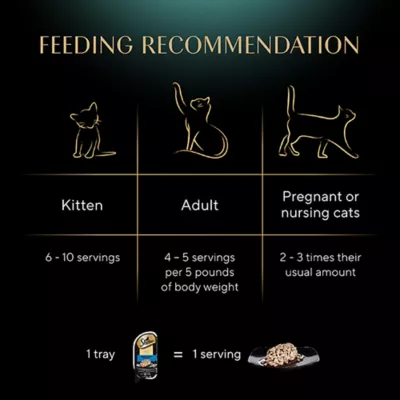
Are you wondering how much wet food to give your cat each day? Feeding your furry friend the right amount is important for their health and happiness.
Too little, and your cat might feel hungry and low on energy. Too much, and they could gain unwanted weight or face other health issues. You’ll discover simple, clear guidelines that help you feed your cat just the right portion of wet food.
Keep reading to learn how to make sure your cat stays healthy and satisfied with every meal.
Benefits Of Wet Cat Food
Wet cat food offers many benefits that support your cat’s overall health and happiness. It provides essential nutrients in a form cats find easy to eat and digest. Choosing wet food can improve hydration, nutrition, and taste appeal for your feline friend.
Hydration And Health
Wet cat food contains high water content, helping keep cats hydrated. Cats often drink less water on their own, so wet food aids in preventing dehydration. Proper hydration supports kidney function and urinary tract health. It helps reduce the risk of urinary crystals and stones. Feeding wet food is especially important for cats that do not drink enough water.
Nutritional Value
Wet cat food is rich in protein and moisture, matching a cat’s natural diet. It usually has fewer carbohydrates than dry food, which benefits cats’ weight and blood sugar levels. Many wet foods contain essential vitamins, minerals, and taurine. Taurine supports heart and eye health. The balanced nutrition helps maintain muscle tone and energy.
Palatability For Cats
Wet cat food smells and tastes stronger than dry kibble. Cats find it more appetizing, encouraging better eating habits. It is softer in texture, ideal for older cats or those with dental issues. The variety of flavors and textures keeps cats interested in their meals. This helps prevent picky eating and supports a healthy appetite.
Factors Influencing Wet Food Quantity
Determining how much wet food to feed your cat isn’t a one-size-fits-all answer. Several factors play a role in deciding the right portion size. Understanding these can help you provide a balanced diet tailored to your cat’s unique needs.
Cat’s Age And Weight
Kittens need more calories per pound than adult cats because they are growing rapidly. Younger cats often require multiple small meals throughout the day to support their energy levels. Older cats, especially those who have slowed down, usually need fewer calories to maintain a healthy weight.
Weight also matters. An overweight cat should receive smaller portions to encourage weight loss, while an underweight cat may need larger or more frequent feedings. Have you noticed your cat’s weight changing recently? Adjusting food quantity can be a simple way to help.
Activity Level
Active cats burn more calories and often need more food to fuel their play and exploration. Indoor cats that lounge most of the day require fewer calories than outdoor or highly active cats. If your cat suddenly becomes more or less active, it’s worth re-evaluating their food portions.
Think about your cat’s daily routine. Does your feline friend chase toys, climb, or roam the yard? Those bursts of energy mean they may need extra nutrition to stay healthy.
Health Conditions
Health issues can dramatically affect your cat’s dietary needs. Cats with diabetes, kidney disease, or food allergies often require special diets or controlled portions. Feeding too much or the wrong type of food can worsen these conditions.
Always consult your vet if your cat has a diagnosed health problem. They can recommend an appropriate feeding plan that supports recovery and overall wellness. Have you talked to your vet about how your cat’s health might influence their food intake?
Calculating Daily Wet Food Portions
Calculating the right daily wet food portions helps keep your cat healthy. Cats need the right amount of calories and nutrients each day. Too much food can cause weight gain. Too little can lead to health issues. Understanding how to measure portions is key for proper feeding.
Reading Feeding Guidelines
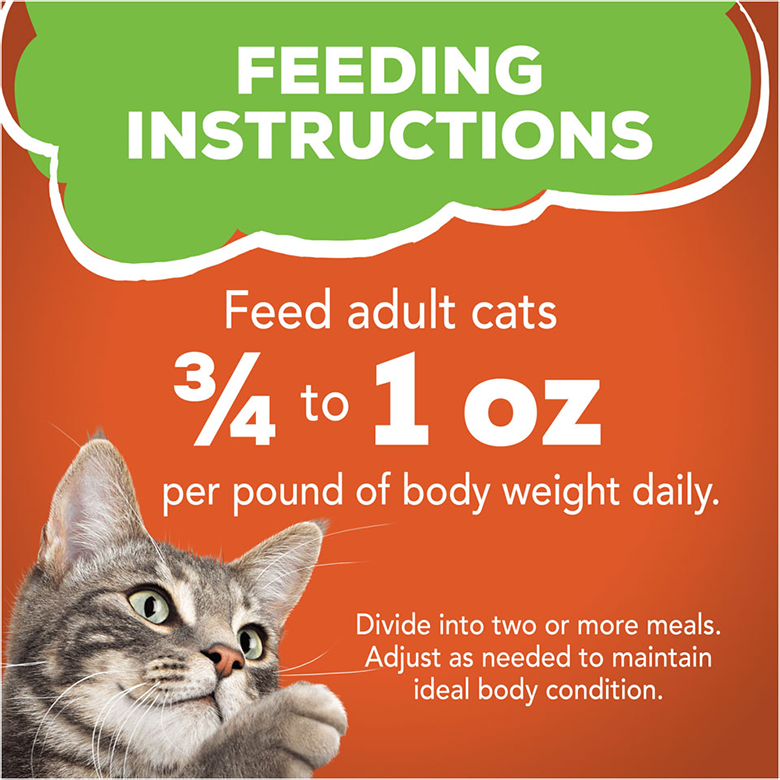
Wet food packages usually have feeding guidelines. These show how much to feed based on your cat’s weight. Guidelines give a good starting point. Check the label for daily portion sizes. Remember, these are general recommendations. Adjust based on your cat’s activity and health.
Adjusting For Mixed Diets
Many cats eat both wet and dry food. Combine the calories from both types to avoid overfeeding. Calculate total daily calories your cat needs. Then subtract calories from dry food. Feed the remaining amount in wet food. This balance helps maintain a healthy weight.
Monitoring Weight Changes
Watch your cat’s weight regularly. Use a small scale or visit the vet. Adjust food portions if weight changes. Losing weight might mean increasing portions. Gaining weight means cutting back. Small changes keep your cat in good shape.

Credit: www.amazon.co.uk
Feeding Frequency And Schedules
Feeding frequency and schedules are key to keeping your cat healthy and happy. Cats thrive on routine, and regular meal times help regulate their digestion and energy levels. Wet food should be given in portions that suit your cat’s age, weight, and activity. Understanding how often to feed and when to serve meals helps maintain your cat’s ideal weight and prevents overeating.
Meal Timing Tips
Feed your cat at consistent times every day. Cats feel secure with predictable routines. Most adult cats do well with two meals per day. Kittens and very active cats might need three or four smaller meals daily.
- Serve meals in the morning and evening for adults.
- Offer smaller portions for kittens throughout the day.
- Keep meal times 8-12 hours apart to aid digestion.
- Remove uneaten wet food after 20-30 minutes to keep it fresh.
Free Feeding Vs Scheduled Feeding
Free feeding means leaving food out all day. Scheduled feeding gives meals at set times. Free feeding works for some cats but can cause overeating. Scheduled feeding helps control portions and weight.
- Free feeding suits cats with low food motivation.
- Scheduled feeding is better for cats prone to obesity.
- Wet food spoils quickly, so free feeding is less ideal.
- Use scheduled feeding to monitor your cat’s appetite and health.
Signs Of Overfeeding And Underfeeding
Knowing the signs of overfeeding and underfeeding your cat is crucial for maintaining their health. Both can lead to serious health problems if left unnoticed. Paying close attention to your cat’s behavior and physical changes can help you adjust their wet food portions effectively.
Weight Gain Indicators
Is your cat looking a little rounder than usual? Sudden weight gain is a clear sign of overfeeding. You might notice:
- Difficulty feeling their ribs when you gently press their sides
- A noticeable increase in belly fat or a sagging abdomen
- Less activity or reluctance to jump and play
On the flip side, if your cat’s ribs and spine become more prominent, this could signal underfeeding. Cats losing weight unexpectedly may exhibit:
- Visible bones along their back and hips
- A decrease in muscle mass
- Weakness or lethargy during usual activities
Signs Of Nutritional Deficiency
Overfeeding doesn’t always mean your cat is getting the right nutrients. In fact, feeding too much wet food without balance can cause deficiencies. Watch for dull fur, excessive shedding, or skin issues as warning signs.
Underfeeding can also lead to nutritional gaps. If your cat frequently scratches, has dry skin, or shows poor coat condition, it might be lacking essential vitamins and minerals. Behavioral changes like irritability or increased vocalization can also hint at nutrient shortages.
Have you noticed any of these signs with your cat? Adjusting the amount and type of wet food could make a big difference in their overall well-being.
Credit: purinaexpress.com
Tips For Transitioning To Wet Food
Switching your cat to wet food can be a bit of a journey. Cats can be picky eaters, and sudden changes might upset their stomach or make them resist the new food altogether. The key is to take it slow and pay attention to your cat’s preferences and reactions.
Introducing New Flavors
Start by offering small amounts of the new wet food alongside your cat’s regular diet. This gives your cat a chance to get used to the smell and taste without feeling overwhelmed. You might notice your cat sniffing or licking cautiously at first—that’s normal.
Try different flavors to see which one your cat prefers. Some cats like chicken, others prefer fish or beef. Keep a variety on hand and rotate them to maintain interest. If your cat refuses a new flavor, don’t force it; just try again after a day or two.
Combining Wet And Dry Food
Mixing wet and dry food can make the transition smoother. Start by mixing a small portion of wet food into their dry food bowl. Gradually increase the amount of wet food while decreasing dry food over a week or two.
This approach helps your cat adjust to the texture and moisture content without a sudden diet change. Plus, it keeps mealtime exciting and less stressful for both of you. How does your cat react when you mix their foods? Observing this can guide you on the pace of transition.
Expert Recommendations And Resources
Knowing how much wet food to feed your cat can feel tricky. Expert advice and trusted resources help you make choices that support your cat’s health and happiness. Let’s look at where you can find reliable guidance and how to apply it.
Consulting Veterinarians
Your vet is the best source for tailored feeding advice. Cats vary widely in age, weight, activity level, and health conditions, so a one-size-fits-all approach doesn’t work.
During a visit, you can ask specific questions like:
- How many grams of wet food my cat needs daily?
- Should I adjust feeding amounts if my cat is overweight or has a health issue?
- Is it okay to mix wet and dry food, and in what proportions?
Many vets also provide handouts or digital guides that break down feeding amounts. This personalized advice is invaluable and often more accurate than general online recommendations.
Reliable Feeding Charts
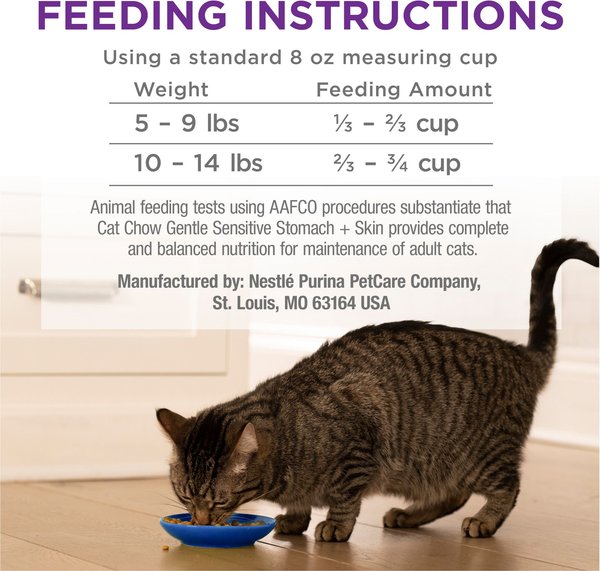
Feeding charts offer a clear starting point for portion sizes based on your cat’s weight. These charts help prevent overfeeding or underfeeding and are usually available on pet food packaging or websites of reputable pet food brands.
| Cat Weight (lbs) | Daily Wet Food Amount (grams) | Number of 85g Pouches |
|---|---|---|
| 6 | 150-180 | 2 |
| 8 | 190-230 | 2 to 3 |
| 10 | 230-270 | 3 |
Keep in mind, these charts are guidelines. Adjust based on your cat’s appetite and body condition. What if your cat suddenly stops eating the usual amount? That’s a sign to revisit these numbers with your vet.
Credit: www.chewy.com
Frequently Asked Questions
How Much Wet Food Does An Average Cat Need Daily?
Most adult cats require about 3 to 5 ounces of wet food daily. This depends on their weight, age, and activity level. Always check the feeding guidelines on the food packaging for precise amounts.
Can I Feed Only Wet Food To My Cat?
Yes, cats can thrive on a wet food-only diet if it’s nutritionally complete. Wet food provides hydration and essential nutrients. Consult your vet to ensure your cat’s dietary needs are fully met.
How Often Should I Feed My Cat Wet Food?
Feed your cat wet food two to three times a day for balanced nutrition. Divide the daily recommended amount into smaller meals to support digestion and prevent overeating.
Does Wet Food Help With Cat Hydration?
Wet food contains high moisture, helping keep cats hydrated. It’s especially beneficial for cats that drink little water. Including wet food can support urinary tract health.
Conclusion
Feeding your cat the right amount of wet food keeps them healthy and happy. Watch their weight and energy to adjust portions. Each cat has different needs, so be patient. Quality wet food supports hydration and nutrition. Consult your vet for personalized advice.
Feeding with care shows you love your cat. Keep meals consistent and observe how they respond. Small changes can make a big difference. Your cat deserves the best balanced diet daily.
