

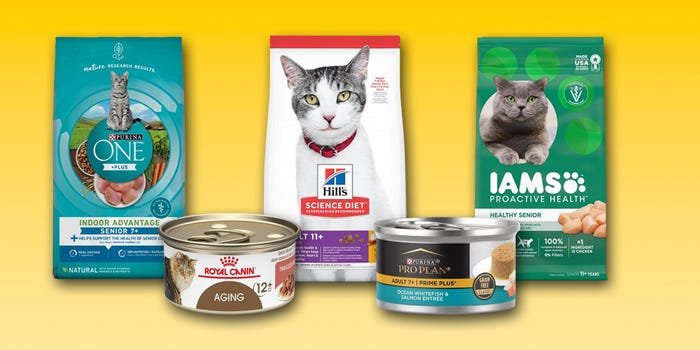
As your cat grows older, their needs change—especially when it comes to food. You want the best for your furry friend, but finding the right soft cat food for older cats can feel overwhelming.
Soft food is gentler on aging teeth and easier to digest, helping your cat stay healthy and happy. You’ll discover how to choose the perfect soft food that meets your cat’s unique needs and keeps them purring with joy. Keep reading to learn simple tips that make a big difference in your cat’s golden years.
Why Soft Food Suits Older Cats
Soft food suits older cats because it meets their changing needs. As cats age, their health and eating habits often change. Soft food offers key benefits that support these changes. It helps with their dental health, digestion, and hydration. Each of these factors plays a vital role in keeping older cats comfortable and healthy.
Dental Health Benefits
Older cats often have weaker teeth and gums. Hard food can cause pain or damage. Soft food is gentle and easy to chew. It reduces the risk of tooth breakage and gum irritation. Feeding soft food helps older cats eat without discomfort. It supports their dental health by avoiding extra stress on their mouth.
Ease Of Digestion
Digestion slows down with age in cats. Soft food breaks down easily in the stomach. It requires less effort to digest than dry food. This makes nutrient absorption more efficient. Soft food reduces the chance of digestive upset. It helps older cats get the nutrients they need.
Hydration Support
Older cats often drink less water. Soft food contains higher moisture levels than dry food. This added moisture helps keep cats hydrated. Proper hydration supports kidney function and overall health. Soft food is a good way to increase fluid intake. It helps prevent dehydration and related problems.

Credit: www.amazon.ca
Key Nutrients For Senior Cats
Feeding your senior cat soft food means more than just choosing something easy to chew. It’s about providing the right nutrients that support their changing body and keep them lively. Understanding what nutrients older cats need can help you pick the best food that truly benefits their health.
High-quality Protein
Protein helps maintain your cat’s muscle mass as they age. But not all proteins are equal—your cat needs high-quality sources like chicken, turkey, or fish. These proteins are easier to digest and provide essential amino acids that support healing and energy.
Have you noticed your older cat losing muscle strength? Feeding them soft food rich in quality protein can make a noticeable difference in their mobility and overall energy.
Balanced Fat Content
Fats are a vital energy source for senior cats, but too much can lead to weight gain. A balanced fat level with omega-3 and omega-6 fatty acids supports brain function and healthy skin. Look for foods that include fish oil or flaxseed oil to nourish your cat’s coat and joints.
Think about your cat’s activity level—does the food provide enough fat for energy without overloading them? This balance is key to maintaining a healthy weight and vibrant health.
Vitamins And Minerals
Older cats need extra vitamins and minerals to support their immune system and bone health. Vitamins A, E, and B-complex, along with minerals like calcium and phosphorus, play critical roles. Check the label to ensure the soft food meets these nutritional needs.
Have you ever compared the vitamin content of different cat foods? Some brands add supplements that make a big difference in your cat’s vitality and disease resistance.
Fiber For Digestion
As cats age, their digestion can slow down, leading to constipation or discomfort. Adding fiber helps keep their digestive system running smoothly. Ingredients like pumpkin, beet pulp, or psyllium husk in soft food can promote regular bowel movements.
Does your cat seem uncomfortable after meals? A soft food with the right fiber content might ease digestion and improve their comfort.
Choosing The Right Soft Food
Choosing the right soft food for your older cat can feel overwhelming with so many options available. The goal is to find food that supports their aging needs, tastes good, and is easy to eat. Paying attention to the type of packaging, ingredients, and additives can help you make a smart choice.
Wet Vs. Pouched Options
Wet canned food usually has a thicker texture and lasts longer once opened if stored properly. Pouched options tend to be lighter, easier to open, and often come in smaller portions, which helps maintain freshness.
Consider your cat’s preferences and eating habits. Does your senior cat enjoy more moist food, or do they prefer something easy to chew with less liquid? You might try both types to see which one your cat prefers.
Checking Ingredient Lists
Look for high-quality proteins like chicken, turkey, or fish listed as the first ingredient. Avoid foods with vague terms like “meat by-products” or “animal digest,” which don’t give clear information about the protein source.
Older cats need balanced nutrition with added vitamins and minerals to support joint health and immunity. Check if the food includes omega fatty acids, taurine, and antioxidants, which are crucial for their well-being.
Avoiding Fillers And Additives
Fillers like corn, wheat, and soy provide little nutritional value and can cause allergies or digestive issues in some cats. Steer clear of foods with artificial colors, flavors, or preservatives that might upset your cat’s stomach.
Have you noticed your cat reacting poorly after a meal? Ingredients matter more than packaging. Choosing soft food without unnecessary fillers and additives can improve digestion and overall health for your aging feline friend.
Feeding Tips For Older Cats
Feeding older cats requires more attention than just picking the right food. Their digestive systems and activity levels change, which means their diet should too. Paying close attention to how and when you feed your senior cat can make a big difference in their comfort and health.
Meal Frequency And Portion Size
Older cats often benefit from smaller, more frequent meals. This helps with digestion and keeps their energy steady throughout the day. Instead of one or two large meals, try offering three to four smaller portions.
Watch how your cat responds. If they seem hungry soon after eating, you might need to adjust the portion size slightly. Remember, overfeeding can cause weight gain, which leads to other health issues.
Transitioning To Soft Food
Switching to soft food can be challenging for some cats, especially if they are used to dry kibble. Start by mixing a small amount of soft food with their regular meals. Gradually increase the soft food portion over a week or two.
Keep an eye on their willingness to eat and any digestive changes. If your cat refuses the new food, try warming it slightly to enhance the aroma. Patience during this transition is key—you want your cat to enjoy mealtime, not dread it.
Monitoring Weight And Health
Regularly checking your cat’s weight is crucial as they age. Sudden weight loss or gain can be a sign of underlying health problems. Use a simple scale at home or visit your vet for accurate tracking.
Also, observe your cat’s energy levels and coat condition. Healthy skin and a shiny coat often reflect good nutrition. If you notice any drastic changes, consult your vet promptly to adjust the diet or check for illnesses.
Special Diets For Health Issues
Older cats often face health challenges that require special attention in their diets. Soft cat food designed for seniors can support these needs effectively. Tailored formulas help manage specific health issues and improve life quality.
Choosing the right diet supports your cat’s overall well-being. Special diets target common problems like kidney disease, weight gain, and joint pain. These foods provide essential nutrients in a soft texture, easy for older cats to eat and digest.
Kidney Health Formulas
Kidney problems affect many senior cats. Special kidney health formulas contain lower protein and phosphorus levels. This reduces kidney strain and helps maintain function.
- Controlled minerals to protect kidneys
- Added omega-3 fatty acids to reduce inflammation
- Soft texture for easy chewing and digestion
These diets support kidney health and improve comfort during feeding.
Weight Management Options
Older cats often slow down and gain weight. Weight management formulas help maintain a healthy body condition. They contain fewer calories but high fiber to keep cats full.
- Balanced nutrients for energy and health
- Low fat content to prevent weight gain
- Soft, palatable texture to encourage eating
Proper weight control reduces risks of diabetes and joint stress.
Joint Support Nutrition
Joint problems cause pain and limit mobility. Special diets include ingredients that support joint health. Glucosamine and chondroitin help repair cartilage and reduce discomfort.
- Anti-inflammatory omega-3 fatty acids
- Vitamins and minerals for strong bones
- Soft food for cats with dental sensitivity
These foods help older cats stay active and comfortable.
Credit: www.walmart.ca
Homemade Soft Food Ideas
Making homemade soft food for your older cat can be a rewarding way to ensure they get the nutrition they need in a form that’s easy to eat and digest. It allows you to control every ingredient and adjust textures to suit your cat’s preferences and health needs. Let’s look at some practical ideas you can try at home, along with tips to keep your cat safe and satisfied.
Simple Recipes
Start with easy-to-make recipes that blend protein, healthy fats, and a bit of moisture. For example, mix cooked chicken breast with a spoonful of pumpkin puree and a splash of warm water to create a soft, tasty meal.
Another option is mashed sweet potato combined with finely shredded turkey and a little chicken broth. This combination provides fiber, vitamins, and protein in a gentle texture.
Have you tried pureed fish like salmon or whitefish? It’s rich in omega-3s and can be mixed with a small amount of cooked rice for variety.
Safe Ingredients
Always choose ingredients that are safe and healthy for cats. Avoid onions, garlic, grapes, raisins, and any seasoning or salt. Fresh chicken, turkey, fish, pumpkin, and sweet potatoes are excellent choices.
Ensure all meat is cooked thoroughly to prevent bacterial risks. Bones, skin, and fat should be removed to avoid choking hazards and digestive issues.
Do you check labels and ingredient lists when buying broths or canned items? Opt for low-sodium, no-additive options to keep your cat’s diet clean and healthy.
Storage And Serving Tips
Prepare small batches to keep the food fresh and avoid waste. Store leftovers in airtight containers in the refrigerator for up to three days.
Before serving, warm the food slightly to room temperature. Cats often prefer food that’s not cold, which can stimulate their appetite.
Using a shallow dish can help older cats eat more comfortably. Monitor your cat’s reaction—if they seem hesitant, try adjusting the texture or temperature.
Credit: www.purina.com
Frequently Asked Questions
What Are The Benefits Of Soft Cat Food For Older Cats?
Soft cat food is easier to chew and digest for older cats. It helps maintain hydration and supports dental health. Nutrient-rich formulas address aging cats’ dietary needs, promoting better overall health and energy levels.
How To Choose The Best Soft Cat Food For Seniors?
Look for high-quality protein and added vitamins in soft cat food. Check for ingredients that support joint and kidney health. Avoid fillers and artificial preservatives to ensure optimal nutrition for older cats.
Can Soft Cat Food Improve An Older Cat’s Appetite?
Yes, soft cat food often has a stronger aroma and appealing texture. This stimulates appetite in older cats with reduced taste or dental issues. It encourages consistent eating, helping maintain healthy weight and nutrition.
Is Soft Cat Food Better Than Dry Food For Elderly Cats?
Soft food hydrates better and is gentler on aging teeth. Dry food can be harder to chew and less appealing. However, a balanced diet may include both types based on individual cat preferences and health needs.
Conclusion
Soft cat food helps older cats eat with ease and comfort. It supports their health and keeps them happy. Choosing the right food means better digestion and nutrition. Soft textures protect aging teeth and gums. Feeding your senior cat well shows you care.
Watch your cat enjoy mealtime again. This simple change makes a big difference. Give your older cat the gentle care they deserve.
