


Have you ever wondered if your cat truly knows you by sight? When your feline friend looks at you, are they recognizing your face or just your voice and scent?
Understanding whether cats can recognize faces can change the way you connect with your pet. If you want to deepen your bond and communicate better with your furry companion, keep reading. This article will reveal surprising facts about how cats see you and what it means for your relationship.
Cat Vision Basics
Understanding how cats see the world helps you grasp why they recognize faces differently than humans do. Their vision shapes how they interact with their environment and with you. Let’s look closely at the basics of cat vision to see what makes their world unique.
How Cats See The World
Cats have excellent night vision. They can see in light levels six times lower than what humans need. This ability helps them hunt or explore during dawn, dusk, or even nighttime.
However, cats don’t see colors the way you do. Their color vision is limited, mostly seeing shades of blue and green. Red and pink may look more like gray or black to them.
Movement catches a cat’s eye much faster than details or color. That’s why your cat might ignore a still toy but pounce on one that wiggles. Their eyes are built to detect quick motion for survival.
Differences Between Cat And Human Vision
| Aspect | Cat Vision | Human Vision |
|---|---|---|
| Color Perception | Limited; mostly blue and green | Full spectrum of colors |
| Night Vision | Excellent; sees in very low light | Poor; needs more light |
| Field of View | About 200 degrees | About 180 degrees |
| Detail Recognition | Less sharp; focuses on movement | Sharp; focuses on detail |
Think about how your cat reacts when you call their name. They might not recognize your face in the way you expect, but their eyes are tuned to spot familiar shapes and movements. How does this change your approach to bonding with your pet?
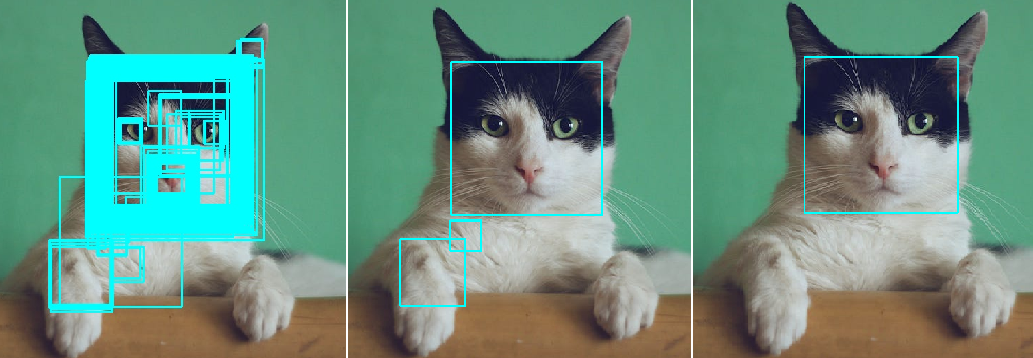
Credit: medium.com
Facial Recognition In Animals
Facial recognition plays a key role in how animals interact with their environment and others. Many species rely on recognizing faces to identify friends, foes, or family members. This skill helps with survival, social bonding, and communication. Understanding facial recognition in animals gives insight into their intelligence and behavior.
Examples From Other Species
Several animals show strong facial recognition abilities. Dogs can recognize their owners’ faces even from pictures. Primates, like chimpanzees, distinguish between group members and strangers easily. Sheep remember faces of other sheep and humans for years. Birds such as crows and pigeons also recognize individual faces to avoid threats or find mates.
Importance Of Facial Recognition
Facial recognition helps animals stay safe by spotting danger quickly. It supports social bonds by allowing animals to remember friends. This skill aids in finding mates and caring for young. Animals with this ability adapt better to changing environments. It improves communication within groups and helps avoid conflicts.
Feline Facial Recognition Abilities
Cats have unique ways to recognize people around them. Their ability to identify faces is different from humans. Understanding feline facial recognition helps us see how cats connect with their owners. Cats use multiple senses to know who we are. They focus on more than just sight.
Scientific Studies On Cats
Research shows cats can distinguish between familiar and unfamiliar faces. Studies tested cats by showing images of their owners and strangers. Results suggest cats do recognize human faces but not very clearly. They rely on other senses to confirm identity. Cats’ brain activity changes when they see a known person’s face.
How Cats Identify Humans
Cats use a mix of sight, smell, and sound to identify people. They notice facial features but also observe body language and movements. Cats often watch your eyes and mouth for cues. They learn to recognize your voice and walking style too. Visual recognition alone is not enough for cats.
Role Of Scent And Sound
Scent plays a major role in how cats recognize humans. Cats have a strong sense of smell and remember familiar scents well. They often sniff your hands and clothes to confirm your identity. Sound also helps cats identify people. Cats respond to their owner’s voice more than to strangers’ voices.

Credit: www.youtube.com
Behavioral Signs Cats Recognize Faces
Understanding how cats recognize faces is a fascinating way to deepen your connection with them. Their behavior often reveals subtle clues about whether they can tell one face from another. Watching your cat’s reactions can provide clear signs of this recognition, helping you better understand their social world.
Response To Familiar Vs. Unfamiliar Faces
Have you noticed how your cat’s eyes light up or their ears perk when you walk into the room? This is often a sign they recognize your face as familiar. Cats tend to show more relaxed body language and may approach you confidently when they see a familiar face.
On the other hand, when an unfamiliar face appears, cats often become cautious or even avoidant. They might freeze, hiss, or retreat to a safe spot. This change in behavior suggests they distinguish between people they know and strangers.
Interactions With Owners And Strangers
Your cat’s behavior toward you is usually different from their behavior toward strangers. They may rub against you, purr, or follow you around, which indicates recognition and trust. These actions show that your cat associates your face with comfort and safety.
With strangers, cats might show hesitation or keep their distance. Sometimes, they observe quietly before deciding if the new person is safe. Have you ever noticed your cat slowly approaching a visitor after a few minutes? That patience demonstrates their ability to evaluate unfamiliar faces carefully.
Factors Influencing Recognition
Cats may recognize faces based on several key factors. These factors shape how well cats identify and remember people. Understanding these helps explain why some cats seem more familiar with certain faces than others.
Socialization And Early Experiences
Kittens exposed to many people early learn to recognize faces better. Socialization creates positive associations with different humans. Cats handled gently as kittens feel safer around new faces. Limited early contact with people can make cats wary and less likely to recognize faces later.
Breed Differences
Some cat breeds show stronger social skills. Breeds like Siamese or Ragdolls often recognize and bond with owners quickly. Others may be more independent and less focused on faces. Genetics influence how much attention cats pay to human expressions and features.
Environmental Influences
The home environment affects face recognition in cats. Cats in busy homes meet many people and learn to spot familiar faces. Quiet, isolated cats have fewer chances to practice recognition. Consistent routines and repeated interactions improve a cat’s ability to remember faces over time.

Credit: wamiz.co.uk
Limitations Of Feline Face Recognition
Cats have limits when it comes to recognizing faces. Their ability to identify humans is not as sharp as people might think. Cats rely more on other senses like smell and voice. Their vision focuses on movement and shapes rather than detailed facial features.
These limits affect how cats respond to people. They may not always recognize their owners by face alone. This can lead to confusion or cautious behavior, especially around strangers. Understanding these limits helps explain why cats act differently than dogs or other pets.
Challenges Cats Face
Cats have fewer facial recognition skills compared to humans. Their brains are wired to prioritize smells over visual details. Faces may look similar to them, making it hard to tell people apart.
Lighting and distance also affect a cat’s ability to see faces clearly. Cats rely on memory of scents and sounds to identify familiar people. A face alone might not be enough for a cat to feel safe or comfortable.
Comparison With Other Pets
Dogs excel in recognizing human faces and emotions. Their social nature makes them more attentive to facial cues. Cats, being more independent, focus less on faces and more on other signals.
Birds and some primates also show strong face recognition skills. Cats’ abilities are limited in comparison, relying on different senses. This explains why cats may respond to voices or smells rather than faces.
Enhancing Connection With Cats
Building a strong bond with your cat goes beyond just feeding and petting. Cats pick up on subtle signals, and you can strengthen your connection by understanding how they recognize and respond to your presence. Paying close attention to their cues helps you create moments of trust and comfort that deepen your relationship.
Tips For Building Trust
Trust doesn’t happen overnight. It grows through consistent, positive interactions where your cat feels safe and respected.
- Be patient:Allow your cat to approach you on their terms. Avoid forcing contact.
- Use calm body language:Slow blinking toward your cat can signal friendliness and reduce their anxiety.
- Speak softly:Cats are sensitive to tone, so gentle voices help them feel secure.
- Offer treats during interactions:This creates positive associations with your presence.
- Respect their space:Cats need places to retreat to when overwhelmed.
I remember when my shy cat would hide whenever guests came over. By sitting quietly and offering treats, I noticed she gradually started coming closer. Small efforts like these can make a big difference in building trust.
Using Visual And Sensory Cues
Cats rely heavily on their senses to recognize you. Your face is one part of that, but other cues matter too.
- Maintain eye contact carefully:Avoid staring; instead, use slow blinks to show friendliness.
- Wear consistent scents:Cats recognize familiar smells, so using the same lotion or detergent helps.
- Approach with soft movements:Sudden motions can startle them, breaking the connection.
- Use your voice as a signal:Calling your cat’s name in a gentle tone reinforces recognition.
Have you noticed how your cat reacts differently when you wear a new perfume or after a haircut? They use multiple senses to identify you, not just your face. By tuning into these cues, you can communicate more clearly and strengthen your bond.
Frequently Asked Questions
Do Cats Recognize Their Owner’s Face?
Yes, cats can recognize their owner’s face by combining visual cues with scent and voice. They rely on multiple senses.
How Do Cats Identify Familiar Faces?
Cats use a mix of sight, smell, and sound to identify familiar faces. Visual recognition alone is limited.
Can Cats Distinguish Between Strangers And Owners?
Yes, cats can tell owners apart from strangers using facial features, voice tone, and scent markers.
Do Cats Remember Faces Over Time?
Cats have good memory for faces, especially those linked to positive experiences and daily interactions.
Conclusion
Cats do recognize human faces to some degree. They use other clues too, like voice and smell. Each cat shows this ability differently. Some cats remember their owners well. Others may rely more on scent than sight. Understanding this helps improve your bond.
Watch your cat’s behavior closely. It tells a lot about their recognition skills. Cats are unique and smart animals. They connect with people in special ways. This makes living with cats more rewarding. Keep learning about your cat’s world. It deepens your friendship every day.
