

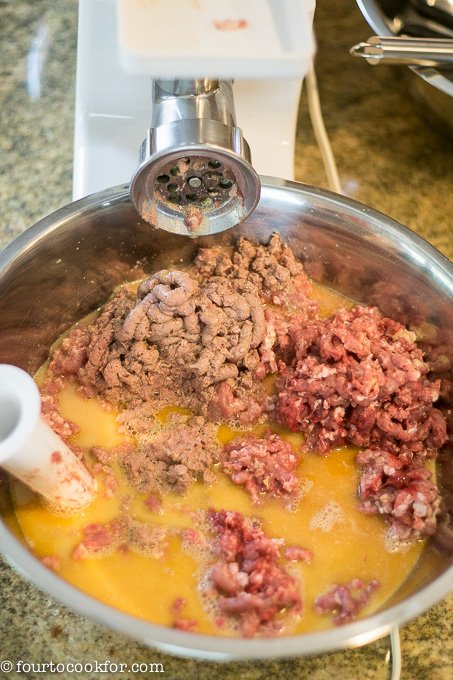
Are you looking to give your cat healthier, tastier meals right from your kitchen? Making home cooked cat food recipes can be a game-changer for your furry friend’s health and happiness.
Imagine knowing exactly what goes into your cat’s bowl—fresh ingredients, no fillers, and full of nutrients. You’ll discover simple, safe recipes that your cat will love. Ready to transform your cat’s diet and see the difference in their energy and coat?
Keep reading to find out how easy it can be!

Credit: www.thecookierookie.com
Benefits Of Home Cooked Cat Food
Home cooked cat food offers many benefits that commercial foods may not provide. Preparing meals at home lets you give your cat fresh and nutritious ingredients. This approach supports your pet’s health and well-being in several ways.
Improved Nutrition
Home cooking allows you to provide balanced meals made from whole foods. You can control the portions of proteins, fats, and vitamins your cat needs. Fresh ingredients keep nutrients intact, supporting strong muscles and a shiny coat. Avoiding fillers means your cat gets more real nutrition in every bite.
Control Over Ingredients
You decide exactly what goes into your cat’s food. No unwanted additives, preservatives, or artificial colors. This control ensures meals are free from harmful chemicals and low-quality ingredients. Your cat gets pure, wholesome food tailored to its taste and needs.
Suitability For Allergies
Some cats have allergies or sensitivities to certain ingredients. Home cooked meals let you avoid common allergens like grains, dairy, or specific proteins. This helps reduce skin problems, itching, and digestive troubles. You can create recipes that suit your cat’s unique health requirements.
:strip_icc()/cateatingcatfoodJaromirChalabalaEyeEm-5c3a5c754cedfd00012536db.jpg)
Credit: www.thesprucepets.com
Essential Nutrients For Cats
Cats need specific nutrients to stay healthy and active. Their diet must include essential elements that support growth, energy, and overall well-being. Knowing these nutrients helps in preparing balanced home cooked meals.
Proteins And Amino Acids
Proteins are the building blocks of a cat’s body. Cats need high-quality animal proteins from meat, fish, or poultry. These proteins provide essential amino acids like taurine, which cats cannot make on their own. Taurine supports heart health, vision, and reproduction. Lack of taurine can cause serious health issues.
Fats And Fatty Acids
Fats supply energy and help absorb vitamins. Essential fatty acids such as omega-3 and omega-6 keep the skin and coat healthy. They also support brain function and reduce inflammation. Good fat sources include fish oil, chicken fat, and flaxseed oil. Avoid too much fat to prevent obesity.
Vitamins And Minerals
Vitamins and minerals support many body functions. Vitamin A helps vision and immune health. Vitamin D supports bone strength. Minerals like calcium and phosphorus build strong bones and teeth. Zinc and iron help with growth and oxygen transport. Balance is key to avoid deficiencies or excesses.
Safe Ingredients To Use
Choosing safe ingredients is the key to preparing nutritious and tasty home cooked meals for your cat. Not all human foods are suitable, so knowing which ingredients support your cat’s health without causing harm is essential. Let’s look at the safest options you can use to keep your feline friend happy and healthy.
Meats And Poultry
Cats are obligate carnivores, meaning they thrive on animal protein. Use fresh, high-quality meats like chicken, turkey, and lean cuts of beef or lamb. Always cook the meat thoroughly to kill harmful bacteria, but avoid seasoning as spices can upset your cat’s stomach.
Raw fish or meat might seem tempting, but it carries risks of parasites and bacteria. Instead, boil or bake the meat and remove any bones, as cooked bones can splinter and cause internal injuries. Have you noticed how your cat eagerly responds to the smell of cooked chicken? That’s a good sign you’re on the right track.
Vegetables And Fruits
While cats don’t need vegetables and fruits in large amounts, small portions can provide fiber and vitamins. Safe choices include cooked carrots, peas, pumpkin, and steamed green beans. These add variety and help with digestion.
Fruits like blueberries and small pieces of apple (without seeds) can be occasional treats. Avoid onions, garlic, grapes, and raisins—they’re toxic to cats. Have you ever tried mixing a bit of pumpkin into your cat’s meal? Many cats enjoy it, and it supports healthy digestion.
Grains And Supplements
Some cats tolerate grains like rice and oats, which can add energy and texture to homemade recipes. Use plain, cooked grains without salt or butter. However, be cautious—some cats have grain sensitivities, so watch for any digestive issues.
Supplements like taurine are critical since cats can’t produce enough on their own. You can find taurine powder at pet stores or through your vet. Adding a pinch to the meal ensures your cat’s heart and eyes stay healthy. What supplements have you considered to boost your cat’s diet?
Ingredients To Avoid
Creating home cooked meals for your cat means choosing safe ingredients. Some foods can harm your cat’s health or cause serious illness. Avoiding certain items ensures your pet stays healthy and happy. Knowing what to exclude is just as important as choosing the right foods.
Toxic Foods For Cats
- Onions and garlic: Cause damage to red blood cells.
- Chocolate: Contains substances toxic to cats.
- Grapes and raisins: Can lead to kidney failure.
- Caffeine: Affects the heart and nervous system.
- Alcohol: Very dangerous, even in small amounts.
- Raw dough: Can expand in the stomach and cause issues.
- Avocado: Contains persin, harmful to many pets.
Harmful Additives
- Salt: Too much can cause dehydration and kidney problems.
- Sugar: Leads to obesity and dental issues.
- Artificial preservatives: May cause allergies or toxicity.
- Flavor enhancers: Can upset your cat’s stomach.
- Onion powder and garlic powder: Concentrated forms are more dangerous.
Overfeeding Risks
Even safe foods can cause harm if given in large amounts. Overfeeding leads to obesity, diabetes, and joint problems. Feed your cat balanced portions based on weight and activity. Too many treats can also cause nutritional imbalance. Regularly monitor your cat’s weight for a healthy diet.
Easy Recipes To Try
Trying out easy home cooked cat food recipes can be a rewarding experience for both you and your feline friend. These simple meals use common ingredients and require minimal prep time, making them perfect for busy pet owners. Cooking for your cat allows you to control the quality and freshness of their food, ensuring they get nutritious and tasty meals.
Chicken And Rice Meal
This classic recipe is gentle on your cat’s stomach and provides a good balance of protein and carbohydrates. Use boneless, skinless chicken breast cooked thoroughly and shredded into small pieces.
- Cook 1/2 cup of rice until soft.
- Mix the shredded chicken with the rice.
- Add a little chicken broth (without onions or garlic) to moisten the mixture.
This meal is great if your cat has digestive issues or is recovering from illness. Have you noticed how much cats appreciate simple flavors?
Salmon And Sweet Potato
Salmon offers healthy omega-3 fatty acids that promote a shiny coat and support brain health. Sweet potato adds fiber and essential vitamins to the dish.
- Bake or steam a small salmon fillet, then flake it into bite-sized pieces.
- Cook and mash 1/4 cup of sweet potato until smooth.
- Combine the salmon and sweet potato thoroughly before serving.
This combo is not only nutritious but also aromatic, which many cats find irresistible. Have you tried mixing fish with veggies for your pet before?
Turkey And Pumpkin Delight
Ground turkey is a lean protein choice that cats love, while pumpkin supports healthy digestion. This recipe is especially helpful if your cat experiences occasional digestive upsets.
- Cook 1/2 cup of ground turkey, breaking it up as it cooks.
- Mix in 2 tablespoons of pure canned pumpkin (make sure it’s plain pumpkin, not pie filling).
- Let the mixture cool before serving to your cat.
Adding pumpkin is a simple way to improve your cat’s gut health without extra supplements. How often do you consider adding natural fibers to your cat’s diet?
Preparation Tips And Storage
Preparing and storing homemade cat food properly is key to keeping your furry friend healthy and happy. You want to make sure every meal is safe, tasty, and packed with nutrition. Careful cooking, portioning, and storage can save you time and prevent waste.
Cooking Methods
Choose gentle cooking methods like steaming, boiling, or baking to preserve nutrients. Avoid using oils or seasonings that can upset your cat’s stomach. I once tried frying chicken for my cat, and it made her uneasy—stick to simple cooking.
Cook meat thoroughly to kill harmful bacteria but don’t overcook it to the point nutrients vanish. Using a slow cooker or steaming basket works wonders for keeping meat tender and nutritious.
Portioning And Serving
Measure portions based on your cat’s weight, age, and activity level. Smaller, frequent meals often suit cats better than one large serving. I split my cat’s daily food into three meals—she stays energetic and avoids overeating.
Use airtight containers or small bowls for serving. Avoid feeding straight from large batches to keep food fresh and avoid contamination. Have you noticed how cats prefer fresh food over leftovers?
Storing Homemade Food
Cool freshly cooked food before refrigerating to prevent bacterial growth. Store portions in sealed containers and label them with the date. Homemade cat food typically lasts 3-4 days in the fridge and up to 2 months in the freezer.
Freeze meals in individual portions for convenience. Thaw in the fridge overnight rather than at room temperature to maintain safety. Do you check your cat’s food temperature before serving? It can make a big difference in acceptance.
Consulting Your Veterinarian
Consulting your veterinarian is essential before preparing home cooked cat food recipes. Cats have unique nutritional needs that must be met carefully. A vet can guide you to create a safe and balanced diet. This step helps avoid health risks from improper feeding. It also ensures your cat gets all nutrients needed for good health.
Customizing Diet Plans
Every cat is different. Your vet can help design a diet plan based on your cat’s age, weight, and health. They consider allergies, medical conditions, and activity levels. This personalization supports your cat’s well-being and prevents nutrient imbalances. A tailored plan keeps your cat strong and happy.
Monitoring Health Changes
Regular check-ups with your vet track how your cat responds to home cooked meals. They watch for signs of weight gain or loss, changes in energy, and coat condition. Adjustments to the diet happen as needed. Early detection of problems helps avoid serious health issues later.
Supplement Recommendations
Home cooked food might miss some vital nutrients. Vets suggest supplements to fill any gaps. Common supplements include taurine, omega-3 fatty acids, and vitamins. Your vet decides the right types and amounts. This keeps your cat’s diet complete and balanced.

Credit: thelittlecarnivore.com
Frequently Asked Questions
What Ingredients Are Safe For Home Cooked Cat Food?
Safe ingredients include cooked chicken, turkey, fish, and eggs. Avoid onions, garlic, and seasoning. Include small amounts of vegetables like carrots and peas.
How Do I Balance Nutrients In Homemade Cat Food?
Include protein, fats, and minimal carbs. Use supplements like taurine, calcium, and vitamins. Consult a vet for precise nutrient balance.
Can Homemade Cat Food Replace Commercial Cat Food?
Yes, if nutritionally balanced and vet-approved. Homemade food can improve health but requires careful preparation and supplementation to meet all cat needs.
How Often Should I Feed My Cat Homemade Food?
Feed cats two to three small meals daily. Monitor weight and energy to adjust portions. Fresh homemade food is best served daily.
Conclusion
Preparing home cooked cat food can be simple and healthy. You control the ingredients and avoid fillers. Cats enjoy fresh, tasty meals made with care. Always include the right nutrients for your pet’s health. Consult your vet to keep meals balanced and safe.
Cooking at home shows love and attention to your cat. Start small, try easy recipes, and watch your cat thrive. Healthy food leads to a happy, energetic pet every day.
