

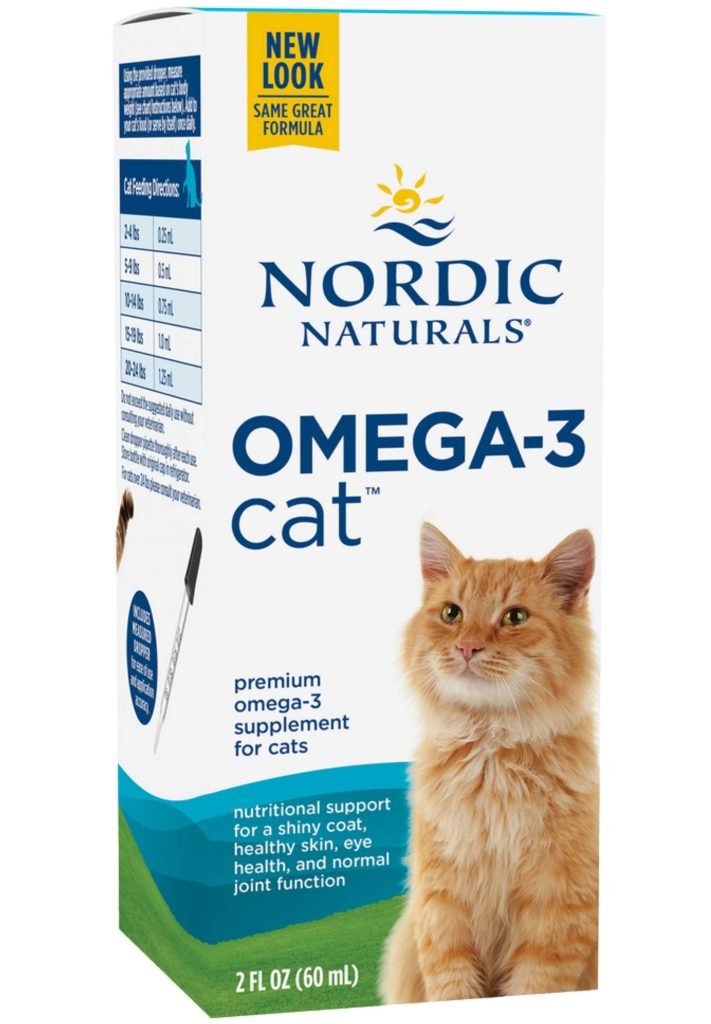
If you want your cat to stay healthy and full of energy, choosing the right food is key. Fish oil cat food is gaining attention for its amazing benefits that go beyond just tasty meals.
You might be wondering, what makes fish oil so special for your furry friend? This article will show you why adding fish oil to your cat’s diet can boost their coat, improve their brain function, and support their joints. Keep reading to discover how this simple ingredient can make a big difference in your cat’s life.
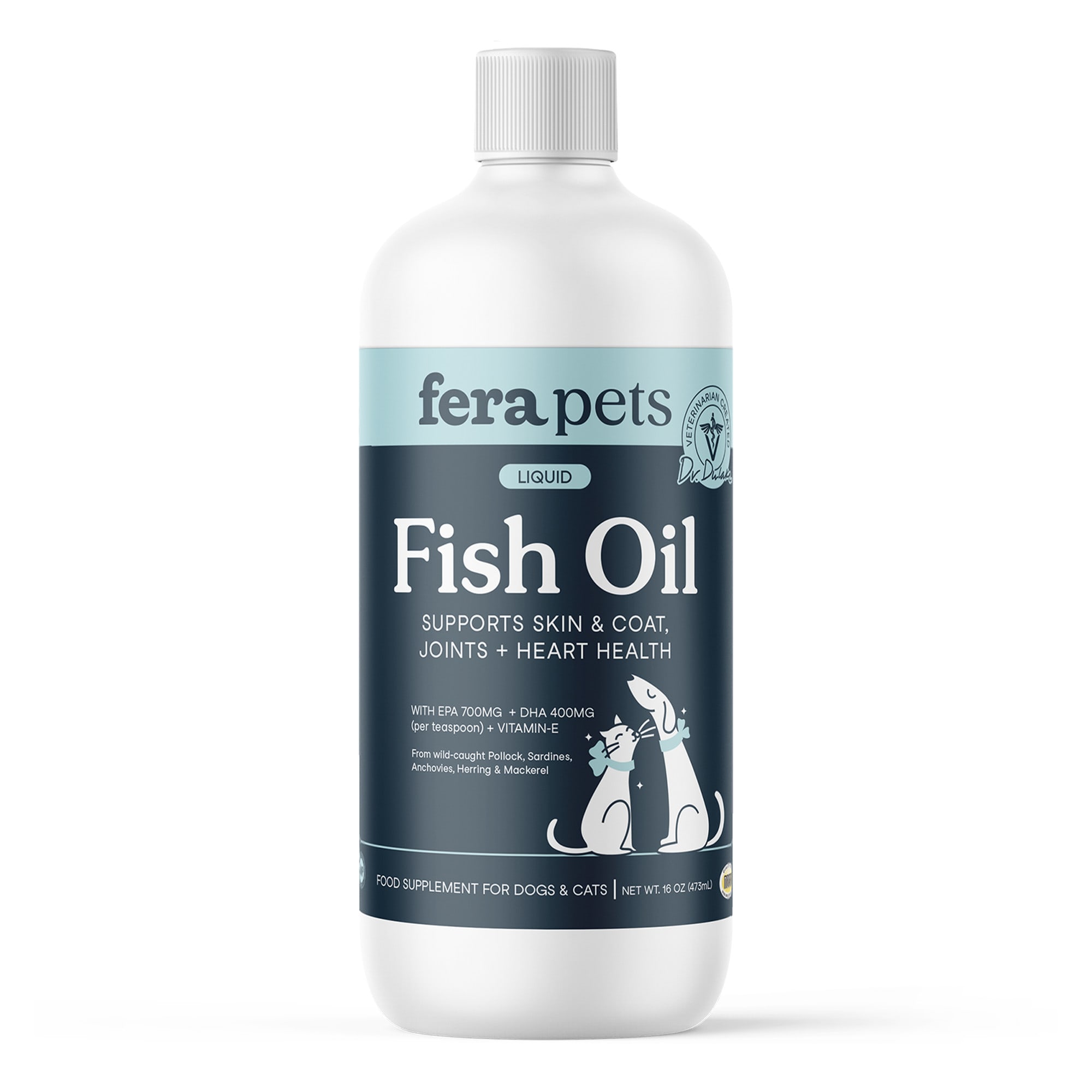
Credit: www.petco.com
Benefits Of Fish Oil For Cats
Fish oil is a natural source of omega-3 fatty acids essential for cats’ health. These healthy fats support many body functions and improve overall well-being. Including fish oil in cat food offers multiple benefits that can enhance your cat’s life.
Improved Skin And Coat
Fish oil helps reduce dryness and itching on the skin. It nourishes the coat, making it shiny and soft. Cats with allergies or sensitive skin often show visible improvement.
Joint Health Support
Omega-3 in fish oil reduces inflammation in joints. This support helps cats stay active and move freely. Older cats especially benefit from less stiffness and pain.
Enhanced Immune System
Fish oil boosts the immune system, helping cats fight illnesses. Stronger immunity means fewer infections and quicker recovery times. It supports overall health and vitality.
Cognitive Function Boost
The omega-3 fatty acids in fish oil aid brain health. They improve memory, focus, and learning abilities in cats. This is important for kittens and aging cats alike.

Credit: www.petco.com
Choosing The Right Fish Oil Cat Food
Selecting the best fish oil cat food supports your cat’s health and happiness. Quality fish oil provides essential omega-3 fatty acids. These fatty acids help improve skin, coat, and joint health.
Many products claim to contain fish oil, but not all are created equal. Understanding key ingredients and how to read labels helps you make smart choices. This ensures your cat receives the right nutrition without harmful additives.
Key Ingredients To Look For
- High levels of EPA and DHA omega-3 fatty acids
- Pure fish oil from cold-water fish sources
- Natural antioxidants like vitamin E to preserve freshness
- No artificial colors, flavors, or preservatives
- Added vitamins and minerals for overall nutrition
Types Of Fish Oils Used
Fish oil in cat food usually comes from these sources:
- Salmon oil – rich in omega-3 and easy to digest
- Anchovy oil – contains high EPA and DHA content
- Sardine oil – offers a good balance of nutrients
- Menhaden oil – commonly used in pet foods for quality omega-3
Choose fish oils that are sustainably sourced and tested for purity. This reduces risks from heavy metals or toxins.
Reading Labels Effectively
Labels reveal much about the fish oil quality and product safety.
- Check the ingredient list for specific fish oil types
- Look for guaranteed analysis of omega-3 content
- Identify any fillers or unnecessary additives
- Note expiration dates to ensure freshness
- Verify if the product meets AAFCO nutritional standards
Understanding these details helps pick the healthiest option for your cat.
Incorporating Fish Oil Into Your Cat’s Diet
Adding fish oil to your cat’s diet can boost their health in many ways, from improving coat shine to supporting joint and heart health. However, it’s important to use the right amount and mix it properly with their regular food. Understanding how much to give, how to add it, and what signs to watch for can make this a smooth and beneficial experience for both you and your feline friend.
Recommended Dosages
The right dose of fish oil depends on your cat’s size and health needs. Typically, a small cat benefits from about 20-55 mg of combined EPA and DHA per day. Larger cats may need closer to 55-100 mg.
Check the label on your fish oil product for EPA and DHA content. If you’re unsure, consult your vet to avoid giving too little or too much. Remember, more isn’t always better when it comes to supplements.
Mixing With Regular Food
Fish oil has a strong taste that some cats might initially reject. You can gently mix it into wet food where it blends well and masks the smell. For dry food, try adding a small amount of warm water to soften the kibble before stirring in the oil.
Using a syringe or dropper can help if your cat is picky—apply the oil directly into their mouth or onto a favorite treat. Have you noticed your cat’s reaction when trying new flavors? Patience and gradual introduction often win the day.
Signs Of Overconsumption
Too much fish oil can cause problems like diarrhea, vomiting, or a greasy coat. Watch for increased bleeding or bruising, which might indicate blood-thinning effects. If your cat’s appetite drops or they seem lethargic, it’s wise to cut back and consult your vet.
Keeping an eye on these signs ensures your cat benefits from fish oil without side effects. Have you ever experienced unexpected reactions to supplements with your pet? Sharing your story could help others avoid similar issues.
Potential Risks And Precautions
Fish oil cat food offers many benefits but comes with some risks. Knowing these risks helps keep your cat safe. Always take precautions before adding fish oil to your cat’s diet.
Allergic Reactions
Some cats may have allergies to fish oil ingredients. Watch for symptoms like itching, swelling, or vomiting. Stop feeding fish oil if these signs appear. Allergic reactions can be mild or severe. Immediate vet care may be needed for serious reactions.
Quality And Purity Concerns
Not all fish oil products are pure or high quality. Low-quality oils may contain harmful toxins or heavy metals. Choose fish oil from trusted brands with clear testing results. Look for products labeled “purified” or “tested for heavy metals.” Proper storage also keeps fish oil fresh and safe.
Consulting Your Veterinarian
Talk to your vet before adding fish oil cat food. Your vet knows your cat’s health history best. They can recommend the right dose and type of fish oil. Vets can also spot potential interactions with other medications. Regular check-ups ensure your cat stays healthy on fish oil.
Homemade Fish Oil Cat Food Recipes
Making your own fish oil cat food at home can be rewarding and healthier for your feline friend. You get control over what goes into their diet and can tailor recipes to suit their tastes and nutritional needs. Let’s dive into some easy fish oil mixes and how to keep your cat’s nutrition balanced without stress.
Simple Fish Oil Mixes
Start with a base of cooked white fish like cod or haddock, which is gentle on your cat’s stomach. Add a small spoonful of high-quality fish oil, such as salmon or cod liver oil, to provide essential omega-3 fatty acids.
Here’s a quick recipe you can try:
- 100g cooked white fish, flaked
- 1 teaspoon fish oil
- 1 boiled egg yolk for extra protein
- Optional: a pinch of crushed catnip for flavor
Mix these ingredients well and serve fresh. You’ll notice your cat’s coat becoming shinier and their energy levels rising. Have you noticed how your cat reacts to homemade meals compared to store-bought ones?
Balancing Nutrients At Home
Fish oil is great, but your cat needs a balanced diet to thrive. Alongside fish oil, you must include proteins, fats, vitamins, and minerals in the right amounts.
Consider adding small portions of organ meats like liver, which provide vital nutrients. Don’t forget taurine, an essential amino acid cats cannot make on their own. You can find taurine supplements specifically for pets at most pet stores.
Here’s a basic nutrient checklist for homemade cat food:
| Nutrient | Source | Purpose |
|---|---|---|
| Protein | Cooked fish, chicken, eggs | Muscle maintenance and growth |
| Omega-3 Fatty Acids | Fish oil | Healthy skin, coat, and brain function |
| Taurine | Supplements or organ meats | Heart health and vision |
| Vitamins & Minerals | Vegetables, supplements | Overall body function |
Balancing these nutrients at home might seem tricky, but it’s doable with simple planning. Have you tried mixing different protein sources or adding supplements to your cat’s food? Observing their health and behavior will tell you what works best.

Credit: www.amazon.com
Customer Reviews And Expert Opinions
Choosing the right fish oil cat food can be tricky without hearing from those who have tried it. Customer reviews and expert opinions provide valuable insights that help you make a confident choice. They reveal what works well and what to avoid, based on real experiences and professional advice.
Popular Brands Reviewed
Many cat owners share their experiences with popular fish oil cat food brands online. Brands like Grain-Free Omega Boostand PurePaws Fish Oil Formulaoften receive praise for improving coat shine and reducing inflammation.
Some users noticed significant changes within weeks, such as less scratching and more energy. However, a few mention that the smell can be strong, which might bother picky eaters.
- Grain-Free Omega Boost:Known for high-quality omega-3 content and natural ingredients.
- PurePaws Fish Oil Formula:Recommended for sensitive stomachs and skin allergies.
- OceanPet Essentials:Popular for its balanced nutrients and palatability.
Have you checked if the brand uses sustainably sourced fish? This can affect both quality and environmental impact, which many customers care about.
Veterinarian Recommendations
Veterinarians often recommend fish oil supplements or fish oil-enriched cat food to support joint health and skin conditions. They emphasize looking for products with high EPA and DHA levels, the key omega-3 fatty acids that benefit cats most.
Experts advise caution with dosage because too much fish oil can cause digestive upset or blood thinning issues. Always consult your vet before adding fish oil products to your cat’s diet, especially if your cat is on other medications.
Some vets suggest fish oil cat food as a preventative measure for aging cats. Could your cat’s current diet be missing this crucial nutrient?
Frequently Asked Questions
What Are The Benefits Of Fish Oil In Cat Food?
Fish oil provides essential omega-3 fatty acids that improve cats’ skin and coat health. It also supports joint function and reduces inflammation. Additionally, fish oil promotes heart and brain health, enhancing overall well-being and vitality for cats.
How Much Fish Oil Should Be In Cat Food?
Cat food typically contains 100 to 300 mg of fish oil per serving. The exact amount varies by brand and cat size. Always follow feeding guidelines and consult a vet to ensure safe and effective fish oil intake for your cat.
Can Fish Oil Cause Side Effects In Cats?
Fish oil is generally safe but may cause mild side effects like upset stomach or diarrhea. Overdosing can lead to blood thinning or vitamin toxicity. Always use recommended doses and consult your veterinarian before adding fish oil to your cat’s diet.
Is Fish Oil Better Than Flaxseed Oil For Cats?
Fish oil contains EPA and DHA omega-3s vital for cats, which flaxseed oil lacks. Flaxseed oil has ALA, a less effective omega-3 for cats. Therefore, fish oil is typically a better choice for feline health benefits.
Conclusion
Fish oil cat food supports your cat’s health every day. It helps keep their coat shiny and skin healthy. Fish oil also supports heart and brain function. Cats enjoy the taste, making mealtime more pleasant. Choose fish oil cat food for a happy, healthy pet.
Small changes can make a big difference. Give your cat the nutrients they need to thrive. Simple care leads to a joyful life for your furry friend.
