

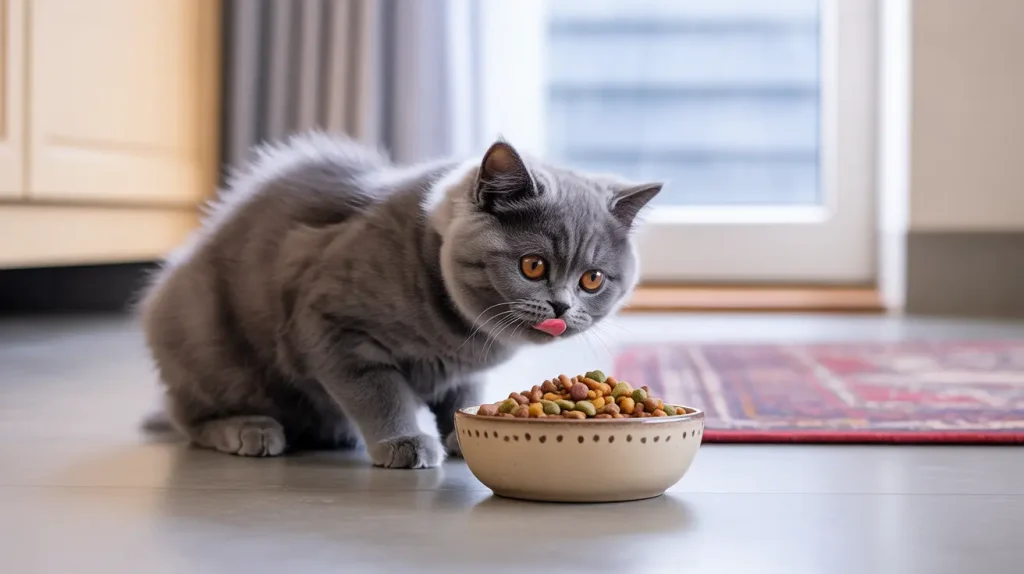
Are you wondering if your adult cat can safely eat kitten food? It’s a common question for many cat owners like you who want the best for their furry friends.
You might be tempted to share your kitten’s food or think it’s okay since it’s made for cats. But is it really the right choice for your cat’s health and well-being? Keep reading to discover what experts say about feeding your cat kitten food and how it can affect your pet’s nutrition and happiness.
Understanding this can help you make smarter decisions for your cat’s diet.
Credit: companion-vets.com
Kitten Food Basics
Understanding the basics of kitten food is essential if you want to provide the best care for your furry friend. Kitten food is specially made to support the rapid growth and high energy needs of young cats. Before deciding whether your adult cat can eat kitten food or vice versa, it’s important to know what sets kitten food apart.
Nutritional Needs Of Kittens
Kittens need more calories than adult cats because they are growing quickly and exploring the world around them. Their diet must have higher amounts of protein and fat to fuel this growth and development. Essential nutrients like DHA (an omega-3 fatty acid) support brain and eye development, which are not as critical in adult cat food.
Have you ever noticed how active kittens are? That energy demands a nutrition-packed diet tailored just for them.
Ingredients In Kitten Food
Kitten food usually contains higher-quality proteins like chicken, turkey, or fish to support muscle growth. It also has more vitamins and minerals such as calcium and phosphorus to help build strong bones and teeth. Unlike some adult cat foods, kitten formulas often include added antioxidants and fatty acids to boost immune health.
Reading labels helps you spot these vital ingredients. Do you check your cat food’s ingredient list regularly?
Differences From Adult Cat Food
The main difference lies in the nutrient levels—kitten food is richer in protein, fat, and calories. Adult cat food focuses more on maintaining weight and preventing health issues related to aging. Feeding an adult cat kitten food regularly can lead to unwanted weight gain because it is more calorie-dense.
Think about your cat’s life stage before choosing food. Could feeding the wrong type affect their health or happiness?
Credit: www.walmart.com
Adult Cats And Kitten Food
Adult cats and kitten food is a topic that often confuses many cat owners. You might wonder if feeding your adult cat kitten food is okay or even beneficial. Understanding the differences in nutritional needs between kittens and adult cats can help you make a better choice for your furry friend.
Can Adult Cats Eat Kitten Food?
Yes, adult cats can eat kitten food, but it’s not always the best idea. Kitten food is packed with extra calories, protein, and fat to support rapid growth. While this sounds good, adult cats don’t need these high levels and might gain weight if they eat kitten food regularly.
Think about your cat’s lifestyle. Is your adult cat very active or overweight? This makes a difference in whether kitten food can work temporarily or not. It’s like giving a marathon runner extra energy bars—they might use it, but a couch potato might not.
Benefits For Adult Cats
Feeding kitten food to adult cats can sometimes offer benefits. For example, cats recovering from illness or surgery may need more calories and protein, which kitten food provides. Also, very active adult cats or those with high energy needs might benefit from the extra nutrients.
- Supports muscle repair and recovery
- Provides extra calories for energy
- Contains more vitamins and minerals for overall health
During a personal experience with my own cat recovering from surgery, kitten food helped her regain strength quickly. Could your adult cat’s health or activity level justify a temporary switch?
Potential Risks And Downsides
There are risks if adult cats eat kitten food long-term. The extra fat and calories can lead to obesity, which causes joint problems and diabetes. Also, the calcium and phosphorus levels in kitten food are higher, which might stress adult cats’ kidneys over time.
Another downside is that kitten food doesn’t always meet the specific needs of adult cats, such as weight management or lower fat content. Feeding kitten food exclusively might cause nutritional imbalances in your adult cat.
Ask yourself: Is your cat gaining weight or showing signs of digestive upset? These could be signs that kitten food isn’t the right choice. It’s always good to consult your vet before making any big changes to your cat’s diet.
When To Use Kitten Food
Knowing when to use kitten food is crucial for your cat’s health and development. Kitten food contains the right balance of nutrients designed to support rapid growth and high energy levels. But should you keep feeding it forever, or switch at some point? Understanding the right moments to use kitten food helps you make the best choice for your pet’s well-being.
Health Conditions That May Require Kitten Food
Sometimes adult cats might benefit from kitten food due to specific health issues. Cats recovering from surgery or illness often need extra calories and nutrients to heal quickly.
Kitten food is richer in protein and fat, which can support weight gain in underweight or sick cats. If your vet recommends boosting your cat’s nutrition, kitten food might be part of the plan.
Transitioning Between Foods
Switching your cat from kitten food to adult food should be a gradual process. Sudden changes can upset their stomach or cause them to refuse the new food.
Try mixing increasing amounts of adult food with decreasing kitten food over 7-10 days. Watch for any signs of digestive trouble or reluctance to eat, and adjust the pace accordingly.
Feeding Frequency And Portion Sizes
Kitten food is often fed more frequently than adult cat food because kittens burn energy faster. You might feed a kitten four small meals a day, while adult cats usually do well with two.
Portion sizes also differ; kittens need more calories per pound of body weight. Pay attention to your pet’s appetite and body condition, adjusting portions to avoid overfeeding or underfeeding.
Choosing The Right Food
Choosing the right food for your cat is essential for its health. Cats have specific nutritional needs that vary by age. Kitten food is designed to support growth and development. Adult cats may not get all nutrients from kitten food, and kittens may need richer diets. Understanding how to pick the best food helps keep your cat happy and healthy.
Reading Pet Food Labels
Pet food labels show important information about the ingredients and nutrients. Look for the guaranteed analysis section. It lists protein, fat, fiber, and moisture percentages. Protein is crucial for cats, especially kittens. Check the ingredient list for meat sources near the top. Avoid foods with too many fillers like corn or wheat. Labels may also state if the food meets AAFCO standards for cat nutrition.
Wet Vs. Dry Kitten Food
Wet food contains more moisture, which helps with hydration. It is softer and easier for kittens to chew. Dry food is convenient and helps keep teeth clean. Both types have benefits and drawbacks. Wet food may spoil faster once opened. Dry food lasts longer but can lack moisture. Many cat owners feed a mix of both for balanced nutrition.
Quality Indicators In Pet Food
High-quality pet food uses named animal proteins like chicken or fish. Avoid vague terms like “meat by-products” or “animal digest.” Foods rich in omega fatty acids support skin and coat health. Natural preservatives like vitamin E are better than artificial ones. Look for added vitamins and minerals to support growth. A good quality food ensures your cat gets essential nutrients.
Monitoring Cat Health
Keeping a close eye on your cat’s health is essential, especially if you’re feeding them kitten food. While kitten food is packed with nutrients for growth, adult cats have different dietary needs. Monitoring how your cat responds can prevent health issues before they start.
Signs Of Nutritional Deficiency Or Excess
Watch for changes in your cat’s coat, energy levels, and appetite. A dull coat or excessive shedding can mean a lack of essential fatty acids or vitamins. On the flip side, vomiting or diarrhea might indicate too much rich nutrition, like excess protein or fat.
Pay attention to weight fluctuations. Sudden weight loss or gain signals that your cat’s diet might not be balanced. Also, observe their behavior—lethargy or restlessness can hint at nutritional imbalances.
Weight Management Tips
Kitten food is higher in calories, so feeding it to adult cats regularly can lead to unwanted weight gain. Measure your cat’s portions carefully and avoid free feeding. Instead, offer meals at set times to control calorie intake.
- Use a kitchen scale for accurate portioning.
- Limit treats and avoid table scraps.
- Encourage play and exercise to burn extra calories.
I once noticed my adult cat gaining weight after switching to kitten food. By reducing portion sizes and adding daily play sessions, I helped her get back to a healthy weight in a few weeks.
Consulting A Veterinarian
If you’re unsure about your cat’s diet or notice worrying symptoms, talk to your vet promptly. They can recommend blood tests or dietary adjustments tailored to your cat’s needs.
Your vet can also guide you on whether kitten food is suitable for your adult cat or if a transition to adult cat food is necessary. Don’t hesitate to ask questions—your vet’s advice is invaluable for keeping your cat healthy.
Homemade Alternatives
Considering homemade alternatives to commercial kitten food can seem like a smart choice for your cat’s diet. You might want to control every ingredient and avoid fillers or preservatives. But preparing meals that meet all of your kitten’s nutritional needs is more complicated than it looks.
Safe Ingredients For Cats
Choosing the right ingredients is key. Cats need protein-rich foods like cooked chicken, turkey, or lean beef. Adding small amounts of cooked eggs can boost protein and essential amino acids.
Vegetables like pumpkin or carrots provide fiber but should be given in moderation. Avoid onions, garlic, and anything seasoned with salt or spices—they can harm your cat. Always ensure meats are cooked thoroughly to kill harmful bacteria.
Balancing Nutrients At Home
It’s easy to miss vital nutrients when making food at home. Cats require taurine, an amino acid found mainly in animal tissues, which is crucial for heart and eye health. Without enough taurine, kittens can develop serious health problems.
Calcium and phosphorus balance must also be correct to support bone growth. You might need supplements, but guessing amounts can be risky. Have you ever tried mixing supplements? It’s tricky without a vet’s guidance.
When To Avoid Homemade Diets
If you don’t have time to research or prepare balanced meals, homemade diets could do more harm than good. Kittens grow fast and need precise nutrition to avoid deficiencies. If your cat has health issues, homemade food without veterinary advice is not safe.
Also, if your cat refuses new foods, switching to homemade can cause stress or poor intake. Would you risk your kitten’s health for the sake of homemade meals? Sometimes, the best choice is a high-quality commercial kitten food designed to meet all their needs.

Credit: felinefancy.co.uk
Frequently Asked Questions
Can Adult Cats Eat Kitten Food Safely?
Yes, adult cats can eat kitten food occasionally. Kitten food is richer in calories and nutrients. However, long-term feeding may cause weight gain or nutritional imbalance for adult cats.
Why Is Kitten Food Different From Adult Cat Food?
Kitten food contains higher protein, fat, and calories. These nutrients support growth and development in kittens. Adult cat food has balanced nutrients for maintenance and health.
How Long Should Kittens Eat Kitten Food?
Kittens should eat kitten food until about 12 months old. This period ensures proper growth and energy. After one year, transition to adult cat food gradually.
Can Kitten Food Help Adult Cats With Health Issues?
In some cases, kitten food may benefit underweight or sick adult cats. Its nutrient density supports recovery and energy needs. Always consult a vet before changing diet.
Conclusion
Cats can eat kitten food, but it is not always best. Kitten food has extra nutrients for growing cats. Adult cats may get too many calories or vitamins. This can cause health problems over time. Always check with your vet before changing your cat’s diet.
Choose food that fits your cat’s age and needs. Feeding the right food keeps cats healthy and happy. Remember, good nutrition supports a long, active life for your cat. Make smart choices for your furry friend’s meals every day.
