

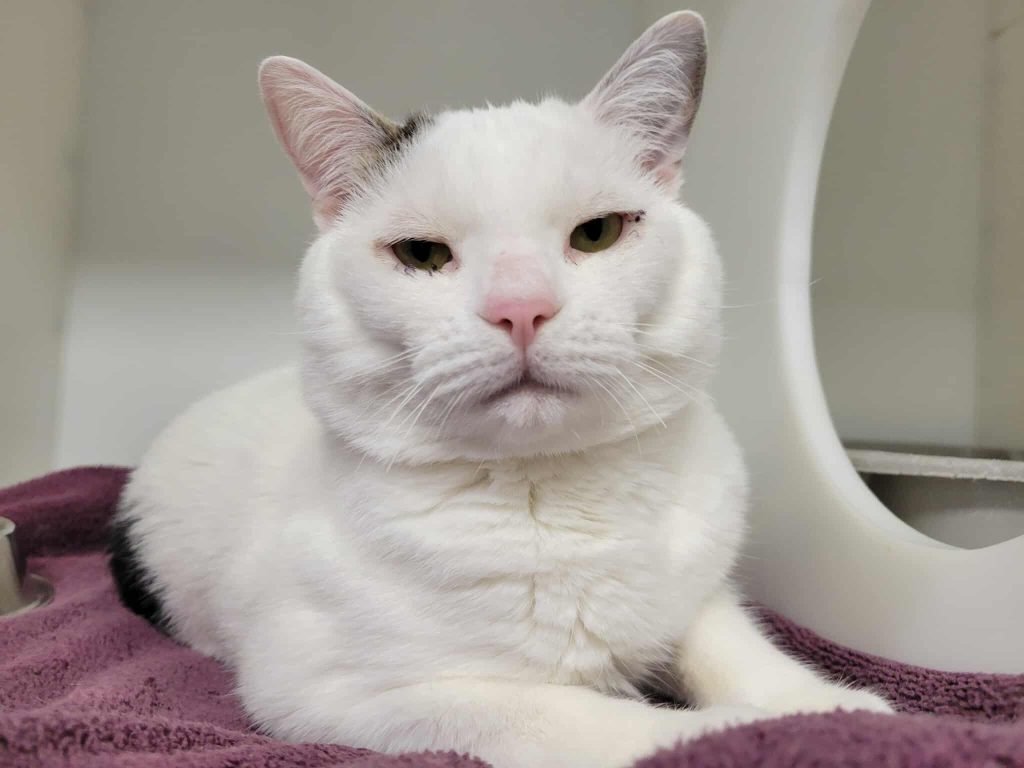
Are you ready to welcome a special friend into your life? A white cat for adoption might be exactly what you need.
These beautiful, gentle creatures can bring warmth, joy, and companionship to your home. Imagine the soft touch of their fur and the calming presence they offer after a long day. If you’ve ever thought about adding a furry companion, keep reading—because finding the perfect white cat could change everything for you.

Credit: purebredcatrescue.org
Why Choose A White Cat
Choosing a white cat for adoption can bring a unique charm and character into your home. These cats are often admired for their striking appearance, but there’s much more to them than meets the eye. Understanding their traits, health needs, and debunking common myths can help you make a confident decision.
Unique Traits And Personality
White cats often stand out with their beautiful, snowy coats that catch the light in a captivating way. Beyond their looks, many owners find these cats to be affectionate and playful companions. You might notice a gentle curiosity and a calm demeanor that make them great pets for families or individuals.
Have you ever met a pet that feels like it understands your moods? White cats often develop strong bonds with their humans, showing loyalty in small, meaningful ways.
Health Considerations
White cats can have some specific health factors you should keep in mind. For example, many white cats with blue eyes are prone to deafness, so it’s important to check their hearing early on. Regular vet visits will help you stay on top of any issues and keep your cat healthy.
Also, their light-colored fur makes them more sensitive to sun exposure, which can lead to skin problems. Using pet-safe sunscreen or providing shady resting spots can protect your cat during sunny days.
Common Misconceptions
One myth is that white cats are all shy or less friendly, but personality varies widely regardless of coat color. Another misconception is that they require more grooming, but their care needs are similar to other cats with regular brushing.
Have you heard people say white cats are bad luck? These old superstitions don’t hold up, and many white cats bring joy and good vibes to their homes. Don’t let myths stop you from welcoming a wonderful feline friend into your life.

Credit: www.petfinder.com
Where To Find White Cats For Adoption
Finding a white cat for adoption is easier than many expect. Various places offer cats in need of loving homes. Each source has unique benefits and options to explore. Knowing where to search helps find the perfect white cat match.
Animal Shelters And Rescue Groups
Animal shelters house many cats, including white ones. These cats often come from lost or abandoned situations. Shelter staff can provide details about each cat’s personality and health. Visiting local shelters allows meeting cats face to face. Rescue groups often specialize in saving cats from difficult conditions. They focus on care and finding safe homes quickly.
Online Adoption Platforms
Online platforms list cats available for adoption nationwide. These websites show photos, ages, and traits of white cats. Filters help narrow down searches by location and breed. Some platforms offer virtual meet-and-greets or video calls. This convenience suits people with busy schedules or distant locations.
Breed-specific Rescues
Some rescues focus on specific cat breeds, including white cats. These organizations know breed traits and health needs well. They offer advice on proper care and temperament. Breed-specific rescues often have cats with pedigrees or special backgrounds. Adopting through them supports focused efforts to protect certain breeds.
Preparing For Your New Cat
Bringing a white cat into your home is an exciting experience that requires thoughtful preparation. Your new companion will need a welcoming space and the right tools to settle in comfortably. Preparing ahead can ease the transition for both you and your cat, setting the stage for a happy relationship.
Essential Supplies
Before your white cat arrives, gather all necessary supplies. At minimum, you’ll need:
- Litter box:Choose one with low sides for easy access.
- Food and water bowls:Opt for ceramic or stainless steel to avoid odors.
- Cat food:Select high-quality food suited for your cat’s age and health.
- Scratching posts:Cats love to scratch; provide posts to protect your furniture.
- Comfortable bedding:A cozy spot helps your cat feel secure.
- Toys:Interactive toys keep your cat active and engaged.
Have you thought about where to place these items? Setting them up in quiet, accessible spots makes a big difference.
Creating A Safe Environment
Your home should be a safe haven for your new cat. Remove any toxic plants, secure loose wires, and keep small objects out of reach. White cats can sometimes be more sensitive to sunlight, so provide shaded resting areas.
Think about hiding spots where your cat can retreat if feeling overwhelmed. These safe zones reduce stress and help your cat adjust faster. Safety isn’t just about physical dangers; it also means creating a calm, predictable space.
Introducing To Your Home
When your white cat first arrives, introduce them slowly to their new environment. Start by confining them to one room with their essentials. This helps them get familiar with a small, manageable area.
Spend time sitting quietly nearby and offer treats to build trust. Gradually open up the rest of the house once your cat feels confident. How will you know when your cat is ready to explore more? Watch for relaxed body language and curiosity.

Credit: spcaroussillon.com
Caring For Your White Cat
Caring for your white cat means paying special attention to their unique needs. White cats have delicate fur and skin that need gentle care. They also require a balanced diet and regular health check-ups. Proper care helps them stay happy and healthy for years.
Grooming Tips
White cats need regular grooming to keep their coat clean and bright. Brush their fur gently at least three times a week. This removes loose hair and prevents matting. Use a soft brush to avoid irritating their skin.
Bathing is not often necessary but can help if the cat gets very dirty. Use a mild shampoo made for cats. Dry their fur completely to avoid chills. Check their ears and eyes for any dirt or discharge. Clean with a damp cloth if needed.
Diet And Nutrition
Feed your white cat high-quality cat food for good health. Choose food rich in protein to support muscle strength. Avoid foods with too many fillers or artificial ingredients.
Fresh water should always be available. Change water daily to keep it clean. Treats are fine but keep them small and rare. A balanced diet helps maintain their bright coat and energy.
Health And Vet Care
White cats can be sensitive to sunlight. Their skin may burn easily, so limit sun exposure. Watch for any signs of redness or sores. Consult a vet if you notice skin problems.
Regular vet visits keep your cat healthy. Vaccinations and parasite control protect against diseases. Schedule check-ups at least once a year. Early detection of illness leads to better treatment.
Keep an eye on your cat’s behavior. Changes in appetite, energy, or litter box habits need attention. Healthy white cats are active, alert, and playful.
Building A Strong Bond
Building a strong bond with a white cat for adoption creates trust and happiness. It helps the cat feel safe and loved in the new home. Spending time together every day deepens the connection. Simple actions can make a big difference.
Play And Enrichment
Play is essential to build trust and keep the cat active. Use toys that mimic hunting, like feather wands or small balls. Rotate toys often to keep the cat interested. Create a space with climbing shelves or scratching posts for exercise. Play sessions should be short but frequent, about 10 to 15 minutes each. This helps the cat stay happy and healthy.
Training Basics
Training helps the cat understand your expectations and feel secure. Use gentle, positive reinforcement like treats or praise. Teach simple commands, such as “come” or “sit.” Keep training sessions short and fun. Avoid punishment; it can harm the bond and cause fear. Consistency is key to success in training.
Understanding Cat Behavior
Recognize signs of comfort and stress to respond properly. Purring, kneading, and slow blinking show contentment. Hissing, growling, or hiding mean the cat feels scared or upset. Respect the cat’s space and let it approach you first. Learn the cat’s favorite activities and times for rest. Patience helps the bond grow stronger over time.
Stories From White Cat Adopters
Stories from white cat adopters offer a glimpse into real-life experiences. These tales reveal the bond between humans and their white feline companions. Each story shows the unique charm and personality of white cats. They inspire others to consider adopting these beautiful pets.
Heartwarming Adoption Experiences
Many adopters share moments filled with joy and love. One adopter found a shy white cat that blossomed in a caring home. Another story tells of a white cat who helped a family heal after loss. These stories highlight trust growing between cat and owner. White cats often bring comfort and happiness to their new families.
Challenges And Rewards
Adopting a white cat can have its challenges. Some cats need extra care for their sensitive skin and eyes. Others may take time to adjust to new environments. Patience and gentle care help overcome these hurdles. The rewards include a loyal companion and endless affection. White cats often show a playful and loving nature once comfortable.
Tips From Fellow Cat Owners
- Provide soft bedding to protect their delicate skin.
- Regular grooming helps keep their coat clean and shiny.
- Use sun protection for cats spending time near windows.
- Create a quiet space for shy cats to feel safe.
- Introduce new pets slowly to avoid stress.
These simple tips improve life for both cat and owner. White cat adopters learn from each other’s experiences daily.
Frequently Asked Questions
What Are The Benefits Of Adopting A White Cat?
White cats are known for their unique beauty and gentle nature. Adopting one gives a loving pet a home and supports animal welfare. They often have calm temperaments and can be great companions for families and individuals alike.
Are White Cats Prone To Health Issues?
White cats, especially with blue eyes, may have higher risks of deafness. Regular vet check-ups are essential. Most white cats live healthy lives with proper care, diet, and a safe environment. Early detection of issues improves their quality of life.
How To Care For A White Cat’s Coat?
White cats require regular grooming to keep their fur clean and bright. Use a gentle brush weekly to remove dirt and loose hair. Bathing occasionally helps maintain their coat’s shine. Protect them from excessive sun to avoid skin problems.
Can White Cats Adapt Well To New Homes?
Yes, white cats adapt well with patience and love. Providing a quiet space initially helps reduce stress. Gradual introductions to family members and other pets improve adjustment. Consistent routines and positive reinforcement build trust quickly.
Conclusion
Choosing a white cat can bring joy to your home. These cats have charming personalities and unique beauty. They often form strong bonds with their families. Adopting a white cat can bring warmth and companionship. They are loyal friends who love to play and cuddle.
Consider giving a loving home to a white cat in need. You will find a faithful companion and a new furry family member. Make a difference in a cat’s life today. Enjoy the happiness they bring.
