

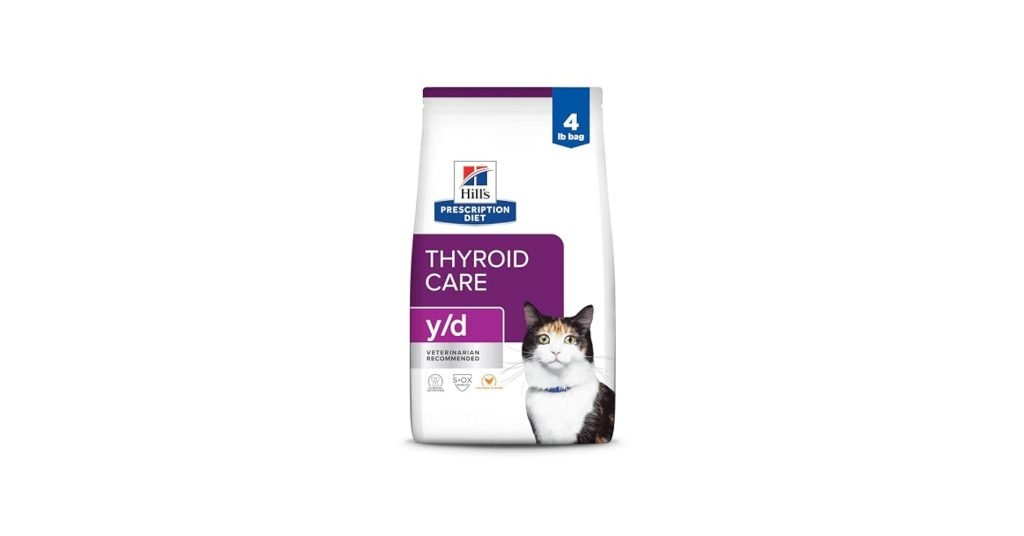
If your cat has thyroid issues, you know how important it is to choose the right food. What your cat eats can make a big difference in managing their health and keeping them happy.
But with so many options out there, how do you find the best thyroid cat food that supports your furry friend’s needs? You’ll discover simple, effective tips to pick the perfect diet for your cat’s thyroid health. Keep reading to learn how the right food can help your cat feel better every day.
Thyroid Issues In Cats
Thyroid problems are common in cats and affect their overall health. The thyroid gland controls many body functions by producing important hormones. These hormones help regulate metabolism, energy, and weight. When the thyroid does not work properly, cats can face serious health issues. Understanding thyroid problems helps owners take better care of their pets.
Common Thyroid Disorders
Two main thyroid disorders affect cats:
- Hyperthyroidism:The thyroid produces too many hormones.
- Hypothyroidism:The thyroid produces too few hormones.
Hyperthyroidism is more common in older cats. Hypothyroidism is rare but can occur after certain treatments.
Symptoms To Watch For
Thyroid issues cause clear signs in cats. Watch for these symptoms:
- Weight loss despite good appetite
- Increased thirst and urination
- Restlessness and hyperactivity
- Poor coat condition or hair loss
- Vomiting or diarrhea
- Weakness or lethargy
Noticing these early helps get timely treatment.
Impact On Cat’s Health
Thyroid disorders affect many body systems. Hyperthyroidism can strain the heart and kidneys. It may cause high blood pressure and heart problems. Low hormone levels slow metabolism, leading to weight gain and low energy.
Untreated thyroid disease reduces quality of life. Regular veterinary checks help detect problems early. Proper diet and medication improve symptoms and health.

Credit: www.hillspet.com
Role Of Diet In Thyroid Health
Your cat’s thyroid health is closely linked to what they eat every day. Diet plays a powerful role in managing thyroid conditions and supporting overall gland function. Understanding which nutrients help and which foods harm can make a big difference in your cat’s well-being.
Key Nutrients For Thyroid Support
Some nutrients are essential for healthy thyroid function in cats. I noticed a big change when I added these to my cat’s diet:
- Iodine:Crucial for producing thyroid hormones. Too little or too much can cause issues.
- Selenium:Helps protect the thyroid gland from damage and supports hormone metabolism.
- Zinc:Important for hormone production and immune support.
- Taurine:Cats need this amino acid for many bodily functions, including thyroid health.
Supplements can help, but getting these nutrients from a balanced cat food designed for thyroid health is often best.
Foods To Avoid
Some foods can interfere with your cat’s thyroid function or worsen symptoms. Here’s what to watch out for:
- Goitrogenic foods:Ingredients like soy, kale, and broccoli can disrupt thyroid hormone production.
- Excess carbohydrates:High carb intake can affect hormone balance and weight management.
- Artificial additives:Colors, preservatives, and fillers may stress your cat’s metabolism.
Have you checked your cat’s food label lately? Avoiding these can help prevent thyroid flare-ups.
How Diet Affects Thyroid Function
Diet directly influences how well your cat’s thyroid gland works. Nutrient imbalances can slow down or overstimulate hormone production.
Feeding the right mix supports steady energy levels, healthy weight, and a shiny coat. I’ve seen cats regain their playful spirit after diet adjustments targeted at thyroid health.
What changes can you make today to improve your cat’s thyroid function through food? Small tweaks often bring the biggest benefits.
Choosing The Right Thyroid Cat Food
Choosing the right food for cats with thyroid problems is very important. The right diet supports their health and controls thyroid issues. Cats with thyroid conditions need food that is easy to digest and balanced for their special needs. Quality ingredients and proper nutrients keep them active and comfortable.
Ingredients To Look For
- High-quality protein sources like chicken or fish
- Low iodine levels to avoid overstimulating the thyroid
- Balanced vitamins and minerals, especially zinc and selenium
- Limited fillers such as corn, wheat, or soy
- Added omega-3 fatty acids for inflammation control
Top Brands And Products
Some brands focus on thyroid health and special diets for cats. These products often contain controlled iodine and high protein. Trusted brands include:
- Hill’s Prescription Diet – specially made for thyroid and kidney health
- Royal Canin – offers formulas targeting thyroid conditions
- Blue Buffalo – natural ingredients with limited fillers
- Wellness – grain-free options with balanced nutrients
Choose products labeled for thyroid support or consult your vet for advice.
Homemade Vs Commercial Options
Homemade diets give control over every ingredient. You can avoid fillers and adjust protein and iodine levels. But homemade meals need careful planning to meet all nutrition needs.
Commercial foods are balanced and convenient. They undergo strict testing to ensure safety. Most vets recommend commercial thyroid cat food for ease and reliability.
Whichever choice, consult your vet to ensure the diet fits your cat’s health needs.

Credit: vetslovepets.com.au
Feeding Tips For Cats With Thyroid Issues
Caring for a cat with thyroid issues means special attention to their diet. Feeding the right food helps manage symptoms and supports overall health. Adjusting meal frequency, portion size, and food type can make a big difference.
Understanding how to transition foods and watch your cat’s reaction is key. This keeps your cat comfortable and helps you spot any problems early. Follow these simple feeding tips to support your cat’s thyroid health effectively.
Meal Frequency And Portions
Feed smaller meals more often to balance energy levels. Thyroid issues can increase metabolism, causing hunger spikes. Dividing food into 3-4 meals daily helps control appetite and weight.
Measure portions carefully to avoid overfeeding. Overeating can worsen thyroid symptoms and lead to weight gain. Use a kitchen scale or measuring cup for accuracy.
Transitioning To New Food
Switch foods slowly over 7-10 days. Start by mixing 25% new food with 75% old food. Gradually increase the new food amount each day.
A slow transition prevents digestive upset and encourages acceptance. Watch for vomiting, diarrhea, or refusal to eat. These signs mean you should slow the change or consult a vet.
Monitoring Your Cat’s Response
Observe your cat’s behavior and health closely after feeding changes. Note any changes in appetite, energy, or bathroom habits. Keep a daily log to track patterns and concerns.
Regular vet visits are essential to check thyroid levels and adjust diet. Share your observations with your vet for better treatment decisions. Early detection of issues helps keep your cat healthy.
Additional Support For Thyroid Health
Supporting your cat’s thyroid health goes beyond just choosing the right thyroid cat food. There are several additional steps you can take to help maintain their well-being and manage thyroid conditions effectively. These efforts can make a noticeable difference in your cat’s energy levels, coat quality, and overall happiness.
Supplements And Vitamins
Adding specific supplements and vitamins can support your cat’s thyroid function. Omega-3 fatty acids help reduce inflammation and promote healthy skin and fur. Selenium and iodine are essential for proper thyroid hormone production, but be cautious—too much can be harmful.
Before adding any supplements, talk to your vet about the right dosages. You might find that a daily multivitamin designed for cats with thyroid issues can balance nutrients effectively.
Regular Vet Checkups
Frequent vet visits are vital for monitoring your cat’s thyroid condition. Thyroid levels can change, and regular blood tests help adjust medication or diet as needed. These checkups catch problems early before symptoms worsen.
Don’t wait for obvious signs like weight loss or increased appetite. Asking your vet questions during visits can give you more control over your cat’s health journey.
Lifestyle And Environment Factors
Stress and environment affect your cat’s thyroid health more than you might think. A calm, consistent routine reduces stress, which can improve hormone balance. Make sure your cat has cozy resting spots and plenty of mental stimulation.
Consider limiting exposure to toxins such as cigarette smoke or harsh cleaning chemicals, as these can interfere with thyroid function. Have you noticed any changes in your cat’s behavior when their environment shifts?

Credit: www.amazon.ca
Frequently Asked Questions
What Is The Best Thyroid Cat Food For Hypothyroidism?
The best thyroid cat food supports thyroid health with balanced nutrients. It contains low iodine, high protein, and essential vitamins. Always consult your vet for personalized recommendations and avoid foods with harmful additives.
Can Thyroid Cat Food Improve My Cat’s Energy Levels?
Yes, thyroid cat food can boost energy by supporting proper thyroid function. Balanced nutrition helps regulate metabolism and reduces lethargy. Consistent feeding with prescribed food improves your cat’s vitality and overall well-being.
How Do I Choose Thyroid Cat Food Safely?
Choose thyroid cat food with vet guidance. Look for formulas low in iodine and rich in protein. Avoid foods with artificial preservatives. Check ingredient lists and select brands specializing in thyroid health to ensure safety and effectiveness.
Are Prescription Thyroid Cat Foods Necessary For Treatment?
Prescription thyroid cat foods are often necessary to manage thyroid conditions effectively. They contain specific nutrient levels tailored for thyroid support. Always follow your veterinarian’s advice for treatment and dietary adjustments to optimize your cat’s health.
Conclusion
Choosing the right thyroid cat food helps keep your pet healthy. Good nutrition supports thyroid balance and overall well-being. Always check ingredients and avoid harmful additives. Regular vet visits catch problems early and guide diet choices. Feeding your cat well can improve energy and mood.
Small changes make a big difference in your cat’s life. Care and attention show your love clearly. Healthy food, happy cat.
