

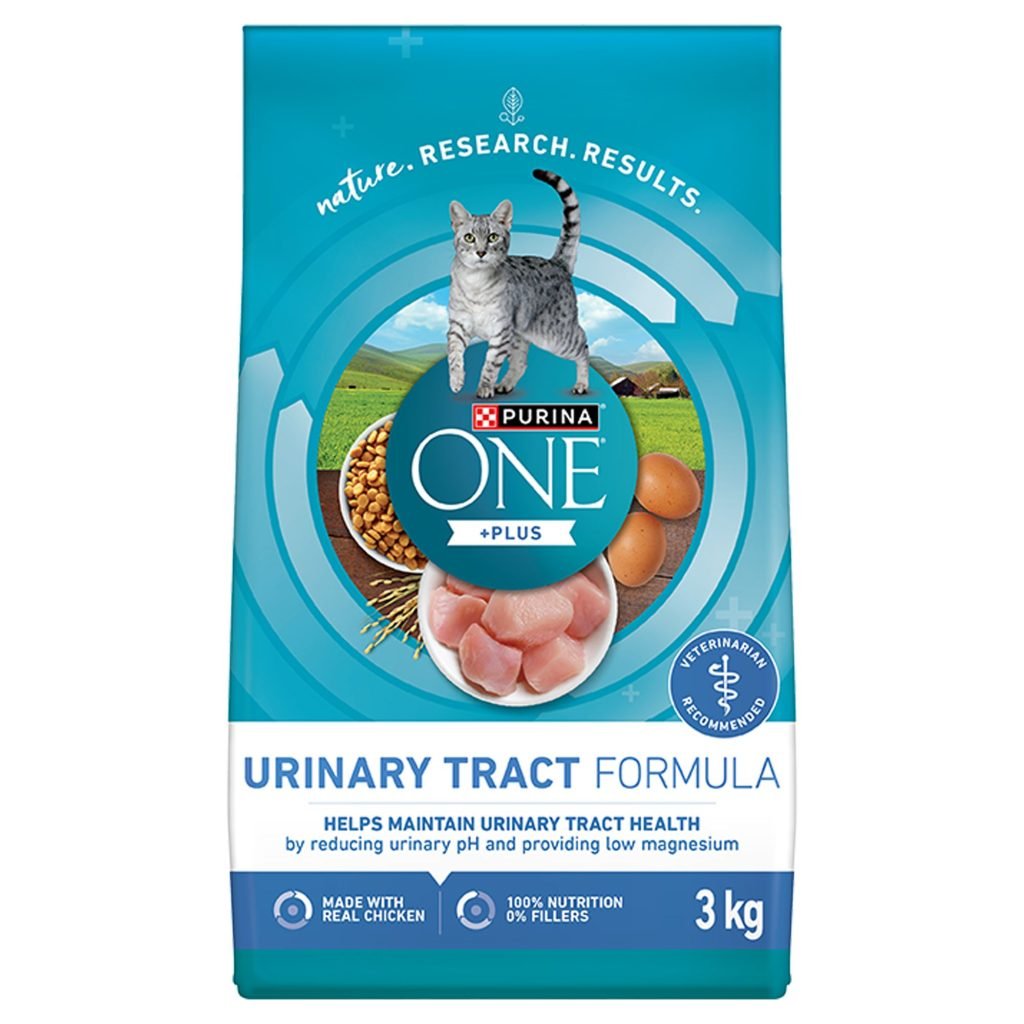
If your cat has a urinary tract infection (UTI), you probably want to do everything you can to help them feel better fast. What you feed your cat plays a huge role in managing their health and easing their discomfort.
Choosing the right UTI food for cats isn’t just about nutrition—it can prevent future infections and keep your furry friend happy and active. You’ll discover the best foods to support your cat’s urinary health and simple tips to protect them from painful UTIs.
Keep reading to learn how the right diet can make all the difference for your cat’s well-being.
Credit: www.renspets.com
Causes Of Urinary Issues In Cats
Urinary issues in cats can be distressing for both you and your furry friend. Understanding what triggers these problems is key to preventing discomfort and serious health risks. Let’s look closely at the main causes behind urinary troubles in cats so you can spot warning signs early and support your cat’s wellbeing.
Common Urinary Tract Problems
Several conditions can affect your cat’s urinary tract, including:
- Urinary tract infections (UTIs):Bacterial infections that cause pain and frequent urination.
- Feline lower urinary tract disease (FLUTD):A group of disorders leading to inflammation and blockages.
- Bladder stones or crystals:Hard deposits that irritate the bladder lining or block urine flow.
Have you noticed your cat straining to urinate or spending more time at the litter box? These signs might point to one of these problems.
Diet And Hydration Factors
Your cat’s food and water intake play a huge role in urinary health. Diets high in magnesium, phosphorus, and calcium can encourage crystal formation.
Dry food often leads to less water consumption, making urine more concentrated and increasing the risk of blockages. Encouraging your cat to drink more water or switching to wet food can help keep their urinary tract flushed and healthy.
What changes can you make today to improve your cat’s hydration habits?
Breed And Age Considerations
Some breeds, like Persians and Himalayans, are more prone to urinary issues due to genetic factors. Age also matters—older cats often develop urinary problems because of weakened immune systems or other health conditions.
Knowing your cat’s breed and age-related risks helps you watch out for symptoms early. Regular vet check-ups become even more important as your cat grows older.
Credit: www.purina.com
Key Nutrients For Urinary Health
Ensuring your cat’s urinary health starts with understanding the key nutrients that support a strong and balanced urinary system. Proper nutrition can help prevent common issues like urinary tract infections and bladder stones. Let’s break down the essential elements your cat’s food should provide to maintain urinary health effectively.
Role Of Water Intake
Water is the most crucial nutrient for your cat’s urinary health. Adequate hydration helps dilute urine, reducing the risk of crystal and stone formation. Cats often don’t drink enough water, especially if they eat mostly dry food.
Consider adding wet food to your cat’s diet or providing fresh water in multiple locations. Have you noticed if your cat prefers running water from a fountain? That little change can encourage more drinking and better urinary health.
Importance Of Magnesium And Phosphorus
Magnesium and phosphorus are minerals that play a big role in urinary health. Too much magnesium can lead to the formation of struvite crystals, which cause blockages. Phosphorus levels also need to be balanced because excess amounts may contribute to kidney stress.
Look for cat foods labeled as low in magnesium and phosphorus if your cat has urinary issues. Have you checked your cat’s food label recently? Choosing the right formula can make a real difference.
Maintaining Proper Ph Levels
The pH level of your cat’s urine affects crystal formation. A slightly acidic urine pH (around 6.0 to 6.5) helps prevent the growth of harmful crystals. Food that supports this pH range can protect your cat’s urinary tract.
Some urinary health diets include ingredients that help balance urine pH naturally. Are you aware of your cat’s urine pH? Regular vet checks can guide you in adjusting their diet to keep it in the safe range.
Best Foods For Cats With Utis
Choosing the right food is crucial for managing your cat’s urinary tract infections (UTIs). The right diet can help reduce discomfort, prevent recurrence, and support overall urinary health. Let’s look at the best foods to keep your cat comfortable and healthy during a UTI.
Wet Vs Dry Food Benefits
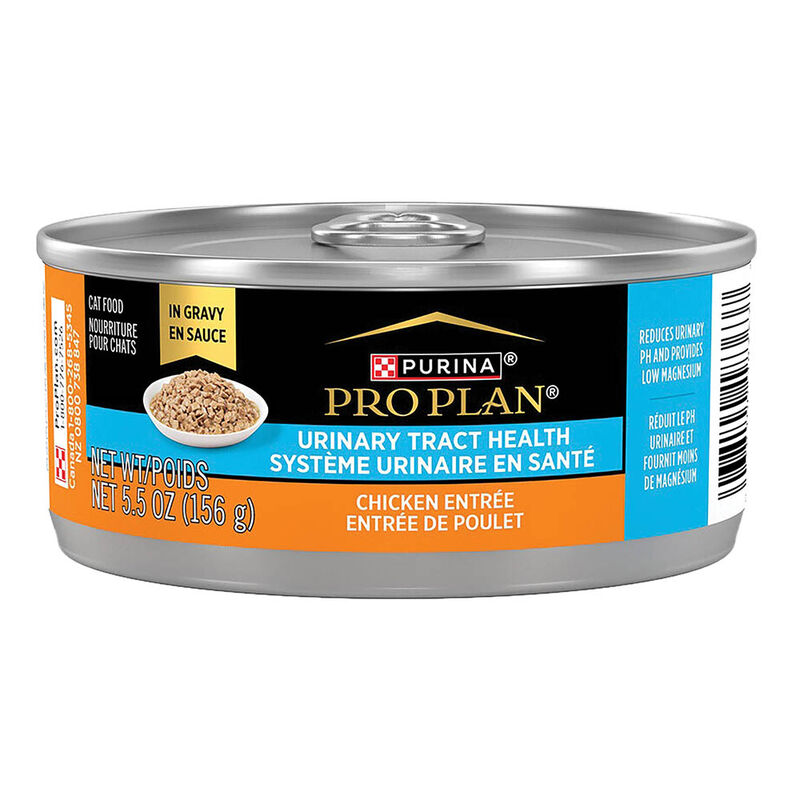
Wet food provides extra moisture, which helps flush out the urinary tract and dilute urine. This is especially helpful if your cat doesn’t drink much water on its own.
Dry food is convenient and can help maintain dental health, but it often lacks the hydration wet food offers. Consider mixing both types to balance hydration and nutrition.
Have you noticed if your cat drinks enough water? Increasing wet food might be the simplest way to boost their fluid intake without extra effort.
Specialty Urinary Diets
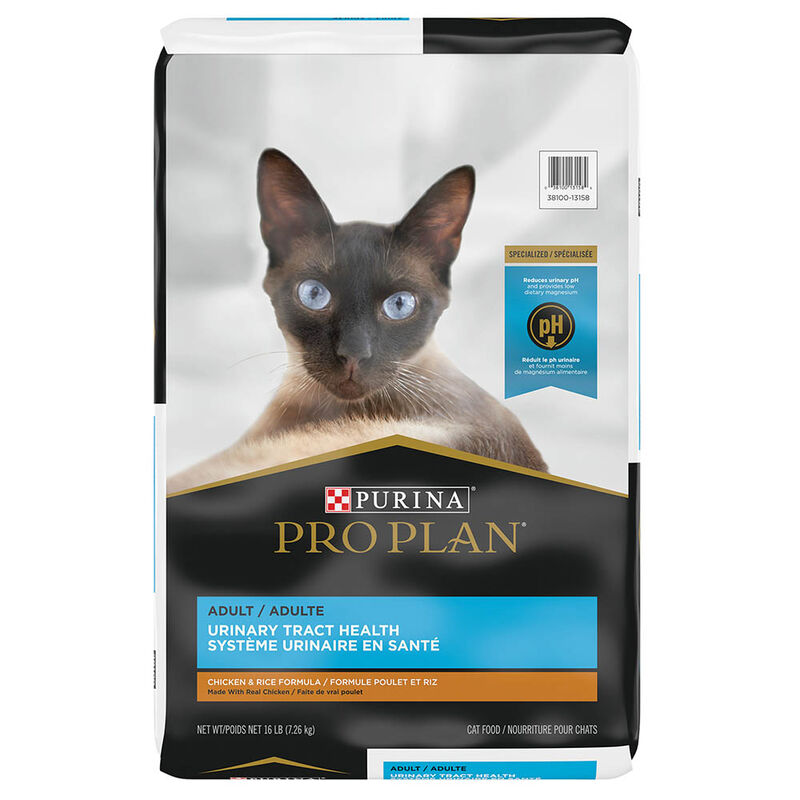
Specialty diets designed for urinary health control minerals like magnesium and phosphorus, which contribute to crystal formation. These diets also help maintain optimal urine pH to prevent bacterial growth.
Prescription urinary diets are available from your vet and are tailored to reduce UTI risks. They often include ingredients that promote bladder health and reduce inflammation.
If your cat suffers from recurrent UTIs, would a vet-recommended urinary diet be a worthwhile investment to prevent future episodes?
Incorporating Natural Ingredients
Some natural ingredients can support urinary health. Cranberry extract, for example, may help prevent bacteria from sticking to the bladder lining.
Adding pumpkin to your cat’s diet can improve digestion and urine flow, which supports bladder health. Always introduce new ingredients gradually and monitor your cat’s response.
Could natural supplements be the missing piece in your cat’s urinary care routine? Talk with your vet before adding anything new to ensure safety and effectiveness.
Credit: www.renspets.com
Foods And Ingredients To Avoid
Choosing the right food for your cat is crucial, especially if they suffer from urinary tract infections (UTIs). Certain ingredients can worsen their condition or trigger discomfort. Avoiding these foods can help you protect your cat’s health and improve their quality of life.
High Mineral Content Risks
Foods high in minerals like magnesium, calcium, and phosphorus can contribute to crystal formation in your cat’s urinary tract. These crystals often lead to blockages and painful infections. Dry kibble is commonly high in these minerals, so be cautious about the brand and formulation you select.
Have you checked the mineral content on your cat’s food label? Opt for diets labeled “low magnesium” or “urinary care” to reduce the risk of urinary issues. Wet food tends to have lower mineral concentration and higher moisture, which benefits cats with UTIs.
Artificial Additives And Preservatives
Artificial colors, flavors, and preservatives can irritate your cat’s bladder and exacerbate urinary symptoms. Even if these additives don’t cause immediate reactions, they may contribute to long-term inflammation. Look for foods with natural ingredients and minimal processing.
My cat once had recurring UTIs until I switched to a preservative-free diet. The difference was remarkable within weeks. Could your cat’s brand be hiding harmful additives behind a fancy label? Reading ingredient lists carefully is key.
Common Allergens And Irritants
Some cats are sensitive to common allergens like grains, soy, and dairy, which can irritate their urinary tract. Foods containing onions, garlic, or spicy ingredients should be avoided as they are toxic or harmful to cats. Pay close attention if your cat shows signs of itching, vomiting, or frequent urination after eating.
Have you noticed any correlation between your cat’s symptoms and specific foods? Removing these irritants from their diet might reduce flare-ups and support healing. Consult your vet about hypoallergenic or limited-ingredient diets tailored for sensitive cats.
Hydration Tips For Cats
Keeping your cat well-hydrated is essential for their health. Cats often do not drink enough water on their own. This can lead to urinary and kidney problems. Using simple hydration tips can help your cat drink more. These tips also make drinking water more enjoyable for your pet.
Encouraging Water Consumption
Place multiple water bowls around your home. Fresh water should be available at all times. Change the water daily to keep it clean. Use shallow bowls to make drinking easier. Some cats prefer ceramic or glass bowls over plastic. Observe your cat’s drinking habits to find what they like best.
Using Broths And Wet Foods
Broths add flavor and moisture to your cat’s diet. Offer low-sodium chicken or beef broth without onions or garlic. Wet cat food contains high water content and helps with hydration. Mix wet food with a bit of water for extra moisture. Feeding wet food regularly supports hydration and digestion.
Water Fountain Benefits
Water fountains encourage cats to drink more water. The flowing water attracts their attention and curiosity. Fountains keep water fresh and oxygenated longer. Many cats prefer running water over still water. Clean the fountain weekly to prevent bacteria build-up. This simple tool can boost your cat’s water intake significantly.
Monitoring And Adjusting Diet
Monitoring and adjusting your cat’s diet during a UTI is key to helping them heal and stay comfortable. You need to keep a close eye on how your cat responds to dietary changes and be ready to tweak their food based on what you observe. It’s not just about switching foods once; it’s about ongoing care to support your cat’s urinary health long-term.
Signs Of Dietary Improvement
Watch for your cat drinking more water and urinating regularly without signs of pain. Less frequent licking of the urinary area can also indicate relief. A brighter mood and steady appetite often mean the diet is working well.
If your cat’s urine appears clearer and they avoid accidents outside the litter box, these are good signs too. Keep a simple journal to track these changes daily—it can help you notice subtle improvements.
When To Consult A Veterinarian
If your cat shows ongoing signs of discomfort, such as straining to urinate or blood in the urine, it’s time to reach out to a vet immediately. Don’t wait for symptoms to worsen, as UTIs can lead to serious complications.
Also, if your cat refuses to eat the new diet or loses weight, professional advice is crucial. Your vet can recommend tests or prescribe medications alongside dietary adjustments to speed recovery.
Long-term Dietary Management
Maintaining a balanced diet tailored to urinary health can prevent future UTIs. Foods low in magnesium and phosphorus are typically better choices to reduce crystal formation in the bladder.
Consider adding wet food to increase hydration naturally, especially if your cat doesn’t drink much water. Regularly updating your cat’s diet based on their age, activity level, and health is essential for keeping UTIs at bay.
Have you noticed how small diet changes can make a big difference in your cat’s comfort? Paying attention to these details keeps your furry friend happy and healthy over time.
Frequently Asked Questions
What Foods Help Prevent Utis In Cats?
Foods rich in moisture, like wet cat food, help prevent UTIs. Cranberry extract may support urinary health. Avoid high magnesium and phosphorus diets, as they can worsen UTIs. Always consult your vet before changing your cat’s diet.
Can Diet Cure A Cat’s Uti Naturally?
Diet alone cannot cure a UTI in cats. Antibiotics prescribed by a vet are essential. However, a proper diet can support urinary tract health and prevent recurring infections. Always follow your vet’s advice for treatment and dietary changes.
Which Ingredients Should Be Avoided For Cats With Utis?
Avoid foods high in magnesium, phosphorus, and artificial additives. These can irritate the urinary tract and worsen UTIs. Opt for high-quality proteins and moisture-rich foods instead. Consult your vet for specific dietary restrictions based on your cat’s condition.
How Does Hydration Affect Cats With Utis?
Proper hydration helps flush bacteria from the urinary tract. Wet cat food and fresh water encourage hydration. Dehydration increases UTI risk and severity. Ensure your cat drinks enough water to support urinary health and recovery.
Conclusion
Feeding cats the right food helps prevent urinary tract infections. Balanced diets support their bladder health and comfort. Fresh water is just as important to keep them hydrated. Avoid foods high in magnesium and artificial additives. Watch your cat’s behavior for any signs of discomfort.
Early care can stop serious health problems from developing. Healthy eating keeps your cat happy and active. Small changes in diet can make a big difference. Trust simple, natural foods for your cat’s wellbeing.
