


Are you noticing your cat scratching its ears more than usual or shaking its head nonstop? These could be signs that your furry friend is dealing with ear mites—a common and pesky problem that causes itching and discomfort.
You want to help your cat feel better fast, but where do you start? You’ll discover simple, effective ways to get rid of ear mites and bring relief to your beloved pet. Keep reading to learn how to spot the signs, treat the problem, and prevent it from coming back.
Your cat’s comfort is just a few steps away.

Credit: petarmor.com
Identifying Ear Mites In Cats
Ear mites are tiny parasites that live in a cat’s ear canal. They cause irritation and discomfort. Identifying ear mites early helps protect your cat from pain and infection. Knowing the signs and causes can help you act quickly.
Common Symptoms
- Constant scratching at the ears
- Head shaking or tilting
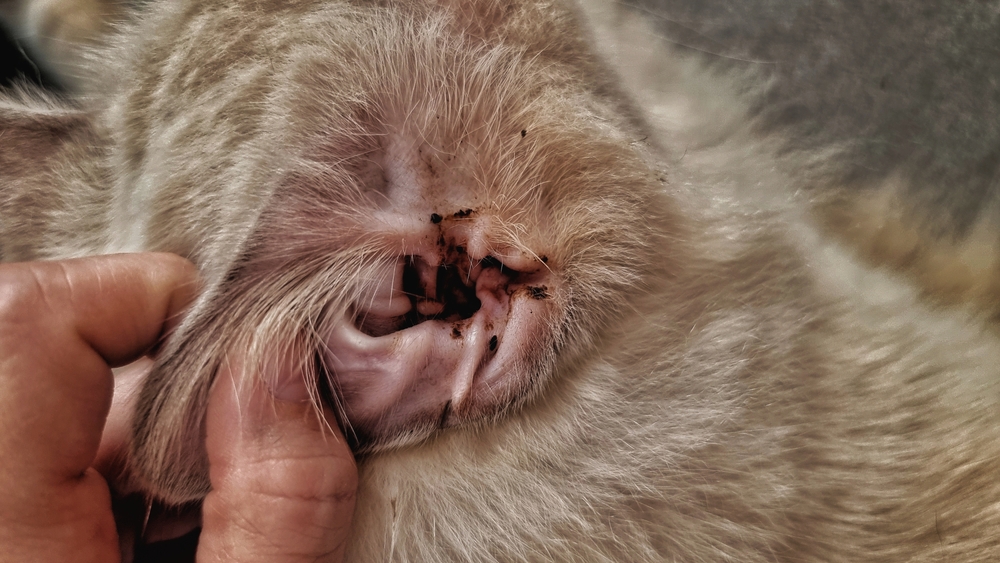
- Dark, crumbly discharge resembling coffee grounds
- Redness or inflammation inside the ear
- Foul odor coming from the ears
- Scabs or hair loss around the ears
- Restlessness or irritability
Causes And Risks
Ear mites spread easily between cats through close contact. They thrive in warm, moist environments inside the ear.
Young kittens and outdoor cats face higher risks. Poor hygiene and crowded living conditions increase chances of infection.
Ear mites can cause secondary infections if untreated. This can lead to more serious ear problems.
Home Remedies For Ear Mites
Home remedies for ear mites in cats can help ease discomfort and reduce mites naturally. These approaches work best for mild cases or as a support to veterinary care. Gentle care and patience are key to success.
Cleaning The Ears
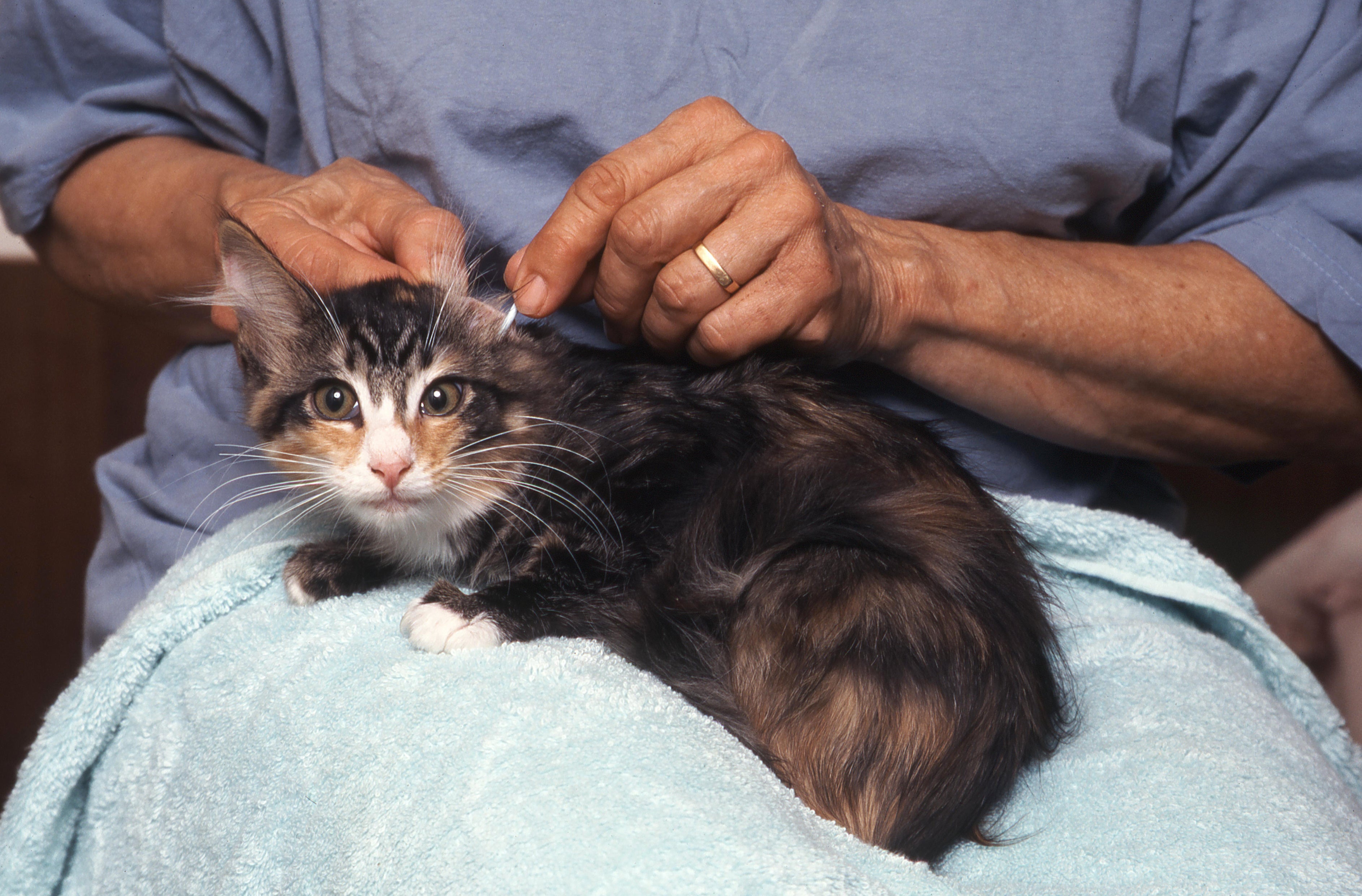
Cleaning your cat’s ears removes debris and mites. Use a soft cloth or cotton ball dampened with warm water or a vet-approved ear cleaner. Avoid using cotton swabs deep in the ear canal to prevent injury.
- Hold your cat gently but firmly.
- Apply the cleaner to the outer ear.
- Wipe away dirt and wax carefully.
- Repeat daily until ears look clearer.
Regular cleaning helps create a healthier ear environment and may reduce mite numbers.
Natural Treatments
Several natural ingredients can soothe your cat’s ears and fight mites. Use them carefully and in small amounts to avoid irritation.
- Coconut oil:Has antimicrobial properties. Warm slightly and apply a few drops to the ear.
- Olive oil:Helps suffocate mites. Apply a few drops to soften ear debris.
- Aloe vera gel:Calms irritation and inflammation when applied sparingly.
Do not use essential oils or harsh substances, as they can harm your cat’s ears.
Medications For Ear Mites
Medications play a key role in treating ear mites in cats. These tiny parasites cause irritation and infection. Proper medication helps clear the mites and soothes the ears. Different products suit various cases, from mild to severe infestations. Choosing the right medication ensures faster relief for your cat.
Over-the-counter Options
Some ear mite treatments are available without a prescription. These products usually contain ingredients like pyrethrins or carbamates. They kill mites quickly and reduce itching. Many come as drops or sprays for easy application. Follow the instructions carefully to avoid harming your cat.
- Easy to find in pet stores or online
- Usually affordable for mild infestations
- May require multiple doses over several days
- Best for early or light mite problems
Prescription Treatments
Stronger medications need a vet’s prescription. These include ivermectin, selamectin, and milbemycin. They target mites more effectively and last longer. Prescription treatments often clear severe infestations faster. They also help prevent reinfestation in multi-pet homes.
- Applied as topical drops or oral medications
- Vet guides dosage and treatment length
- May treat other parasites too
- Usually more potent and reliable
Credit: justcatsclinic.com
Preventing Ear Mite Infestations
Preventing ear mite infestations in your cat is easier than dealing with them after they take hold. Taking a few simple steps can keep your cat’s ears healthy and free from these irritating parasites. It’s all about staying alert and creating an environment where ear mites can’t thrive.
Regular Ear Checks
Make it a habit to check your cat’s ears at least once a week. Use a soft cloth or cotton ball to gently look inside and spot any unusual dirt, redness, or black debris, which can signal ear mites. Catching these signs early means you can act quickly before the problem worsens.
Have you noticed your cat scratching its ears more than usual or shaking its head? These behaviors often indicate discomfort that could be caused by mites. By regularly inspecting your cat’s ears, you’ll know what’s normal for them and recognize when something is wrong.
Hygiene And Environment
Keep your cat’s living area clean and free from dust and debris, as these can encourage mite infestations. Wash bedding and toys frequently in hot water to eliminate any lurking parasites. If you have multiple pets, clean shared spaces regularly to reduce the risk of spreading mites.
Consider grooming your cat often, especially if they spend time outdoors or with other animals. Regular grooming removes dirt and helps you spot ear problems early. Have you thought about how your cleaning routine might affect your cat’s ear health? Small changes can make a big difference.
When To See A Vet
Knowing when to take your cat to the vet for ear mites can make all the difference in their comfort and recovery. Ear mites can cause mild irritation at first, but sometimes the situation worsens quickly. Recognizing the signs that need professional attention helps you avoid complications and ensures your furry friend gets the best care.
Signs Of Severe Infection
Watch out for symptoms beyond simple scratching and head shaking. If your cat’s ears are swollen, red, or have a strong odor, it could mean the mites have caused a severe infection.
Other warning signs include:
- Thick, dark discharge resembling coffee grounds
- Constant scratching leading to open wounds or scabs
- Loss of balance or hearing issues due to deep ear involvement
If you notice any of these, don’t wait. Severe infections can lead to lasting damage or spread to other areas.
Professional Treatment Options
Your vet has access to treatments that you can’t get over the counter. They may clean your cat’s ears thoroughly to remove debris and mites before applying medicated drops or ointments.
Sometimes, oral medications are necessary to fully eliminate the mites and control inflammation. Your vet may also prescribe antibiotics if a bacterial infection has developed.
Remember, improper treatment can make the problem worse or cause side effects. Trusting a professional ensures your cat gets the right dosage and care tailored to their condition.
Credit: animoetc.com
Frequently Asked Questions
What Are Common Signs Of Ear Mites In Cats?
Ear mites cause itching, redness, and dark discharge in cats. You may notice frequent scratching, head shaking, and a foul odor. Early detection helps prevent infections and discomfort.
How Do Vets Treat Ear Mites In Cats?
Veterinarians use topical medications or ear drops to kill mites. Treatment often requires cleaning the ear thoroughly before applying medicine. Follow-up visits ensure mites are completely eliminated.
Can Ear Mites Spread Between Cats And Humans?
Ear mites primarily affect cats and rarely infect humans. However, they can spread easily between cats through close contact. Treat all pets in the household to prevent reinfestation.
How Long Does Ear Mite Treatment Take?
Treatment usually lasts 2 to 4 weeks to fully eradicate mites. Consistent application of medication and ear cleaning is essential. Consult your vet if symptoms persist beyond this period.
Conclusion
Treating ear mites in cats requires care and patience. Clean your cat’s ears gently and use the right medication. Visit the vet for proper diagnosis and advice. Keep your cat’s environment clean to stop mites from returning. Watch for signs of irritation or infection during treatment.
Early action helps your cat feel better faster. Healthy ears mean a happier cat. Regular check-ups can prevent future problems. Taking these steps protects your pet’s health and comfort.
