

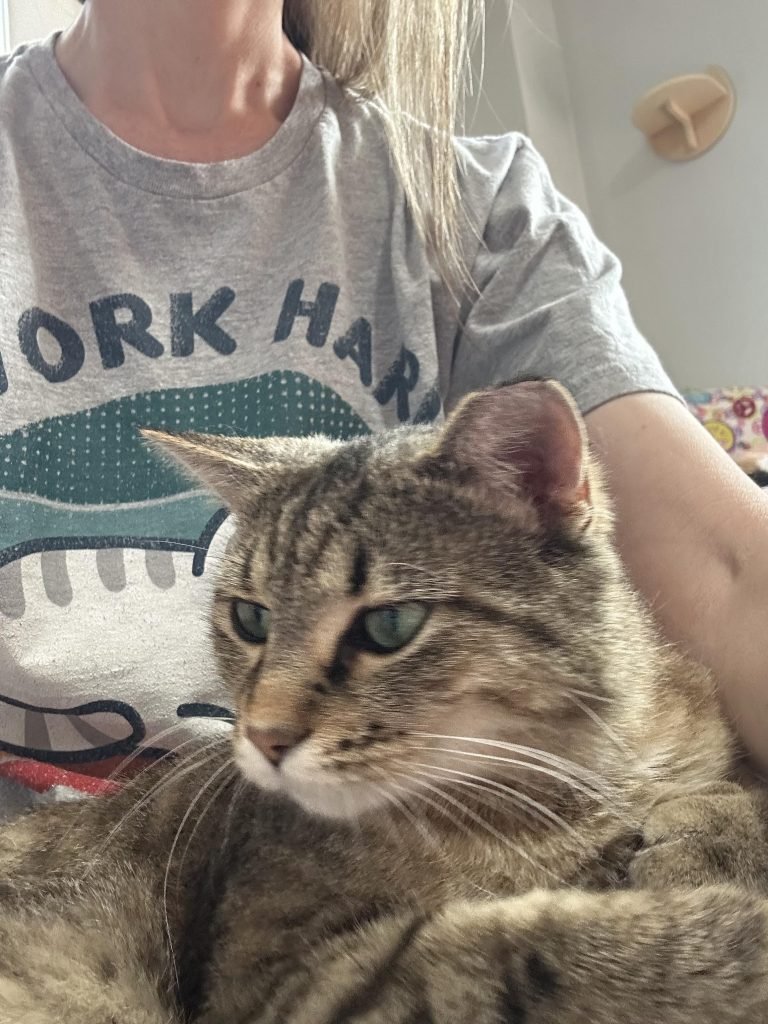
Thinking about adding a furry friend to your home? Have you ever considered adopting an older cat?
You might be surprised at how much joy and love an older cat can bring to your life. These cats often come with calm personalities and a lot of gratitude, making them wonderful companions. If you want to discover why adopting an older cat could be one of the best decisions you make, keep reading.
This guide will help you understand the unique benefits and simple steps to welcome your new feline friend.
Credit: aarcs.ca
Why Choose An Older Cat
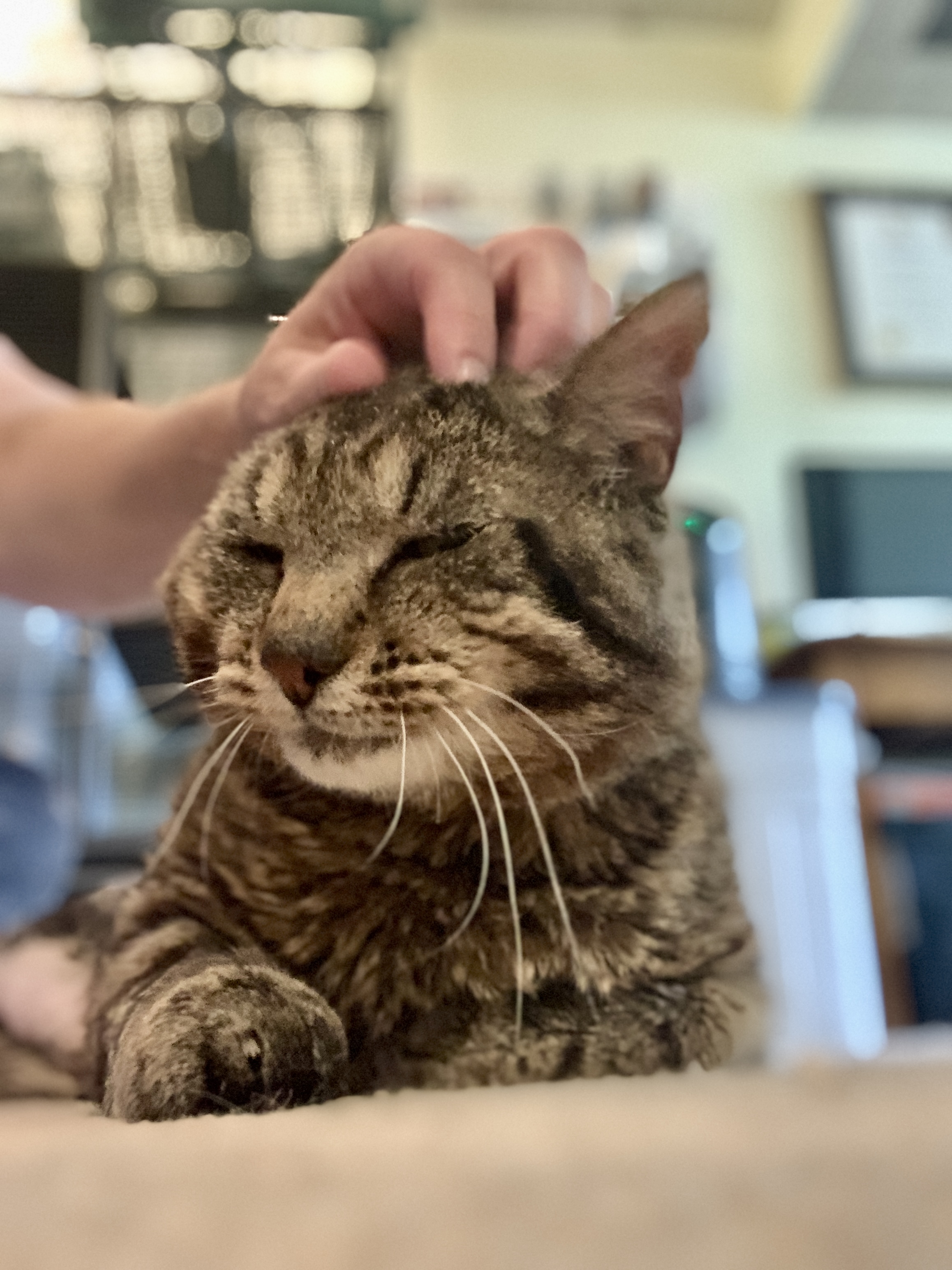
Choosing to adopt an older cat brings unique rewards. These cats often have a calm nature and need loving homes. Many people overlook senior cats, yet they offer great companionship and gratitude. Understanding the benefits and personality of older cats helps make a wise decision.
Benefits Of Adopting Senior Cats
- Often already trained and socialized
- Lower energy, perfect for quiet homes
- Less destructive behavior compared to kittens
- Deep appreciation for a second chance
- Usually healthy with known medical history
- Helps reduce overcrowding in shelters
Common Myths About Older Cats
- Older cats are not affectionate – many are very loving
- Senior cats are costly – many have affordable medical needs
- They won’t adapt well – older cats can adjust quickly
- Older cats are boring – they show unique and calm personalities
- They do not live long – many live many happy years more
Personality Traits To Expect
Older cats tend to be gentle and calm. They enjoy quiet environments and steady routines. These cats often show strong loyalty and form close bonds. Many are independent but enjoy human company. Expect a cat that is patient and wise.
Credit: medium.com
Preparing Your Home
Preparing your home for an older cat is key to a smooth transition. Older cats need a calm, safe place where they can relax and feel secure. Setting up their new space thoughtfully helps reduce stress and supports their health.
Creating A Comfortable Space
Choose a quiet spot with soft bedding for your cat to rest. Older cats enjoy warmth, so place their bed near a sunny window or a cozy corner. Keep their space free from loud noises and heavy foot traffic. Add a few favorite toys and a scratching post to keep them engaged.
Essential Supplies For Senior Cats
- Shallow food and water dishes for easy access
- Soft, non-slip mats under their bowls
- Easy-to-climb litter boxes with low sides
- Comfortable bedding that supports joints
- Gentle grooming tools suitable for older fur
- Safe scratching posts to prevent claw damage
Safety Considerations
Remove any small objects your cat could swallow. Secure loose wires and cords to prevent chewing. Block off high places that are hard to reach or could cause injury. Check that windows and balconies are fully closed or have secure screens. Keep toxic plants and chemicals out of reach. Ensure all doors are closed to avoid accidental escapes.
First Days With Your Cat
Welcoming an older cat into your home is a special moment. The first days are important for building trust and comfort. Older cats may feel nervous in new places. They need patience and gentle care to adjust well.
Creating a calm environment helps your cat feel safe. Give them space to explore slowly. Watch their body language for signs of stress or relaxation. Quiet moments together strengthen your bond.
Helping Your Cat Adjust
Set up a small, quiet area with their bed, food, and litter box. This safe spot helps them feel secure. Let your cat come to you on their own time. Speak softly and move slowly around them. Avoid loud noises and sudden actions.
Offer treats and gentle pets to build trust. Keep a close eye on their eating and bathroom habits. Provide toys to keep them busy and happy. Patience is key—some cats take days, others weeks to settle.
Introducing To Other Pets
Introduce new cats or dogs slowly and carefully. Keep pets separated at first, using a baby gate or separate rooms. Let them sniff each other’s scent through doors or blankets.
Supervise all first meetings closely. Watch for signs of aggression or fear. Allow short, calm interactions. Praise good behavior with treats and praise. Gradually increase time spent together over several days.
Establishing A Routine
Older cats feel more secure with a daily routine. Feed them at the same times each day. Play and cuddle in regular sessions. Keep litter boxes clean and in quiet spots.
Regular grooming helps your cat relax and bond with you. Routine also helps with health checks and medication if needed. Predictable days reduce stress and build confidence in your new cat.
Health And Nutrition
Adopting an older cat means paying special attention to their health and nutrition. Older cats have unique needs that differ from younger felines. You want to ensure they stay comfortable, active, and happy in their golden years.
Choosing The Right Diet
Your senior cat’s diet should support their changing metabolism and any health issues. Look for foods labeled for “senior” or “mature” cats, as they usually have adjusted protein and calorie levels.
Wet food can be a great choice because it adds hydration, which many older cats need more of. Consider adding supplements like omega-3 fatty acids to support joint health and coat condition.
Have you noticed your cat losing weight or becoming picky? That might mean it’s time to try different flavors or consult your vet about appetite stimulants.
Regular Vet Visits
Older cats benefit from vet visits at least twice a year. These check-ups can catch issues early, such as kidney disease or dental problems.
Don’t wait for symptoms to appear. Cats hide pain well, so regular screenings help maintain their quality of life.
Keep a health journal for your cat. Note any changes in behavior, appetite, or litter box habits to discuss during appointments.
Managing Common Senior Cat Ailments
Some common ailments in senior cats include arthritis, kidney disease, and hyperthyroidism. Each requires specific care and sometimes medication.
Simple adjustments, like softer bedding or ramps to favorite spots, can ease arthritis discomfort. For kidney health, special diets low in phosphorus make a big difference.
Have you observed your cat drinking more water or losing weight? These signs could indicate thyroid issues that need vet attention.
Building A Strong Bond
Building a strong bond with an older cat takes patience and understanding. These cats often carry life experiences that shape their behavior and preferences. By paying close attention to their signals and responding thoughtfully, you create a relationship rooted in trust and comfort.
Gentle Play And Interaction
Older cats may not have the energy for wild play sessions, but gentle interaction can spark joy. Use soft toys or feather wands to engage them without overwhelming their senses.
Notice how your cat responds—do they prefer short bursts of play or quiet moments with you nearby? Adjust your approach to match their pace, showing respect for their comfort zone.
Recognizing Your Cat’s Needs
Each older cat has unique needs shaped by age, health, and personality. Watch for signs like where they choose to rest or how they react to touch to understand their preferences better.
Simple actions, such as providing a warm, quiet space or a lower litter box, can make a big difference in their daily comfort. What small changes could you make today to improve your cat’s environment?
Providing Emotional Support
Older cats can experience anxiety or confusion, especially in a new home. Your calm presence and consistent routine offer reassurance and stability they need to feel safe.
Spend quiet time sitting near your cat, speaking softly or gently petting them if they allow it. This steady support helps deepen your connection and reduces their stress.
Credit: www.rspcasa.org.au
Long-term Care Tips
Caring for an older cat means paying close attention to their changing needs over time. Older cats may not be as active or as independent as they once were, so your care routine should evolve with them. You’ll want to focus on their comfort, health, and emotional well-being to ensure they enjoy their golden years.
Monitoring Behavior Changes
Watch your cat’s behavior closely and note any shifts. Changes in appetite, grooming habits, or energy levels can signal health issues. If your cat suddenly hides more or becomes unusually vocal, it might be time for a vet visit.
Keep a journal or use an app to track these changes. This record can help you and your vet spot problems early. Have you noticed your older cat acting differently after a stressful event or change in routine?
Adapting The Environment Over Time
Your home might need adjustments to match your cat’s evolving abilities. Older cats can struggle with jumping or climbing, so adding ramps or low-entry litter boxes can make a big difference.
Consider soft bedding in quiet spots and easy access to food and water. Bright lighting and clear pathways help if your cat’s vision or mobility declines. What small changes could you make today to improve your cat’s comfort?
Planning For End-of-life Care
Thinking about your cat’s end-of-life care is tough but important. Discuss options like hospice care, pain management, and quality of life criteria with your vet. Knowing your cat’s wishes and signs of distress can prepare you for difficult decisions.
Having a plan in place can ease the emotional burden when the time comes. Have you talked with your vet about what to expect and how to support your cat through their final stage of life?
Frequently Asked Questions
What Are The Benefits Of Adopting An Older Cat?
Older cats are calm, affectionate, and low-maintenance. They usually have established personalities and litter habits. Adopting them saves lives and reduces shelter overcrowding. They often require less training and adapt well to quiet homes, making them ideal companions for many families and seniors.
How Do I Prepare My Home For An Older Cat?
Create a quiet, cozy space with easy access to food, water, and litter. Remove hazards like cords and small objects. Provide soft bedding and consider ramps for mobility issues. Older cats appreciate routine, so keep feeding and playtimes consistent for smooth adjustment.
Are Older Cats More Prone To Health Issues?
Older cats can have health concerns like arthritis, dental problems, or kidney disease. Regular vet check-ups are essential for early detection. Many issues are manageable with proper care and medication. Adopting an older cat means being prepared for some extra health care.
How Can I Help An Older Cat Adjust To A New Home?
Be patient and gentle. Allow the cat to explore at its own pace. Maintain a calm environment and consistent routine. Offer affection and interactive toys to build trust. Avoid loud noises and sudden changes to reduce stress during the transition.
Conclusion
Adopting an older cat brings endless joy and love. They offer wisdom and calmness. These cats appreciate a warm home and gentle care. Older cats are often less demanding. They enjoy simple pleasures. A sunny spot or a cozy nap.
This choice is rewarding and heartwarming. You’ll gain a loyal friend for life. Consider an older cat for a fulfilling bond. Their gratitude is genuine and pure. Embrace the unique experience they offer. You won’t regret giving them a chance.
