

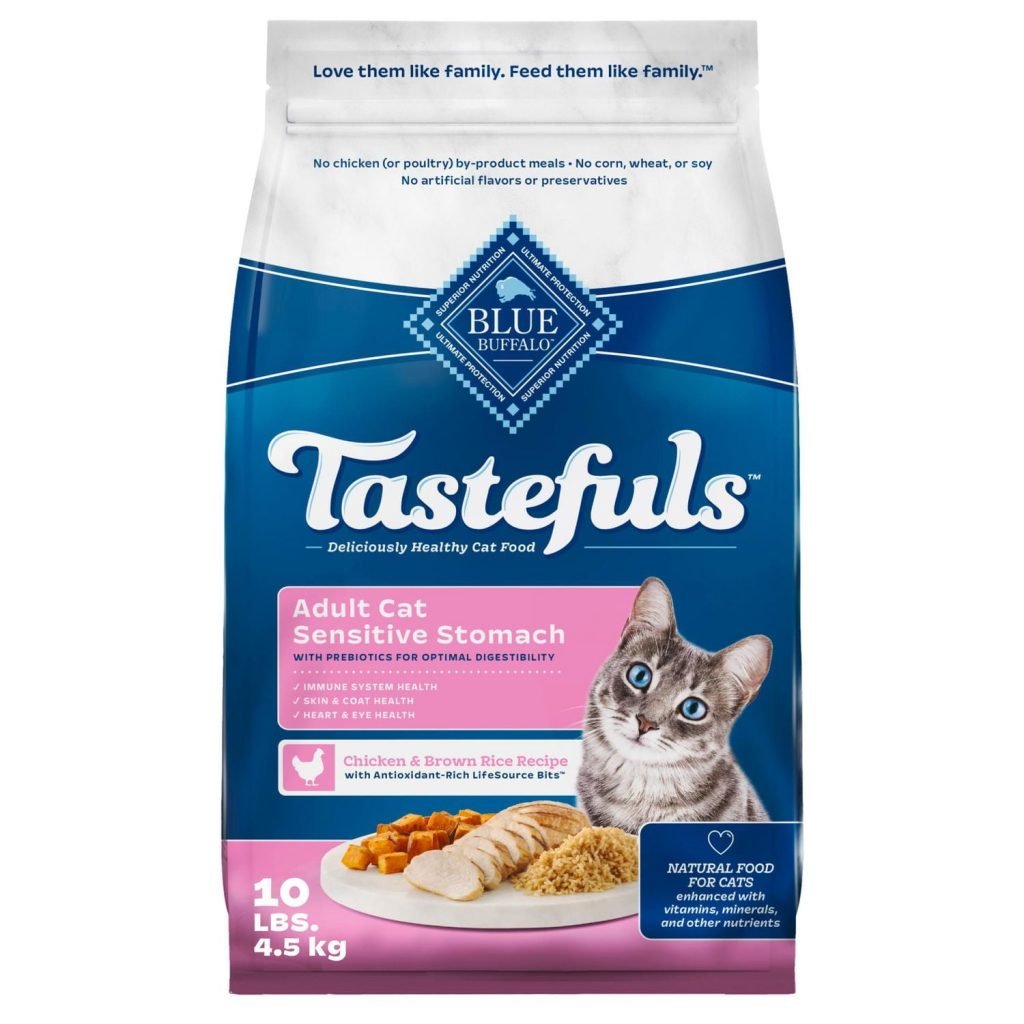
Does your cat often struggle with upset tummies or digestive issues after mealtime? If so, you know how worrying it can be to see your furry friend uncomfortable.
Finding the right cat food for a sensitive stomach isn’t always easy, but it can make all the difference in your cat’s health and happiness. You’ll discover simple tips and trusted options to soothe your cat’s digestion and keep those tummy troubles at bay.
Keep reading—you and your cat deserve a smoother, happier mealtime experience.
Causes Of Sensitive Stomachs In Cats
Understanding the causes of sensitive stomachs in cats is crucial for helping your feline friend feel better and avoid discomfort. Sensitive stomachs can result from various factors, and identifying the root cause can guide you in choosing the right food and care. Let’s break down the main reasons why your cat might be struggling with digestive issues.
Common Food Triggers
Certain ingredients in cat food can irritate your cat’s stomach. Common triggers include artificial additives, fillers like corn or wheat, and rich or fatty foods. Even sudden changes in diet can upset your cat’s digestion, leading to vomiting or diarrhea.
If your cat shows signs of stomach upset after eating, consider checking the ingredient list closely. Have you noticed your cat avoiding or reacting badly to a particular food? Keeping a food diary can help pinpoint these triggers and prevent ongoing discomfort.
Digestive Disorders
Some cats have underlying digestive conditions that cause sensitive stomachs. These include inflammatory bowel disease (IBD), pancreatitis, or infections. Such disorders often require veterinary diagnosis and treatment.
Have you observed persistent symptoms like weight loss, chronic vomiting, or changes in stool consistency? These could be signs of a deeper problem beyond simple food sensitivity. Addressing these issues early can improve your cat’s quality of life.
Allergies And Intolerances
Food allergies and intolerances are less common but can cause significant stomach sensitivity. Unlike allergies, intolerances don’t involve the immune system but still lead to digestive upset. Common allergens include beef, dairy, and fish.
Does your cat scratch excessively or develop skin problems alongside stomach issues? These might be signs of food allergies. Identifying and eliminating the offending ingredient can make a big difference in your cat’s comfort and health.
Credit: www.renspets.com
Signs Your Cat Has A Sensitive Stomach
Cats with sensitive stomachs often show clear signs. These signs help you notice their discomfort early. Recognizing symptoms can lead to better care and diet choices.
Watch your cat closely for unusual behavior or physical changes. This helps catch stomach issues before they worsen.
Vomiting And Diarrhea
Frequent vomiting is a common sign of stomach sensitivity. Diarrhea may follow or occur alone. Both indicate your cat’s digestive system is upset.
These symptoms happen when the cat’s stomach cannot handle certain foods. Pay attention to how often these problems occur. Persistent vomiting or diarrhea requires a vet visit.
Changes In Appetite
A sensitive stomach can make your cat lose interest in food. They may eat less or refuse food completely. Sometimes, they avoid certain types of food.
Notice if your cat suddenly stops eating favorite meals. Skipping meals or eating less than usual can signal discomfort. This behavior helps identify stomach issues early.
Lethargy And Behavior Changes
Stomach problems often make cats feel tired or weak. Your cat may sleep more than usual or seem less playful. These changes show their body is under stress.
Look for signs like hiding or avoiding interaction. A sensitive stomach can affect mood and energy levels. These subtle changes are important to observe.
Key Ingredients For Sensitive Stomach Cat Food
Choosing the right ingredients for cat food designed for sensitive stomachs can make a huge difference in your cat’s comfort and health. Sensitive stomachs require foods that minimize irritation and support digestion. Understanding which ingredients help can guide you to better food choices and happier, healthier cats.
Easily Digestible Proteins
Proteins are essential, but not all are easy on your cat’s stomach. Look for proteins like chicken, turkey, or fish that are gentle and simple to break down. These options reduce the risk of digestive upset and provide necessary nutrients without overloading your cat’s system.
I once switched my cat’s food to one with salmon protein only, and the difference was clear within days—less vomiting and more energy. Could your cat benefit from a protein that’s easier to digest?
Limited Ingredient Formulas
Limited ingredient formulas contain fewer components to help pinpoint and avoid allergens or irritants. These diets often focus on one protein source and minimal additives, reducing the chance of triggering sensitive stomach symptoms.
Choosing a limited ingredient food can simplify your cat’s diet and help you monitor what works best. Do you know what ingredients might be causing your cat’s discomfort?
Prebiotics And Probiotics
Prebiotics and probiotics promote healthy gut bacteria, which are crucial for digestion and immune support. Including these in your cat’s diet can improve nutrient absorption and reduce gastrointestinal issues.
Adding foods with these ingredients helped my cat’s digestion stabilize after frequent diarrhea episodes. Have you considered how gut health might affect your cat’s sensitive stomach?
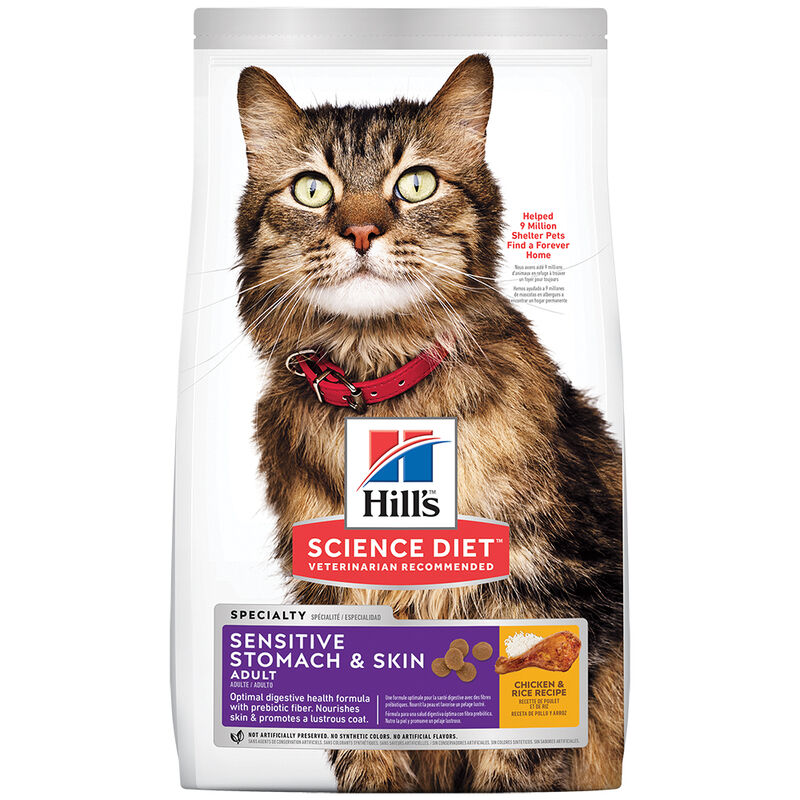
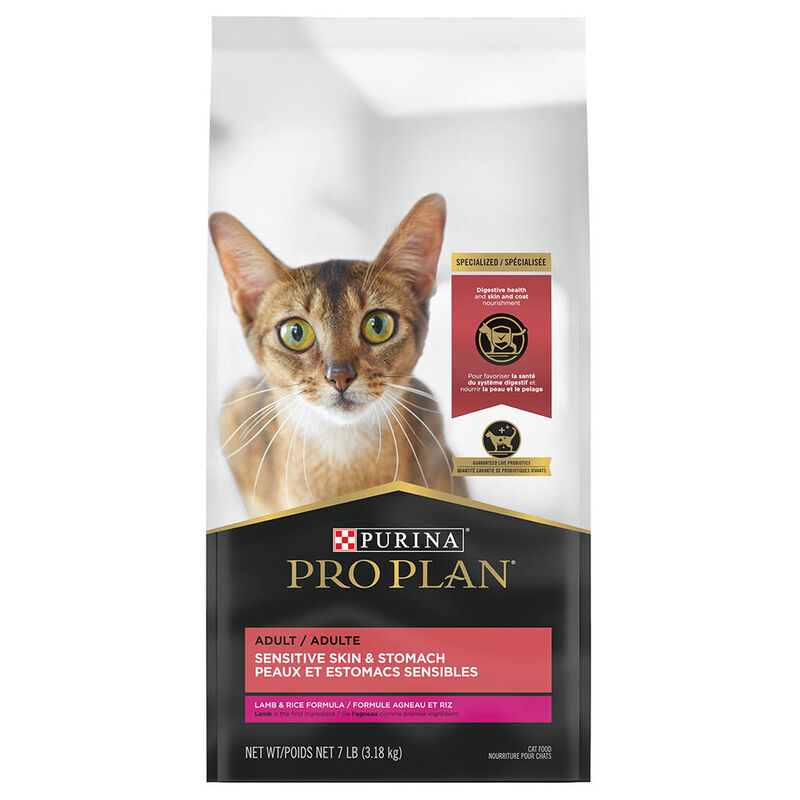
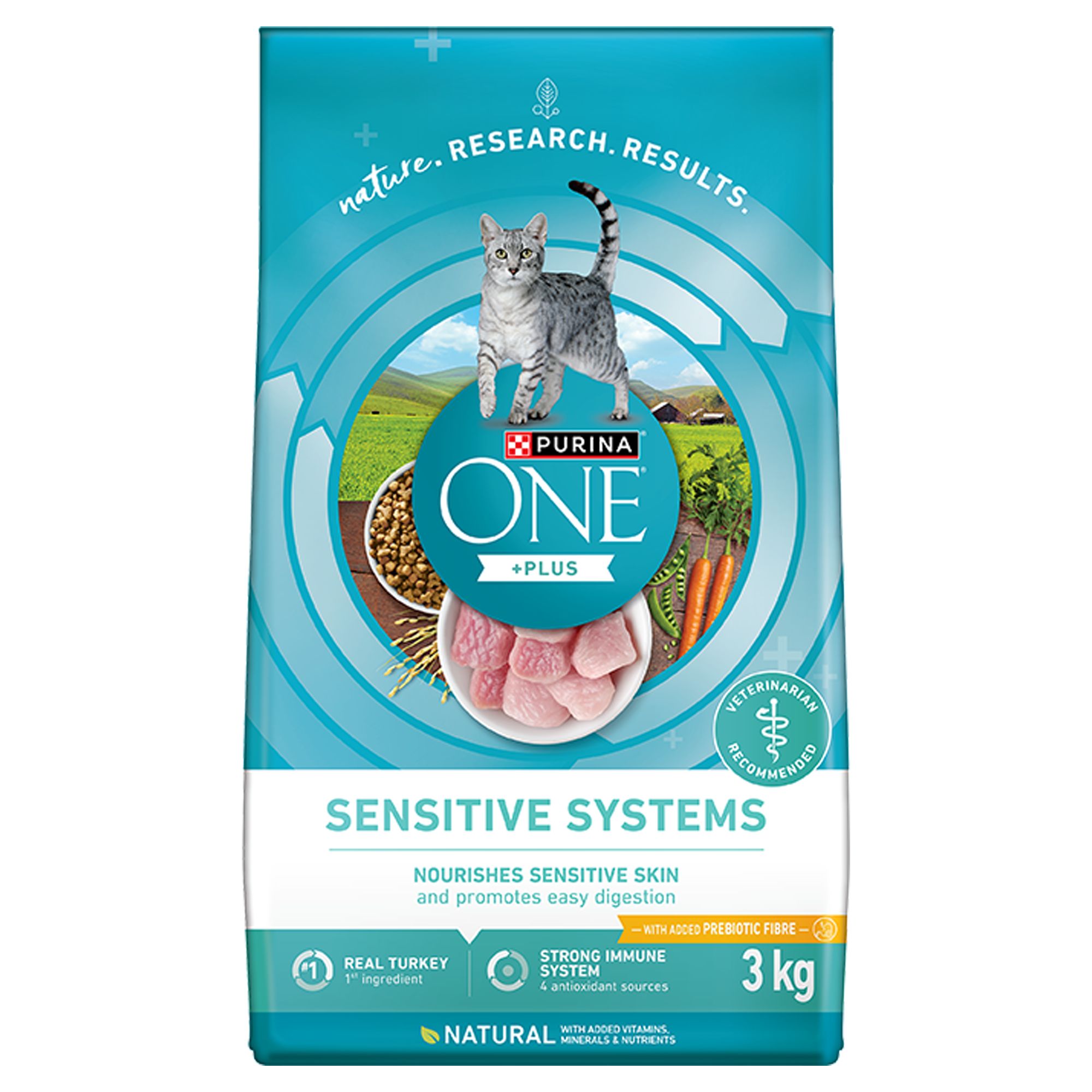
Top Dry Cat Foods For Sensitive Stomachs
Choosing the right dry cat food for a sensitive stomach requires care. Cats with digestive issues need gentle ingredients that support easy digestion. The best dry foods avoid common irritants and focus on quality nutrition. This helps reduce tummy troubles and keeps cats feeling good.
Grain-free Options
Grain-free dry cat foods remove wheat, corn, and soy. These grains can cause allergies or upset stomachs in some cats. Grain-free diets rely on proteins and vegetables instead. They often include:
- Chicken or fish as main protein sources
- Sweet potatoes or peas for carbohydrates
- Added vitamins and minerals for balance
These foods reduce the risk of digestive discomfort. They also support healthy skin and coat. Grain-free options suit cats with food sensitivities well.
Hypoallergenic Choices
Hypoallergenic dry cat foods use limited ingredients to avoid triggers. They focus on novel proteins like duck or venison. This helps cats that react to common proteins like chicken.
- Single protein source to reduce allergies
- Minimal additives and preservatives
- Easy-to-digest formulas with balanced nutrients
Hypoallergenic diets help calm sensitive stomachs. They are ideal for cats with known food allergies. These choices support long-term digestive health and comfort.
Best Wet Cat Foods For Sensitive Stomachs
Choosing the best wet cat food for a sensitive stomach can be challenging. Cats with digestive issues need gentle, easy-to-digest ingredients that won’t upset their system. Wet foods often provide a better option than dry kibble, offering hydration and nutrients in a form that supports digestive health.
High Moisture Benefits
Wet cat food naturally contains a high water content, which helps keep your cat hydrated. Proper hydration supports digestion and can reduce the risk of urinary tract problems, which are common in cats with sensitive stomachs.
Extra moisture also softens the food, making it easier for your cat to chew and digest. This can be especially helpful for older cats or those with dental issues. Have you noticed your cat drinking less water? Offering wet food might encourage better hydration.
Low-fat Formulas
Fat can be hard to digest for cats with sensitive stomachs. Choosing wet cat foods with low-fat content helps reduce the strain on their digestive system. Many specialized formulas use lean proteins and minimal added fats to ease digestion.
Look for products labeled “low fat” or “sensitive stomach” to ensure the fat content is suitable. These diets often contain easily digestible ingredients like chicken or turkey. How does your cat react to fatty treats or meals? Monitoring their response can guide your food choice.
Homemade Diets For Sensitive Cats
Homemade diets can be a great way to manage your cat’s sensitive stomach. You control exactly what goes into each meal, avoiding common triggers found in many commercial foods. However, crafting a safe and nutritious homemade diet requires careful attention to ingredients and nutrient balance.
Safe Ingredients To Use
Choosing the right ingredients is key to preventing digestive upset. Stick to simple, easily digestible proteins like boiled chicken, turkey, or lean fish. Avoid fatty cuts and processed meats, as they can irritate your cat’s stomach.
Vegetables such as pumpkin and carrots are gentle on digestion and provide fiber, which helps regulate bowel movements. Rice and sweet potatoes are also good carbohydrate options that are usually well tolerated. Be cautious with dairy and grains, as many cats are intolerant to lactose and gluten.
Have you noticed your cat reacting badly to certain ingredients? Keep a food diary to track what works and what doesn’t. This helps you fine-tune the diet to your cat’s unique needs.
Balancing Nutrients
Simply feeding safe ingredients isn’t enough. Your cat needs a balanced diet that meets all their nutritional requirements. Cats require specific nutrients like taurine, arachidonic acid, and vitamin A, which are often missing in homemade meals.
Consider adding supplements recommended by your vet to ensure your cat stays healthy. Calcium is especially important, so crushed eggshells or bone meal can be added for this mineral. Protein should make up the majority of the meal, with fats and carbohydrates in smaller amounts.
Have you consulted a vet or pet nutritionist to get your homemade recipes checked? Professional guidance can prevent costly mistakes and keep your cat thriving. Remember, a balanced diet supports not just digestion but overall well-being.
Transitioning Your Cat To New Food
Changing your cat’s food requires care and patience. Cats with sensitive stomachs need a smooth transition to avoid upset. Sudden changes can cause vomiting, diarrhea, or loss of appetite. A careful switch helps your cat adjust comfortably and enjoy the new diet.
Gradual Introduction Tips
Start by mixing a small amount of new food with the current food. Increase the new food portion slowly over 7 to 10 days. Watch your cat’s eating habits and appetite closely. Avoid feeding only new food at once. Keep water fresh and available to support digestion.
- Mix 25% new food with 75% old food first.
- Next, try 50% new and 50% old after 3 days.
- Then, move to 75% new and 25% old food.
- By day 10, feed only the new food.
Monitoring For Reactions
Observe your cat for any signs of discomfort or allergies. Look for vomiting, diarrhea, or changes in stool. Notice if your cat stops eating or acts lethargic. Keep a daily log of any symptoms and feeding amounts. Contact your vet if issues persist or worsen. Early detection helps avoid serious health problems.
Credit: www.renspets.com
When To See A Vet
Knowing when to see a vet for a cat with a sensitive stomach is crucial. Some symptoms need professional attention to avoid serious health issues. Early vet visits can help identify the cause and provide relief.
Persistent Symptoms
Watch for symptoms that last more than a few days. Vomiting, diarrhea, or loss of appetite that do not improve require a vet’s evaluation. Weight loss and lethargy also signal a problem. Persistent symptoms can indicate infections, allergies, or other illnesses.
Diagnostic Tests
The vet may suggest tests to find the root cause. Blood tests check organ function and infections. Stool tests detect parasites or bacteria. Sometimes, X-rays or ultrasounds help see internal problems. These tests guide the right treatment for your cat’s sensitive stomach.
Credit: www.petsmart.ca
Frequently Asked Questions
What Causes Sensitive Stomach In Cats?
Sensitive stomach in cats can result from food allergies, infections, stress, or sudden diet changes. It often leads to vomiting, diarrhea, or gas. Identifying the cause helps in choosing the right food and managing symptoms effectively for better digestive health.
Which Ingredients Are Best For Sensitive Cat Stomachs?
Ingredients like rice, pumpkin, chicken, and fish are gentle on sensitive cat stomachs. Avoid artificial additives, grains, and dairy. High-quality, limited-ingredient diets reduce irritation and improve digestion. Always check food labels to ensure they suit your cat’s digestive needs.
How To Transition Cat Food For Sensitive Stomachs?
Switch cat food gradually over 7-10 days by mixing old and new food. This helps avoid digestive upset. Monitor your cat’s reaction closely during the transition. Slow changes support gut health and reduce the risk of vomiting or diarrhea.
Can Probiotics Help Cats With Sensitive Stomachs?
Yes, probiotics support healthy gut bacteria and improve digestion in cats. They reduce symptoms like diarrhea and bloating. Adding probiotic supplements or probiotic-rich foods can enhance your cat’s digestive health and immunity naturally.
Conclusion
Choosing the right food helps your cat feel better every day. Sensitive stomachs need gentle, easy-to-digest meals. Watch how your cat reacts to new food. Small changes can bring big improvements in health. Always check with your vet for the best advice.
Healthy eating means a happier, more active cat. Take time to find what suits your pet best. Your cat deserves comfort and care in every meal.
