

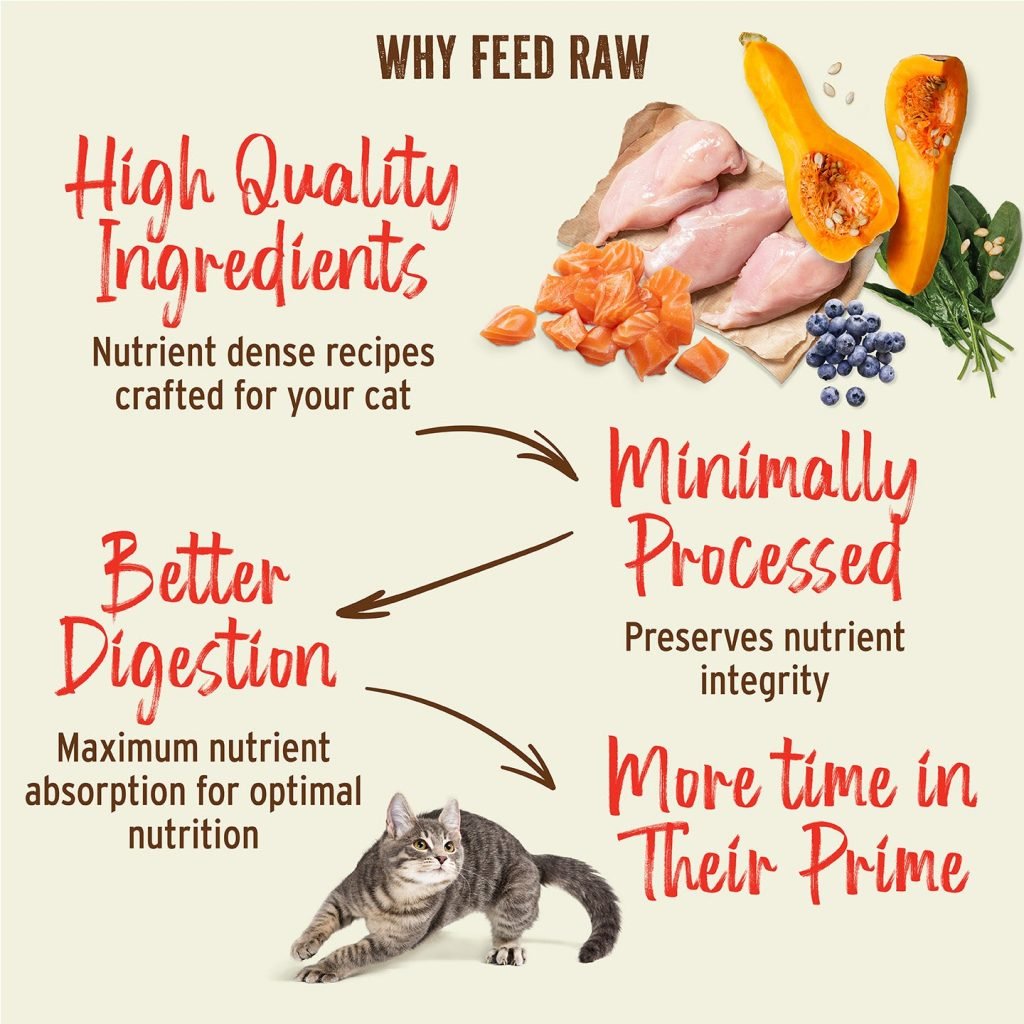
Are you looking for a way to boost your cat’s health and happiness? A raw cat food recipe might be exactly what your furry friend needs.
Feeding your cat raw meals can provide natural nutrients that processed foods often miss. Imagine your cat with shinier fur, more energy, and better digestion—all from a simple change in diet. You’ll discover easy-to-follow recipes and tips that make preparing raw food safe and enjoyable.
Keep reading to learn how you can transform your cat’s meals and see the difference in their well-being.
Benefits Of Raw Diet
Switching your cat to a raw diet can bring noticeable changes in their health and happiness. You might wonder what real benefits come from feeding raw food instead of traditional kibble. Let’s look at some specific advantages that could improve your cat’s daily life.
Improved Digestion
Raw food contains natural enzymes that help break down nutrients more efficiently. Many cats experience less vomiting and softer stools after switching to raw meals. Have you noticed your cat struggling with digestion? Feeding raw might ease their discomfort and support a healthier gut.
Shinier Coat And Healthier Skin
The fats and oils in raw meat nourish your cat’s skin from the inside out. You may see a noticeable difference in the shine and softness of their fur within weeks. If your cat scratches often or has flaky skin, raw food could reduce irritation and boost their coat’s natural glow.
Increased Energy Levels
Raw diets provide high-quality protein and essential nutrients that fuel your cat’s body efficiently. Many owners report their cats becoming more playful and active after the switch. Could your cat benefit from a natural energy boost without artificial additives?

Credit: cdk9raw.com.au
Essential Ingredients
Choosing the right ingredients is crucial when preparing raw cat food. Your cat’s health depends on a balanced mix of nutrients that mimic their natural diet. Each component plays a unique role in supporting their energy, growth, and overall well-being.
Protein Sources
Protein is the foundation of any raw cat food recipe. Cats need high-quality animal protein to stay strong and active. Common choices include chicken, turkey, rabbit, and beef, all rich in essential amino acids.
Using fresh, raw meat ensures your cat gets the nutrients they need without unnecessary fillers. Have you noticed how your cat’s energy levels improve with a meat-rich diet?
Organ Meats
Organ meats are vital because they provide nutrients not found in muscle meat alone. Liver, kidney, and heart are particularly important for vitamins A, B-complex, and minerals like iron and zinc.
Including organ meats makes the food more nutrient-dense and closer to what a wild cat would eat. How often do you add these powerful ingredients to your cat’s meals?
Bone Content
Bones offer calcium and phosphorus, essential for your cat’s teeth and bones. Raw, ground bones are safest and easiest for cats to digest.
Never use cooked bones, as they can splinter and cause harm. Balancing bone content is tricky—too much can upset digestion, too little can lead to deficiencies.
Supplements And Additives
Sometimes, raw diets need extra support through supplements. Taurine, fish oil, and vitamin E are common additions to fill any nutritional gaps.
Pay attention to your cat’s needs and adjust supplements accordingly. Have you checked if your raw recipe covers all the essential nutrients?
Preparing Raw Meals Safely
Preparing raw meals safely is crucial for your cat’s health. Raw food can carry bacteria and parasites. Proper handling reduces risks. Cleanliness and correct storage keep meals fresh and safe.
Sanitation Tips
- Wash hands thoroughly before and after handling raw food.
- Clean all utensils and surfaces with hot, soapy water.
- Use separate cutting boards for raw cat food and other foods.
- Disinfect countertops regularly to kill harmful bacteria.
- Wear disposable gloves if possible to avoid cross-contamination.
Avoiding Contamination
- Keep raw meat away from cooked foods and ready-to-eat items.
- Do not reuse marinades or juices from raw meat.
- Use sealed containers to prevent leaks in the fridge.
- Check raw ingredients for freshness before use.
- Discard any food that smells off or looks discolored.
Storage Guidelines
- Store raw cat food in the coldest part of the fridge.
- Freeze portions you won’t use within two days.
- Label containers with the date of preparation.
- Thaw frozen food in the fridge, not at room temperature.
- Use thawed food within 24 hours for best safety.
Balancing Nutrients
Balancing nutrients is key to preparing a raw cat food recipe. Cats have unique dietary needs that must be met for their health. Each nutrient plays a vital role in their growth and well-being. Ensuring the right balance helps avoid common health problems. Careful attention to nutrient ratios keeps your cat strong and active.
Calcium To Phosphorus Ratio
Calcium and phosphorus must be balanced properly in raw cat food. The ideal ratio is about 1.2 parts calcium to 1 part phosphorus. This balance supports strong bones and teeth. Too much phosphorus can harm kidney health. Too little calcium can cause bone weakness. Ingredients like ground bone or calcium supplements help achieve this ratio.
Including Taurine
Taurine is an essential amino acid for cats. It supports heart function, vision, and reproduction. Cats cannot produce enough taurine on their own. Raw meat, especially heart and muscle, is rich in taurine. Avoid plant-based ingredients as they lack taurine. Adding taurine supplements ensures your cat’s needs are met fully.
Fat And Vitamin Needs
Fat provides energy and helps absorb vitamins A, D, E, and K. Cats require moderate fat levels in their diet. Too little fat leads to poor skin and coat health. Fatty fish, organ meats, and animal fats are good sources. Vitamins must be balanced too, as excess or deficiency causes problems. Using a vitamin supplement designed for cats is often necessary.
Sample Raw Cat Food Recipes
Feeding your cat raw food can improve their health and energy. Preparing raw cat food at home ensures fresh ingredients and balanced nutrition. Here are some simple and tasty raw cat food recipes to try.
Chicken-based Recipe
- 200 grams of ground chicken (with bones)
- 50 grams of chicken liver
- 1 teaspoon of fish oil
- 1/4 teaspoon of taurine powder
- 1 small carrot, finely grated
Mix all ingredients well. Serve fresh or store in the fridge for up to two days.
Fish-based Recipe
- 150 grams of raw salmon (boneless)
- 50 grams of sardines (including bones)
- 1 teaspoon of olive oil
- 1/4 teaspoon of kelp powder
- 1 boiled egg, chopped
Combine ingredients thoroughly. Keep refrigerated and use within 24 hours.
Turkey And Organ Mix
- 180 grams of ground turkey (with skin)
- 40 grams of turkey heart
- 20 grams of turkey kidney
- 1 teaspoon of coconut oil
- 1/4 teaspoon of bone meal powder
- A pinch of crushed pumpkin seeds
Blend all items evenly. Serve fresh or freeze portions for later use.

Credit: stevesrealfood.com
Transitioning To Raw Food
Switching a cat to raw food needs patience and care. Cats have sensitive stomachs. Sudden diet changes can cause upset or refusal to eat. A smooth transition helps the cat adjust. It also allows you to watch for any health reactions.
Gradual Introduction
Start by mixing small amounts of raw food with the current diet. Increase the raw portion slowly over two to four weeks. Watch how your cat reacts to the new food. Keep the mix ratio gentle. This eases digestion and reduces stress.
Monitoring Health Changes
Check your cat’s energy and mood daily. Look for changes in stool consistency and smell. Monitor their coat for shine or dullness. Watch for vomiting or diarrhea. Note any unusual behavior or appetite loss. These signs tell you how well the cat adapts.
Handling Picky Eaters
Try different raw food textures like minced, chunks, or patties. Add warming slightly to release aroma and increase appeal. Offer raw food at regular meal times. Keep meals short but consistent. Sometimes, mixing with a small amount of familiar food helps. Patience is key with picky cats.
Common Concerns
Raw cat food recipes attract many cat owners seeking natural diets. Concerns arise about safety and nutrition. Understanding these worries helps make better feeding choices. Let’s explore common concerns about raw feeding.
Risk Of Parasites
Raw meat can carry parasites harmful to cats. Parasites include worms and protozoa. These can cause illness or digestive problems. Freezing meat before use reduces parasite risks. Choosing high-quality meat from trusted sources is vital. Good hygiene during preparation limits contamination. Always clean surfaces and utensils after handling raw food.
Nutritional Deficiencies
Raw diets may lack essential nutrients if not balanced. Cats need specific vitamins, minerals, and amino acids. Taurine is critical for heart and eye health. Calcium and phosphorus must be in correct ratios. Without balance, cats risk bone and organ problems. Use recipes designed by pet nutrition experts. Supplements can help meet nutritional needs.
Veterinary Perspectives
Many veterinarians express caution about raw feeding. Concerns focus on safety and balanced nutrition. Some vets worry about bacteria and parasites. Others highlight the difficulty in creating complete diets. Discuss raw feeding plans with your vet first. Regular check-ups ensure your cat stays healthy. Vet advice helps avoid common feeding mistakes.

Credit: www.amazon.com
Frequently Asked Questions
What Ingredients Are Essential For Raw Cat Food Recipes?
Raw cat food recipes need muscle meat, organs, and bones. Include taurine-rich foods like heart or liver. Add supplements like fish oil and eggs for nutrition.
How Do I Safely Prepare Raw Cat Food At Home?
Use fresh, high-quality meat. Clean all utensils and surfaces well. Store food in airtight containers in the fridge or freezer. Thaw frozen food properly before serving.
Can Raw Cat Food Improve My Cat’s Health?
Yes, raw cat food can improve coat shine, energy, and digestion. It mimics a cat’s natural diet. Always consult your vet before switching diets.
How Much Raw Food Should I Feed My Cat Daily?
Feed about 2-3% of your cat’s body weight daily. Adjust portions based on age, activity, and health. Divide meals into two or more servings per day.
Conclusion
Feeding your cat raw food can improve health and energy. Fresh ingredients provide essential nutrients for strong muscles and shiny fur. Always prepare meals safely and consult your vet for advice. Watch your cat’s reaction to find the best recipe.
Homemade raw food shows love and care in every bite. Try simple recipes and adjust as needed. Your cat deserves the best nutrition every day. Raw cat food can be a healthy choice with proper care.
