

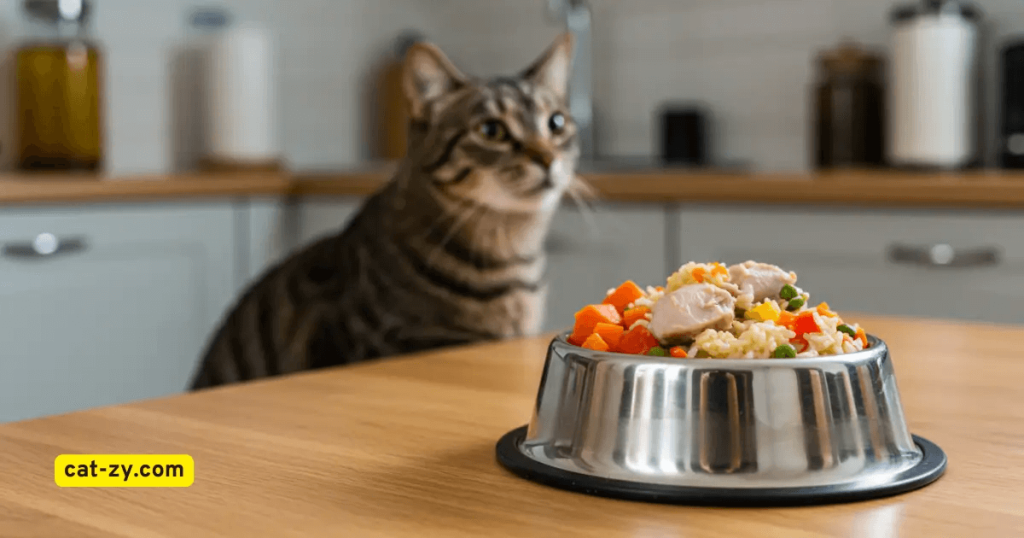
Are you looking for a healthier, tastier way to feed your cat? Homemade wet cat food recipes could be just what you need.
Making your cat’s meals at home lets you control every ingredient, ensuring your furry friend gets the best nutrition without any unnecessary fillers or chemicals. Plus, many cats find homemade meals more appealing, which means less fuss at mealtime and a happier pet.
You’ll discover simple, delicious recipes that you can prepare easily, giving your cat the care and love they deserve with every bite. Ready to treat your cat to something special? Keep reading!
Credit: medium.com
Benefits Of Homemade Wet Cat Food
Homemade wet cat food offers many benefits for your feline friend. It allows you to provide fresh, wholesome meals tailored to your cat’s needs. Preparing food at home gives peace of mind about what your cat eats daily. You can improve your cat’s health and happiness with simple, natural ingredients.
Improved Nutrition
Homemade wet cat food provides balanced nutrition with fresh ingredients. You can include high-quality proteins, vitamins, and minerals essential for your cat’s well-being. Avoid fillers and artificial additives often found in commercial food. Nutrient-rich meals support strong muscles, healthy skin, and shiny fur.
Control Over Ingredients
Making cat food at home lets you control every ingredient. Choose fresh meats, fish, and vegetables without preservatives or chemicals. Avoid allergens or ingredients your cat dislikes. This control helps prevent digestive issues and food sensitivities. You know exactly what goes into every meal.
Enhanced Palatability
Cats love the taste of fresh, homemade food. You can prepare recipes that suit your cat’s preferences and appetite. Warm meals and varied textures make eating more enjoyable. This encourages picky eaters to consume enough food and stay healthy. Homemade wet food often smells and tastes better than canned options.
Essential Nutrients For Cats
Cats need specific nutrients to stay healthy and active. Homemade wet cat food must include these key nutrients. Essential nutrients support their growth, energy, and overall well-being. Understanding these nutrients helps create balanced meals for your feline friend.
Protein Sources
Protein is the main nutrient cats need. It builds muscles and repairs tissues. Good protein sources include:
- Chicken
- Turkey
- Beef
- Fish
- Eggs
Animal proteins provide all essential amino acids cats require. Plant proteins lack some of these amino acids.
Fats And Fatty Acids
Fats provide energy and support skin and coat health. Important fatty acids include omega-3 and omega-6. Sources of healthy fats are:
- Fish oil
- Chicken fat
- Flaxseed oil (in small amounts)
These fats help reduce inflammation and keep the brain sharp.
Vitamins And Minerals
Vitamins and minerals keep body functions working well. Key vitamins include A, D, and E. Important minerals are calcium, phosphorus, and potassium. Common sources are:
- Organ meats like liver
- Bone meal (ground bones)
- Leafy greens in small amounts
Balance is vital to avoid deficiencies or toxicities. Always measure ingredients carefully for safety.
Safety Tips For Homemade Cat Food
Preparing homemade wet cat food is rewarding but requires caution. Safety ensures your cat stays healthy and happy. Knowing what to avoid and how to handle food properly prevents illness. Cleanliness and correct storage keep the food fresh and safe for your pet.
Avoiding Harmful Ingredients
Some foods are dangerous for cats. Avoid onions, garlic, and chives. Do not use chocolate or caffeine. Grapes, raisins, and alcohol are toxic. Salt and spices can upset your cat’s stomach. Use only fresh, high-quality meat and fish. Avoid raw eggs and bones to prevent bacteria and choking.
Proper Food Storage
Store homemade cat food in airtight containers. Refrigerate leftovers immediately. Use food within 2-3 days to keep it safe. Freeze extra portions for longer storage. Label containers with dates to track freshness. Thaw frozen food in the refrigerator, not at room temperature.
Sanitation Practices
Wash hands before and after handling cat food. Clean all utensils and surfaces thoroughly. Use separate cutting boards for meat and vegetables. Avoid cross-contamination by keeping raw food away from cooked food. Regularly sanitize bowls and feeding areas. Keep pets away while preparing food to avoid germs.
Simple Wet Cat Food Recipes
Simple wet cat food recipes use fresh ingredients that cats love. These homemade meals offer balanced nutrition and taste great. Preparing food at home ensures control over what your cat eats. Fresh meat and vegetables provide essential vitamins and minerals. These recipes are easy to make and gentle on your cat’s stomach.
Chicken And Pumpkin Blend
Chicken is a lean protein that supports muscle health. Pumpkin adds fiber for better digestion. This blend is soft and easy to eat. Cook chicken breast until fully done. Mash cooked pumpkin and mix with shredded chicken. Add a small amount of water to reach a wet texture. Serve fresh or store in the fridge for a day.
Salmon And Sweet Potato Mix
Salmon is rich in omega-3 fatty acids for a shiny coat. Sweet potato offers vitamins and fiber. Bake salmon until cooked through and flake it apart. Boil or steam sweet potato until soft. Mix salmon flakes with mashed sweet potato. Add water or broth for moisture. This mix supports skin health and digestion.
Turkey And Carrot Delight
Turkey is a high-protein, low-fat meat perfect for cats. Carrots provide beta-carotene and antioxidants. Cook ground turkey thoroughly and drain excess fat. Steam or boil carrots and mash them well. Combine turkey with carrots and add a little water. This recipe is tasty and helps keep cats healthy.
Customizing Recipes For Your Cat
Customizing homemade wet cat food recipes helps meet your cat’s unique needs. Cats have different tastes, health conditions, and nutritional requirements. Tailoring recipes ensures your cat enjoys meals that support its well-being.
Adjusting For Allergies
Allergies affect many cats. Common allergens include dairy, grains, and certain proteins like fish or chicken. Avoid these ingredients in recipes if your cat shows signs of allergies.
Try novel proteins such as rabbit or turkey. Watch for symptoms like itching, vomiting, or diarrhea. Always introduce new ingredients slowly. This helps spot any allergic reactions early.
Portion Size Guidelines
Proper portion size keeps your cat healthy. Overfeeding can cause obesity. Underfeeding leads to malnutrition. Use your cat’s weight and activity level to decide portions.
| Cat Weight (lbs) | Daily Wet Food (grams) |
|---|---|
| 5 | 100-120 |
| 8 | 140-160 |
| 12 | 180-220 |
Divide the daily amount into two or three meals. Monitor your cat’s weight and adjust portions as needed.
Adding Supplements
Supplements improve homemade food nutrition. Cats need taurine, omega-3 fatty acids, and vitamins. These may be missing in homemade recipes.
- Taurine supports heart and eye health.
- Omega-3s reduce inflammation and aid skin.
- Multivitamins fill nutrient gaps.
Consult a vet before adding supplements. Use only recommended doses. Over-supplementing can harm your cat.

Credit: zigly.com
Transitioning To Homemade Food
Switching your cat to homemade wet food can be a rewarding experience for both of you. It offers control over ingredients and can improve your cat’s overall health. However, abrupt changes might upset their digestion or cause rejection, so patience and careful planning are essential.
Gradual Introduction Tips
Start by mixing a small amount of homemade food with your cat’s regular diet. Aim for a ratio of 25% homemade and 75% commercial food in the beginning.
Over the course of one to two weeks, slowly increase the portion of homemade food while decreasing the commercial food. This helps your cat’s digestive system adjust without stress.
Observe your cat’s reaction at each stage. If you notice vomiting or diarrhea, slow down the transition pace to avoid overwhelming their system.
Monitoring Your Cat’s Health
Track your cat’s weight and energy levels daily during the switch. Any sudden drop in appetite or lethargy should prompt a consultation with your vet.
Keep an eye on their stool consistency as well. Firm, regular stools are signs of good digestion, while loose stools indicate possible intolerance.
Use a simple journal or app to record changes. This data will help you identify which recipes suit your cat best and which ingredients to avoid.
Dealing With Picky Eaters
Not every cat will accept homemade food immediately. Experiment with flavors and textures by adding small amounts of chicken broth or a sprinkle of tuna juice.
Warm the food slightly to enhance aroma and appeal. Cats rely heavily on smell, so this can make a big difference.
Sometimes, mixing in a favorite commercial treat with homemade food encourages them to try it. Have you noticed your cat’s favorite scent or texture that could be added to entice them?

Credit: www.thecookierookie.com
Frequently Asked Questions
What Ingredients Are Safe For Homemade Wet Cat Food?
Safe ingredients include cooked chicken, turkey, fish, pumpkin, and carrots. Avoid onions, garlic, and dairy. Use fresh, high-quality meats and vegetables to ensure balanced nutrition for your cat.
How Do I Store Homemade Wet Cat Food Properly?
Store homemade wet cat food in airtight containers. Keep it refrigerated for up to 3 days or freeze portions for up to 2 weeks. Always thaw frozen food in the fridge before serving.
Can Homemade Wet Cat Food Meet All Nutritional Needs?
Yes, if balanced correctly with proteins, fats, and essential nutrients. Consult a vet or pet nutritionist to ensure recipes meet your cat’s dietary requirements.
How Often Should I Feed My Cat Homemade Wet Food?
Feed your cat homemade wet food twice daily. Adjust portions based on age, weight, and activity level. Fresh meals help maintain hydration and support overall health.
Conclusion
Homemade wet cat food lets you control what your cat eats. It can be fresh, healthy, and tasty. You know exactly what goes into each meal. Cats enjoy the variety and different flavors. Preparing food at home can save money too.
Just follow safe recipes and avoid harmful ingredients. Your cat will thank you with a happy purr. Start simple and enjoy this bonding time. Homemade meals can keep your cat strong and healthy. Give it a try and see the difference yourself.
