

If your cat often struggles with tummy troubles, you know how tough it can be to see them uncomfortable. Finding the right food that soothes their sensitive stomach is key to keeping them happy and healthy.
But with so many options out there, how do you choose the best one for your furry friend? You’ll discover everything you need to know about sensitive tummy cat food—what to look for, ingredients to avoid, and tips to help your cat feel their best every day.
Keep reading to give your cat the comfort they deserve.
Causes Of Sensitive Stomachs In Cats
Cats can suffer from sensitive stomachs for several reasons. Understanding these causes helps to choose the right food and care. Digestive health is vital for your cat’s happiness and well-being. Let’s explore common reasons behind sensitive stomachs in cats.
Common Food Allergies
Some cats react badly to certain ingredients in their food. Proteins like beef, dairy, or fish often cause allergies. Symptoms include vomiting, diarrhea, or itchy skin. These reactions can upset the cat’s stomach and digestion. Switching to hypoallergenic or limited ingredient diets helps many cats.
Digestive Disorders
Conditions like inflammatory bowel disease or pancreatitis affect digestion. These disorders cause discomfort and poor nutrient absorption. Cats may show signs such as weight loss and frequent vomiting. Veterinary diagnosis is essential to manage these issues properly. Special diets with easy-to-digest ingredients often ease symptoms.
Stress And Environmental Factors
Stress can disturb a cat’s digestive system. Changes in the home, loud noises, or new pets cause anxiety. This stress triggers stomach upset or loss of appetite. Creating a calm, stable environment supports better digestion. Feeding routines and quiet spaces help sensitive cats feel safe.

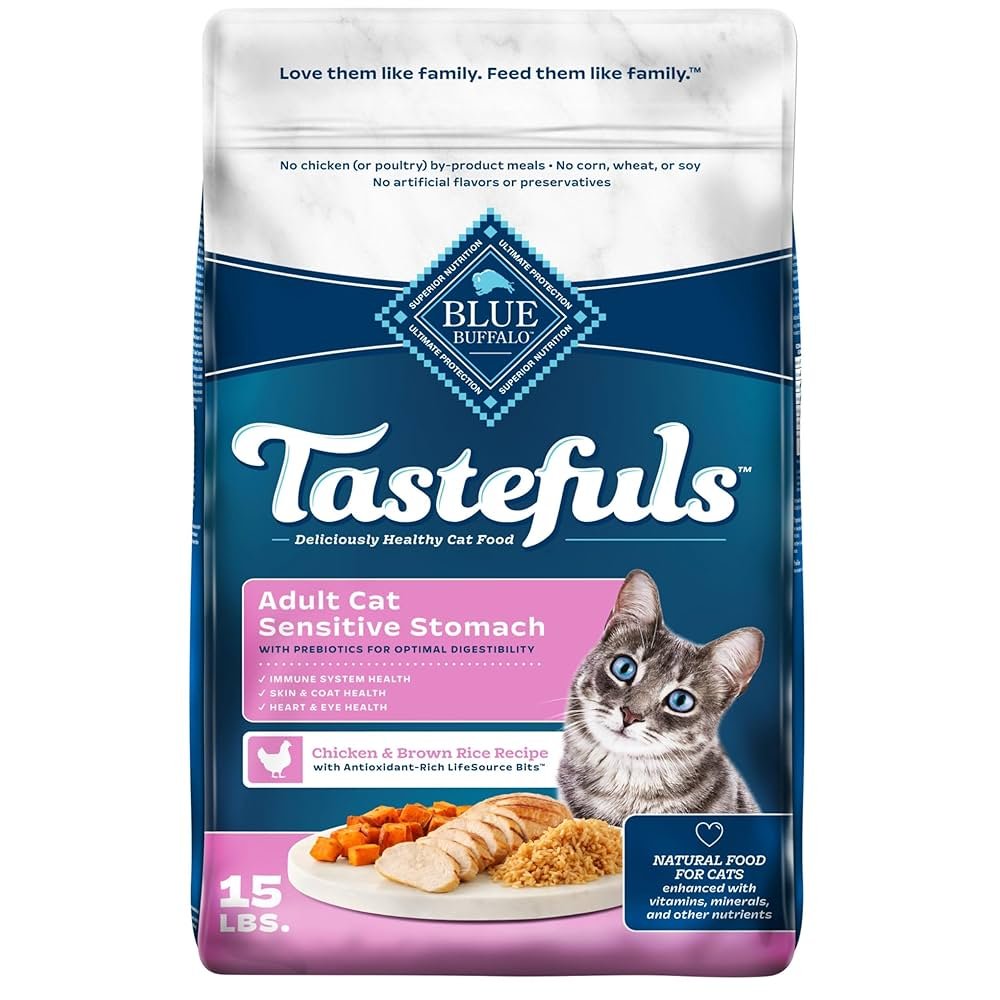
Credit: www.walmart.ca
Key Ingredients For Sensitive Tummy Cat Food
Choosing the right ingredients is important for cats with sensitive stomachs. Sensitive tummy cat food uses specific ingredients to help ease digestion and reduce discomfort. These ingredients support gut health and provide essential nutrients without causing irritation.
Limited Ingredient Diets
Limited ingredient diets contain fewer components to reduce food sensitivities. They avoid common allergens like grains, dairy, and artificial additives. This simplicity helps cats digest food more easily. Limited ingredients also make it easier to identify allergens if problems occur.
Hypoallergenic Proteins
Hypoallergenic proteins come from novel sources like duck, rabbit, or fish. These proteins are less likely to cause allergic reactions. They provide high-quality nutrition while being gentle on the stomach. Hypoallergenic proteins support muscle health and overall well-being.
Digestive Enzymes And Probiotics
Digestive enzymes break down food into nutrients for better absorption. Probiotics add good bacteria to maintain a healthy gut balance. Together, they improve digestion and reduce bloating or gas. These ingredients promote a stronger immune system and better nutrient use.
Top Dry Cat Foods For Sensitive Stomachs
Finding the right dry cat food for sensitive stomachs can feel like navigating a maze. Your cat’s digestive health is essential, and the wrong food can lead to discomfort or worse. Choosing the best dry cat food means focusing on ingredients that soothe rather than irritate, supporting your cat’s overall well-being.
Best Grain-free Options
Grain-free dry foods often reduce digestive issues because they eliminate common allergens like wheat and corn. These options usually rely on protein sources such as chicken, fish, or turkey, which are easier on sensitive tummies.
- Blue Buffalo Basics Limited Ingredient:Uses turkey and easily digestible carbohydrates like peas and potatoes.
- Natural Balance L.I.D. Limited Ingredient Diets:Focuses on a single protein source and is free from grains.
- Merrick Grain-Free Real Chicken & Sweet Potato:Combines high protein with nutrient-rich veggies to support digestion.
Have you noticed if your cat does better without grains? Trying grain-free might be the key to fewer tummy troubles.
Affordable And Effective Choices
Quality doesn’t always mean expensive. Several budget-friendly dry cat foods offer great nutrition for sensitive stomachs without breaking the bank.
- Purina ONE Sensitive Systems:Designed to support digestive health with real turkey as the first ingredient.
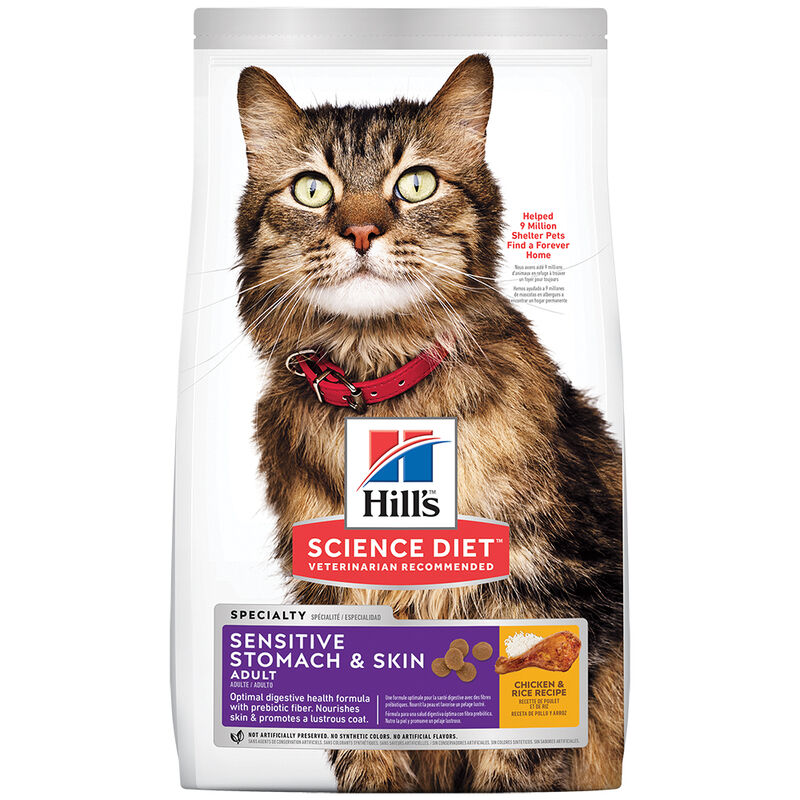
- Hill’s Science Diet Sensitive Stomach & Skin:Offers a balanced formula that’s gentle on the digestive system and affordable.
- Rachael Ray Nutrish Just 6 Natural:Uses limited ingredients to reduce the chance of irritation while staying wallet-friendly.
Would you be willing to try these affordable options before moving to pricier brands? Sometimes, the best solution fits your budget too.
Veterinarian-recommended Brands
Many vets recommend specific brands because they balance taste, nutrition, and digestive support. These brands often undergo rigorous testing and have formulas backed by scientific research.
- Royal Canin Veterinary Diet Sensitivity Control:Tailored for cats with digestive sensitivities and food allergies.
- Hill’s Prescription Diet i/d Digestive Care:Clinically proven to improve digestive health and nutrient absorption.
- Purina Pro Plan Veterinary Diets EN Gastroenteric Formula:Supports cats with chronic digestive issues through specialized nutrients.
Have you consulted your vet about your cat’s sensitive stomach? Their recommendations can guide you to the safest and most effective options.

Credit: www.amazon.ca
Best Wet Cat Foods For Sensitive Tummies
Choosing the best wet cat food for sensitive tummies can feel overwhelming. You want to provide your feline friend with meals that soothe their digestive system while still tasting great. Wet foods often offer a gentle option, packed with hydration and nutrients that support your cat’s health.
High Moisture Content Benefits
Wet cat foods naturally contain more water, which helps keep your cat hydrated. Proper hydration supports digestion and can prevent urinary tract issues, a common problem for cats with sensitive stomachs.
Many cats don’t drink enough water, so wet food is a simple way to increase their moisture intake without forcing extra water bowls. Have you noticed your cat’s appetite improve when they eat canned food? That’s often because the moisture makes meals easier to digest and more satisfying.
Natural And Organic Selections
Natural and organic wet cat foods avoid artificial additives and fillers that can irritate sensitive tummies. These options often contain high-quality proteins and limited ingredients, reducing the risk of allergic reactions or digestive upset.
Look for labels that specify real meat or fish as the first ingredient and avoid products with unnecessary grains or by-products. Have you tried switching to a simpler ingredient list and seen your cat’s digestion improve? This change can make a noticeable difference.
Palatability For Picky Eaters
Some cats with sensitive stomachs also tend to be picky eaters. Wet foods usually have stronger aromas and softer textures that appeal to finicky felines.
Choosing a wet food that your cat actually enjoys is crucial because even the healthiest option won’t help if it’s left untouched. Experiment with flavors like chicken, turkey, or salmon to find what excites your cat’s taste buds while being gentle on their tummy.
Homemade Diets For Cats With Sensitive Stomachs
Feeding a cat with a sensitive stomach can feel like walking a tightrope. You want to provide nourishment without triggering discomfort or digestive upset. Preparing homemade meals gives you control over every ingredient, letting you tailor your cat’s diet to their unique needs and preferences.
Safe Ingredients To Use
Choosing the right ingredients is key to keeping your cat’s tummy calm. Lean proteins like boiled chicken, turkey, or white fish are gentle and easy to digest.
- Plain cooked pumpkin or sweet potato can soothe the digestive tract.
- Rice or oats add mild carbohydrates without irritation.
- Small amounts of cooked carrots or green beans provide fiber and nutrients.
Avoid spices, onions, garlic, and dairy, as these can upset sensitive stomachs or be toxic to cats. Freshness matters too—always use fresh, high-quality ingredients.
Recipes To Try At Home
Simple recipes can be lifesavers when store-bought foods cause flare-ups. One easy meal combines boiled chicken breast, cooked pumpkin, and a little rice.
| Ingredient | Amount | Preparation |
|---|---|---|
| Chicken breast | 100g | Boiled and shredded |
| Cooked pumpkin | 2 tablespoons | Mashed, plain |
| Cooked rice | 1 tablespoon | Soft and plain |
Mix these ingredients and serve at room temperature. You can adjust portions based on your cat’s appetite and response. Have you noticed which ingredients your cat tolerates best?
Consulting Your Vet Before Switching
Before changing your cat’s diet, talk to your veterinarian. A vet can help identify the root cause of stomach sensitivity and recommend appropriate dietary adjustments.
Some homemade diets might lack essential nutrients if not balanced properly. Your vet can suggest supplements or guide you toward recipes that meet your cat’s nutritional needs.
Remember, sudden diet changes can worsen tummy troubles. Gradually introduce new foods while watching for any signs of distress. How do you plan to monitor your cat’s reaction to homemade meals?
Transitioning To Sensitive Tummy Cat Food
Switching your cat to sensitive tummy cat food requires care and attention. Abrupt changes can upset your cat’s digestive system, causing discomfort or refusal to eat. You want to make the transition smooth to help your cat adjust comfortably to the new diet.
Gradual Food Changes
Start by mixing a small amount of the sensitive tummy food with your cat’s current food. Over 7 to 10 days, slowly increase the new food portion while decreasing the old one. This slow transition helps your cat’s digestive system adapt without sudden shocks.
Watch for any signs of reluctance, such as sniffing or pushing food away. If your cat resists, slow down the process. Patience is key here, as each cat adjusts at its own pace.
Monitoring Your Cat’s Reaction
Keep a close eye on your cat’s behavior, stool quality, and overall health during the switch. Look for improvements such as less vomiting, softer stools, or fewer digestive upsets. These signs indicate the food is working well.
However, if you notice persistent diarrhea, vomiting, or loss of appetite, these could be red flags. Keep a journal to track your cat’s reactions daily—it helps you spot patterns and provides useful information if you need to consult a vet.
When To Seek Professional Help
If your cat shows ongoing digestive issues after two weeks on the new food, it’s time to get professional advice. A vet can rule out other health problems and suggest alternative diets or treatments.
Don’t hesitate to reach out if your cat’s symptoms worsen or if you feel unsure about the transition. Your cat’s comfort and health depend on timely support, and vets can offer tailored guidance based on your cat’s needs.
Additional Tips For Managing Sensitive Cat Stomachs
Managing a sensitive cat stomach requires more than just choosing the right food. Small daily habits can make a big difference in your cat’s comfort and health. These extra steps help reduce tummy troubles and keep your cat happy.
Feeding Schedules And Portions
Feed your cat at regular times each day. This helps their digestive system stay balanced. Offer smaller meals more often instead of one or two large meals. Smaller portions reduce the risk of overeating and stomach upset. Avoid free feeding to control intake and monitor appetite closely.
Hydration Importance
Water is crucial for cats with sensitive stomachs. It helps food move smoothly through the digestive tract. Always provide fresh, clean water. Consider adding wet food to increase moisture intake. Proper hydration supports digestion and prevents constipation.
Avoiding Common Triggers
Identify and remove foods that upset your cat’s stomach. Common triggers include dairy, grains, and artificial additives. Introduce new foods slowly to watch for reactions. Keep treats minimal and healthy. Avoid sudden changes in diet to prevent digestive stress.
Credit: www.renspets.com
Frequently Asked Questions
What Is Sensitive Tummy Cat Food?
Sensitive tummy cat food is specially formulated for cats with digestive issues. It contains easily digestible ingredients to minimize discomfort. These foods often have limited ingredients to reduce the risk of allergies. They also include added nutrients to support gut health.
Choosing the right formula can help your cat feel better.
How Do I Know If My Cat Needs It?
Signs your cat needs sensitive tummy food include frequent vomiting, diarrhea, or a noticeable change in appetite. If your cat has a sensitive stomach, it may also show signs of discomfort after eating. Consult your veterinarian to determine if a sensitive formula is necessary for your cat.
What Ingredients Are Best For Sensitive Stomachs?
Ingredients like rice, pumpkin, and easily digestible proteins are ideal for sensitive stomachs. These ingredients are gentle on the digestive system and help reduce gastrointestinal issues. Avoid foods with artificial additives or fillers. Always check labels for high-quality ingredients that promote gut health and overall well-being.
How Quickly Does It Improve Digestion?
Improvement in digestion can be noticed within a few days. However, it may take up to a week for significant changes. Transitioning your cat gradually to the new food can help minimize any initial digestive upsets. Monitor your cat’s health and consult your vet if issues persist.
Conclusion
Choosing the right food helps your cat feel better every day. Sensitive tummy cat food supports digestion and reduces discomfort. Cats eat happily and stay healthy with gentle ingredients. Watch for signs of improvement in your pet’s mood and energy.
Feeding them properly makes a big difference in their life. Your care shows through the food you provide. Keep learning about your cat’s needs and adjust meals as needed. A happy tummy means a happy cat, simple as that.
