

Have you ever noticed your cat scratching around their food before or after eating? It might seem like a strange habit, but there’s actually a fascinating reason behind it.
Understanding why your cat does this can help you connect better with your furry friend and even improve their mealtime experience. Keep reading to discover the surprising reasons behind this common behavior and what it means for your cat’s comfort and well-being.

Credit: www.youtube.com
Cat Scratching Behavior
Watching your cat scratch around their food can be puzzling. This behavior is more than just a quirky habit—it’s a natural instinct rooted deep in their history. Understanding why cats do this can help you connect better with your furry friend and create a more comfortable feeding environment.
Common Scratching Patterns
Cats often scratch around their food in distinct ways. You might notice them using their front paws to dig or rake the surface near their bowl. Sometimes, they alternate paws, and other times, they focus on a single spot repeatedly.
Some cats even kick backward with their hind legs after scratching. This pattern mimics how wild cats cover their food to hide it from predators or other animals. Have you seen your cat perform this backward kick? It’s a fascinating glimpse into their instinctive behavior.
Purpose Behind Scratching
Scratching near food serves several purposes for cats. It acts as a way to mark territory using scent glands located in their paws. This tells other animals that the food is claimed, reducing chances of conflict.
Additionally, the scratching behavior may help cats assess the safety of their eating area. By digging and pawing around, they check for potential threats or disturbances. This behavior also provides mental stimulation, keeping their natural hunting instincts sharp even while eating.
Next time your cat scratches near their food, consider these reasons. How might you adjust their feeding setup to make them feel more secure and content?
Instinctual Roots
Have you ever noticed your cat scratching around their food before digging in? This behavior might seem odd, but it actually taps into deep instinctual roots that have been passed down through generations. Understanding these instincts helps you appreciate why your feline friend acts this way and how it connects to their natural habits.
Ancestral Hunting Habits
Cats are natural hunters, and their ancestors had to work hard to secure meals. Scratching around food mimics the action of burying or uncovering prey in the wild. This instinct helps them prepare their “catch” and ensures safety before eating.
Think about it: your cat isn’t just scratching randomly. They’re performing a behavior tied to survival—covering their food to hide it from other predators or to protect it from dirt. When your cat does this, they are channeling thousands of years of hunting experience.
Territory Marking
Scratching around food also serves as a way for cats to mark their territory. Their paws have scent glands that leave a unique smell behind. This scent tells other animals, “This area is mine.”
Have you noticed how your cat scratches near their feeding spot even if no other pets are around? It’s their way of setting boundaries and feeling secure. Recognizing this helps you understand how important a consistent feeding area is for your cat’s comfort.
Food-related Triggers
Cats often scratch around their food due to natural instincts and triggers linked to feeding. These food-related behaviors help cats feel secure and manage their environment. Understanding these triggers can explain why cats act this way around their bowls.
Scent Marking Near Food
Cats have scent glands in their paws. Scratching near food spreads their scent around the area. This marks the spot as their own territory. It sends a signal to other animals to stay away. This behavior helps cats protect their food from others.
Hiding Leftovers
Scratching near food can mimic a cat’s instinct to cover leftover food. In the wild, cats bury extra food to hide it from predators. Domestic cats keep this habit. They scratch around their bowls to hide leftovers, even if there is none. This behavior is a way to save food for later.
Environmental Factors
Environmental factors play a significant role in why cats scratch around their food. Your cat’s surroundings and emotional state can influence this behavior more than you might think. By understanding these factors, you can make simple changes that improve your cat’s mealtime experience and reduce unwanted scratching.
Bowl Placement And Surroundings
Where you place your cat’s food bowl matters. Cats prefer quiet, safe spots away from heavy foot traffic or noisy appliances. If your cat’s food bowl is near a busy hallway or loud dishwasher, they might scratch around their food to create a sense of territory or to push away distractions.
Try moving the bowl to a calm corner or a spot with minimal interruptions. You might notice less scratching when your cat feels more secure and focused on eating. Have you ever watched your cat carefully inspect the area before eating? This behavior often shows their need for a peaceful environment.
Stress And Anxiety Effects
Stress can make cats act out in unexpected ways, including scratching near their food. Changes like new pets, visitors, or even rearranged furniture might increase your cat’s anxiety. Scratching around their food could be a way they try to cope or mark their safe space.
Observe your cat’s behavior during these times and consider adding calming aids like pheromone diffusers or quiet retreats. Reducing stress might help your cat feel comfortable enough to stop scratching unnecessarily. What small change in your home environment could make your cat feel more at ease during mealtime?
Behavior Variations Among Cats
Cats show many behaviors around their food, and scratching is one of them. Not every cat scratches the same way or for the same reasons. These differences come from factors like their age, personality, and breed. Understanding these can help explain why some cats scratch more or less around their food bowls.
Age And Personality Differences
Young cats often scratch more around their food. They use scratching to mark their space and feel secure. Older cats may scratch less as they become calmer and more relaxed.
Personality also plays a big role. Some cats are naturally more active and curious. These cats might scratch more to explore or play. Others are shy or gentle and may not scratch at all. Each cat’s unique traits affect how they behave near their food.
Breed-specific Traits
Certain cat breeds show distinct behaviors, including scratching habits. For example, Siamese cats are known to be very vocal and active. They often scratch around their food to get attention or express excitement.
Maine Coons are larger and more laid-back. They might scratch less but still enjoy marking their feeding area. Some breeds have stronger instincts to dig or cover food, which leads to more scratching.
Credit: www.catster.com
Managing Scratching Behavior
Managing a cat’s scratching behavior near their food is important for a peaceful mealtime. Cats scratch instinctively, but this can sometimes lead to mess and frustration. Understanding how to guide this behavior makes feeding times easier for both cats and owners.
Creating A Comfortable Feeding Area
Choose a quiet spot for your cat’s feeding area. Avoid busy places with lots of noise or foot traffic. Use a mat under the food bowl to catch any spills or scratches. Place bowls on a stable surface to prevent tipping. Keep the area clean to encourage calm behavior. Cats feel safer in familiar, tidy spaces.
Use Of Deterrents And Alternatives
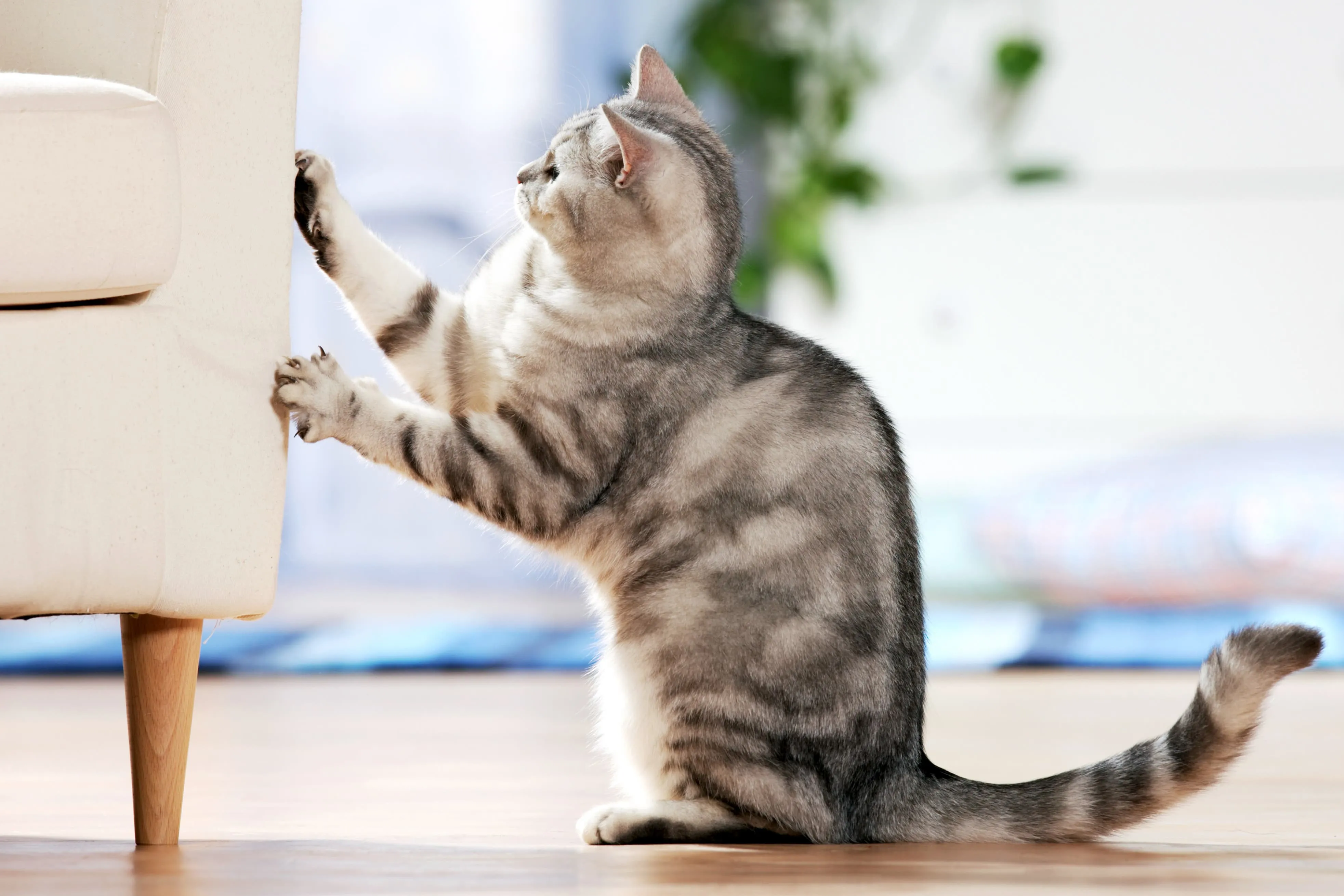
Provide scratching posts near the feeding area to redirect scratching. Use gentle deterrents like double-sided tape on surfaces you want to protect. Avoid harsh chemicals or sprays that may harm your cat. Offer toys or treats after meals to distract your cat from scratching. Reward good behavior with praise or treats to encourage it.
Credit: www.webmd.com
Frequently Asked Questions
Why Do Cats Scratch Around Their Food Bowl?
Cats scratch around their food to mark territory with scent glands in their paws. It also mimics natural hunting behavior and helps them feel secure.
Does Scratching Near Food Relate To Cat Instincts?
Yes, scratching near food is an instinctive behavior inherited from wild ancestors. It signals ownership and hides the scent of leftover food from predators.
Can Scratching Around Food Indicate Stress Or Anxiety?
Sometimes, cats scratch near food if they feel stressed or threatened. It acts as a comforting ritual and helps reduce anxiety in unfamiliar environments.
Is Scratching Near Food A Sign Of Health Issues?
Generally, scratching near food is normal behavior. However, excessive scratching may indicate skin irritation or discomfort and should be checked by a vet.
Conclusion
Cats scratch around their food to feel safe and mark their space. This behavior comes from their wild instincts. It helps them protect their meal from other animals. Scratching also shows they feel relaxed and comfortable. Understanding why cats do this helps you care for them better.
Watching these small actions can reveal a lot about your cat’s mood. Respecting their natural habits creates a happier pet and owner bond. Simple signs like scratching tell a deeper story about your cat.
