

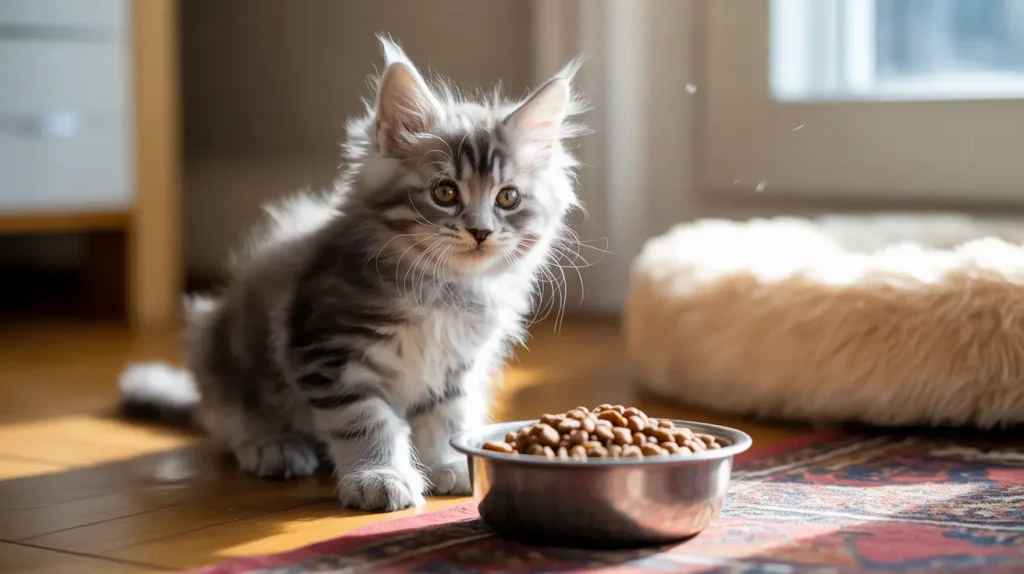
Have you ever caught your curious kitten sneaking a bite of your older cat’s food? You might wonder if this harmless act could cause any problems.
After all, your kitten and older cat have different nutritional needs. What really happens when your little furball eats food meant for your senior cat? Keep reading to find out why it matters, what risks to watch for, and how you can keep both your pets happy and healthy.
This simple knowledge could save you from unexpected vet visits and ensure your pets thrive together.

Credit: www.purina.com
Differences Between Kitten And Adult Cat Food
Kittens and adult cats need different types of food to stay healthy. Their bodies grow and work in different ways. This means their food must have special ingredients made just for them. Feeding a kitten adult cat food or vice versa can cause problems. Understanding the differences helps keep both cats strong and happy.
Nutritional Needs Of Kittens
Kittens grow fast. They need more energy and nutrients than adult cats. Their food must have:
- High protein to build strong muscles
- Extra fat for energy and brain development
- More vitamins and minerals for bone growth
- Essential fatty acids for healthy skin and coat
This special nutrition supports their rapid growth and helps them stay active.
Adult Cat Food Composition
Adult cats need fewer calories than kittens. Their growth slows down, so they need:
- Balanced protein to maintain muscle
- Lower fat to prevent weight gain
- Fiber to support digestion
- Essential nutrients for overall health
Adult cat food keeps them fit without giving extra energy they do not need.
Why Formulations Vary
Different life stages require different nutrients. Kittens have growing bodies that need support. Adults need food that maintains their health without causing weight gain. The food is made to match these needs. Feeding the wrong food can lead to nutrient gaps or weight problems.
Potential Risks For Kittens Eating Adult Cat Food
Letting your kitten nibble on your older cat’s food might seem harmless, but it can lead to several risks that affect your kitten’s health. Adult cat food is formulated differently and doesn’t meet the unique needs of a growing kitten. Understanding these risks helps you protect your kitten’s wellbeing and supports healthy growth.
Nutrient Deficiencies
Adult cat food lacks the right balance of essential nutrients kittens need. Kittens require higher levels of protein, fat, and certain vitamins like calcium and DHA for brain development. Feeding them adult food can result in missing out on these critical nutrients, potentially causing health issues over time.
Have you noticed your kitten seems less energetic or isn’t growing as expected? This might be due to nutrient gaps caused by eating adult food.
Digestive Issues
Kittens have sensitive stomachs that need gentle, easily digestible food. Adult cat food can be harder for them to digest, leading to upset stomachs, diarrhea, or constipation. These digestive problems can make your kitten uncomfortable and might require a vet visit.
If your kitten suddenly has loose stools or seems to vomit after meals, consider whether the food might be the cause.
Growth And Development Concerns
Proper growth depends on the right nutrition during the early months. Feeding adult cat food can stunt your kitten’s growth or affect bone development due to inadequate nutrient levels. This can lead to long-term health problems that might not be reversible.
Think about how quickly kittens grow and develop—it’s a short window where they need the best nutrition. Are you confident your kitten’s diet supports this critical phase?
Possible Effects On Older Cats Eating Kitten Food
Older cats eating kitten food might seem harmless at first, but it can lead to some unexpected problems. Kitten food is designed to support rapid growth and high energy needs, which differ greatly from the requirements of a mature cat. Let’s look at what happens when your older cat regularly consumes kitten food and how it might affect their health.
Increased Calorie Intake
Kitten food is packed with extra calories to fuel their growth. When an older cat eats this richer food, they consume more calories than their body actually needs. This can make it hard for you to manage their daily calorie intake, especially if your cat is less active than a kitten.
Have you noticed your older cat becoming less energetic but still eating a lot? This might be a sign that kitten food is giving them too many calories.
Weight Gain Risks
Eating kitten food regularly can lead to unwanted weight gain in older cats. Excess calories get stored as fat, which can increase the risk of obesity-related issues like diabetes and joint problems. This can shorten your cat’s lifespan and lower their quality of life.
It’s important to monitor your cat’s weight and adjust their diet accordingly. Even a small increase in body weight can affect their mobility and overall health.
Nutritional Imbalance
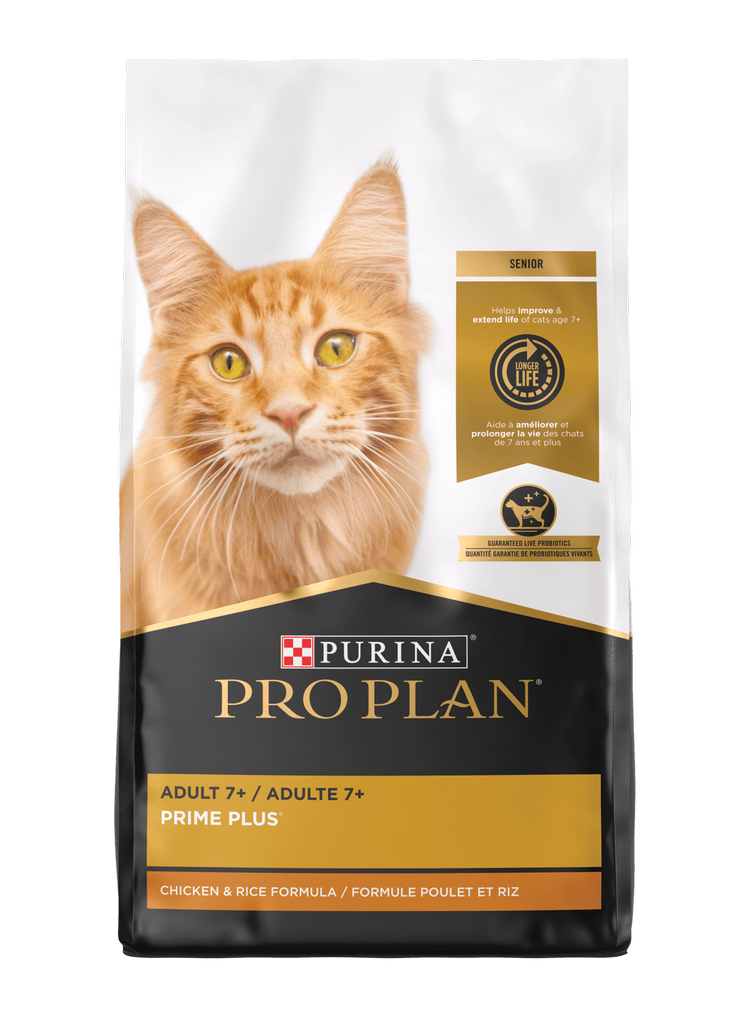
Kitten food contains higher levels of certain nutrients like protein, fat, and vitamins tailored to growing cats. Older cats don’t need such high amounts, and over time, this imbalance can cause health issues. For example, too much protein can strain the kidneys, especially in senior cats with pre-existing conditions.
Are you aware of your older cat’s specific dietary needs? Consulting your vet about the right food can prevent these nutritional problems.
Credit: www.purina.com
How To Prevent Food Sharing Between Cats
Keeping your kitten from eating your older cat’s food can be tricky, but setting clear boundaries helps both pets get the nutrition they need. Preventing food sharing isn’t just about control—it’s about creating a peaceful feeding environment. Let’s look at practical ways you can keep their meals separate and stress-free.
Separate Feeding Areas
Give each cat its own designated feeding spot. This physical separation reduces the chance of your kitten sneaking over to the older cat’s bowl. Choose quiet, low-traffic areas for each feeding station to help your cats feel safe and focused on their meals.
I once had a kitten who always tried to steal food from my senior cat. Moving their bowls to different rooms worked wonders. The kitten learned quickly that her food was only available in one place.
Scheduled Feeding Times
Feed your cats at specific times rather than free-feeding all day. This routine helps you monitor what each cat eats and when. You’ll also spot any food-stealing behavior faster and correct it on the spot.
Try feeding your older cat first, then the kitten a few minutes later in separate rooms. This keeps their meals distinct and gives you control over their portions. Do you notice if your kitten rushes to the older cat’s bowl right after you put down their food?
Using Feeding Stations
Invest in feeding stations designed to limit access. Some stations have microchip recognition, so only the designated cat can open the feeding area. This high-tech solution is especially helpful if your kitten is very persistent.
If technology isn’t an option, even simple covered bowls or feeding boxes with small entrances can slow down or stop food stealing. Have you tried any special feeders that worked for your cats? Sharing what worked can help others facing the same challenge.
What To Do If Your Kitten Eats Adult Cat Food
Finding your kitten eating your older cat’s food can be worrying. Adult cat food has different nutrients than kitten food. Kittens need more protein and fat to grow strong. Adult food may not meet these needs and could cause problems if eaten often. Knowing what to do helps keep your kitten safe and healthy.
Monitoring For Symptoms
Watch your kitten closely after they eat adult cat food. Look for signs like:
- Upset stomach or vomiting
- Diarrhea or constipation
- Lethargy or weakness
- Loss of appetite
These symptoms may show if the food does not agree with your kitten’s system. Early detection helps prevent serious issues.
When To Contact A Veterinarian
Call a vet if your kitten shows symptoms for more than a day. Also seek help if your kitten:
- Refuses to eat or drink
- Is very weak or unresponsive
- Has continuous vomiting or diarrhea
- Shows signs of pain or discomfort
Professional advice ensures your kitten gets the right care quickly.
Temporary Dietary Adjustments
If your kitten eats adult food by accident, return to kitten food immediately. Offer small, frequent meals to ease digestion. Provide plenty of fresh water to avoid dehydration. Avoid mixing adult and kitten food until your kitten feels well. This helps restore proper nutrition and comfort.
Best Practices For Feeding Multiple Cats
Feeding multiple cats in the same household can be tricky, especially when their nutritional needs differ. Kittens require food rich in proteins and fats to support growth, while older cats might need diets tailored for maintenance or specific health concerns. Balancing these needs helps keep all your cats healthy and happy, reducing conflicts over food.
Choosing The Right Food For Each Cat
Your kitten and older cat have distinct dietary requirements. Kittens need food with higher calories and nutrients to fuel their rapid development. Older cats often require diets lower in calories but higher in fiber or special formulas for kidney health or weight control.
Keep separate bowls with appropriate food for each cat to avoid confusion. If your kitten eats the older cat’s food, it might miss critical nutrients needed for growth. Conversely, the older cat could gain weight if it eats kitten food regularly.
Managing Feeding Behavior
Feeding time can quickly become a competition. Some cats are possessive about their food, while others may sneak into bowls not meant for them. Observe your cats’ behavior to spot any food stealing or bullying.
Try feeding your cats in separate rooms or use feeding stations with microchip-activated feeders if your budget allows. This prevents unwanted food swapping and helps you monitor how much each cat eats. You might also consider scheduled feeding times instead of free feeding to control portions and reduce overeating.
Regular Health Checkups
Regular vet visits help track your cats’ health and dietary needs. A kitten growing well and an older cat maintaining a healthy weight are good signs your feeding plan works. But if you notice weight changes, digestive issues, or behavioral shifts, consult your vet.
Health checkups allow early detection of problems like food allergies or underlying illnesses. They also give you a chance to ask about adjusting diets as your cats age or their needs change. How often do you reassess your cats’ diets based on their health?
Credit: www.purina.com
Frequently Asked Questions
Can Kittens Eat Adult Cat Food Safely?
Kittens can eat adult cat food occasionally, but it lacks essential nutrients. Kitten food supports growth with extra protein and vitamins. Feeding adult food regularly may cause nutritional deficiencies in kittens.
What Are Risks If Kitten Eats Older Cat’s Food?
Kittens eating older cat food risk poor development and weak immunity. Adult food has less fat and calories needed for kittens’ energy. This can lead to stunted growth or health issues over time.
How To Prevent Kitten From Eating Older Cat’s Food?
Feed cats separately during mealtimes to prevent food stealing. Use feeding stations or timed feeders to control access. Monitor mealtimes closely until kittens learn to eat their own food.
When Should Kittens Switch To Adult Cat Food?
Kittens should switch to adult cat food around 12 months old. This ensures they get proper nutrition for maintenance rather than growth. Consult your vet for the best timing based on your kitten’s health.
Conclusion
Kittens eating older cat food happens often. It’s usually safe but not ideal. Older cat food lacks nutrients needed for kitten growth. Kittens need more protein and fat. Use kitten food to support their health. Transition slowly if changing food.
Monitor your kitten’s growth and energy. Consult a vet for specific advice. Keep feeding time peaceful. Separate bowls might help. Ensure each pet eats their food. Happy and healthy pets make a happy home.
