

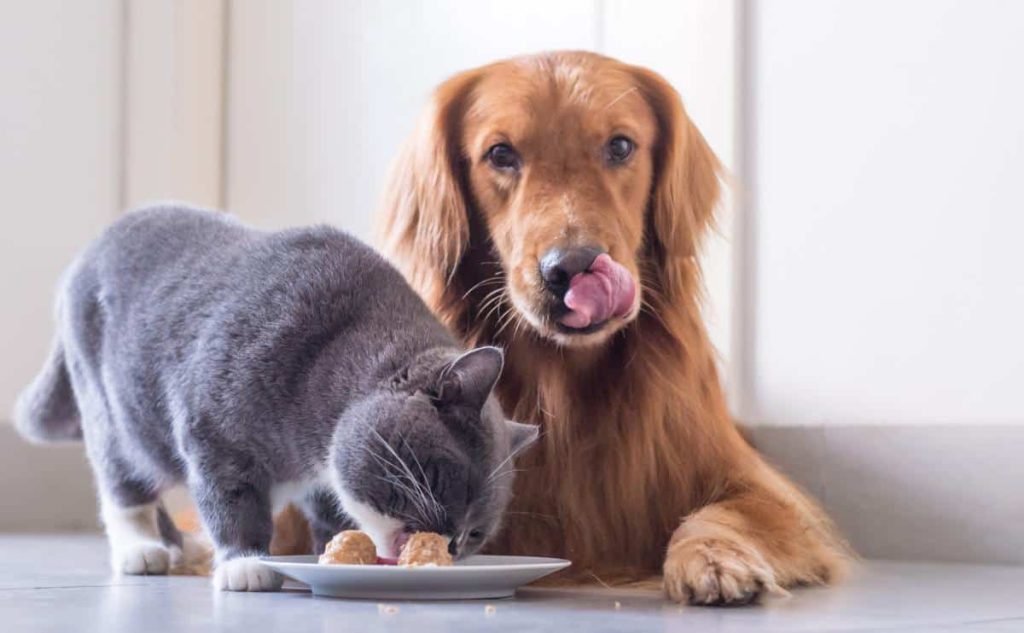
Are you wondering if feeding your puppy cat food is safe? It’s a common question for many pet owners like you.
After all, both cats and dogs need good nutrition to grow healthy and strong. But what happens when you give your puppy cat food instead of dog food? Could it harm your furry friend or just be a harmless treat?
Keep reading to find out the surprising facts that every puppy owner should know before making this important choice. Your puppy’s health depends on it!

Credit: www.purina.com
Differences Between Cat And Puppy Nutrition
Understanding the differences between cat and puppy nutrition is key to keeping your furry friends healthy. Cats and puppies have unique dietary needs that reflect their biology and growth patterns. Feeding a puppy cat food might seem harmless at first, but it can lead to nutritional imbalances that affect your puppy’s development and well-being.
Protein Needs
Cats are obligate carnivores, which means they require a higher amount of protein in their diet compared to puppies. Their bodies rely heavily on protein for energy and maintaining muscle mass. Puppies, on the other hand, need protein to support rapid growth, but their requirement is balanced with other nutrients to prevent excessive strain on their developing organs.
If you give your puppy cat food, the protein level might be too high and unbalanced for their digestive system. This can cause stomach upset or long-term kidney stress. Have you noticed changes in your puppy’s energy or digestion after switching foods?
Fat Content
Fat is an essential energy source, but cats generally require more fat than puppies do. Cat food is often formulated with higher fat content to meet their energy needs. Puppies need fat too, but their diets are designed to provide balanced amounts that support healthy growth without causing weight issues.
Feeding cat food to your puppy could mean excess fat intake, which might lead to obesity or digestive problems. Keep an eye on your puppy’s weight and activity levels if you ever consider mixing foods.
Vitamin And Mineral Requirements
Cats need certain vitamins and minerals in specific amounts, such as taurine, an amino acid crucial for their heart and eye health. Puppies don’t require taurine in the same way, but they do need calcium and phosphorus in precise ratios to build strong bones. Cat food often lacks the right balance of these minerals for puppies.
Using cat food for your puppy can cause deficiencies or excesses that interfere with proper development. Are you checking ingredient labels to make sure your puppy’s food matches their nutritional needs?

Credit: www.lilyskitchen.co.uk
Risks Of Feeding Cat Food To Puppies
Feeding cat food to puppies might seem like a quick fix, especially if you run out of puppy food. However, this choice carries risks that can affect your puppy’s health and growth. Understanding these risks helps you make better decisions for your furry friend’s diet.
Digestive Issues
Puppies have sensitive stomachs that are not designed to handle the rich and high-protein content found in cat food. This can lead to upset stomach, diarrhea, or vomiting. If your puppy starts showing signs of digestive distress after eating cat food, you might wonder why this is happening—it’s a clear sign their digestive system is struggling.
Nutritional Imbalance
Cat food is formulated to meet the nutritional needs of cats, not puppies. It often contains higher levels of protein and fat but lacks essential nutrients that puppies require for healthy development. Feeding cat food regularly can result in missing vitamins and minerals critical for bone growth and immune support.
Potential Health Problems
Long-term feeding of cat food can cause serious health problems in puppies. Excessive protein and fat can strain their kidneys and liver. Over time, this imbalance may lead to obesity, pancreatitis, or other chronic conditions that affect your puppy’s quality of life.
When Cat Food Might Be Used For Puppies
Puppies need special nutrition for healthy growth. Cat food is not designed for puppies but might be used in certain cases. Understanding when cat food might be suitable helps pet owners make better choices. Below are some situations where cat food could be used for puppies.
Emergency Situations
In an emergency, cat food can be a temporary option. It provides energy and nutrients quickly. If puppy food is unavailable, cat food can sustain puppies for a short time. It is not ideal but better than no food. Always switch back to puppy food as soon as possible.
Short-term Feeding
Short-term use of cat food may occur during travel or temporary stays. Puppies might eat cat food for a few days without serious harm. Cat food is richer in protein and fat, which puppies need in moderation. Avoid feeding cat food for long periods to prevent health issues.
Veterinary Recommendations
Veterinarians sometimes suggest cat food for puppies with special needs. Some puppies require extra calories or protein for recovery. Under vet supervision, cat food can support their healing process. Always follow veterinary advice carefully for safe feeding practices.
Choosing The Right Food For Puppies
Choosing the right food for puppies is important for their growth and health. Puppies need nutrients that support strong bones, muscles, and a healthy immune system. Feeding them the correct diet helps avoid problems later in life. Not all pet foods meet these needs equally.
Many pet owners wonder if cat food can be a good option for puppies. Cat food is made for cats’ nutritional needs, which differ from puppies. Puppies need specific ingredients in the right amounts to thrive. Understanding what to look for in puppy food makes feeding easier and safer.
Puppy-specific Formulas
Puppy food formulas have extra protein and fat to fuel growth. They also contain vitamins and minerals vital for development. These foods are balanced to support brain and body health. Feeding adult dog or cat food to puppies may lack these essential nutrients. Puppies require diets designed for their unique needs.
Reading Food Labels
Food labels provide clues about the product’s quality and suitability. Look for words like “complete and balanced” and “for puppies.” Check the ingredient list for real meat and wholesome grains. Avoid foods with too many fillers or artificial additives. Labels also show nutrient levels, which should match puppy requirements.
Consulting A Veterinarian
A veterinarian can recommend the best food based on breed, size, and health. They help tailor diets to specific puppy needs and conditions. Vet advice ensures the puppy gets the right nutrition without risks. Regular check-ups allow adjustments to diet as the puppy grows.
Transitioning From Cat Food To Puppy Food
Switching your puppy from cat food to puppy food is essential for their growth and health. Cat food is rich in protein and fats designed for adult cats, which may be too intense or unbalanced for a puppy’s developing body. Transitioning smoothly ensures your puppy adapts without digestive upset or nutritional gaps.
Gradual Change Process
Start by mixing a small amount of puppy food into the cat food. Over a week or two, slowly increase the puppy food while decreasing the cat food. This helps your puppy’s stomach adjust without causing diarrhea or vomiting.
Try mixing the foods in a ratio like 75% cat food and 25% puppy food on the first day. Then move to 50/50, followed by 25% cat food and 75% puppy food, until you are feeding only puppy food. This approach makes the change less stressful for your puppy.
Monitoring Puppy Health
Keep a close eye on your puppy’s energy, stool quality, and appetite during the transition. If you notice excessive diarrhea, vomiting, or lethargy, slow down the transition or consult your vet. Healthy puppies typically have firm, regular stools and maintain playful behavior.
Watch for any signs of food allergies or sensitivities, such as itching or redness. Your puppy’s reaction can guide you to adjust the diet or try a different puppy food formula.
Adjusting Feeding Amounts
Puppy food has different calorie content and nutrient balance than cat food, so you’ll need to adjust portions. Follow the feeding guidelines on the puppy food package, but remember that your puppy’s appetite and growth rate may require tweaks.
For example, if your puppy seems hungry after meals, increase the amount slightly. Conversely, if your puppy is gaining weight too fast, reduce the portions. Regularly weigh your puppy and track their growth to find the right feeding amount.

Credit: www.myrainbowpets.com.au
Frequently Asked Questions
Can Puppies Eat Cat Food Safely?
Puppies should not eat cat food regularly. Cat food has higher protein and fat levels, which can upset puppies’ digestion and growth.
What Happens If Puppies Eat Cat Food Often?
Frequent consumption of cat food can cause nutritional imbalances. Puppies may develop obesity, digestive issues, or nutrient deficiencies over time.
Why Is Cat Food Unsuitable For Puppies?
Cat food is formulated for cats’ specific needs. It lacks essential nutrients puppies require for healthy development and may be too rich in protein and fat.
How Long Can A Puppy Eat Cat Food?
Puppies should avoid cat food entirely or only consume it very rarely. Short-term exposure is unlikely harmful, but it is not recommended.
Conclusion
Feeding cat food to puppies is not safe or healthy. Puppies need special nutrients to grow strong and stay healthy. Cat food has too much protein and fat for puppies. This can cause stomach problems and other health issues. Always choose food made for puppies to support their growth.
A vet can help you pick the right food. Keep your puppy happy and healthy with proper nutrition. Remember, good food means a happy puppy.
