

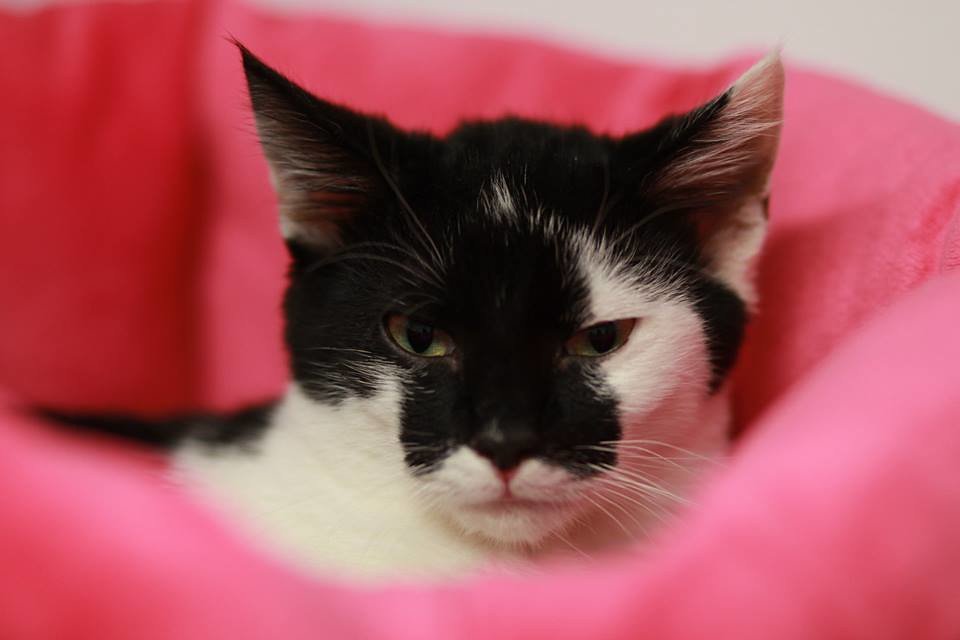
Are you ready to welcome a furry friend into your life? Finding the perfect cat to adopt can bring endless joy and companionship to your home.
But with so many cats looking for a loving family, how do you choose the right one for you? This guide will help you discover everything you need to know about CH cats for adoption—unique, lovable, and waiting just for you.
Keep reading, and you might just find your new best friend today.
Why Choose A Cat For Adoption
Choosing a cat for adoption is a kind and smart decision. Many cats in shelters wait for loving homes. Adopting gives these cats a second chance. It also brings joy and companionship to your life.
Benefits Of Adopting Over Buying
Adoption saves money on initial costs like vaccinations and spaying. Shelters usually provide health checks for free. Adopted cats have known backgrounds and temperaments. Buying from breeders or pet stores can be costly and risky. Adoption helps reduce the demand for kitten mills and unethical breeding.
Saving A Life And Giving A Home
Every adopted cat is one less in a crowded shelter. Many cats face euthanasia due to lack of space. Giving a home means saving a precious life. Cats from shelters often show gratitude and love. You create a safe, warm place for a cat to thrive.
Supporting Animal Shelters
Adoption fees help shelters care for other animals. Shelters use funds for food, medical care, and shelter improvements. Supporting shelters helps more cats find homes. It promotes better animal welfare in your community. Your choice encourages kindness and responsibility towards animals.
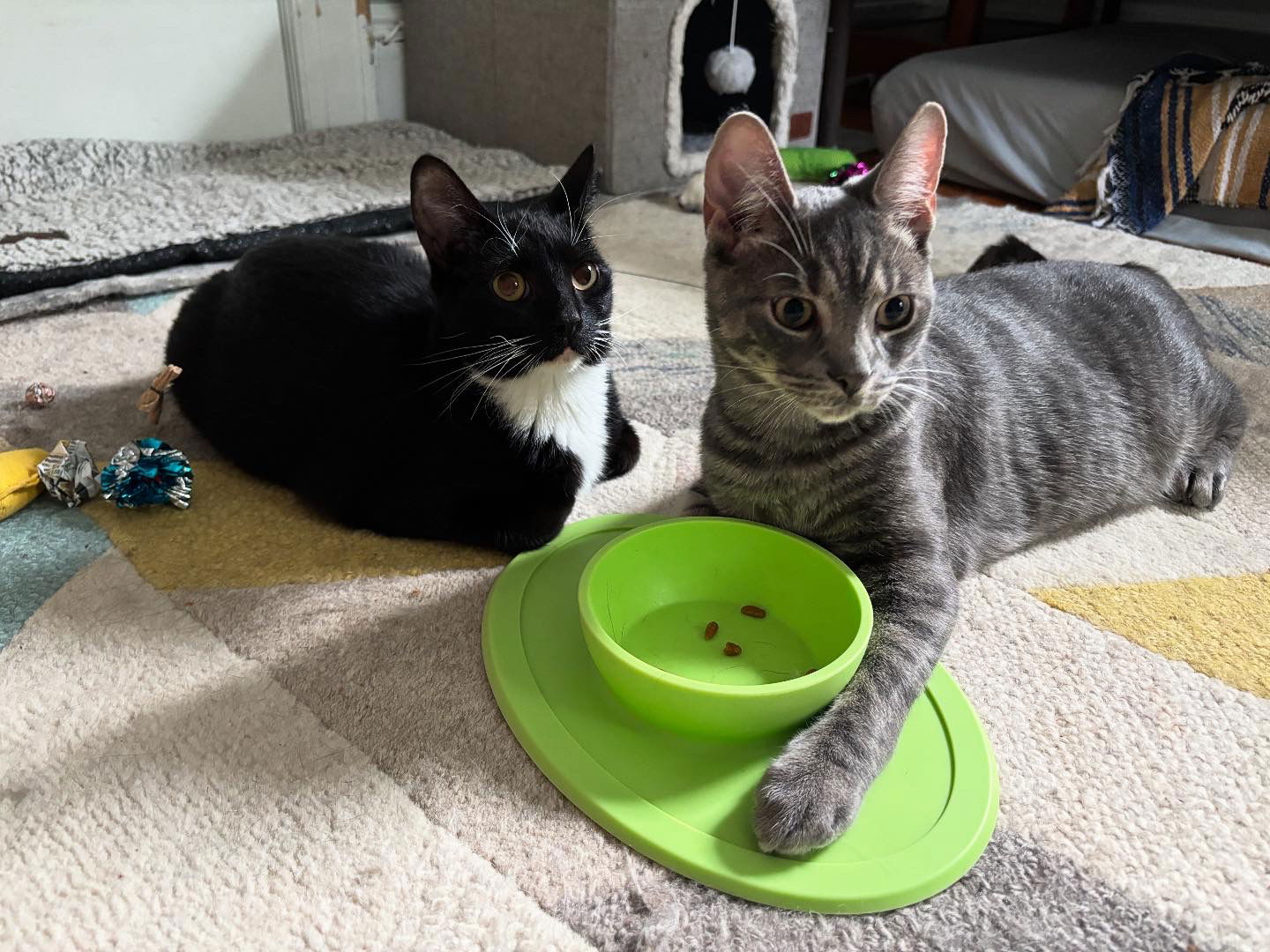
Credit: www.nycatcoal.org
Types Of Cats Available For Adoption
When you look into cats available for adoption, you’ll find a rich variety of options that can fit your lifestyle and personality perfectly. Understanding the types of cats out there helps you make a choice you won’t regret. From playful kittens to wise seniors, each cat brings something unique to your home.
Different Breeds And Personalities
Cat breeds often come with distinct traits and temperaments. For example, Siamese cats are known for being vocal and social, while Maine Coons tend to be gentle giants who enjoy cuddles. But remember, mixed breed cats can surprise you with a blend of wonderful qualities.
Think about what personality fits your daily rhythm. Do you want an active cat who loves to explore, or a calm companion who enjoys quiet afternoons? Visiting shelters and interacting with cats can reveal their true nature beyond breed descriptions.
Age Groups: Kittens To Seniors
Kittens are adorable and full of energy, but they need patience and time for training and socializing. Young adult cats usually have a balance of playfulness and independence, making them great for busy households. Senior cats often have calmer personalities and can be perfect if you’re seeking a low-maintenance companion.
Have you considered how much time and attention you can give? Older cats might be overlooked but often offer deep affection and gratitude. Adopting a senior cat can be a rewarding experience that changes both your lives.
Special Needs Cats
Some cats require extra care due to health issues or disabilities. These special needs cats might have conditions like diabetes, missing limbs, or require medication. While they need more commitment, they also show incredible resilience and love.
Are you ready to provide that extra love and care? Adopting a special needs cat can deepen your connection and bring a unique sense of fulfillment. Shelters often provide support and advice to help you succeed in this journey.
How To Find Cats For Adoption
Finding cats for adoption can be a joyful journey. Many cats need loving homes, and there are simple ways to meet them. Several places and events offer chances to adopt a cat that fits your lifestyle and personality. Explore these options to find your new furry friend.
Local Animal Shelters And Rescue Groups
Animal shelters and rescue groups near you often have cats waiting for adoption. These organizations care for cats of all ages and breeds. Visiting a shelter lets you meet cats in person. Staff members can help match you with a cat that suits your home. Shelters also provide important health information about each cat.
Online Adoption Platforms
Many websites list cats available for adoption from various locations. These platforms allow you to search by age, size, and breed. Photos and descriptions help you learn about each cat’s personality. Some websites offer video calls to meet cats virtually. Online platforms make it easy to explore many options from home.
Community Events And Adoption Drives
Adoption events happen regularly in community centers, parks, or pet stores. These drives bring together many cats and rescue groups. Attending an event gives you a chance to interact with several cats at once. Volunteers can answer questions and guide you through the adoption process. These events often celebrate animals and promote responsible pet ownership.
Preparing For Your New Cat
Bringing a new cat home is exciting and full of joy. Proper preparation helps your cat settle quickly. It creates a smooth transition into their new life. Planning ahead reduces stress for both you and your pet.
Every cat has unique needs. Understanding these needs ensures you provide the best care. Start by gathering the right supplies and setting up a safe environment. Then, prepare your family for the new member.
Essential Supplies And Equipment
Prepare these basics before your cat arrives:
- Litter box and cat litter
- Food and water bowls
- Cat food suitable for their age
- Comfortable bed or blanket
- Scratching post or pad
- Toys for play and stimulation
- Carrier for safe transport
Keep items clean and in good condition. These essentials create a welcoming space for your cat.
Creating A Safe Space At Home
Choose a quiet room for your new cat. This space should be calm and free from loud noises. Remove hazards like toxic plants and small objects. Check windows and doors to prevent escapes. Provide hiding spots to help your cat feel secure. A small, safe area helps them adjust more easily.
Introducing Your Cat To The Family
Introduce your cat slowly to family members. Let them approach the cat calmly and quietly. Teach children gentle handling and respect for the cat’s space. Avoid overwhelming your cat with too many people at once. Allow your cat to explore the home at their own pace. Gradual introductions build trust and comfort.
Adoption Process And Tips
The adoption process for cats involves several important steps. Understanding these steps helps make the experience smooth and positive. Preparing ahead ensures you find the right feline friend for your home. The tips below guide you through the key moments of adopting a cat.
Application And Screening
Start by filling out an adoption application. This form asks about your lifestyle, home, and pet experience. Shelters use it to match cats with suitable families. Expect questions about your living arrangements and other pets. This step ensures the cat’s safety and happiness.
Screening may include a phone interview or home visit. These checks confirm you can care for the cat well. Being honest and thorough speeds up the process.
Meeting Your Potential Cat
Visit the shelter or adoption center to meet cats. Observe their behavior and personality. Spend time playing or sitting quietly near them. This helps you see if the cat fits your lifestyle.
Ask staff about the cat’s health and habits. Notice how the cat reacts to you and others. Choose a cat that feels comfortable and friendly.
What To Expect During Adoption
Once approved, you will complete adoption paperwork. Pay any required fees that cover vaccinations and care. The shelter will provide medical records and care instructions.
Prepare your home before bringing the cat home. Set up a quiet space with food, water, and a litter box. The first days are important for the cat’s adjustment.
Expect a transition period as the cat gets used to new surroundings. Patience and gentle care will build trust and friendship.
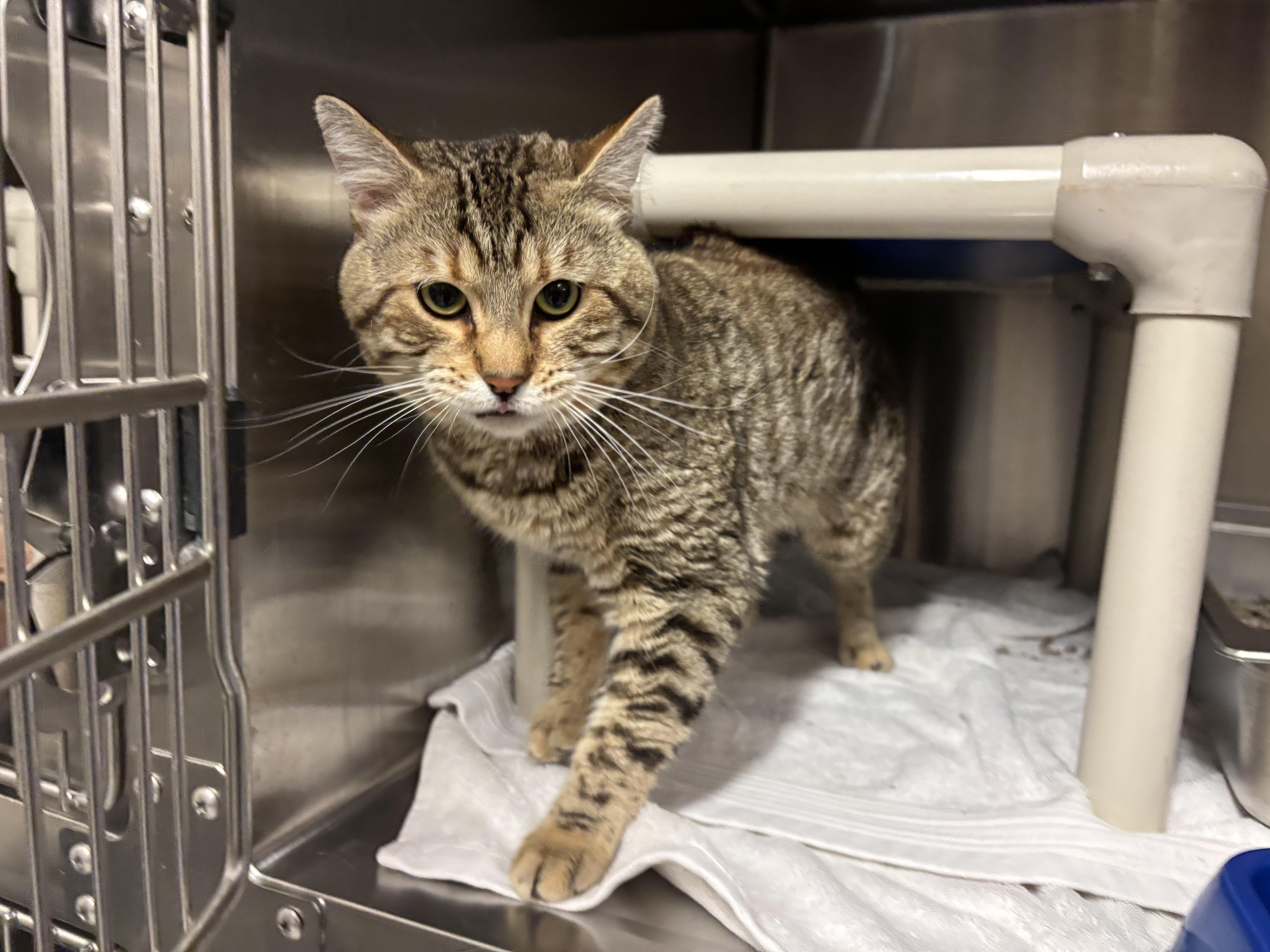
Credit: www.petfinder.com
Caring For Your Adopted Cat
Adopting a cat is just the beginning of a rewarding journey. Caring for your new feline friend means understanding their needs and creating a safe, loving environment. Your attention to their nutrition, behavior, and emotional well-being will shape a happy and healthy life together.
Nutrition And Health Care
Your adopted cat’s diet plays a crucial role in their overall health. Choose high-quality cat food that matches their age, weight, and any special health conditions. Cats are obligate carnivores, so protein-rich meals are essential.
Regular vet visits are non-negotiable. Schedule vaccinations, flea control, and dental checks to prevent common health issues. Keep an eye on sudden changes in appetite or energy—they could signal problems.
Have you noticed how some cats prefer wet food while others thrive on dry? Observing these preferences helps you tailor their diet effectively.
Behavior And Training
Understanding your cat’s behavior can save you frustration and deepen your connection. Cats communicate through body language and vocalizations—learning these signals is key. For example, a flicking tail often means agitation, while slow blinking shows trust.
Training isn’t just for dogs. You can teach your cat simple commands and discourage unwanted habits like scratching furniture. Use positive reinforcement like treats and praise to encourage good behavior.
Think about how your cat reacts to new environments or people. Patience and consistency help them adjust smoothly without stress.
Building A Lasting Bond
Trust takes time, especially with adopted cats who may have faced uncertainty before. Spend quiet moments together, letting your cat approach you on their own terms. Gentle petting and play sessions are great ways to strengthen your bond.
Creating routines provides comfort and predictability. Feeding at the same times daily and having regular playtimes shows your cat they can rely on you.
Ask yourself: what unique quirks does your cat have? Embracing their personality helps you build a relationship that lasts a lifetime.

Credit: www.fofrescue.org
Frequently Asked Questions
What Are Ch Cats?
Cerebellar Hypoplasia (CH) cats have a neurological condition affecting balance and coordination. They often display wobbly movements. Despite their condition, CH cats are not in pain and can lead fulfilling lives. They require a safe, supportive environment and are known for their endearing personalities and resilience.
Are Ch Cats Good Pets?
Yes, CH cats make wonderful pets. They are known for their affectionate and playful nature. With proper care and a safe environment, they thrive in loving homes. Their unique challenges often lead to strong bonds with their owners, making them cherished companions.
How Can I Adopt A Ch Cat?
To adopt a CH cat, contact local shelters or rescue organizations. Many have special needs adoption programs. Websites like Petfinder also list CH cats available for adoption. Ensure your home is safe for them, and prepare for a rewarding experience with a loving companion.
What Care Do Ch Cats Need?
CH cats require a safe, obstacle-free environment to prevent falls. They may need assistance with litter box use. Regular vet visits are essential to monitor their health. Providing stable surfaces and non-slip mats can help them navigate their surroundings with ease.
Conclusion
Ch cats for adoption bring joy and love to any home. They need care, warmth, and a safe place to live. Adopting helps save lives and gives cats a fresh start. Many cats wait patiently for someone to choose them.
Think about the happiness a cat can bring to you. Open your heart and home to a furry friend today. Small steps can make a big difference for these cats. A new companion is just a visit away.
