


If your cat struggles with tummy troubles, you know how tough it is to find the right food that keeps them happy and healthy. Purina Cat Food Sensitive Stomach is designed with your cat’s unique needs in mind.
Imagine giving your furry friend meals that soothe their digestive system and boost their energy. You’ll discover why this special formula could be the answer to your cat’s sensitive stomach issues—and how it can bring comfort back to your pet’s daily routine.
Keep reading to learn how to make mealtime stress-free for both you and your cat.
Purina Cat Food Sensitive Stomach Benefits
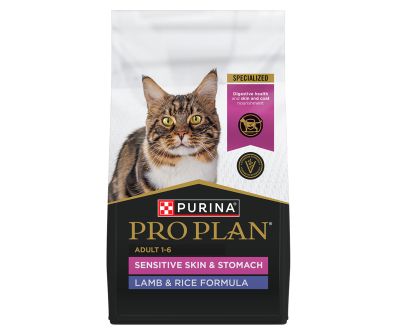
Purina Cat Food Sensitive Stomach offers targeted benefits for cats with delicate digestion. It provides balanced nutrition designed to ease stomach issues and improve overall health. Cats with sensitive stomachs need food that is gentle yet complete. This formula helps maintain digestive comfort and supports daily energy needs.
Key Ingredients For Digestion
- Highly digestible proteins reduce digestive strain.
- Rice and oatmeal provide gentle fiber for smooth digestion.
- Natural prebiotics promote healthy gut bacteria balance.
- Essential vitamins and minerals support immune function.
Nutritional Profile
| Nutrient | Benefit |
|---|---|
| Protein | Supports muscle maintenance and repair. |
| Fat | Provides energy and aids nutrient absorption. |
| Fiber | Helps regulate digestion and stool quality. |
| Vitamins & Minerals | Boost overall health and vitality. |
How It Supports Gut Health
Purina Sensitive Stomach food nurtures the digestive tract. It soothes the stomach lining and reduces irritation. Prebiotics feed good bacteria to enhance digestion. Proper nutrient absorption improves nutrient delivery to cells. This support helps reduce digestive upset and discomfort. Cats feel better and show more energy.
Credit: www.proplanvetdirect.com
Common Causes Of Cat Stomach Sensitivity
Cats with sensitive stomachs often face discomfort and digestive issues. Understanding the common causes helps manage their diet and health better. Stomach sensitivity in cats can stem from several factors. These include what they eat, allergies, and their environment.
Dietary Triggers
Some foods can upset a cat’s stomach easily. Rich, fatty, or spicy foods often cause problems. Sudden changes in diet may also lead to sensitivity. Low-quality ingredients or fillers might irritate the digestive system. Cats need gentle, balanced meals to avoid these triggers.
Food Allergies And Intolerances
Cats can develop allergies to certain proteins or grains. Common allergens include beef, chicken, dairy, and wheat. Food intolerances differ from allergies but also cause stomach upset. Symptoms include vomiting, diarrhea, and gas. Identifying and avoiding these foods is crucial for comfort.
Environmental Factors
Stress and changes in the environment can affect a cat’s digestion. Moving to a new home or loud noises may cause upset stomachs. Poor hygiene or contaminated food and water can also trigger sensitivity. Keeping a calm and clean space helps maintain their digestive health.
Choosing The Right Formula
Choosing the right Purina Cat Food Sensitive Stomach formula ensures your cat feels comfortable and healthy. Cats with sensitive stomachs need special care in their diet. Selecting the perfect formula supports digestion and nutrient absorption. This helps avoid discomfort and keeps your cat active and happy.
Wet Vs. Dry Options
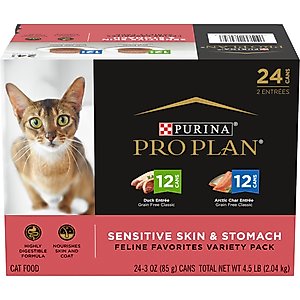
Wet food contains more moisture, helping cats stay hydrated. It is softer and easier to digest for sensitive stomachs. Dry food is crunchy and helps clean teeth. It lasts longer and is convenient for free feeding. Both types offer balanced nutrition for sensitive cats. Choose based on your cat’s preference and lifestyle.
Flavor Varieties
Purina offers many flavors to satisfy picky eaters. Chicken, turkey, and fish are common choices. Variety helps prevent boredom and encourages regular eating. Try different flavors to find your cat’s favorite. Avoid sudden changes to prevent stomach upset. Introduce new flavors gradually for best results.
Age And Breed Considerations
Kittens, adults, and senior cats have different nutritional needs. Purina formulas cater to each life stage for balanced health. Some breeds may have unique sensitivities or preferences. Consult your vet to choose formulas suited for your cat’s breed. Age and breed impact digestion and nutrient needs.
Credit: www.chewy.com
Feeding Tips For Sensitive Cats
Feeding a cat with a sensitive stomach requires careful attention and a thoughtful approach. Your cat’s digestion can react strongly to sudden changes or inappropriate food portions. With the right feeding tips, you can help your feline friend stay comfortable and healthy while enjoying their meals.
Transitioning Diets Safely
Switching your cat to Purina Cat Food Sensitive Stomach should be done gradually. Start by mixing a small amount of the new food with their current diet. Over 7 to 10 days, slowly increase the new food while decreasing the old one.
This slow change helps prevent stomach upset and allows your cat’s digestive system to adjust. Have you noticed any sudden reactions when changing your cat’s food before? Taking it slow can make a big difference.
Portion Control
Feeding the right amount is crucial for sensitive cats. Overfeeding can cause digestive problems, while underfeeding might leave them hungry and stressed. Use the feeding guidelines on the Purina packaging as a starting point.
Adjust portions based on your cat’s weight, age, and activity level. Measuring food with a scoop or cup ensures consistency. Have you tried tracking your cat’s portions to see if it affects their digestion?
Monitoring Cat’s Response
Watch your cat closely after introducing the new food. Look for signs like vomiting, diarrhea, or changes in appetite. Keep a daily log to note any reactions and their timing.
This practice helps you identify if the food suits your cat or if adjustments are needed. Have you considered keeping a food diary for your cat’s sensitive stomach? It can be a helpful tool for spotting patterns and discussing with your vet.
Customer Reviews And Expert Opinions
Customer reviews and expert opinions offer valuable insights on Purina Cat Food Sensitive Stomach. They reveal how this food performs in real life. These perspectives help pet owners decide if it suits their cat’s needs.
Many cat owners share their experiences with this formula. Experts provide professional evaluations based on nutrition and digestion support. Together, these views create a clearer picture of the product’s benefits and limits.
Success Stories
- Several customers report reduced stomach upset in their cats.
- Cats show improved digestion and fewer vomiting episodes.
- Some notice better stool quality and less gas.
- Owners appreciate the gentle ingredients that calm sensitive tummies.
- Many mention their cats enjoy the taste and eat eagerly.
Veterinarian Recommendations
- Veterinarians often suggest this food for cats with digestive issues.
- The formula’s balanced nutrients support overall gut health.
- Experts highlight the limited ingredients to avoid allergens.
- Many vets recommend trying this food before prescription diets.
- They advise monitoring cats closely for individual reactions.
Potential Drawbacks
- Some cats may not respond well to the formula.
- Occasional reports mention picky eaters rejecting the food.
- The price can be higher than regular cat foods.
- Not all sensitive stomach problems improve quickly with this diet.
- Transitioning too fast may cause temporary digestive upset.
Alternative Solutions For Sensitive Stomachs
If Purina Cat Food Sensitive Stomach isn’t meeting your cat’s needs, there are other ways to support your feline friend’s digestive health. Sensitive stomachs can be tricky, and sometimes switching up the diet or adding certain supplements can make a big difference. Let’s look at some alternative solutions that might work better for your cat.
Homemade Diets
Preparing a homemade diet lets you control exactly what your cat eats. You can avoid common irritants like grains, artificial additives, or certain proteins that might upset their stomach. Many pet owners notice improvements after switching to simple meals with ingredients like boiled chicken, rice, and pumpkin.
Have you tried cooking for your cat before? Even a few home-cooked meals each week can help you spot which foods trigger issues. Just make sure to consult your vet to ensure the diet covers all essential nutrients.
Other Commercial Brands
Not all sensitive stomach formulas are created equal. Some brands use novel protein sources like duck or venison, which might be easier on your cat’s digestion. Others focus on grain-free or limited ingredient recipes to reduce allergens.
Brands such as Hill’s Science Diet, Blue Buffalo Basics, and Natural Balance offer options designed for sensitive stomachs. Trying different formulas can help you find the one your cat tolerates best. Are you open to experimenting with different brands to see what suits your cat’s unique needs?
Supplements And Probiotics
Adding supplements can improve your cat’s gut health and reduce digestive upset. Probiotics introduce good bacteria that help balance the digestive system. Many cat owners report fewer stomach issues after adding a probiotic supplement to their cat’s routine.
Other supplements like digestive enzymes or omega-3 fatty acids may also help reduce inflammation and improve nutrient absorption. Always check with your vet before starting supplements, as the right choice depends on your cat’s specific condition and health.

Credit: www.amazon.com
Frequently Asked Questions
What Makes Purina Cat Food Suitable For Sensitive Stomachs?
Purina cat food for sensitive stomachs contains easily digestible ingredients. It supports digestive health and reduces stomach upset. The formula is gentle and promotes nutrient absorption. It often includes prebiotics and fiber to aid digestion.
How Does Purina Cat Food Help With Digestive Issues?
Purina cat food helps by soothing the digestive tract. It reduces inflammation and supports gut health. The balanced nutrients prevent common stomach problems. Regular feeding can improve your cat’s digestion and overall well-being.
Is Purina Sensitive Stomach Cat Food Safe For All Cats?
Yes, Purina sensitive stomach cat food is safe for most cats. However, consult your vet if your cat has specific allergies or conditions. It is designed to be gentle and nutritious for cats with digestive sensitivities.
Can Purina Cat Food Improve My Cat’s Stool Quality?
Purina sensitive stomach cat food often improves stool consistency. Its fiber content supports healthy digestion and regular bowel movements. This helps reduce diarrhea and constipation in cats with sensitive stomachs.
Conclusion
Purina Cat Food Sensitive Stomach helps cats feel better. It uses gentle ingredients that are easy to digest. Cats with upset stomachs often find relief with this food. Feeding your cat right supports their health and happiness. Choosing food made for sensitive stomachs can reduce discomfort.
Trusting a brand with a good reputation matters. Your cat deserves food that cares for their needs. This option offers a simple way to help your pet. Keep your cat’s tummy calm and their spirit bright.
