

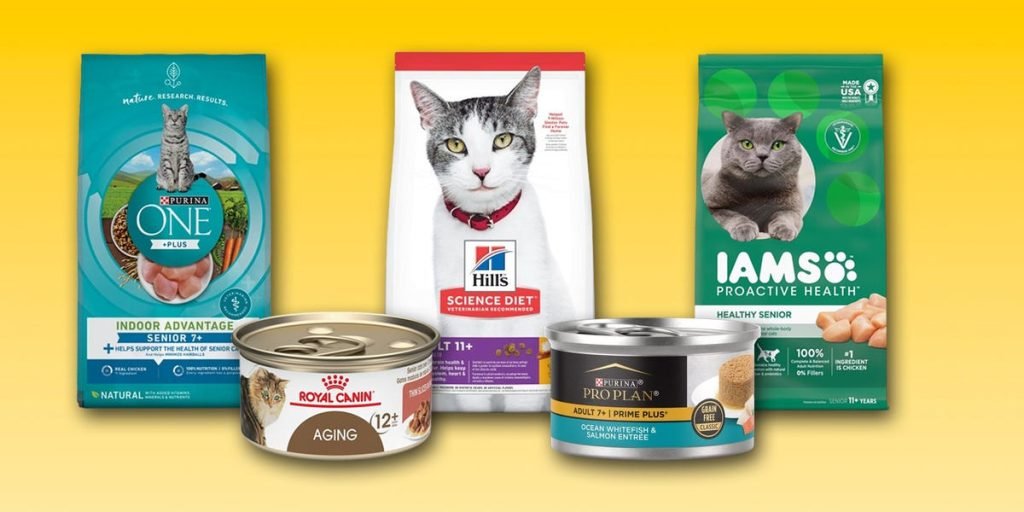
As your cat grows older, their needs change—and that includes what they eat. You want to give your senior cat the best food to keep them healthy, happy, and full of energy.
But with so many options out there, how do you choose the right one? This guide will help you understand exactly what your aging feline needs in their diet and how to make smart food choices that support their well-being.
Keep reading to discover simple tips and expert advice that can make a big difference in your cat’s golden years.

Credit: www.mondou.com
Nutritional Needs Of Senior Cats
Senior cats need special nutrition to stay healthy and active. Their bodies change, and so do their dietary needs. Proper food supports their aging organs and keeps their energy levels steady. Paying attention to key nutrients helps prevent common health problems in older cats.
Protein Requirements
Protein is essential for muscle maintenance and repair. Senior cats need high-quality protein with all amino acids. This helps prevent muscle loss and supports immune function. Choose foods with animal-based protein like chicken or fish. Avoid low-quality protein from fillers or by-products.
Essential Vitamins And Minerals
Vitamins and minerals support many body functions. Vitamin E and C act as antioxidants to protect cells. B vitamins help with energy and brain health. Calcium and phosphorus keep bones strong. Taurine is crucial for heart and eye health. Balanced amounts ensure seniors get what they need daily.
Hydration Importance
Older cats often drink less water naturally. Dehydration can cause kidney and urinary problems. Wet food helps increase water intake. Fresh water should always be available and changed daily. Proper hydration supports digestion, circulation, and overall health.
Common Health Issues In Older Cats
As cats age, their bodies undergo changes that can lead to various health challenges. Recognizing these common health issues early can help you provide better care and improve your senior cat’s quality of life. Understanding these conditions also guides you in choosing the right food that supports their specific needs.
Kidney Disease
Kidney disease is one of the most frequent health problems in older cats. It often develops slowly, making it hard to notice until the condition worsens. Watch for signs like increased thirst, frequent urination, and weight loss.
Choosing food with controlled protein levels and added omega-3 fatty acids can help reduce kidney strain. Have you noticed your cat drinking more water than usual? This might be a subtle hint to check their kidney health.
Arthritis And Mobility
Arthritis affects many senior cats, causing joint pain and stiffness. This can make your cat less active and reluctant to jump or climb. You might see them favoring one paw or moving slower than before.
Foods rich in omega-3 fatty acids and supplements like glucosamine can support joint health. Encouraging gentle play and providing soft bedding also helps ease their discomfort. How do you ensure your cat stays active despite joint pain?
Dental Problems
Dental issues are common in older cats and can lead to pain and difficulty eating. Look for bad breath, drooling, or reluctance to chew hard food. If untreated, dental disease can affect overall health.
Feeding dental-friendly food and offering dental treats can reduce plaque buildup. Regular veterinary dental check-ups are crucial to catch problems early. Have you checked your cat’s teeth recently?
Choosing The Right Food
Choosing the right food for your senior cat is more than just grabbing the first bag or can you see at the store. As cats age, their nutritional needs shift, and the food you choose can significantly affect their health and happiness. You want to find options that support their changing metabolism, dental health, and sometimes sensitive digestion.
Wet Vs. Dry Food
Wet food offers higher moisture content, which helps keep senior cats hydrated, especially if they don’t drink much water on their own. It’s softer and easier to chew, a big plus if your cat has dental issues. However, dry food is more convenient and can help reduce plaque buildup on teeth.
Think about your cat’s preferences and health. Does your cat enjoy crunching on kibble or prefer something softer? Could adding wet food improve hydration and encourage eating during a less active phase?
Grain-free And Limited Ingredient Diets
Grain-free diets remove common fillers like corn, wheat, and soy, which some believe can cause allergies or sensitivities. Limited ingredient diets focus on fewer components, making it easier to identify and avoid allergens. Both can be beneficial if your cat shows signs of food intolerance, such as itching or digestive upset.
Before switching, consider if your cat has exhibited any sensitivities. Have you noticed any reactions after meals? Consulting your vet about these diets can help you avoid nutrient gaps.
Commercial Vs. Homemade Meals
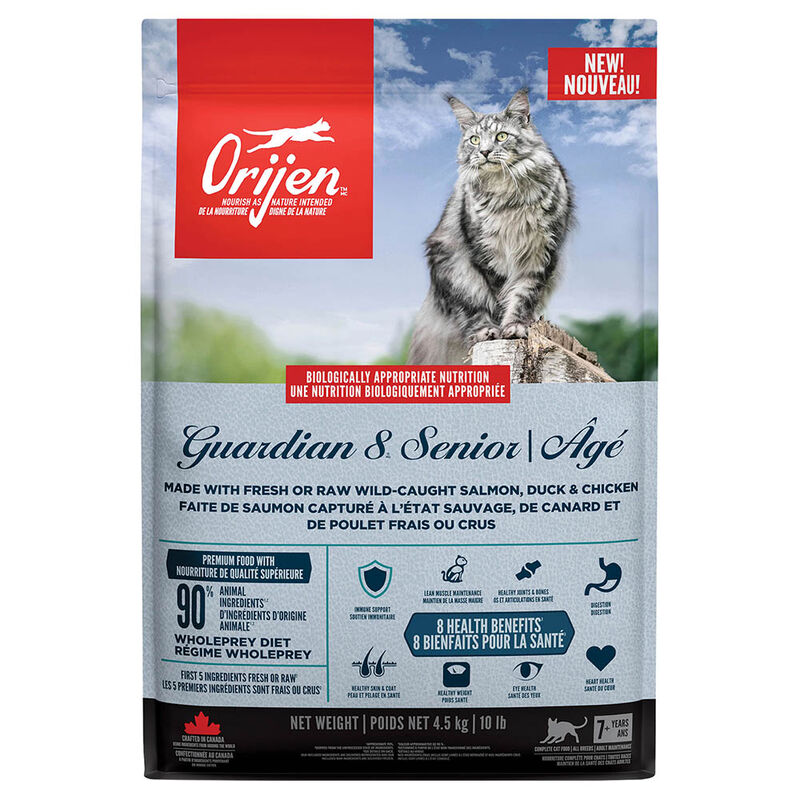
Commercial foods are formulated to meet nutritional standards and are convenient for busy owners. Many senior formulas include added nutrients like omega-3 fatty acids for joint health and antioxidants for immune support. Homemade meals give you control over ingredients, but require careful planning to ensure balanced nutrition.
Are you ready to invest time in preparing balanced meals? You might want to try commercial senior cat foods first, then add homemade treats to see how your cat responds. Always discuss homemade diets with your vet to avoid missing essential nutrients.
Credit: www.renspets.com
Ingredients To Look For
Choosing the right ingredients is key for senior cats’ health. Their bodies need specific nutrients to stay strong and active. Good food supports their joints, digestion, and immune system. Knowing which ingredients matter helps pick the best meals.
High-quality Proteins
Proteins keep muscles healthy and repair tissues. Senior cats benefit from proteins that are easy to digest. Look for animal-based proteins like chicken, turkey, or fish. These provide essential amino acids that cats need daily. Avoid low-quality fillers or plant proteins that offer less nutrition.
Antioxidants And Omega Fatty Acids
Antioxidants protect cells from damage and support the immune system. Vitamins C and E are common antioxidants in cat food. Omega-3 and Omega-6 fatty acids help with skin, coat, and brain health. Ingredients like fish oil or flaxseed are rich in these fats. These nutrients also reduce inflammation and support heart health.
Fiber And Digestive Aids
Fiber helps maintain healthy digestion and regular bowel movements. Senior cats often have slower digestion, so fiber is important. Ingredients like pumpkin, beet pulp, or chicory root provide natural fiber. Probiotics and prebiotics support gut health and nutrient absorption. These aids help keep your cat comfortable and active.
Ingredients To Avoid
Choosing the right food for senior cats is crucial for their health. Some ingredients can cause harm or discomfort as cats age. Avoiding harmful substances helps maintain their energy and well-being.
Senior cats need gentle nutrition that supports aging bodies. Certain additives and fillers can stress their digestion and organs. Understanding what to avoid ensures better food choices.
Artificial Additives
Artificial colors and flavors do not benefit senior cats. These additives may cause allergies or digestive problems. Natural ingredients are safer and easier on aging systems.
Preservatives labeled as artificial can also trigger health issues. Avoid any synthetic dyes or taste enhancers in cat food.
Excessive Fillers
Fillers like corn, wheat, and soy add little nutrition. They bulk up the food but offer few benefits. Senior cats need nutrient-rich meals, not empty fillers.
Too many fillers can cause weight gain or upset stomachs. Choose foods with real meat and minimal grain content for better health.
Harmful Preservatives
Some preservatives extend shelf life but harm cats over time. BHA, BHT, and ethoxyquin are common harmful preservatives. These chemicals may affect liver and kidney functions.
Look for foods preserved with natural antioxidants like vitamin E. These keep food fresh without risking your cat’s health.
Feeding Tips For Senior Cats
Feeding senior cats requires a thoughtful approach to meet their changing nutritional needs. As cats age, their metabolism slows down and their activity levels often drop, so how you feed them can make a big difference in their health and happiness. Paying attention to portion sizes, meal timing, and their weight can help you keep your furry friend comfortable and thriving.
Portion Control
Senior cats don’t need as many calories as younger cats, but they still need balanced nutrition. Overfeeding can lead to obesity, which stresses their joints and organs. Try measuring their food with a standard cup or a kitchen scale to avoid guessing.
Keep an eye on treats and snacks too. It’s easy to give extra calories without realizing it. Have you noticed your cat’s weight creeping up despite feeding the same amount? Adjusting portions might be the key.
Meal Frequency
Older cats often benefit from smaller, more frequent meals rather than one or two large ones. This can improve digestion and prevent blood sugar spikes. If your cat has dental issues, smaller meals are easier to manage.
Try dividing their daily food into three or four portions. This approach helped my own senior cat stay active and eager to eat throughout the day. Have you tried changing your cat’s feeding schedule to see if they respond better?
Monitoring Weight And Appetite
Regularly check your cat’s weight and watch for changes in appetite. Sudden weight loss or gain can signal health problems that need a vet’s attention. Keep a simple chart or note down their weight every couple of weeks.
Pay attention to how eagerly your cat eats. A loss of interest in food is often one of the first signs of illness. Have you noticed any changes in your cat’s eating habits lately? Early detection can make all the difference.
Supplements And Treats
Supplements and treats play a vital role in the diet of senior cats. They help fill nutritional gaps and support aging bodies. Choosing the right supplements and treats can enhance health and comfort. Focus on those that target common senior cat issues.
Joint Support Supplements
Senior cats often face joint pain and stiffness. Supplements with glucosamine and chondroitin help maintain cartilage health. Omega-3 fatty acids reduce inflammation and improve mobility. These supplements can make daily movement easier and more comfortable for older cats.
Dental Health Treats
Dental problems increase with age in cats. Dental treats help reduce plaque and tartar buildup. They also freshen breath and promote gum health. Look for treats designed to clean teeth while the cat chews. This supports a healthy mouth and prevents infections.
Vitamin Boosters
Vitamins support overall health and immune function. Vitamin E and C act as antioxidants, protecting cells from damage. B vitamins help with energy and brain function. Adding vitamin boosters can keep senior cats more active and alert.
Credit: www.purina.com
Transitioning To Senior Cat Food
Transitioning to senior cat food is an important step for aging cats. Their nutritional needs change as they grow older. Senior cat food supports their health with adjusted protein, fat, and vitamins. A smooth transition helps avoid digestive upset and encourages acceptance of the new diet. Careful monitoring during this period ensures your cat stays happy and healthy.
Gradual Diet Changes
Introduce senior cat food slowly over 7 to 10 days. Start by mixing 25% new food with 75% old food. Increase the new food amount every few days. Watch how your cat reacts to the new taste and texture. This gradual change helps the digestive system adjust without stress.
Signs Of Acceptance Or Rejection
Check if your cat eats the new food eagerly. Look for normal energy levels and regular bowel movements. Refusal to eat or vomiting may show rejection. Some cats might take time to get used to the flavor. Patience is key during this transition phase.
When To Consult A Vet
Contact a vet if your cat refuses food for more than two days. Seek advice if you notice weight loss or unusual behavior. Persistent vomiting or diarrhea requires professional care. Vets can recommend the best senior food and feeding plan. Early help ensures your cat’s health stays on track.
Frequently Asked Questions
What Is The Best Food For Senior Cats?
Senior cats need food rich in protein and low in calories. It should support joint health and be easy to digest. Look for formulas with added antioxidants and vitamins to boost immunity and overall well-being.
How Often Should I Feed My Senior Cat?
Feed senior cats smaller meals 2-3 times daily. This helps maintain stable energy and prevents overeating. Consistent feeding times also support digestion and comfort for aging cats.
Can Senior Cats Eat Dry Food Safely?
Yes, senior cats can eat dry food if it’s specially formulated for their age. Choose kibble that supports dental health and contains balanced nutrients. Always provide fresh water alongside dry food.
Should Senior Cats Have Supplements In Their Diet?
Supplements like omega-3 fatty acids and glucosamine help senior cats. They support joint health, reduce inflammation, and improve coat quality. Consult your vet before adding supplements to your cat’s diet.
Conclusion
Choosing the right food keeps senior cats healthy. Nutrients support their aging bodies. Soft textures help with dental issues. High protein maintains muscle strength. Good fats support brain health. Always consult your vet for specific needs. Fresh water is vital for hydration.
Monitor your cat’s weight regularly. Balanced diet leads to a happy cat. Consider their preferences for better acceptance. Adjust portions as activity levels change. Remember, every cat is unique. Tailor their diet for the best care. Keep them active and engaged daily.
A loving diet ensures they enjoy their golden years.
