

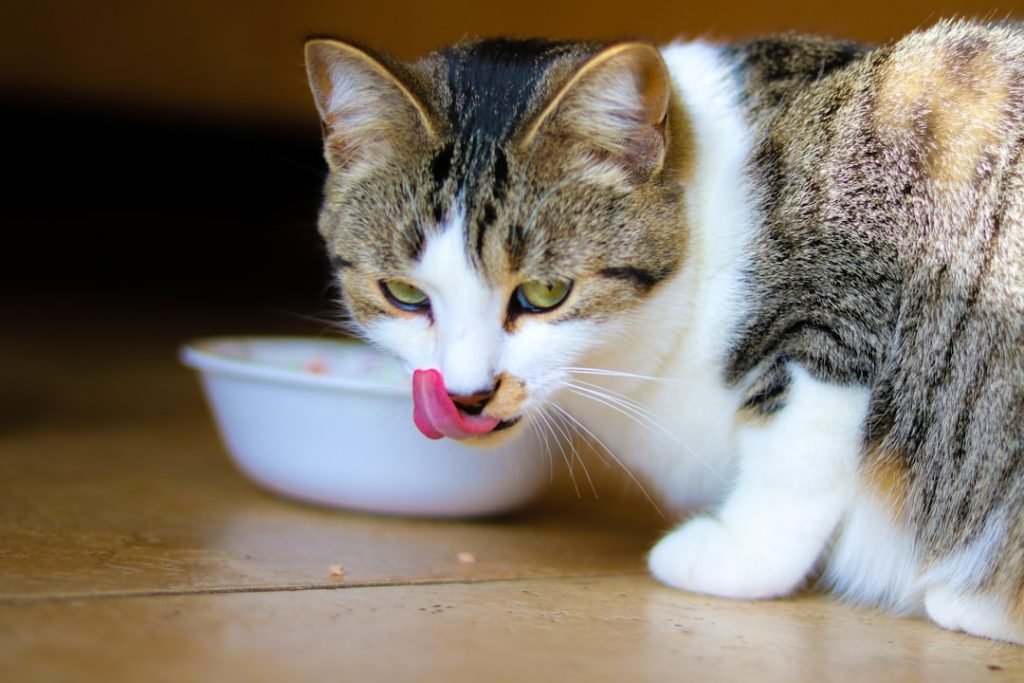
If your cat often struggles with upset stomachs, you know how worrying it can be. Finding the right food to soothe your furry friend’s sensitive tummy isn’t always easy.
But what if you could choose a meal that not only feels gentle on their digestion but also keeps them happy and healthy? You’ll discover exactly what to look for in sensitive stomach cat food, helping you make the best choice for your beloved pet.
Keep reading to learn how to turn mealtime into a comfort zone for your cat.

Credit: www.amazon.com
Causes Of Sensitive Stomachs In Cats
Understanding the causes of sensitive stomachs in cats is key to choosing the right food and care. Cats with digestive issues often face discomfort that affects their mood and health. Identifying what triggers these problems helps you provide better support and prevent ongoing upset.
Common Symptoms To Watch
Keep an eye on your cat’s behavior and physical signs. Symptoms like frequent vomiting, diarrhea, or constipation can indicate stomach sensitivity. You might also notice your cat eating less or showing signs of abdominal pain.
Watch for changes in stool consistency and smell. Excessive gas, bloating, or sudden weight loss are red flags. These symptoms don’t always mean a sensitive stomach, but they do warrant a vet visit.
Dietary Triggers
Diet plays a huge role in causing stomach troubles for cats. Ingredients like dairy, grains, or certain proteins may not agree with your cat’s digestive system. Sometimes, additives or preservatives in commercial foods can also cause irritation.
Have you noticed your cat reacting after eating certain foods? Sudden diet changes often lead to upset stomachs. It’s best to introduce new foods slowly and watch for any negative reactions.
Environmental Factors
Stress and changes in your cat’s environment can affect their digestion. Moving to a new home, loud noises, or new pets can trigger stomach sensitivity. Stress can cause your cat to eat less or vomit more often.
Parasites and infections from the environment also contribute to digestive issues. Regular vet check-ups and keeping your cat’s space clean can help reduce these risks. How do you manage your cat’s environment to keep them calm and healthy?
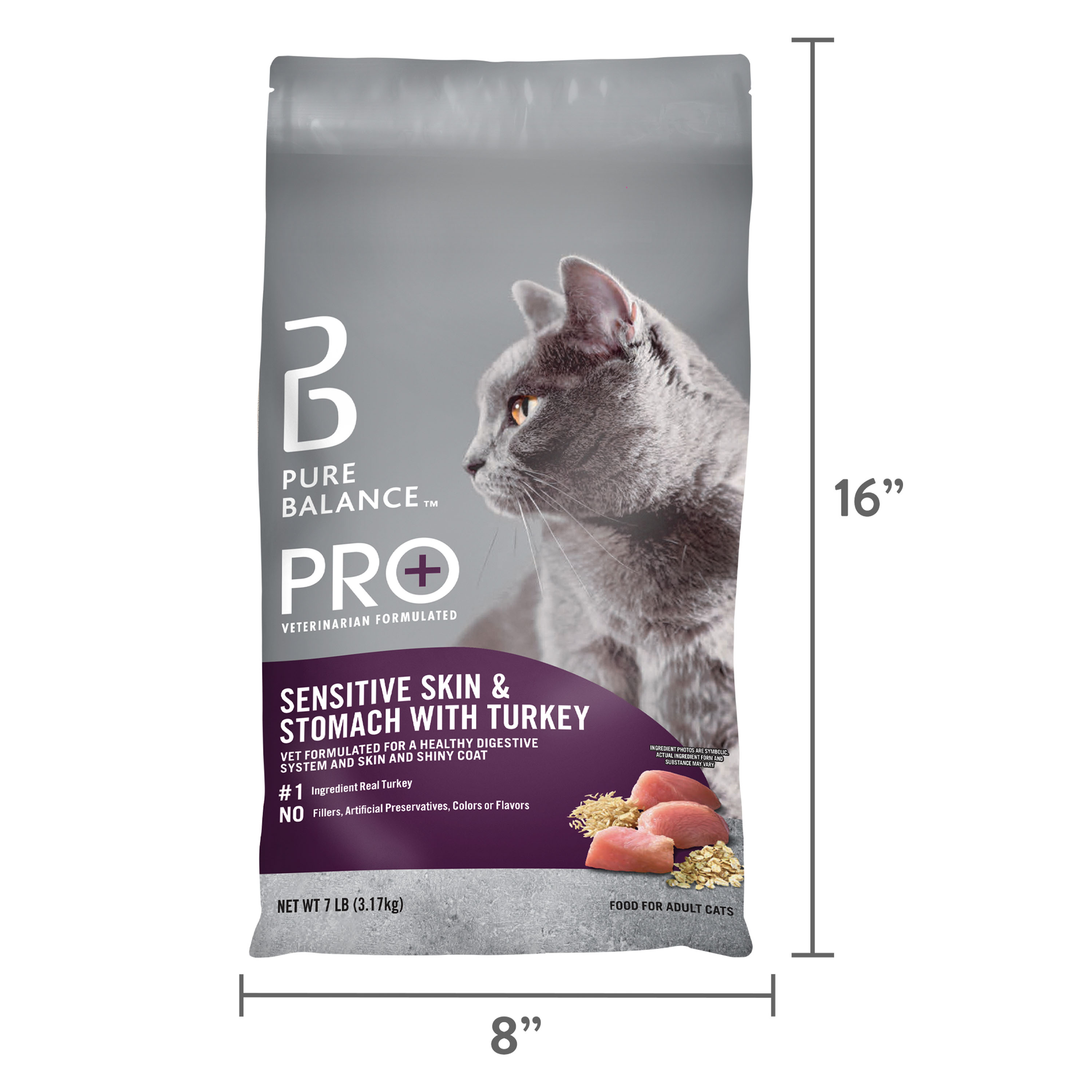
Credit: www.walmart.com
Key Ingredients For Sensitive Stomach Cat Food
Choosing the right ingredients is crucial for cats with sensitive stomachs. The food should support easy digestion and reduce the risk of upset. Ingredients must be gentle yet nutritious to keep your cat healthy and happy.
Here are some key ingredients that make sensitive stomach cat food effective and safe.
Easily Digestible Proteins
Proteins from sources like chicken, turkey, or fish are easier for cats to digest. These proteins reduce stress on the digestive system. Hydrolyzed proteins are broken down into smaller parts, helping cats absorb nutrients better. Avoiding complex or mixed proteins can prevent allergic reactions and stomach upset.
Limited Ingredient Formulas
Limited ingredient foods contain fewer components, which lowers the chance of food intolerance. They focus on one protein and one carbohydrate source to keep things simple. This approach helps identify and avoid specific ingredients that cause problems. Limited formulas often exclude common allergens like corn, wheat, and soy.
Natural Fiber Sources
Fiber helps regulate digestion and supports healthy gut bacteria. Ingredients like pumpkin, sweet potato, or beet pulp are gentle natural fibers. These fibers improve stool quality and prevent constipation or diarrhea. Natural fibers also slow down digestion for better nutrient absorption.
Top Cat Food Brands For Sensitive Stomachs
Choosing the right food for cats with sensitive stomachs requires careful thought. Some brands specialize in gentle ingredients that support digestion and reduce upset. These brands offer various options, from dry kibble to wet meals, designed to meet different cats’ needs. Quality ingredients and balanced nutrition help maintain your cat’s health and comfort.
Premium Dry Food Options
- Hill’s Science Diet Sensitive Stomach & Skin: Contains easily digestible ingredients and added fiber.
- Blue Buffalo Sensitive Stomach: Features real meat and wholesome grains with no artificial additives.
- Natural Balance L.I.D. Limited Ingredient Diets: Focuses on simple recipes with few ingredients to reduce allergies.
Wet Food Choices
- Royal Canin Digest Sensitive: Offers a balanced wet formula that soothes the digestive tract.
- Wellness CORE Grain-Free: High protein content with natural ingredients supports sensitive digestion.
- Instinct Limited Ingredient Diet: Grain-free wet food with a single animal protein source.
Grain-free Alternatives
- Merrick Grain-Free: Uses novel proteins and excludes grains to ease stomach sensitivity.
- Canidae Pure Grain-Free: Small ingredient list with real meat and vegetables for gentle digestion.
- Nutro Grain-Free: Free from corn, wheat, and soy, focusing on natural ingredients.

Credit: www.amazon.com
Homemade Diets For Sensitive Cats
Creating a homemade diet for your sensitive stomach cat can be a rewarding experience. It allows you to control exactly what goes into your cat’s meals, helping to avoid triggers and improve digestion. However, it’s important to approach this carefully to ensure your cat stays healthy and happy.
Safe Ingredients To Use
Choosing the right ingredients is crucial. Focus on lean proteins like chicken, turkey, or fish, which are usually gentle on sensitive stomachs.
Add easily digestible carbohydrates such as rice or sweet potatoes. Avoid common allergens like dairy, grains such as wheat, and artificial additives.
- Boiled chicken or turkey (skinless and boneless)
- Cooked white rice or sweet potatoes
- Small amounts of pumpkin for fiber
- Fish like salmon or whitefish, cooked thoroughly
Balanced Nutrition Tips
It’s not enough to just pick safe foods; your cat’s diet needs to be balanced. Cats require a high amount of protein and certain nutrients like taurine, which you won’t find in plants.
You might need to add supplements such as taurine, omega-3 fatty acids, and vitamins to cover all nutritional bases. A vet consultation or guidance from a pet nutritionist can help you create a proper recipe.
- Maintain a high protein to carbohydrate ratio
- Include essential fatty acids for coat and skin health
- Consider a multivitamin designed for cats if unsure
Avoiding Common Mistakes
One of the biggest mistakes is feeding homemade meals without proper balance, which can lead to nutrient deficiencies. Another is sudden diet changes; always introduce new foods gradually to avoid upsetting your cat’s stomach.
Don’t rely solely on homemade food without regular vet check-ups. Regular monitoring helps catch any health issues early and ensures your cat thrives on their custom diet.
- Don’t skip essential supplements
- Introduce new foods slowly over 7-10 days
- Consult your vet before making major diet changes
Feeding Tips For Sensitive Cats
Feeding cats with sensitive stomachs requires extra care and attention. Their digestive systems can be delicate, so proper feeding habits help keep them healthy. Choosing the right food is only part of the process. How you feed your cat matters too. Small changes can make a big difference in their comfort and wellbeing.
Gradual Food Transitions
Switch cat food slowly over 7 to 10 days. Mix new food with old food in increasing amounts. Start with 25% new food and 75% old food. Gradually shift to 50/50, then 75/25, and finally 100% new food. This slow change helps the cat’s stomach adjust. It reduces the risk of vomiting or diarrhea.
Meal Frequency And Portions
Feed smaller meals more often throughout the day. This eases digestion and prevents stomach upset. Divide the daily food amount into 3 to 4 portions. Avoid letting your cat eat too much at once. Overfeeding can cause discomfort and indigestion. Consistent meal times keep their digestive system steady.
Monitoring Cat’s Response
Watch closely for signs of stomach trouble. Look for vomiting, diarrhea, or changes in appetite. Note any changes in stool quality or smell. Keep a feeding diary to track food types and reactions. If problems persist, consult your vet promptly. Early detection helps manage sensitive stomachs better.
When To See A Vet
Knowing when to see a vet about your cat’s sensitive stomach can make all the difference. Some symptoms might look minor but could indicate something serious. Trust your instincts and act promptly to keep your feline friend comfortable and healthy.
Persistent Symptoms
If your cat shows ongoing issues like vomiting, diarrhea, or loss of appetite for more than a few days, it’s time to consult a vet. Occasional tummy troubles happen, but persistent signs suggest the problem needs professional care. Don’t wait for symptoms to worsen; early intervention can prevent complications.
Allergy Testing Options
When food allergies are suspected, your vet can recommend tests to identify specific triggers. These tests might include blood work or elimination diets. Understanding exactly what causes your cat’s discomfort helps tailor the best food choices and avoid unnecessary ingredients.
Specialized Dietary Plans
A vet can design a dietary plan that fits your cat’s unique needs. This may involve hypoallergenic foods or prescription diets rich in easily digestible ingredients. Following a vet-approved plan ensures your cat gets balanced nutrition without upsetting their stomach.
Frequently Asked Questions
What Causes Sensitive Stomachs In Cats?
Sensitive stomachs in cats often result from food allergies, infections, or sudden diet changes. Stress and underlying health issues may also contribute to digestive problems. Identifying the cause helps choose the right cat food to improve digestion and overall health.
Which Ingredients Are Best For Sensitive Stomach Cat Food?
Ingredients like easily digestible proteins, rice, pumpkin, and probiotics are ideal. Avoid fillers, artificial additives, and common allergens like corn or wheat. These components support digestion and reduce stomach upset in sensitive cats, promoting better nutrient absorption and comfort.
How To Transition Cats To Sensitive Stomach Food?
Gradually mix new food with the old over 7-10 days. Start with 25% new food and increase slowly. This reduces digestive upset and helps your cat adjust to the new diet comfortably and safely.
Can Sensitive Stomach Cat Food Improve Digestion?
Yes, specially formulated cat food enhances digestion by using gentle, natural ingredients. It reduces vomiting, diarrhea, and gas, promoting a healthy gut. Such diets support nutrient absorption and overall well-being in cats with sensitive stomachs.
Conclusion
Choosing the right food helps your cat feel better every day. Sensitive stomach cat food can ease digestion and reduce discomfort. Watch your cat’s health and mood for signs of improvement. Healthy eating supports a happy, active life for your pet.
Always consult your vet to find the best food options. Caring for your cat’s tummy shows your love and attention. Small changes can make a big difference in your cat’s well-being. Keep your cat’s needs in mind when picking food.
A gentle diet helps your furry friend enjoy each meal.
