

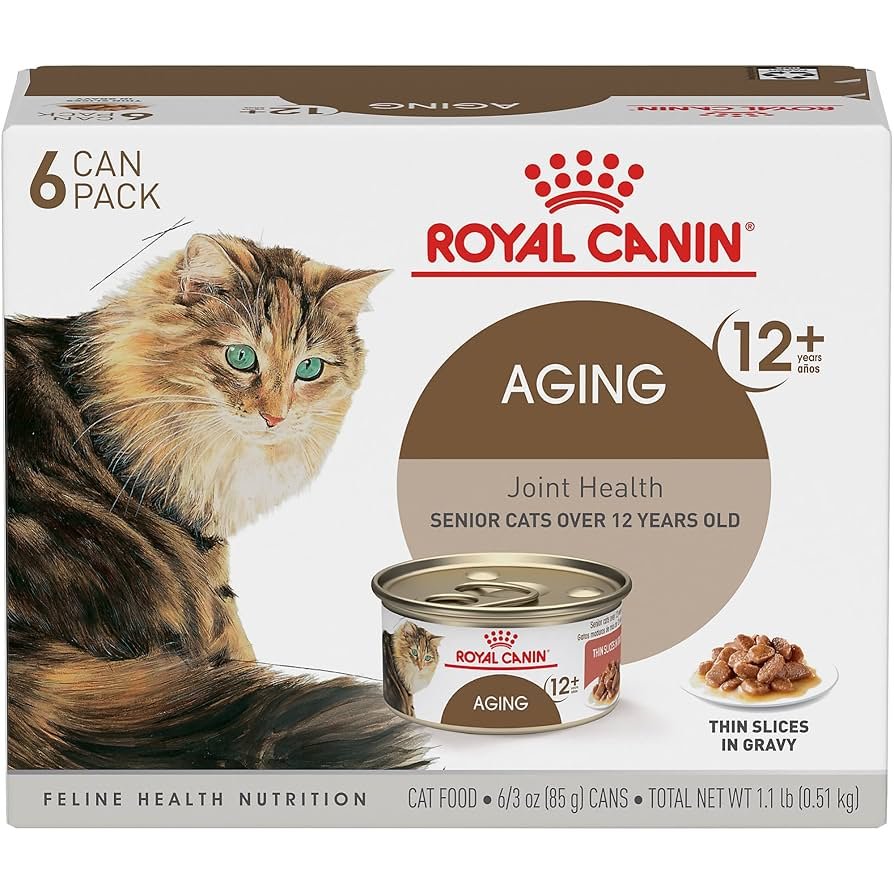
If your cat is getting older, you might have noticed some changes in their energy and health. Choosing the right food for your senior cat is more important than ever.
The right diet can help keep your furry friend active, comfortable, and happy for years to come. You’ll discover exactly what to look for in cat food for older cats and how to make the best choice for your beloved companion.
Keep reading to ensure your cat gets the care and nutrition they deserve as they age.

Credit: www.walmart.com
Nutritional Needs Of Senior Cats
Senior cats have unique dietary needs that differ from younger cats. Aging affects their metabolism, digestion, and overall health. Their diet must support these changes to keep them healthy and active. Proper nutrition helps manage aging symptoms and prevents disease.
Key Nutrients For Aging Cats
Protein remains essential but must be high quality and easy to digest. Older cats need more taurine and omega-3 fatty acids to support heart and brain health. Fiber helps with digestion and prevents constipation. Antioxidants like vitamins E and C protect cells from damage. Calcium and phosphorus support bone strength.
Common Health Challenges
Senior cats often face kidney issues, arthritis, and dental problems. Kidney disease requires controlled protein and phosphorus levels. Arthritis benefits from omega-3s and joint-support nutrients. Dental problems make chewing difficult, so softer food may be necessary. Weight gain or loss is common and needs monitoring.
Calorie Requirements
Older cats usually need fewer calories due to less activity. Overfeeding can lead to obesity and worsen health problems. Underfeeding can cause muscle loss and weakness. Calorie needs vary by cat size, health, and activity. Feeding smaller, frequent meals helps maintain energy levels.
Types Of Cat Food For Older Cats
Choosing the right type of food for your older cat can feel overwhelming. You want something that supports their aging body, keeps them healthy, and suits their taste buds. Older cats often have different nutritional needs and preferences compared to younger cats, so understanding the options helps you make better choices for their wellbeing.
Dry Food Benefits And Drawbacks
Dry food is convenient and easy to store. It often contains more fiber, which can help with digestion and weight management in older cats.
However, dry food usually has less moisture, which might not be ideal if your cat doesn’t drink enough water. This can lead to urinary problems, especially in senior cats. Have you noticed if your cat drinks more when eating dry food?
Wet Food Advantages
Wet food has high moisture content, which supports hydration and kidney health. It’s also softer, making it easier for older cats with dental issues to eat comfortably.
Many cats find wet food tastier, which can encourage better eating habits in picky or less active seniors. But wet food can be more expensive and requires refrigeration once opened. How often do you think your cat needs to eat wet food to stay healthy and happy?
Raw And Homemade Diets
Raw and homemade diets give you full control over ingredients and quality. You can add fresh, natural foods tailored to your cat’s specific needs, such as lean proteins and supplements.
On the downside, these diets need careful planning to avoid nutritional gaps. They also require time and commitment, and improper handling can risk your cat’s health. Would you feel comfortable preparing your cat’s meals regularly to ensure they get the right nutrients?
Top Ingredients For Senior Cat Health
Choosing the right ingredients in cat food can make a big difference for your senior cat’s health. Older cats need nutrients that support their aging bodies, keep their energy up, and maintain a strong immune system. Knowing which ingredients to look for helps you provide the best care through their diet.
Proteins And Amino Acids
Protein is vital for your cat’s muscle maintenance and repair. As cats age, they tend to lose muscle mass, so feeding high-quality animal proteins like chicken, turkey, or fish helps slow this process. Amino acids, especially taurine, are essential because cats can’t produce enough on their own, and taurine supports heart health and vision.
If your cat’s food lacks enough protein or taurine, you might notice decreased energy or weight loss. Have you checked your cat’s label recently to see how much real meat it contains?
Vitamins And Minerals
Vitamins such as A, E, and C act as antioxidants that protect cells from damage. Minerals like calcium and phosphorus are important for strong bones and teeth. Older cats often need balanced levels to avoid issues like arthritis or kidney problems.
- Vitamin A:Supports vision and immune function.
- Vitamin E:Helps reduce inflammation.
- Calcium & Phosphorus:Maintain bone density and joint health.
Have you ever noticed your cat having trouble jumping or playing? These nutrients might help ease those challenges.
Omega Fatty Acids
Omega-3 and Omega-6 fatty acids play a key role in reducing inflammation and improving skin and coat health. Ingredients like fish oil and flaxseed oil add these essential fats to your cat’s diet. They also support brain function, which is crucial as your cat’s cognitive abilities may decline with age.
Including omega fatty acids can make your cat’s coat shinier and softer, and may even reduce stiffness in joints. Would you consider switching to a food rich in these fats to see if your cat becomes more active and comfortable?
Credit: www.burgesspetcare.com
Best Cat Food Brands For Older Cats
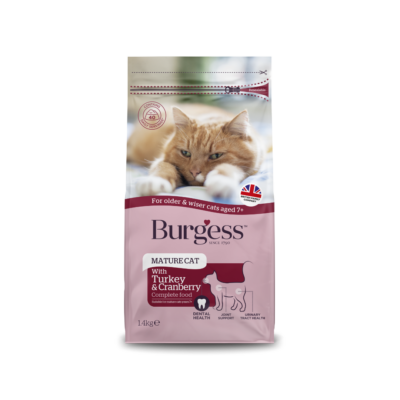
Choosing the best cat food for older cats supports their health and vitality. Senior cats have unique nutritional needs. Their food should help maintain muscle, support joints, and aid digestion. Quality brands offer formulas tailored to these needs. Here are some top categories to consider.
Premium Commercial Options
Premium brands use high-quality ingredients with balanced nutrition. These foods often contain added vitamins and minerals. They support immune health and reduce inflammation. Examples include:
- Hill’s Science Diet Senior
- Royal Canin Aging 12+
- Blue Buffalo Healthy Aging
These options focus on easy digestion and controlled calories. They help keep your cat active and comfortable.
Veterinary Diets
Veterinary diets are specially designed for cats with health issues. They often require a vet’s prescription. These foods address kidney health, weight control, and joint care. Popular veterinary diets include:
- Hill’s Prescription Diet k/d
- Royal Canin Veterinary Diet Renal Support
- Purina Pro Plan Veterinary Diets
These diets provide targeted nutrition for specific conditions. Consult your vet before choosing these options.
Budget-friendly Choices
Affordable options can still meet senior cats’ needs. Look for brands with good protein levels and fewer fillers. Some budget-friendly brands are:
- Purina ONE Senior
- Fancy Feast Senior
- Meow Mix Senior
These foods keep your cat healthy without high costs. Always check the label for quality ingredients.
Feeding Tips For Senior Cats
Feeding senior cats requires more attention than just picking any cat food off the shelf. Their nutritional needs change as they age, and you need to adjust how and when you feed them. Paying close attention to portion sizes, food transitions, and hydration can make a big difference in their health and happiness.
Portion Control And Feeding Schedule
Older cats often have slower metabolisms and lower activity levels, so their calorie needs drop. Feeding too much can lead to obesity, which strains their joints and organs. You might want to split their daily food into smaller, more frequent meals to help with digestion and maintain steady energy.
Think about your cat’s routine. Does she get restless between meals, or does she seem content? Adjusting the feeding schedule to fit their natural hunger cues can improve their mood and digestion. Keeping portions consistent also helps you track their appetite and spot any changes early.
Transitioning Foods Safely
Changing your senior cat’s diet suddenly can upset their stomach or cause them to reject the new food. Start by mixing a small amount of the new food with their current food and gradually increase the new food over 7-10 days. This slow switch helps their digestive system adjust without stress.
If your cat is picky or has a sensitive stomach, you might try warming the food slightly or adding a bit of water to enhance aroma and texture. Notice how your cat reacts during the transition. Are they eating well? Any signs of digestive upset? Your observations guide the pace of the change.
Hydration Importance
Older cats tend to drink less water, which can lead to dehydration and kidney problems. Wet food can be a great way to boost their fluid intake without forcing them to drink more water. You could also place several water bowls around the house to encourage drinking.
Some cats prefer running water, so consider a pet fountain to stimulate their interest. Have you noticed your cat drinking less lately? Adding broth or ice cubes to their water bowl can make hydration more appealing. Staying hydrated supports digestion, joint health, and overall energy.
Monitoring Health Through Diet
Monitoring health through diet is vital for older cats. Their bodies change and need different nutrients as they age. A balanced diet helps keep them active and prevents illnesses. Careful observation of their eating habits can reveal health issues early. Adjusting food intake supports their overall wellbeing.
Weight Management Strategies
Older cats often gain or lose weight unexpectedly. Maintaining a healthy weight reduces stress on joints and organs. Choose foods with controlled calories and high protein. Feeding smaller, frequent meals helps control weight. Measure portions carefully and avoid free feeding. Regular weigh-ins track changes and guide diet adjustments.
Detecting Food Sensitivities
Food sensitivities can cause discomfort and health problems. Watch for symptoms like itching, vomiting, or diarrhea. Introduce new foods gradually to spot reactions. Use limited ingredient diets to identify triggers. Consult a vet for allergy testing if problems persist. Avoid common allergens such as grains or dairy.
Adjusting Diet For Medical Conditions
Health conditions need special dietary care. Kidney disease requires low phosphorus and protein diets. Cats with diabetes benefit from low carbohydrate foods. Joint issues improve with added omega-3 fatty acids. Follow vet recommendations strictly for best results. Regular check-ups ensure diet matches evolving needs.
Credit: www.purina.com
Frequently Asked Questions
What Is The Best Cat Food For Older Cats?
The best cat food for older cats is rich in protein and low in calories. It supports joint health and digestion. Look for added vitamins and antioxidants to boost immunity and vitality in senior cats.
How To Choose Cat Food For Senior Cats?
Choose senior cat food with balanced nutrients, including protein, fiber, and omega-3 fatty acids. Avoid fillers and artificial additives. Consider your cat’s health issues like kidney disease or weight management when selecting food.
Can Older Cats Eat Regular Cat Food?
Older cats can eat regular cat food, but it may lack nutrients for aging needs. Senior cats need food tailored to support weaker joints, digestion, and immune systems. Specialized senior formulas are better for their health.
How Often Should I Feed My Older Cat?
Feed older cats smaller meals 2-3 times daily to aid digestion and maintain energy. Consistent feeding times help regulate metabolism. Always provide fresh water alongside meals for hydration.
Conclusion
Choosing the right food helps older cats stay healthy. Prioritize high-quality ingredients. These support aging bodies and minds. Check for essential nutrients in the cat food. Omega-3 and antioxidants are vital. They boost overall well-being. Also, watch portion sizes to prevent weight gain.
Regular vet visits ensure your cat’s diet stays effective. Remember, each cat is unique. Tailor their diet to their specific needs. A balanced diet leads to a happier, healthier cat. Make smart choices for your feline friend. Their golden years deserve the best care possible.
Keep them purring with the right nutrition.
