

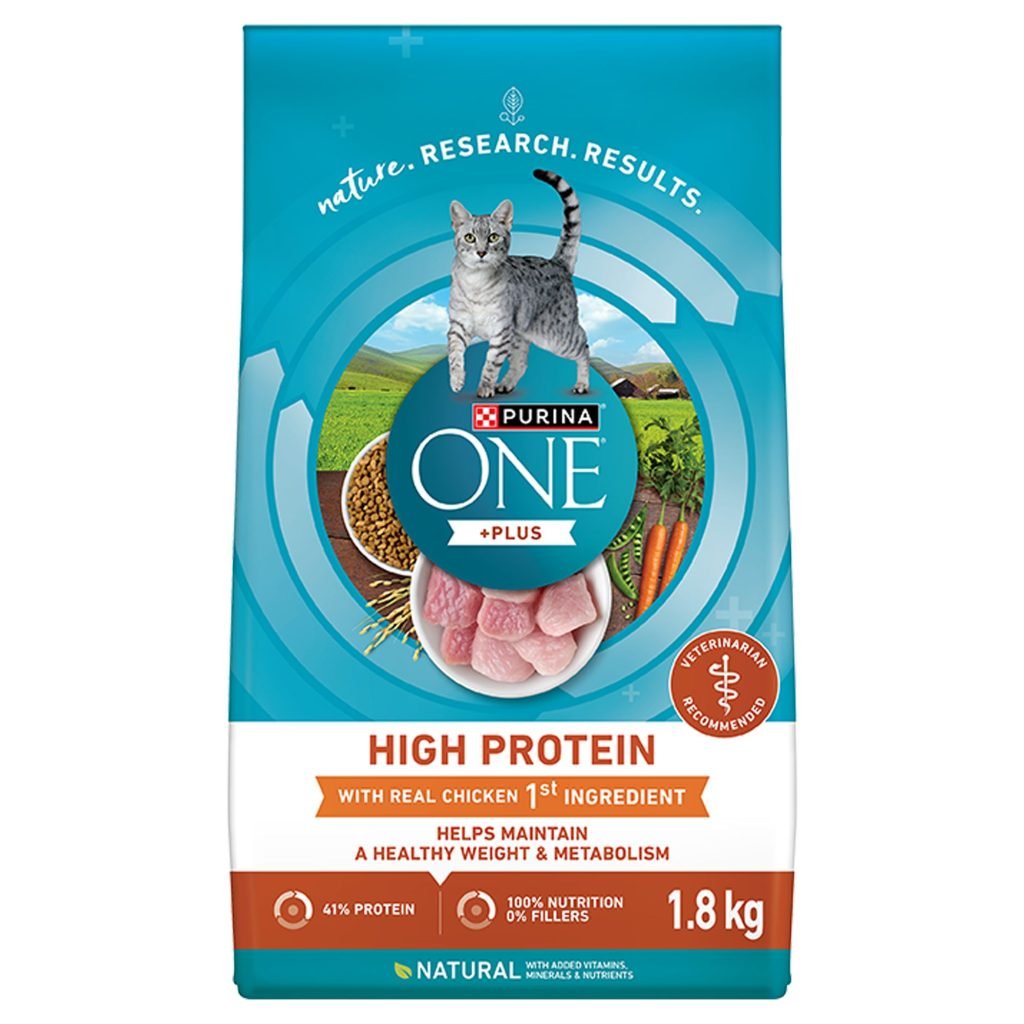
Are you looking to give your cat the best nutrition possible? Choosing the highest protein cat food can make a big difference in your furry friend’s energy, health, and happiness.
Protein fuels your cat’s muscles, supports their immune system, and keeps their coat shiny. But with so many options out there, how do you know which one is truly the best? Keep reading to discover top picks and expert tips that will help you make the right choice for your cat’s well-being.
Your cat deserves the best—let’s find it together.
Benefits Of High Protein Diet
A high protein diet offers many benefits for cats. It supports their natural carnivorous needs and keeps them healthy. Protein is essential for many body functions. It helps maintain strong muscles, improves energy, and keeps the skin and coat shiny. Feeding your cat food rich in protein helps meet these important needs.
Supports Muscle Growth
Protein is the main building block of muscles. Cats need it to grow and repair muscle tissue. A diet with enough protein helps cats stay strong and active. It supports healthy muscle development, especially in young or very active cats.
Enhances Energy Levels
Protein provides essential amino acids that fuel the body. Cats use protein to produce energy needed for daily activities. High protein food helps maintain steady energy levels. It prevents tiredness and supports playful, lively behavior.
Improves Skin And Coat Health
Proteins supply nutrients that keep skin healthy. They help repair damaged skin cells and reduce dryness. A protein-rich diet also promotes a shiny, soft coat. Healthy skin and fur protect cats from infections and irritations.
Top Protein Sources In Cat Food
Protein is vital for cats. It supports muscles, skin, and overall health. Different protein sources offer unique benefits. Understanding these sources helps choose the best cat food.
Animal-based Proteins
Animal proteins come from meat, fish, and poultry. Cats digest these proteins easily. They contain essential amino acids cats need. Common sources include:
- Chicken
- Turkey
- Beef
- Fish (salmon, tuna)
- Lamb
These proteins provide high biological value. They help maintain strong muscles and energy.
Plant-based Proteins
Plant proteins come from beans, peas, and grains. Cats use these proteins less efficiently. They lack some essential amino acids. Common plant proteins are:
- Pea protein
- Rice protein
- Soy protein
- Lentils
Plant proteins often support protein blends. They add fiber and nutrients but can’t replace meat.
Protein Quality And Digestibility
Protein quality means how well cats use the protein. Digestibility shows how much protein breaks down in the gut. Animal proteins score higher on both. High-quality protein helps cats grow and stay healthy. Low-quality protein may cause digestive issues or nutrient gaps.
Check cat food labels for protein sources and amounts. Choose foods with mostly animal-based proteins for best results.
Best High Protein Cat Food Brands
Choosing the best high protein cat food brands supports your cat’s health and energy. Cats need protein for strong muscles and a shiny coat. Some brands focus on high-quality ingredients and balanced nutrition. They offer options that meet different preferences and dietary needs.
Wet Food Options
Wet cat food often contains more protein and moisture. It helps cats stay hydrated and feel full longer. Top brands include:
- Blue Buffalo Wilderness: High protein with real chicken or fish.
- Wellness CORE: Grain-free recipes rich in animal proteins.
- Natural Balance L.I.D.: Limited ingredient diets with quality protein.
Dry Food Options
Dry cat food is convenient and easy to store. Many dry foods have concentrated protein content. Trusted brands are:
- Orijen Cat & Kitten: Contains up to 40% protein from fresh meat.
- Instinct Raw Boost: Mix of kibble and freeze-dried raw pieces.
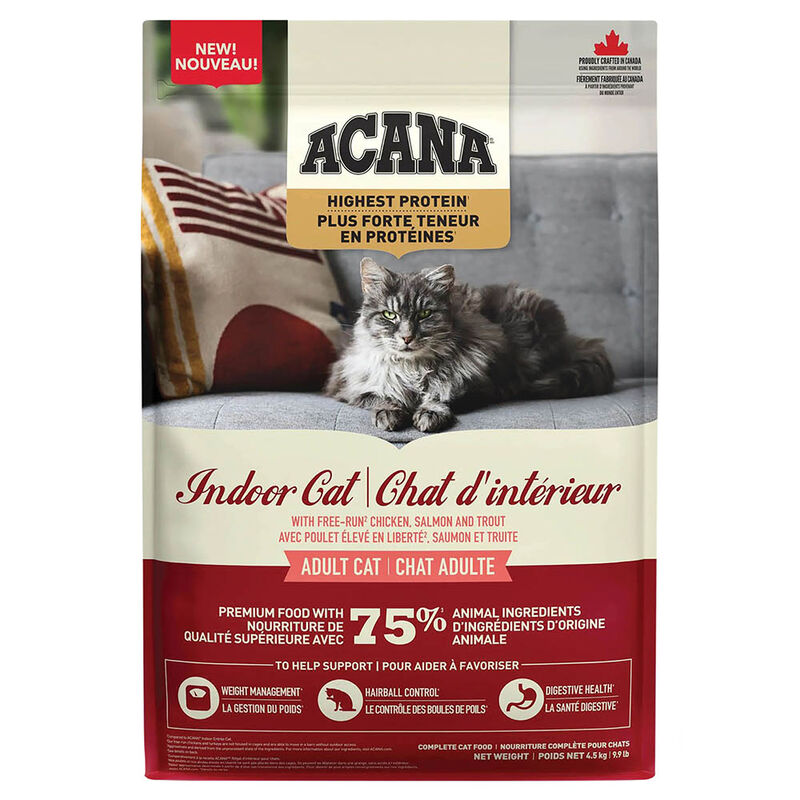
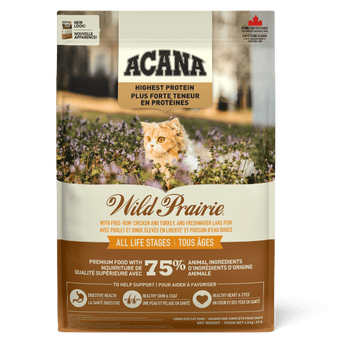
- Acana Regionals: Made with fresh, regional meats and fish.
Grain-free Choices
Grain-free cat foods avoid fillers like corn or wheat. They focus on protein and healthy fats. Popular grain-free brands include:
- Merrick Grain-Free: Real deboned meat with no grains.
- Canidae Pure: Simple recipes with limited ingredients.
- Nutro Grain-Free: Natural ingredients with high protein levels.
Credit: www.renspets.com
How To Choose The Right Protein Level
Choosing the right protein level in your cat’s food is more than just picking the highest number on the label. Protein needs vary widely depending on who your cat is and what they’re going through. Knowing how to match protein levels to their specific situation can improve their health and happiness.
Age And Life Stage Considerations
Kittens and young cats usually need higher protein to support their rapid growth and energy. Adult cats require sufficient protein to maintain muscle and overall health, but not as much as growing cats. Senior cats might benefit from moderate protein levels that support aging muscles without overloading their kidneys.
Have you noticed changes in your cat’s activity or weight? That could signal a need to adjust their protein intake. Tailoring protein to your cat’s life stage ensures they get exactly what they need without excess.
Health Conditions And Dietary Needs
Cats with kidney issues often need lower protein to avoid strain, but the quality of protein becomes very important here. High-quality, easily digestible protein can make a big difference. On the other hand, cats recovering from illness or surgery may require a protein boost to heal faster.
Allergies or food sensitivities also affect protein choices. You might need to try novel protein sources like duck or rabbit if your cat reacts to common proteins. Think about your cat’s unique health profile before settling on a protein level.
Balancing Protein With Other Nutrients
Protein doesn’t work alone. Cats also need fats and carbohydrates for energy and overall health. Too much protein without enough fats can leave your cat feeling tired or irritable.
Look for cat foods that balance protein with essential fats and vitamins. Reading ingredient lists carefully helps you spot well-rounded formulas. What’s your cat’s current diet missing, and how can adjusting protein fit into a balanced plan?
Feeding Tips For Maximum Benefits
Feeding your cat a high protein diet can boost their energy and support muscle health, but it requires careful attention to get the best results. Adjusting feeding habits thoughtfully ensures your cat enjoys the benefits without digestive upsets or nutritional imbalances. Let’s look at some practical tips to help you feed your feline friend right.
Proper Portion Sizes
Determining the right portion size is crucial when feeding high protein cat food. Too much protein can strain your cat’s kidneys, while too little won’t meet their needs.
Check the feeding guidelines on the packaging, but remember these are general recommendations. Your cat’s age, weight, activity level, and health status influence how much food they really need.
- Use a digital kitchen scale for accuracy instead of relying on volume measurements.
- Break meals into smaller portions spread throughout the day to avoid overeating.
- Consult your vet to tailor portions specifically for your cat’s lifestyle.
Transitioning To High Protein Diet
Switching to a high protein diet too quickly can upset your cat’s stomach. Cats thrive on routine, so sudden food changes often cause vomiting or diarrhea.
Start by mixing a small amount of the new food with their current diet. Gradually increase the new food’s portion over 7 to 10 days until it fully replaces the old food.
- Observe your cat’s eating habits during the transition. Are they hesitant or enthusiastic?
- If your cat refuses the new food, try warming it slightly to enhance aroma and appeal.
- Patience is key—rushing the transition can set back your efforts.
Monitoring Your Cat’s Response
After switching to a high protein diet, watch your cat closely. Look for changes in energy, coat condition, and litter box habits.
Increased energy and shinier fur usually mean the diet is working well. However, if you notice vomiting, diarrhea, or lethargy, it’s time to reassess.
- Keep a daily journal of your cat’s behavior, appetite, and waste to identify patterns.
- Don’t ignore persistent digestive issues—these may signal intolerance to the new formula.
- Regular vet check-ups can catch any nutritional problems early on.
Credit: www.walmart.ca
Common Myths About Protein In Cat Food
Protein plays a crucial role in your cat’s diet, but many misunderstandings surround it. These myths can confuse you when choosing the best cat food. Let’s clear up some common misconceptions about protein in cat food so you can make informed choices for your furry friend.
Protein Causes Kidney Issues
Many believe that high protein in cat food harms your cat’s kidneys. However, this mainly applies to cats with existing kidney problems. For healthy cats, protein supports muscle maintenance and overall health without causing kidney damage.
If your cat has kidney disease, your vet might recommend a special diet. But don’t cut protein just because of a myth. Always consult your vet before making changes based on fear alone.
All Proteins Are The Same
Not all proteins are created equal. Cats need specific amino acids like taurine, which only come from animal-based proteins. Plant proteins don’t provide these essential nutrients in the right amounts.
Choosing a cat food with high-quality animal protein ensures your cat gets what it truly needs. Check the ingredient list for named meat sources like chicken, turkey, or fish. This helps avoid low-quality fillers that offer little benefit.
High Protein Means High Fat
You might think high protein cat food automatically contains high fat. That’s not always true. Some formulas provide plenty of protein with moderate or low fat levels.
Look at the nutrition label to separate protein and fat content. This helps you pick food that matches your cat’s health needs and activity levels. Have you checked your cat food label lately?
Credit: www.petland.ca
Frequently Asked Questions
What Is The Highest Protein Cat Food Available?
The highest protein cat food typically contains 40-50% protein. Look for brands using real meat or fish as the first ingredient. High-protein options support muscle health and energy for active cats.
Why Is High Protein Important For Cats?
Cats are obligate carnivores and need protein for growth, repair, and energy. Protein helps maintain muscle mass and overall health. A diet rich in protein meets their natural nutritional needs.
Can High Protein Cat Food Cause Health Issues?
Moderate high protein diets are safe for healthy cats. However, excessive protein may strain kidneys in cats with kidney disease. Always consult your vet before switching to high protein food.
How To Choose The Best Protein Cat Food?
Look for foods with named animal proteins listed first. Avoid fillers like corn or soy. Check guaranteed analysis for protein content over 35%. Consider your cat’s health and activity level.
Conclusion
Choosing the highest protein cat food helps keep your cat strong and healthy. Protein supports muscles and energy for active cats. Always read labels to find quality ingredients. Cats need balanced nutrition for long, happy lives. Feeding the right food shows you care.
Remember, every cat is different, so watch how yours reacts. Healthy food means a happy pet. Protein matters—choose wisely for your cat’s health.
