

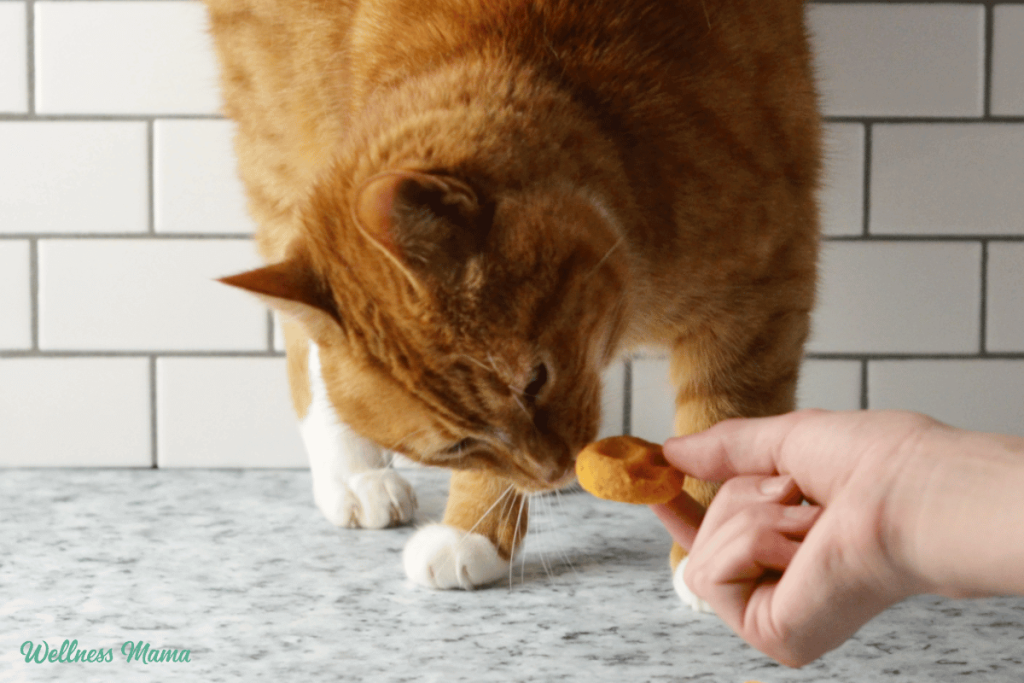
Are you worried about what’s really in your cat’s food? Making your own cat food at home might be the solution you’ve been looking for.
When you prepare DIY cat food, you control every ingredient, ensuring your furry friend gets fresh, healthy meals without any hidden fillers or additives. Imagine the peace of mind you’ll feel knowing exactly what your cat is eating—and the joy your pet will show with every bite.
Keep reading, and you’ll discover simple recipes, expert tips, and easy steps to create nutritious meals that your cat will love. Your pet’s health and happiness start with what’s on their plate.
Benefits Of Homemade Cat Food
Making cat food at home has many benefits for both pets and owners. It allows better care of your cat’s health and diet. Homemade meals can be tailored to fit specific needs. You control what goes into every dish. This leads to happier and healthier cats.
Health Advantages
Homemade cat food can improve your cat’s health. Fresh ingredients provide natural nutrients and vitamins. No artificial fillers or preservatives harm your cat. It supports digestion and reduces allergies. Cats can have shinier coats and more energy. Homemade food also helps with weight management and specific health issues.
Cost Savings
Making food at home often costs less than buying premium brands. Bulk buying ingredients saves money over time. You avoid expensive additives and packaging. Cooking in batches means fewer trips to the store. Overall, it is a budget-friendly way to feed your pet well.
Control Over Ingredients
You decide exactly what goes into your cat’s food. No hidden chemicals, fillers, or low-quality meats. Choose fresh, high-quality proteins and vegetables. Adjust recipes for allergies or preferences easily. This control ensures your cat eats healthy and safe meals every day.
Essential Nutrients For Cats
Feeding your cat homemade food means you must pay close attention to their nutritional needs. Cats rely on specific nutrients to stay healthy, active, and happy. Missing even one can lead to serious health issues.
Proteins And Amino Acids
Cats are obligate carnivores, which means they need protein from animal sources. Proteins provide amino acids, the building blocks for muscles, skin, and fur. Taurine is an essential amino acid that cats can’t produce enough of on their own, so you must add it to their diet.
Think about the last time your cat had dull fur or seemed lethargic. These signs can point to protein deficiency. Using chicken, turkey, or fish ensures your cat gets enough high-quality protein and taurine.
Fats And Fatty Acids
Fats are a vital energy source and help your cat absorb vitamins. Omega-3 and Omega-6 fatty acids support healthy skin, coat, and brain function. Fish oil or flaxseed oil are great additions to homemade cat food.
Have you noticed your cat scratching more than usual? It might be a sign of fatty acid deficiency. Adding the right fats can improve their comfort and overall health quickly.
Vitamins And Minerals
Vitamins like A, D, E, and minerals such as calcium and phosphorus maintain your cat’s immune system and bone health. Cats can’t convert beta-carotene into vitamin A, so they need it directly from animal sources like liver.
Balancing these nutrients is tricky but crucial. Too much calcium can cause kidney problems, while too little leads to weak bones. You can use supplements or carefully chosen ingredients to get the balance right.
Safe Ingredients To Use
Choosing safe ingredients for your DIY cat food is essential to keep your furry friend healthy and happy. Not all human foods are suitable for cats, so understanding what to include and what to avoid is crucial. Let’s dive into the safe options that provide balanced nutrition without risking your cat’s well-being.
Meats And Proteins
Protein is the backbone of any cat’s diet. Cats need high-quality animal proteins like chicken, turkey, and beef to thrive.
Raw or cooked meats work fine, but always remove bones to prevent choking or injury. Fish can be offered occasionally but avoid too much due to heavy metals and thiamine deficiency risks.
Have you noticed how your cat perks up when you offer a fresh piece of cooked chicken? That’s because protein fuels their energy and supports muscle health.
Vegetables And Supplements
Cats don’t require many vegetables, but small amounts of safe veggies like pumpkin or cooked carrots can add fiber to aid digestion.
Supplements like taurine, fish oil, and certain vitamins are vital since homemade meals may lack some nutrients. Taurine, especially, is non-negotiable for heart and eye health.
Think about adding a pinch of ground eggshell for calcium or a drop of fish oil for shiny fur. These simple additions make a big difference.
Avoiding Toxic Foods
Knowing what foods to avoid can prevent serious health issues. Never feed your cat onions, garlic, chocolate, grapes, or raisins; these are highly toxic.
Also, avoid dairy products, as many cats are lactose intolerant and can suffer digestive upset. Even everyday seasonings like salt and pepper should be skipped.
Have you ever wondered why some human foods seem harmless but harm cats? Always double-check before sharing your meal.

Credit: medium.com
Basic Recipes To Start With
Starting with basic DIY cat food recipes can feel overwhelming, but it doesn’t have to be. Simple, wholesome meals can provide your cat with the nutrition they need without complicated ingredients or steps. These easy recipes give you a solid foundation to build on as you learn what your cat enjoys and thrives on.
Simple Chicken Meal
Chicken is a favorite for many cats and a great protein source. Use boneless, skinless chicken breast or thighs, cooked thoroughly to avoid any harmful bacteria.
- Boil or bake about 1 cup of chicken until fully cooked.
- Shred the chicken into small, manageable pieces for your cat.
- Add a small amount of chicken broth (without onions or garlic) to keep it moist.
This straightforward meal is perfect for introducing homemade food to your cat. Have you noticed how much cats prefer texture over flavor sometimes? Keeping it simple often wins their approval.
Fish-based Recipe
Many cats love fish, but it’s important to keep it balanced and not too frequent. Use cooked fish such as salmon or white fish, avoiding raw fish to prevent parasites.
- Cook ½ cup of fish by steaming or baking.
- Flake the fish into small pieces.
- Mix in a teaspoon of cooked rice or sweet potato for energy.
This recipe provides essential omega-3 fatty acids. Have you ever wondered if your cat prefers salmon over chicken? Testing different proteins can reveal surprising favorites.
Balanced Mix With Vegetables
Adding vegetables can offer fiber and vitamins but keep them safe and digestible for cats. Avoid onions, garlic, and other toxic veggies.
- Combine ¾ cup cooked chicken or turkey with 2 tablespoons of steamed carrots or peas.
- Include 1 tablespoon of cooked pumpkin for digestion support.
- Mix everything well and serve at room temperature.
This mix helps create a more rounded diet, especially for cats who need extra fiber. Do you think cats really enjoy veggies, or is it more about texture? Experiment and observe your cat’s reactions closely.
Meal Preparation Tips
Preparing meals for your cat at home can be rewarding and healthy, but it requires careful attention to detail. Proper meal preparation ensures your cat gets all the nutrients they need without any risk of contamination or spoilage. Here are some practical tips to help you serve safe and balanced homemade food.
Proper Cooking Techniques
Cooking your cat’s food thoroughly is essential to kill harmful bacteria. Meats should reach an internal temperature of at least 165°F (74°C) to be safe. Avoid using seasoning, oils, or spices, as these can upset your cat’s stomach or be toxic.
Steaming or boiling are excellent methods to preserve nutrients without adding extra fats. If you choose to bake or grill, keep the temperature moderate and check the food frequently to avoid burning. Remember, raw diets can be risky unless you take strict hygiene measures.
Storage And Shelf Life
Store homemade cat food in airtight containers to keep it fresh and prevent contamination. Refrigerate portions you plan to use within 3 days and freeze larger batches for up to 2 weeks. Label each container with the date to track freshness easily.
Thaw frozen meals in the refrigerator rather than at room temperature to maintain safety. Never refreeze food that has already been thawed. These simple habits can save you from potential foodborne illnesses for your furry friend.
Portion Control
Feeding your cat the right amount helps maintain their weight and health. Overfeeding can lead to obesity, while underfeeding may cause nutritional deficiencies. A good starting point is about 20-30 calories per pound of your cat’s ideal weight per day.
Divide the daily amount into two or three meals to mimic their natural eating habits. Use a kitchen scale or measuring cups to be precise. Have you noticed how your cat responds to different portion sizes? Adjust accordingly to keep them satisfied but not overfull.
Monitoring Your Cat’s Health
Monitoring your cat’s health is key when preparing DIY cat food. You hold the responsibility to ensure your furry friend gets balanced nutrition. Paying close attention to subtle changes can prevent bigger health issues.
Signs Of Nutritional Deficiency
Look out for dull coat, excessive shedding, or flaky skin. These often signal a lack of essential fatty acids or vitamins. If your cat seems lethargic or loses appetite, their diet might be missing key nutrients.
Digestive issues like diarrhea or constipation also hint at imbalances. Watch for weight loss or muscle wasting too. It’s easy to overlook these signs, but they matter a lot.
Adjusting Recipes
Don’t hesitate to tweak your cat’s meals based on their health signals. Add supplements like taurine, omega-3 oils, or vitamin E if needed. For example, mixing a teaspoon of fish oil can improve coat shine dramatically.
Try small changes and observe how your cat responds over a week. Keep a journal of ingredients and effects to spot patterns. Your cat’s reaction guides the perfect recipe.
When To Consult A Vet
Persistent health issues or sudden changes require a vet’s input. If your cat shows signs like vomiting, diarrhea, or extreme lethargy, don’t wait. Regular check-ups can catch hidden problems early.
Share your DIY recipes with your vet for expert advice. They can suggest blood tests to check nutrient levels. Remember, your vet is your best ally in keeping your cat safe and thriving.
Common Mistakes To Avoid
Making your own cat food can be rewarding, but it’s easy to slip up without realizing it. Many cat owners start with good intentions but overlook crucial details that affect their cat’s health. Avoiding these common mistakes will help keep your furry friend happy and thriving.
Imbalanced Diets
Cats need a very specific balance of nutrients. Protein is essential, but so are vitamins like taurine and minerals such as calcium. Missing or overdoing any of these can lead to serious health problems over time.
Have you checked if your recipe meets all your cat’s nutritional needs? Simply adding meat isn’t enough. You may want to consult a vet or use trusted guidelines to ensure a balanced mix.
Using Unsafe Ingredients
Some human foods are toxic to cats, even in small amounts. Ingredients like onions, garlic, grapes, and chocolate can cause severe harm. Avoid feeding your cat anything you wouldn’t trust 100%.
It’s easy to accidentally include dangerous items, especially if you’re experimenting with new recipes. Double-check every ingredient before adding it to your cat’s meal to protect their health.
Overfeeding
It’s tempting to spoil your cat with extra food, but overfeeding leads to obesity and other health issues. Cats have different calorie needs than humans, so portion control is crucial.
Are you measuring servings or just guessing? Using a kitchen scale or measuring cups can help you keep portions accurate. Your cat will thank you with better energy and a healthier weight.

Credit: www.thecookierookie.com

Credit: justcatsclinic.com
Frequently Asked Questions
What Ingredients Are Safe For Diy Cat Food?
Safe ingredients include cooked chicken, turkey, fish, and eggs. Avoid onions, garlic, and dairy. Include taurine-rich foods for cat health.
How Do I Balance Nutrients In Homemade Cat Food?
Use a mix of protein, fats, and minimal carbs. Supplement with taurine and vitamins to meet feline dietary needs.
Can I Store Homemade Cat Food Safely?
Yes, store homemade cat food in airtight containers. Refrigerate for up to three days or freeze for longer storage.
How Often Should I Feed Diy Cat Food?
Feed your cat two to three small meals daily. Monitor their weight and adjust portions as needed.
Conclusion
Making DIY cat food can be simple and healthy. You control the ingredients and keep your cat safe. Fresh meals often taste better to cats. Always check recipes for balanced nutrients. Consult your vet before changing your cat’s diet. Homemade food shows care and love for your pet.
Try small batches to see what your cat likes. Enjoy feeding time with fresh, homemade meals. Your cat deserves the best nutrition every day.
